Sports Engineering: Designing Performance and Safety
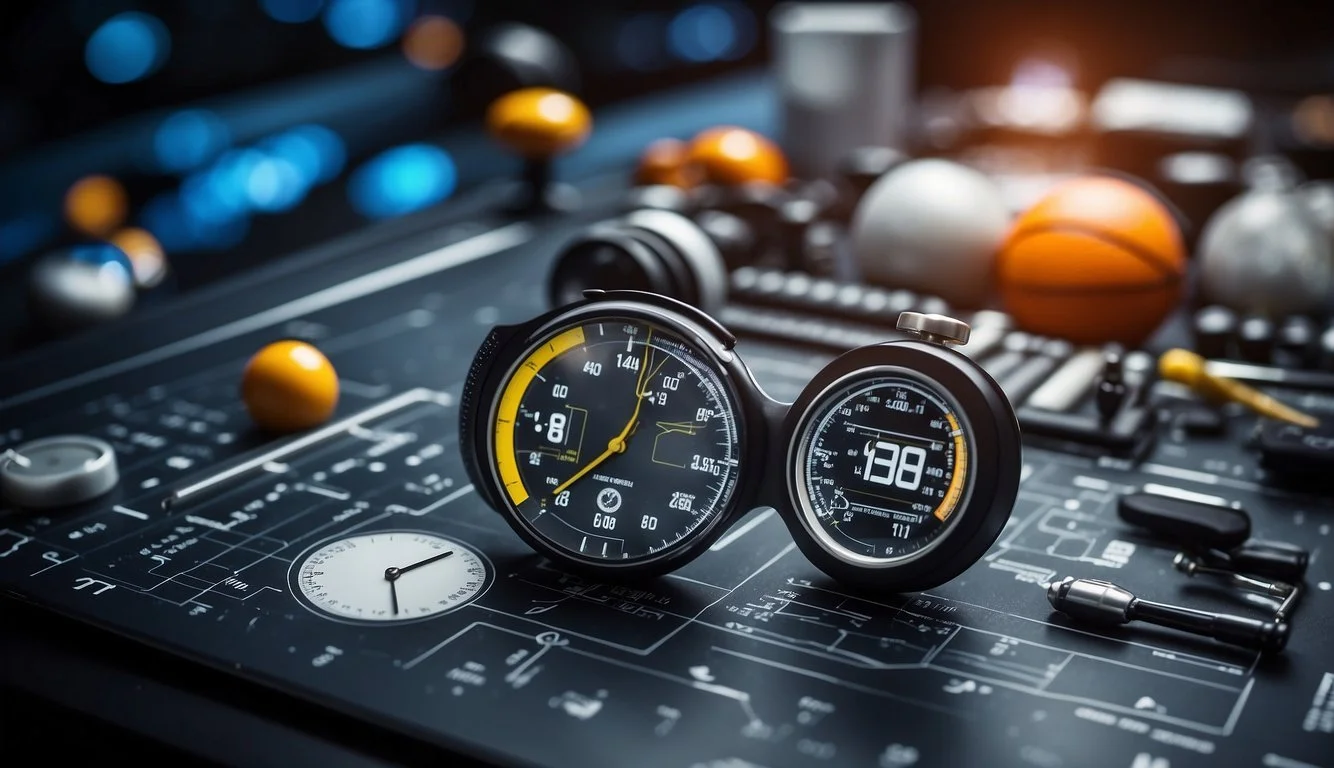
Sports engineering involves the application of mechanical, materials, and biomechanical principles to optimize athletic outcomes while simultaneously mitigating the risk of injury. By integrating rigorous data analysis, advanced material science, and computational modeling, engineers design equipment, surfaces, and training environments that allow athletes to push physical boundaries without compromising their long-term health.
The discipline of sports engineering has evolved into a multidisciplinary field where the primary objective is to harmonize human physiology with the artificial environment. In the context of 2026, this means utilizing high-fidelity sensor integration, carbon-fiber composites, and precise aerodynamic profiling to achieve marginal gains. Designing for performance requires an understanding of fluid dynamics, energy return, and material fatigue, while safety engineering necessitates a deep dive into impact attenuation, ergonomics, and injury prevention mechanics. Balancing these two pillars is the central challenge for modern practitioners.
The Intersection of Material Science and Biomechanics
At the heart of sports engineering is the material science required to transform kinetic energy into optimal motion. Whether designing footwear for marathon runners or protective headgear for contact sports, engineers must consider how materials interact with the human body under extreme stress.
Energy Return and Material Properties
Modern performance footwear, particularly in track and field, has been redefined by foams with high energy return capabilities. Engineers test materials to determine their hysteresis—the loss of energy during the compression and recovery cycle. A material that recovers quickly provides a responsive platform, effectively returning energy to the athlete. However, the design must also ensure stability. If the material is too soft, it compromises joint alignment; if it is too stiff, it increases the force load on the foot and ankle, potentially leading to overuse injuries.
Impact Attenuation in Safety Gear
In contact sports, the primary engineering goal is to dissipate energy during a collision. Standardized testing, such as the NOCSAE (National Operating Committee on Standards for Athletic Equipment) protocols, requires specific impact attenuation metrics. Engineers utilize non-Newtonian fluids and visco-elastic polymers that remain flexible during normal movement but harden instantly upon high-velocity impact. This dual-state material property is a hallmark of modern safety engineering, allowing for protection that is both lightweight and highly effective.
Computational Modeling and Simulation
Before a prototype is ever manufactured, it is subjected to intensive computational simulation. This phase is crucial for reducing development costs and ensuring that safety thresholds are met before field testing begins.
Finite Element Analysis (FEA)
Engineers use Finite Element Analysis (FEA) to predict how equipment will behave under stress. By breaking a design down into thousands of small, interconnected elements, the software can simulate how forces—such as the impact of a hockey puck or the torsion of a ski boot—distribute across the structure. This allows designers to identify stress concentrations where failure is likely to occur, enabling them to reinforce those specific areas without adding unnecessary weight to the entire structure.
Computational Fluid Dynamics (CFD)
In sports like cycling, swimming, and bobsledding, aerodynamic or hydrodynamic drag is the primary adversary. Through Computational Fluid Dynamics (CFD), engineers create digital wind tunnels to analyze the airflow around an athlete and their equipment. The goal is to minimize the wake behind the object, thereby reducing the power required to maintain speed. In 2026, this technology is so granular that manufacturers can optimize the surface texture of a suit or the geometry of a frame to account for specific air densities and wind angles.

Standardizing Safety and Performance Metrics
The design process must adhere to international standards to ensure that "performance" does not come at the expense of athlete health. Regulatory bodies and governing organizations mandate that all innovative designs meet strict safety thresholds before they are permitted in professional competition.
| Sport Category | Primary Safety Metric | Design Challenge |
|---|---|---|
| Field Sports | Impact Attenuation | Surface-to-cleat interaction |
| Contact Sports | Deceleration Management | Rotational force mitigation |
| Cycling/Motorsport | Energy Dissipation | Aerodynamic vs. impact weight |
| Gymnastics | Force Distribution | Mat density vs. energy return |
The Role of Regulatory Standards
Compliance is not merely a legal requirement; it is a fundamental design constraint. For instance, the Fédération Internationale de l'Automobile (FIA) mandates specific structural integrity for driver cells, which forces engineers to design vehicles that are both incredibly lightweight and capable of surviving multi-G impacts. Understanding these regulatory boundaries is a prerequisite for any engineering project in the professional sector.
Practical Considerations for Equipment Development
Transitioning a design from a CAD model to a physical product involves several distinct stages. Engineers must consider the lifecycle of the product, the manufacturing tolerance, and the reality of the sport’s environment.
- Requirement Specification: Establishing the target metric (e.g., a 2% reduction in drag or a 15% reduction in peak G-force).
- Prototyping: Utilizing additive manufacturing (3D printing) to create rapid iterations for ergonomic testing.
- Laboratory Verification: Testing against standardized benchmarks using force plates, high-speed cameras, and anthropometric dummies.
- Field Validation: Real-world testing with athletes to capture data that simulators might miss, such as micro-adjustments in technique due to the new equipment.
The Problem of "Overtraining" and Technology
A common mistake in sports engineering is focusing exclusively on the equipment while ignoring the human element. Even the safest, highest-performing equipment can lead to injury if it enables an athlete to train harder than their biological tissues can recover. Engineers are increasingly integrating "human-in-the-loop" monitoring, where wearable sensors provide data on the athlete's fatigue levels, effectively balancing the performance gains provided by the gear with the physiological reality of the user.
Frequently Asked Questions
How do engineers measure performance gains in high-level sports?
Performance is typically measured through precise quantitative data, such as timing gates, motion capture systems, and power meters. By comparing baseline data with data collected after the introduction of new equipment—while controlling for variables like wind, humidity, and athlete fatigue—engineers can isolate the performance gain attributed specifically to the new design.
Why is safety engineering often more complex than performance design?
Performance usually moves in one direction—faster, higher, or stronger. Safety is more complex because it involves managing variables that are often outside the control of the athlete, such as unpredictable collisions. Designing a product that is safe usually adds weight or bulk, which directly conflicts with performance goals, necessitating a delicate engineering compromise.
What is the role of sensor technology in modern sports engineering?
Sensors allow for the real-time collection of biomechanical data. By embedding accelerometers and pressure sensors into apparel or footwear, engineers can map exactly how an athlete moves and where they are applying force. This data serves as the foundation for future design iterations, moving the industry toward a model of personalized, bespoke equipment.
Are there legal liabilities for engineering failures in sports?
Yes. Designers and manufacturers are subject to strict product liability laws. Equipment must meet the intended safety standards for the specific sport. Failure to warn users of limitations or a breach in the integrity of a safety-rated component can lead to significant legal and financial consequences. Professional advice regarding insurance and regulatory compliance is mandatory for any commercial sports product development.
How does artificial intelligence impact the engineering process?
In 2026, AI is used to process the massive datasets generated by simulators. Rather than human engineers testing a handful of design variations, AI can run millions of permutations to find the optimal geometric solution that meets both performance goals and safety constraints, significantly shortening the development timeline.
Next Actions and Implementation
For those entering the field of sports engineering, the path forward involves mastering both the mechanical basics and the digital tools of the trade. If you are developing a new product, begin by identifying the specific regulatory body governing the sport in question. Obtain the most recent technical handbook for equipment safety to define your design constraints. Finally, prioritize the use of high-fidelity simulations before committing to expensive, proprietary materials. Whether aiming for the podium or improving the longevity of casual athletes, success lies in the rigorous application of data to the physical demands of sport.
Image Gallery
Select an image to open it in a new tab.


Zara El-Hashem
Sociocultural Dynamics and Academics Writer
