Understanding Your Credit Card Statement Date and Billing Cycle

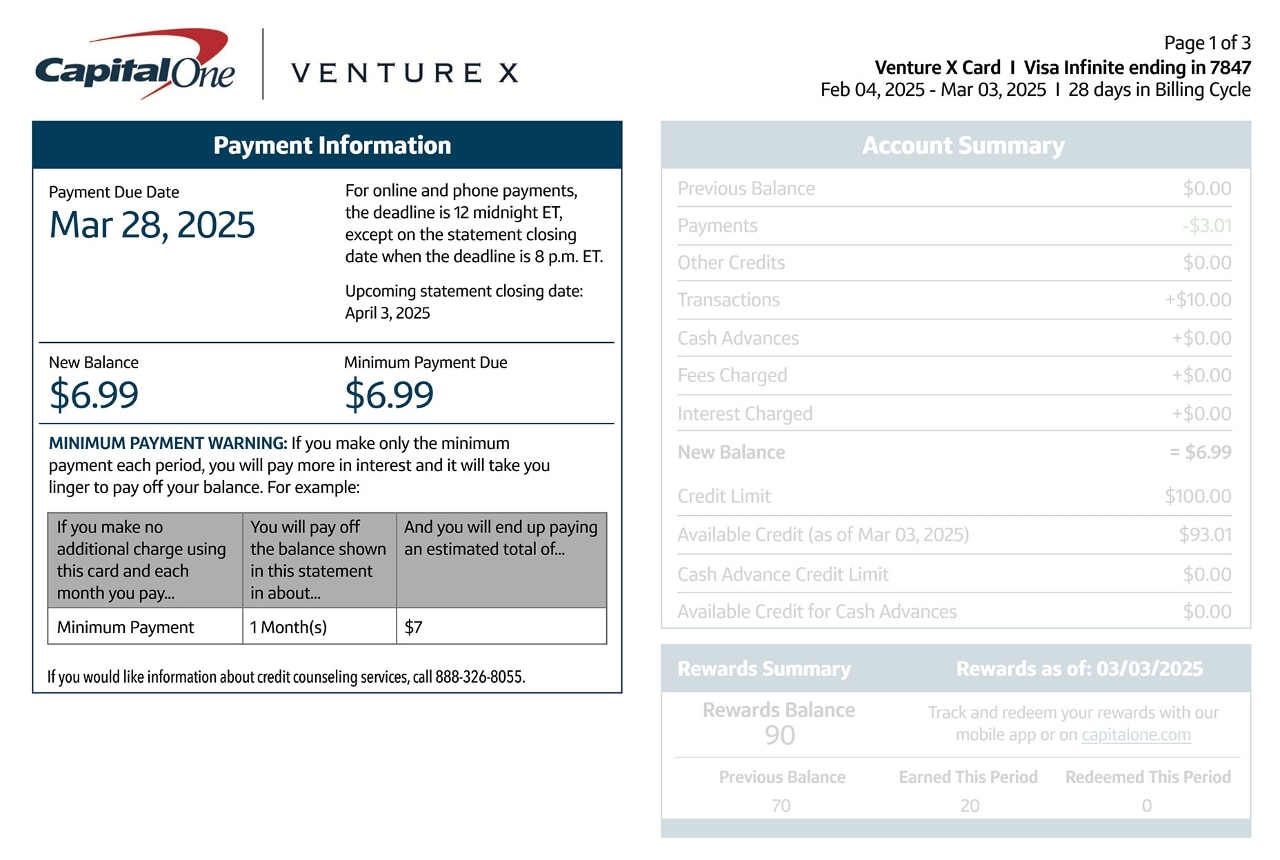
Your credit card statement date—often called the closing date—is the final day of your monthly billing cycle, after which the card issuer calculates your balance, generates your statement, and determines your minimum payment. This date is distinct from your payment due date; it marks the cutoff for transactions included in your current bill, while the due date is the deadline for paying that balance.
Defining the Credit Card Statement Date
The credit card statement date acts as the official "freeze" point for your account’s activity during a specific billing period. When you open a credit card, the issuer assigns you a billing cycle, typically lasting between 28 and 31 days. The statement date is the calendar day on which this cycle concludes.
Transactions made on or before this date are posted to your account and included in the upcoming statement. Any transaction authorized after this time—or transactions that are "pending" and have not yet fully cleared the merchant’s system—will generally roll over to the next billing cycle.
It is important to note that the statement date is not a fixed universal calendar day for all cardholders. Issuers often stagger these dates to balance their internal processing workflows. If you have multiple cards with the same bank, they may have different statement dates, which can complicate your personal financial planning if you do not track them individually.
The Distinction Between Statement Date and Due Date
One of the most frequent points of confusion for credit card users is the relationship between the closing date and the payment due date. These are two separate milestones in your monthly credit cycle:
- Statement Closing Date: This is the day the statement is generated. It reflects the total amount you owe for the cycle, including interest and fees if applicable.
- Payment Due Date: This is the date by which you must make at least the minimum payment to remain in good standing. Federal regulations require this to be at least 21 days after the statement closing date.
If you pay your balance in full before the statement date, you might see a $0 balance on your statement, but this does not relieve you of your responsibility to monitor your due date. Conversely, paying after the due date, even if it is before the next statement date, will result in late fees and potential negative marks on your credit report.
Why Your Statement Date Matters for Credit Scoring
Your statement date is essentially the "snapshot" date for your credit utilization ratio. Credit bureaus receive a report from your card issuer shortly after your statement date. This report contains your balance as of that closing day.
If you carry a high balance on your card, that high balance is what will be reported to the bureaus, which can temporarily lower your credit score by increasing your credit utilization percentage—even if you intend to pay the full amount before the due date.
For those looking to optimize their credit score, a common strategy is to make a large payment a few days before the statement closing date. By reducing the balance before the "snapshot" is taken, you lower the utilization ratio reported to the bureaus. This is often referred to as "AZEO" (All Zero Except One) or simply managing your reported balance to ensure it stays well below 30% of your total credit limit.
How to Locate Your Statement Date
You can find your statement date through several methods, depending on how you interact with your financial institution:
- Paper Statements: Look at the first page of your physical statement. It will be clearly labeled as "Statement Date," "Closing Date," or "Billing Cycle End Date."
- Online Banking Portals: Log into your credit card issuer’s website or mobile application. Most modern dashboards feature a "Statement" or "Activity" tab where the current billing cycle dates are displayed.
- Customer Service: If you cannot find the date online, call the number on the back of your card. Automated phone systems often provide the closing date when you select the account summary option.
Factors Influencing the Statement Date
While the issuer initially assigns your statement date, it is not always set in stone. Many banks allow you to request a change to your statement date to better align with your personal cash flow—for example, if you prefer your payment due date to fall shortly after your payday.
When requesting a change, keep the following in mind:
- Proration: Changing your statement date may result in a "short" or "long" billing cycle during the transition period.
- System Limitations: Some issuers limit how frequently you can change your cycle date (e.g., once every six or twelve months).
- Pending Cycles: You generally cannot change your date if a statement is currently being processed or if a payment is already overdue.
Table: Comparison of Billing Cycle Milestones
| Milestone | Purpose | Action Required |
|---|---|---|
| Transaction Date | The day you purchase an item. | Keep receipts for verification. |
| Posting Date | When the transaction hits your account. | Monitor for accuracy. |
| Statement Date | The end of your billing cycle. | Check for billing errors/disputes. |
| Due Date | The final day to pay without penalty. | Submit payment at least 24 hours prior. |
Common Mistakes and How to Avoid Them
The most common mistake is conflating the "statement date" with the "due date." Many cardholders mistakenly believe they have until the end of the month to pay for items purchased at the beginning of the month. Because the billing cycle ends on the statement date, waiting until the end of the calendar month could put you well past your due date, triggering late fees and interest charges.
Another error involves automated payments. If you set up an "Auto-Pay" feature for the minimum amount, ensure you understand exactly when that payment triggers. Some systems trigger the payment on the statement date, while others wait until the due date. Always verify the specific configuration within your banking dashboard.
Troubleshooting Missing Statements
If your statement date has passed and you have not received a statement—either via mail or email notification—do not assume you have no bill.
- Check Account Activity: Log into your online account to see if the balance has updated.
- Verify Contact Information: Ensure your email address and mailing address are current. Statements are often sent to outdated addresses, leaving you unaware of a balance.
- System Maintenance: Occasionally, banks delay statement generation due to system updates. If your account shows "Pending" for a statement generation, check back in 24 to 48 hours.
Frequently Asked Questions
Can I change my statement date to match my pay schedule? Yes, most major credit card issuers allow you to change your statement closing date. Contact customer service or check the "Profile" or "Account Settings" section of your online banking portal to see if the feature is available.
Does a transaction made on the statement date appear on that bill? It depends on the time of day the transaction is processed by the merchant. Transactions posted before the end of the business day on the statement date are typically included. If the transaction is still "pending," it will likely roll over to the next month's statement.
What happens if my statement date falls on a weekend or holiday? If your statement date falls on a non-business day, the system usually processes the statement on the next business day, or it may be processed automatically by a computer system regardless of the day of the week. This does not change the fact that your due date will be calculated based on this generated date.
Is there any benefit to having a later statement date? A later statement date provides more time for a transaction to post to the current cycle. Conversely, an earlier date might move a purchase into the next month's cycle, effectively giving you an extra 30 days of interest-free time before that specific purchase is due.
Will my credit limit reset on my statement date? No, your credit limit is a constant ceiling. Your "available credit" updates in real-time as you make payments or new purchases. The statement date simply generates a bill for the activity that has occurred; it does not change your total credit availability.
Professional Guidance and Next Steps
If you are struggling to manage your finances due to confusing billing cycles, the best next step is to unify your dates. Many banks allow you to synchronize the statement dates of multiple credit cards. Consolidating your due dates to one or two days a month can significantly reduce the mental load of financial management and prevent accidental missed payments.
If you find that your spending consistently hits your credit limit before your statement date, consider requesting a credit limit increase or shifting your larger purchases to the beginning of a new billing cycle to maximize your interest-free float. Always review your monthly statement for unauthorized charges, as the statement date is the official start of your dispute period under the Fair Credit Billing Act.
Image Gallery
Select an image to open it in a new tab.


Simon Caldwell
Enterprise Technology and Systems Editor
