Are the Members of the British Royal Family Catholic? Religious Laws and Royal History Explained

The British Royal Family is not Catholic; they are members of the Church of England, which is a Protestant Anglican denomination. Under United Kingdom law, the Monarch serves as the Supreme Governor of the Church of England and must be a Protestant in communion with that church to retain the throne.
While individual members of the extended Royal Family have converted to Catholicism or married Catholics, the Sovereign and those in the immediate line of succession remain strictly bound by constitutional requirements that prioritize the Protestant faith. This religious alignment is not merely a matter of personal preference but is mandated by centuries-old legislation, including the Act of Settlement 1701 and the Accession Declaration Act 1910.
The Historical Foundation: Why the Monarchy is Protestant
To understand why the British Royal Family is not Catholic, one must look back to the 16th century and the English Reformation. The break with the Roman Catholic Church was initiated by King Henry VIII, who sought an annulment of his marriage to Catherine of Aragon. When the Pope refused, Henry declared himself the "Supreme Head on earth of the Church of England" through the Act of Supremacy in 1534.
This move was more political and personal than theological at first, but it set the stage for a permanent religious divide. Under Henry's successors, particularly Edward VI and Elizabeth I, the Church of England developed a distinct identity that was "Reformed" but maintained some traditional structures, often referred to as the Via Media or "Middle Way."
The 17th century saw violent conflicts over religion, including the English Civil War and the eventual deposition of the Catholic King James II in 1688—an event known as the "Glorious Revolution." Parliament was determined to prevent a Catholic dynasty from ever ruling England again, fearing that a Catholic monarch would be loyal to the Pope in Rome rather than to English law and national interests.
The Legal Framework: The Act of Settlement 1701
As of 2026, the most significant piece of legislation governing the religion of the Royal Family remains the Act of Settlement 1701. This law was designed to ensure that the crown would only pass to Protestant heirs of Sophia, Electress of Hanover.
The Act of Settlement explicitly states that any person who is a "Papist" (a historical, derogatory term for a Roman Catholic) or who marries a "Papist" shall be excluded from the throne. While the restriction on marrying a Catholic was recently updated, the restriction on the Monarch being a Catholic remains absolute.
The Coronation Oath and the Accession Declaration
When a British Monarch is crowned, they take a Coronation Oath that is legally binding. The Monarch promises to maintain the laws of God and the true profession of the Gospel, as well as the Protestant Reformed Religion established by law. Furthermore, they must preserve the settlement of the Church of England and the doctrine, worship, discipline, and government thereof.
Before the Accession Declaration Act 1910, the Monarch was required to make a specific declaration against Catholic doctrines, such as transubstantiation. While the modern declaration is less aggressive toward Catholicism, it still requires the Monarch to declare themselves a "faithful Protestant."
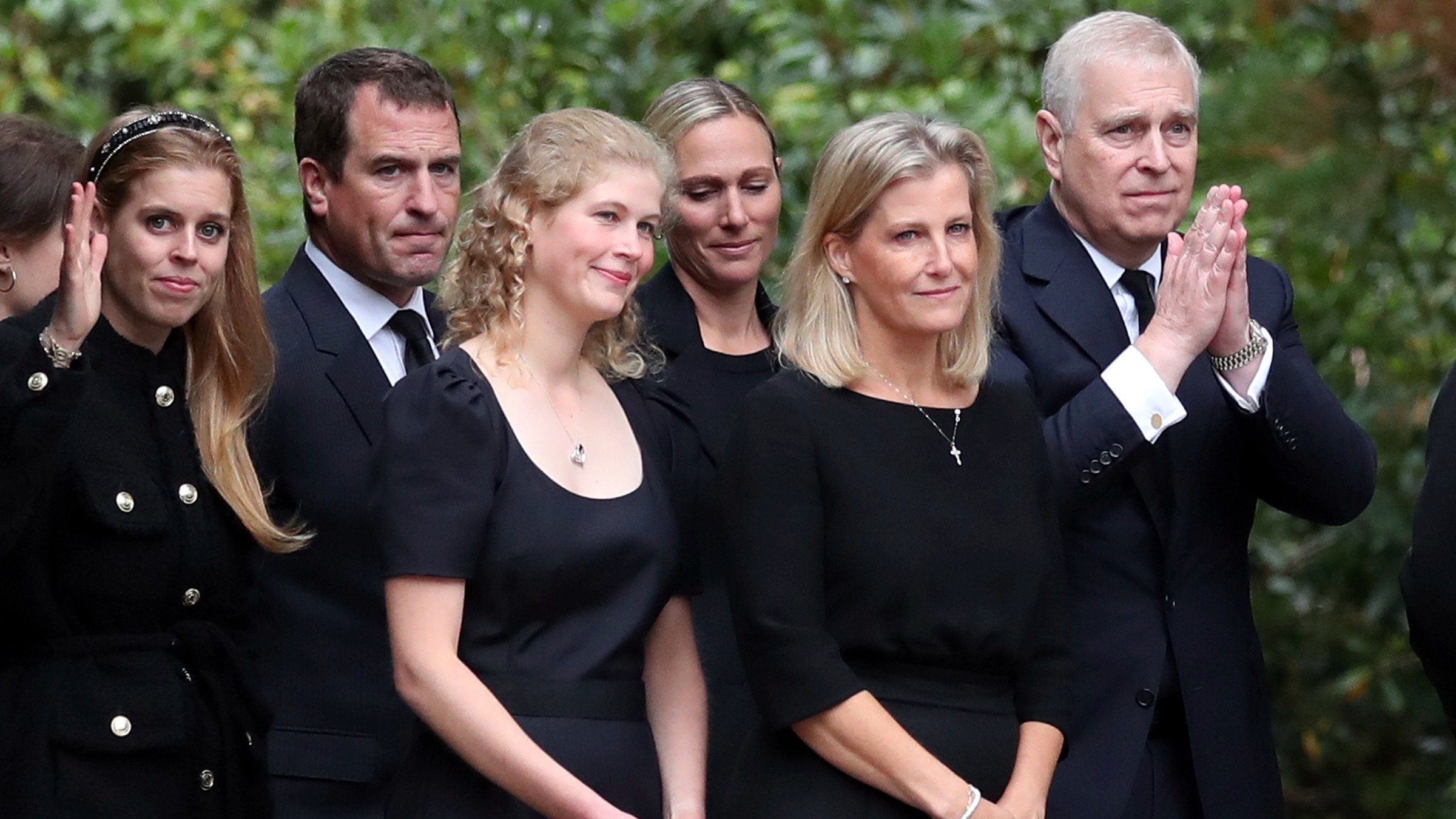
The Monarch as Supreme Governor of the Church of England
The British Monarch holds the unique title of Supreme Governor of the Church of England. This is a constitutional role that differentiates the British Sovereign from almost every other head of state in the world.
In this capacity, the Monarch has several specific duties:
- Appointments: The Monarch appoints archbishops, bishops, and deans of cathedrals on the advice of the Prime Minister.
- Opening the General Synod: The Monarch formally opens the General Synod, which is the legislative body of the Church of England.
- The Defender of the Faith: This title (Fidei Defensor) was originally granted to Henry VIII by the Pope but was later reclaimed by the English Parliament as a title referring to the defense of the Anglican faith.
Because the Monarch is the head of the national church, it is constitutionally impossible for them to be a Catholic. A Catholic Monarch would owe spiritual allegiance to the Pope, which would create a fundamental conflict with their role as the head of a Protestant state church.
The Succession to the Crown Act 2013: Modern Reforms
For over 300 years, the rules regarding Catholicism and the Royal Family were incredibly strict. However, the Succession to the Crown Act 2013 (which came into full effect in 2015) brought about the most significant changes to royal succession in centuries.
The 2013 Act made three primary changes:
- Ending Male Primogeniture: Sons no longer take precedence over daughters in the line of succession.
- Marriage to Catholics: It removed the disqualification for those who marry Roman Catholics. A royal family member can now marry a Catholic and still remain in the line of succession.
- The Six-Person Rule: Only the first six people in line to the throne need the Monarch's permission to marry.
Important Distinction: While a royal can now marry a Catholic, the person actually sitting on the throne must still be a Protestant. If a member of the Royal Family who is in the line of succession were to personally convert to Catholicism, they would still be disqualified from the throne under the Act of Settlement.
Comparison of Succession Rules Before and After 2013
| Feature | Pre-2013 Rules | Post-2013 Rules (Current) |
|---|---|---|
| Gender Preference | Males took precedence over females. | Birth order determines rank, regardless of gender. |
| Marrying a Catholic | Immediate disqualification from the throne. | No disqualification for marrying a Catholic. |
| Being a Catholic | Disqualified from the throne. | Disqualified from the throne. |
| Monarch's Religion | Must be in communion with the Church of England. | Must be in communion with the Church of England. |
| Consent to Marry | All descendants of George II required permission. | Only the first six in the line of succession require permission. |
Catholics Within the Extended Royal Family
While the core members of the Royal Family—the Monarch, the Prince of Wales, and their immediate heirs—are Anglican, the wider family has seen several conversions and Catholic marriages. These instances highlight the practical application of the 2013 reforms and the older restrictions of the 1701 Act.
Katherine, Duchess of Kent
In 1994, the Duchess of Kent (wife of Prince Edward, Duke of Kent, a cousin of Queen Elizabeth II) converted to Roman Catholicism. This was a significant event because she was the first high-ranking royal to convert publicly since the 17th century. Because she converted after her marriage and was not herself in the line of succession, it did not affect her husband's position at the time (though he would have been disqualified under the old rules had he converted).
Lord Nicholas Windsor
Lord Nicholas Windsor, the son of the Duke and Duchess of Kent, converted to Catholicism in 2001. By doing so, he forfeited his (albeit distant) place in the line of succession. He was the first male member of the Royal Family to be a Catholic since the time of King James II. His children are also being raised in the Catholic faith.
Princess Alexandra of Hanover and Others
Several more distant members of the family have been removed from the line of succession upon their conversion to Catholicism. For example, Princess Alexandra of Hanover was removed from the British line of succession in 2018 after she was confirmed into the Catholic Church.
The Relationship Between the Monarchy and the Vatican
In the modern era, particularly throughout the 20th and 21st centuries, the relationship between the British Monarchy and the Roman Catholic Church has shifted from hostility to one of mutual respect and diplomatic cooperation.
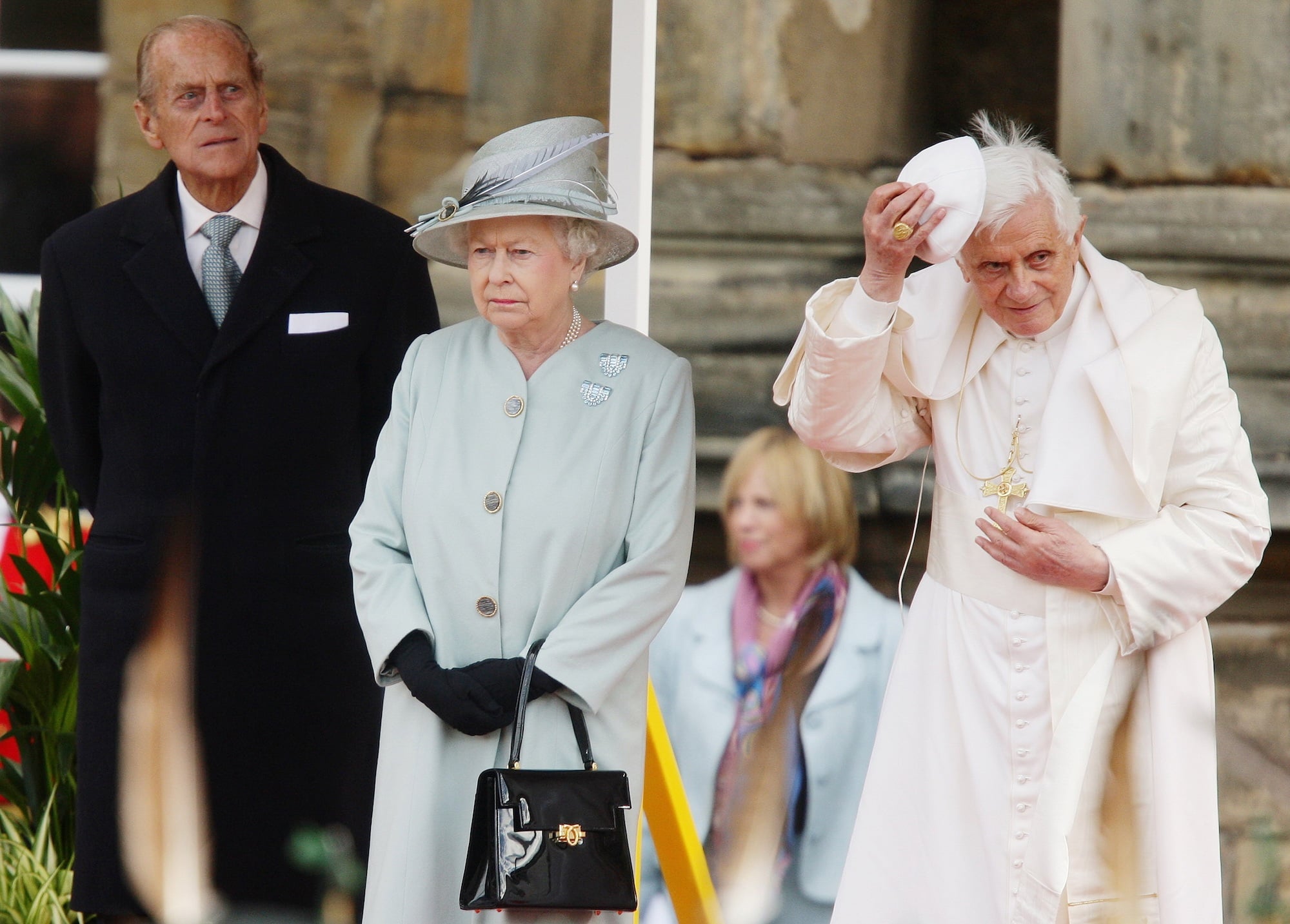
Queen Elizabeth II met with five different Popes during her reign (Pius XII, John XXIII, John Paul II, Benedict XVI, and Francis). These meetings were seen as significant milestones in ecumenical relations. King Charles III has continued this tradition, emphasizing his role as a protector of all faiths while maintaining his specific constitutional duty to the Church of England.
In 2026, the Royal Family maintains a "cordial and constructive" relationship with the Catholic Church in the UK. The Archbishop of Canterbury and the Cardinal Archbishop of Westminster frequently appear together at national events, signaling a high degree of inter-denominational unity that was unthinkable when the Act of Settlement was first drafted.
The Future of Religion and the Monarchy
There is ongoing debate about whether the religious restrictions on the Monarch should be removed entirely to reflect the secular and multi-faith nature of modern Britain. However, doing so would require "disestablishing" the Church of England. If the Monarch were no longer required to be a Protestant, they could no longer serve as the Supreme Governor of the Church of England.
Disestablishment would be a massive constitutional undertaking, requiring the consent of not just the UK Parliament, but potentially the parliaments of other Commonwealth realms (like Canada and Australia) where the King is also the Head of State. For now, the requirement that the Royal Family remains Protestant—and specifically Anglican for the Sovereign—remains a cornerstone of the British constitution.
Frequently Asked Questions
Can a member of the Royal Family be Catholic?
Yes, members of the extended Royal Family can be Catholic, but they cannot inherit the throne. If a person in the line of succession becomes a Catholic, they are bypassed, and the crown goes to the next Protestant heir.
Is King Charles III Catholic?
No, King Charles III is a Protestant and the Supreme Governor of the Church of England. While he has expressed an interest in other faiths and once famously suggested he might prefer the title "Defender of Faith" (rather than the faith), his official and legal standing is firmly within the Church of England.
Why was marrying a Catholic banned for so long?
The ban was instituted during a time of intense religious conflict. It was believed that a spouse could influence the Monarch's religious leanings or the religious upbringing of the heirs, potentially leading to a "Catholic takeover" of the British state and its institutions.
Does the Queen/King have to attend Catholic services?
The Monarch can and does attend Catholic services for specific events, such as weddings, funerals, or ecumenical celebrations. However, they do not take Holy Communion in a Catholic church, as they must remain in communion with the Church of England.
What happens if the Prince of Wales converts to Catholicism?
If the Prince of Wales were to convert to Catholicism, he would immediately and automatically lose his place in the line of succession. The position would pass to his eldest Protestant heir (e.g., Prince George, assuming he remains Protestant).
Summary of the Current Status
As of 2026, the religious identity of the British Royal Family is a blend of ancient tradition and modern legislative compromise. The core of the family remains Protestant by law and duty. While the 2013 Succession to the Crown Act removed the "anti-Catholic" marriage penalty, it reinforced the requirement that the Sovereign must be a Protestant in communion with the Church of England.
For those interested in the intersections of history, law, and faith, the Royal Family's religious status serves as a living record of the Reformation and the subsequent evolution of the British state. To explore the legal texts mentioned, researchers should consult the UK's National Archives or the official legislation database.
Image Gallery
Select an image to open it in a new tab.



Vivian Cho
Executive IT and Emerging Technologies Reporter
