The Real Story Behind 11/22/63: Separating Historical Fact from Stephen King’s Fiction
Stephen King’s 2011 novel 11/22/63 and its subsequent 2016 miniseries adaptation blend the rigid historical reality of the John F. Kennedy assassination with the speculative mechanics of time travel. While the narrative centers on a high-stakes mission to prevent the death of the 35th President of the United States, the story relies on a foundational bedrock of documented events, specific locations in Dallas, Texas, and the real-life biography of Lee Harvey Oswald. Understanding the "real story" requires distinguishing between the confirmed historical record of the Warren Commission and the "butterfly effect" scenarios that drive King’s fictional protagonist, Jake Epping.
The Historical Anchors: Dallas, November 1963
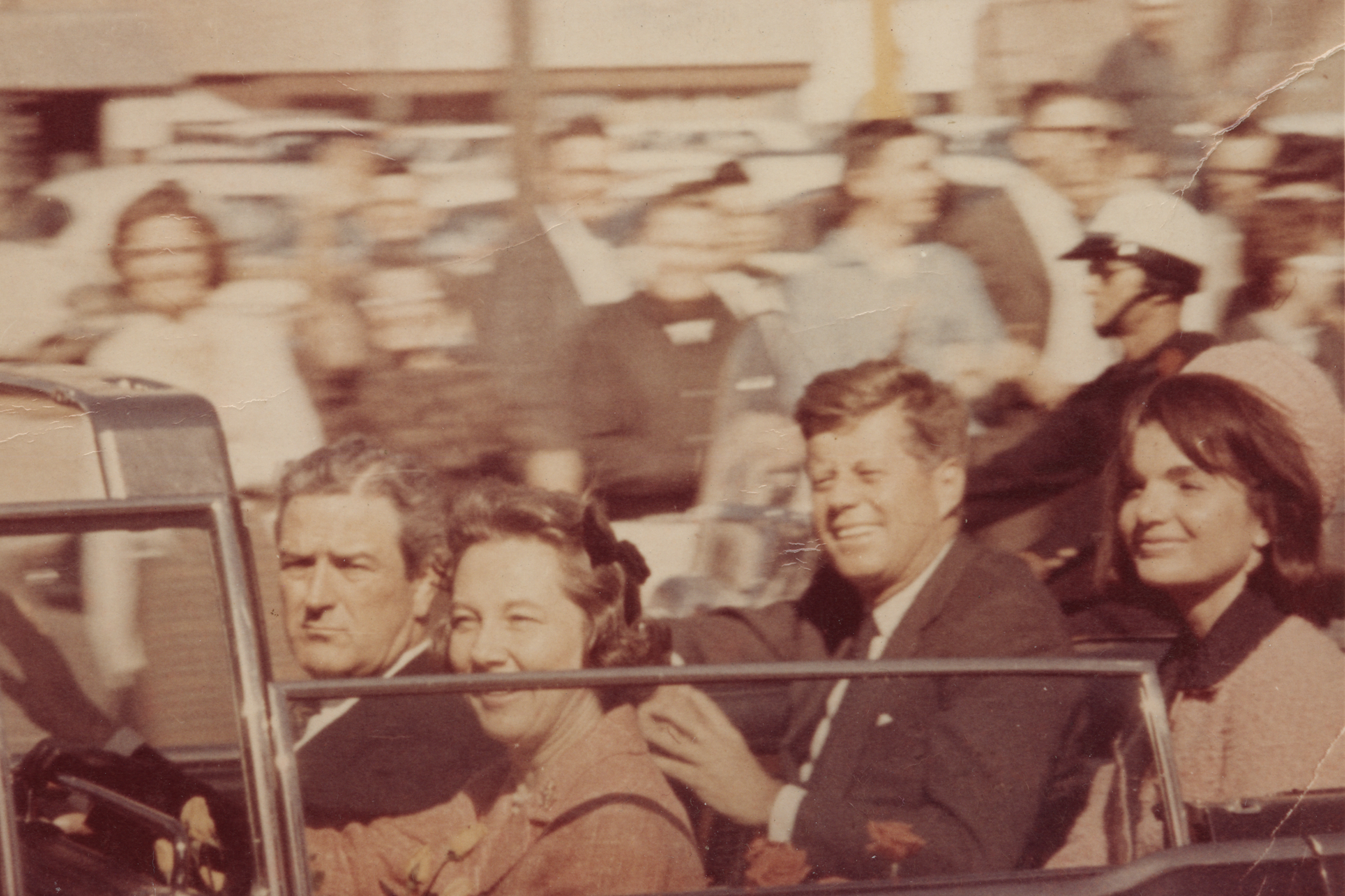
The narrative of 11/22/63 is meticulously grounded in the geography and atmosphere of 1963 Dallas. The central event—the assassination of President John F. Kennedy—occurred at approximately 12:30 p.m. CST on November 22, 1963, as the presidential motorcade moved through Dealey Plaza.
The core of the story utilizes the physical environment that historians and investigators have scrutinized for decades. The Texas School Book Depository, located at 411 Elm Street, serves as the primary focal point of the narrative, mirroring its role in the actual assassination. In the book, King captures the mundane nature of the location prior to the event, contrasting it with the immense historical weight it would later carry.
The Role of Lee Harvey Oswald
Central to both the novel and the historical record is Lee Harvey Oswald. Stephen King portrays Oswald as a deeply troubled, isolated, and unpredictable individual—a characterization that aligns with the majority of historical analysis regarding his personality.
- The Defection: The real story includes Oswald’s 1959 defection to the Soviet Union and his subsequent return to the United States in 1962.
- Employment: His employment at the Texas School Book Depository began in October 1963, a detail that is crucial to the plot.
- The Motive: While the Warren Commission concluded that Oswald acted alone, the "real story" behind the mystery often involves the various conspiracy theories that King acknowledges throughout his work. The novel explores the tension between the official narrative of a "lone nut" and the societal desire to find a more complex, coordinated explanation.
How the Narrative Manipulates History
The central conceit of 11/22/63 is the "rabbit hole"—a time portal that resets every time a person enters it, returning them to the exact same moment: September 9, 1958. This mechanic allows the protagonist to live in the past for five years, gathering information to prevent the assassination.
Unlike purely historical accounts, King’s work uses "The Past" as a sentient, resistant force. In the novel, the more significant the change one tries to make to history, the more resistance the timeline provides. This is a literary device used to explore the "what if" scenarios of the 1960s, a decade defined by civil rights struggles, the Cold War, and the emerging counterculture.
Fact vs. Fiction Comparison Table
| Element | Historical Reality | 11/22/63 (Fiction) |
|---|---|---|
| Assassination Date | November 22, 1963 | November 22, 1963 |
| Oswald's Location | 6th Floor, Book Depository | 6th Floor, Book Depository |
| Cause of Death | Multiple gunshot wounds | Prevented by time-travel intervention |
| The "Past's" Will | Inflexible, linear path | Rebellious; creates accidents to stop travelers |
| Commission Findings | Warren Commission (Lone Gunman) | Subject of intense debate/dissent |
The Warren Commission and the Burden of Proof
Any discussion about the "real story" of the Kennedy assassination must address the Warren Commission. Established by President Lyndon B. Johnson on November 29, 1963, the commission’s goal was to investigate the assassination in its entirety.
The report, released in September 1964, concluded that Lee Harvey Oswald acted entirely alone in firing three shots from the sixth floor of the Texas School Book Depository. It also concluded that Jack Ruby, who killed Oswald two days after the assassination, acted alone in that murder.
King’s narrative is highly effective because it leans into the skepticism that has surrounded these findings for decades. By focusing on the meticulous surveillance of Oswald, the story allows the audience to experience the "truth" through the lens of 1960s paranoia—an era where mistrust of government agencies, including the FBI and the CIA, became increasingly mainstream.
Geography of the Assassination: Then and Now
For those visiting Dallas in 2026, the locations depicted in the book and the actual historical site remain largely preserved. The Sixth Floor Museum at Dealey Plaza now occupies the former Texas School Book Depository.
Key Locations in the "Real Story"
- The Sixth Floor: The window from which the shots were fired remains a place of intense historical documentation.
- The Grassy Knoll: Located on the north side of Elm Street, this area became the epicenter of conspiracy theories suggesting a second shooter.
- The Texas Theatre: This is where Oswald was apprehended after the shooting of Officer J.D. Tippit. The theatre has been restored and maintains its 1963 aesthetic.
The Consequences of Changing the Past
The thematic core of the story revolves around the unintended consequences of altering historical events. This is where King’s fiction diverges sharply from historical record. He posits that even if one were to save Kennedy, the result might not be a "better" world.
In the book, the prevention of the assassination leads to a fragmented, apocalyptic future. This serves as a cautionary tale about the complexities of history—the idea that even the most tragic events are inextricably woven into the fabric of the modern world. By removing a "keystone" event, the entire structure of the subsequent decades, including the Vietnam War and the Civil Rights movement, is thrown into instability.
Frequently Asked Questions
Did Stephen King base the book on real government documents?
Stephen King performed extensive research using the Warren Commission Report and various secondary historical texts to ensure the timeline of Oswald’s movements in the months leading up to the assassination was accurate. While the time travel elements are entirely fictional, the logistical details of Oswald’s life are drawn from public record.
Is the "Time Portal" in the story a real phenomenon?
No. The "rabbit hole" is a literary device used to allow the protagonist to interact with historical events. There is no historical or scientific evidence supporting the existence of temporal portals.
Did Lee Harvey Oswald work at the Book Depository?
Yes. Historical records confirm that Oswald was hired at the Texas School Book Depository in October 1963. His presence there was the primary factor in the investigation that identified him as the prime suspect.
Why does the story focus on 1963?
1963 is widely viewed by historians as a "hinge point" in American history. The assassination of Kennedy marked the end of the relative optimism of the post-WWII era and the beginning of a period of deep national division, making it the most significant "what if" scenario in modern American political history.
Are the characters in the book based on real people?
Most of the central figures, including Lee Harvey Oswald, Marina Oswald, and John F. Kennedy, are historical figures. The protagonist, Jake Epping, and his primary companions are fictional creations designed to navigate the historical setting.
Guidance for Further Research
If you are interested in separating the historical facts from the dramatization, it is recommended to consult primary source documents rather than secondary interpretations.
- The National Archives: The JFK Assassination Records Collection contains millions of documents released by the U.S. government, including the full report of the Warren Commission.
- The Sixth Floor Museum: Their digital archives provide a curated look at the evidence, photographs, and witness testimonies from that day.
- Historical Biographies: Books such as Priscilla Johnson McMillan’s Marina and Lee offer a detailed, research-backed look at the personal life of the assassin, providing a more granular view than a fictionalized account can achieve.
The real story behind the events of November 22, 1963, remains one of the most significant chapters in American history. While King’s work provides a compelling exploration of the "what if," the true weight of the event lies in the documented reality—a tragedy that permanently altered the trajectory of the 20th century. Whether or not one believes the conclusions of the Warren Commission, the facts surrounding the timeline and the people involved remain the essential baseline for any serious investigation into the assassination.
Image Gallery
Select an image to open it in a new tab.

Lars Thomsen
Global Labor Markets and Economic Strategy Editor
