Commercial Auto Repair Insurance Explained: Protecting Your Shop and Operations
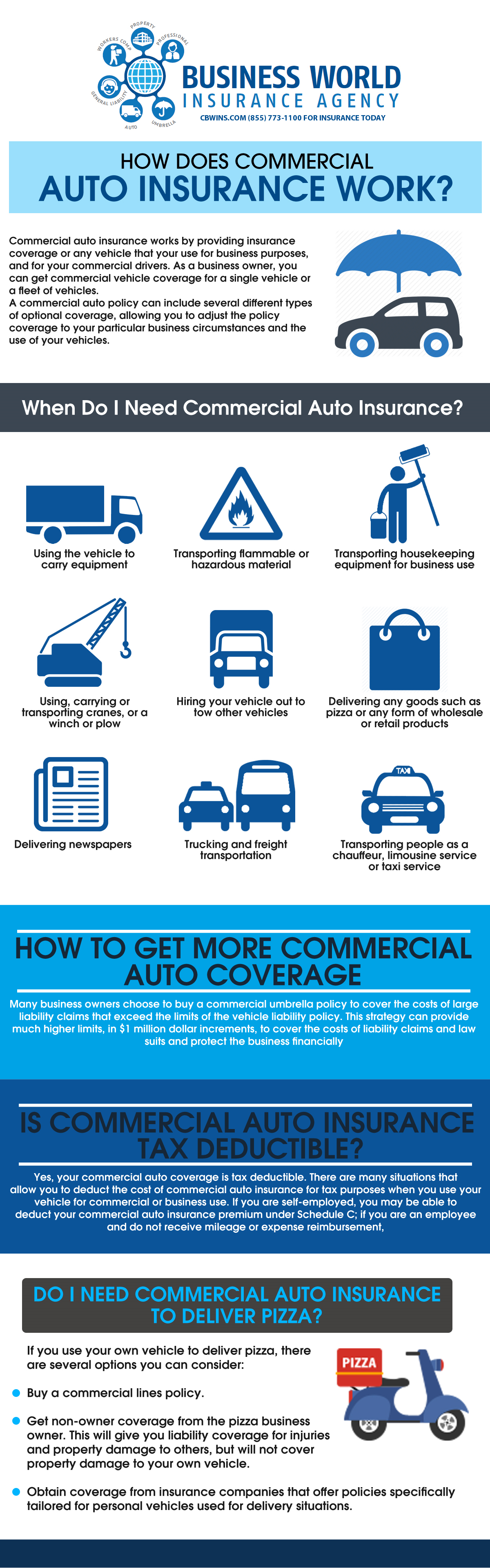
Commercial auto repair insurance is a specialized suite of business protection policies designed to cover the unique liabilities associated with the automotive service industry. It bundles essential coverages—such as Garage Liability, Garagekeepers Insurance, and Commercial Property Insurance—to shield repair shops from financial losses resulting from customer vehicle damage, workplace injuries, or premises-related incidents.
Understanding the Core Components of Repair Shop Coverage
For a business operating in the automotive service niche, a standard Business Owner’s Policy (BOP) is rarely sufficient. Because you are constantly taking possession of customer property—the vehicles themselves—your insurance needs go beyond basic building and liability coverage.
The foundation of any commercial auto repair insurance package rests on three distinct pillars:
1. Garage Liability Insurance
This is the "bread and butter" of your shop's protection. It covers bodily injury and property damage for which your business is legally liable. For example, if a customer slips on an oil spill in your waiting room and requires medical attention, or if a technician accidentally reverses a customer’s car into a pedestrian in your parking lot, Garage Liability provides the financial backing for legal defense costs and settlement payments.
2. Garagekeepers Insurance
This is often the most misunderstood portion of the policy. While liability covers third-party damage you cause, Garagekeepers insurance covers the vehicle itself while it is in your "care, custody, or control." If a vehicle is damaged due to fire, theft, vandalism, or a collision while parked on your lot or while a technician is test-driving it, this policy covers the repair or replacement costs. You must choose between three levels of coverage:
- Legal Liability: Only pays if you are found legally liable for the damage.
- Direct Primary: Pays for damage regardless of fault, provided the cause is covered (e.g., a storm drops a tree branch on a customer's hood).
- Direct Excess: Pays for damage that exceeds the owner's personal auto insurance coverage.
3. Commercial Property Insurance
This protects the physical structure of your shop, along with the tools, diagnostic equipment, lifts, and office supplies inside. Given the high cost of modern automotive diagnostic computers and specialized heavy-duty lifts, this component ensures your operations can resume if a covered peril—such as a fire, lightning strike, or burst pipe—destroys your facility.
Distinguishing Between General Liability and Garage Liability
Many shop owners mistakenly believe their general liability insurance covers everything. This is a dangerous assumption. A General Liability (GL) policy typically includes an "auto exclusion," meaning it specifically refuses to cover any accidents involving vehicles or operations related to the service of automobiles.
Garage Liability, by contrast, is designed specifically for the automotive industry. It bridges the gap by covering accidents that occur on your business premises and those arising from your business operations. If your business involves towing, this must be explicitly added, as standard Garage Liability often excludes towing services unless a specific endorsement is purchased.
The Role of Business Interruption and Workers’ Compensation
Running a successful repair facility requires more than just covering physical assets; you must protect the business's cash flow and its human capital.
Business Interruption Insurance: If a fire damages your shop and forces you to close for three months, your ongoing costs (rent, utilities, payroll) do not stop, but your revenue does. Business Interruption insurance replaces lost income during this recovery period, helping you meet financial obligations until you can reopen your doors to customers.
Workers’ Compensation: Automotive repair is inherently hazardous. Between heavy machinery, chemical exposure, and physical labor, the risk of employee injury is significant. In nearly every jurisdiction in the United States, if you have even one employee, you are legally required to carry Workers’ Compensation. This policy pays for medical treatments and lost wages if an employee is injured on the job, and it prevents the employee from suing the business for the injury.
Comparing Coverage Options for Automotive Businesses
Choosing the right policy requires an honest assessment of your specific operational risks. The following table summarizes the primary coverages that form a robust protection plan.
| Coverage Type | What It Protects | Why You Need It |
|---|---|---|
| Garage Liability | Third-party bodily injury/property damage | Protects against lawsuits from customers or pedestrians. |
| Garagekeepers | Customer vehicles in your possession | Covers fire, theft, and damage to cars left for repair. |
| Commercial Property | Building, lifts, and diagnostic tools | Essential for replacing expensive hardware after disasters. |
| Workers' Comp | Employee injuries and illnesses | Mandatory in most states; shields the shop from lawsuits. |
| Equipment Breakdown | Internal machinery failure | Covers the cost to repair expensive engine scanners or compressors. |
Assessing Your Coverage Limits and Deductibles
When finalizing your policy, you will face decisions regarding your deductibles and total coverage limits. A deductible is the amount you pay out-of-pocket before the insurance company pays a claim. Higher deductibles lower your monthly premium but increase your financial risk during an incident.
For Garagekeepers insurance, calculate the value of the most expensive vehicle you might host at any given time. If you work on high-end luxury cars, your "per vehicle" limit must be high enough to cover the replacement cost of a total loss. If your limit is $50,000 but you service a $120,000 vehicle that is destroyed in a fire, you would be responsible for the $70,000 gap.
Common Pitfalls and Coverage Gaps
- The "Employee Driving" Trap: Many policies have restrictions regarding who can drive customer vehicles. If you allow an employee with a poor driving record to test-drive customer cars, your insurance company may deny a claim if an accident occurs. Always vet your drivers and notify your insurer of everyone authorized to operate customer vehicles.
- Neglecting Pollution Liability: If your shop disposes of used oil, transmission fluid, or coolant, you could be liable for environmental cleanup if a spill occurs. Standard policies rarely cover this. "Pollution Legal Liability" is often a necessary add-on for professional shops.
- Incomplete Tool Coverage: Standard property policies might cover tools, but they often have low sub-limits for "off-premises" tools. If your technicians take mobile diagnostic tools to a job site and they are stolen, ensure your policy covers property while away from the business location.
Frequently Asked Questions (FAQ)
Does my personal auto insurance cover me while I am working on a car? No. Personal auto insurance policies contain strict exclusions for business use. If you are operating a business, even from your home garage, you must have a commercial policy. Using a personal policy for business-related accidents will almost certainly result in a claim denial and potential policy cancellation.
What is the difference between "Legal Liability" and "Direct Primary" for Garagekeepers? Legal Liability coverage only kicks in if you are proven negligent—for example, if you forgot to set the parking brake and the car rolled away. Direct Primary coverage pays regardless of whether you were at fault; it is much more comprehensive and provides better customer service, as it prevents you from having to argue with a customer about who is responsible for a vehicle that was damaged by hail or vandalism.
Is Workers' Compensation mandatory if I am the sole proprietor? Rules vary by jurisdiction, but in many states, sole proprietors can opt out of Workers' Compensation for themselves. However, if you hire even one full-time or part-time employee, the law usually requires you to provide coverage for them. Always consult your state’s labor board or Department of Insurance for the specific requirements in your area.
How can I lower my commercial auto repair insurance premiums? Implementing rigorous safety protocols is the most effective way to lower costs. Installing fire suppression systems, utilizing security cameras, maintaining a clean and orderly shop floor to prevent slips, and establishing a strict driver vetting process for employees can lead to significant discounts with many underwriters.
What happens if I perform mobile repair services? If you perform mobile auto repair, your business has a different risk profile. You will need "Mobile Repair" endorsements on your policy to ensure that your liability coverage extends to your workspace at the client's location, and that your equipment is covered while in your service vehicle.
Next Steps for Securing Your Business
To begin the process of insuring your repair shop, perform a full inventory of your assets, including the total value of your tools, lifts, and the maximum value of customer vehicles you service on any given day. Contact at least three independent commercial insurance agents who specialize in the automotive sector. Because repair shops have such unique exposures, an agent who understands the mechanics of the automotive industry will be better equipped to identify potential coverage gaps than a generalist agent.
Once you receive quotes, compare them not just on the annual premium, but on the specifics of the Garagekeepers coverage and the exclusions listed in the "Conditions" section of the policy. Ensure that your agent explains exactly what constitutes a "covered peril" so you are not left unprotected when a common industry incident occurs. By prioritizing comprehensive coverage today, you secure the longevity of your business against the unpredictable risks of the automotive repair trade.

Image Gallery
Select an image to open it in a new tab.


Ingrid Bjornson
Global Cyber Policy and Regulation Analyst
