
The controversy surrounding Jordan Chiles’ floor exercise routine at the Paris 2024 Olympic Games stems from a complex mix of technical gymnastics scoring rules, strict inquiry procedures, and timing disputes rather than athletic performance. Public confusion often misinterprets the inquiry filed by her coach as an unusual shortcut rather than a standard, regulation-governed appeal regarding technical skill recognition.
The Paris 2024 Context: What Transpired on the Floor
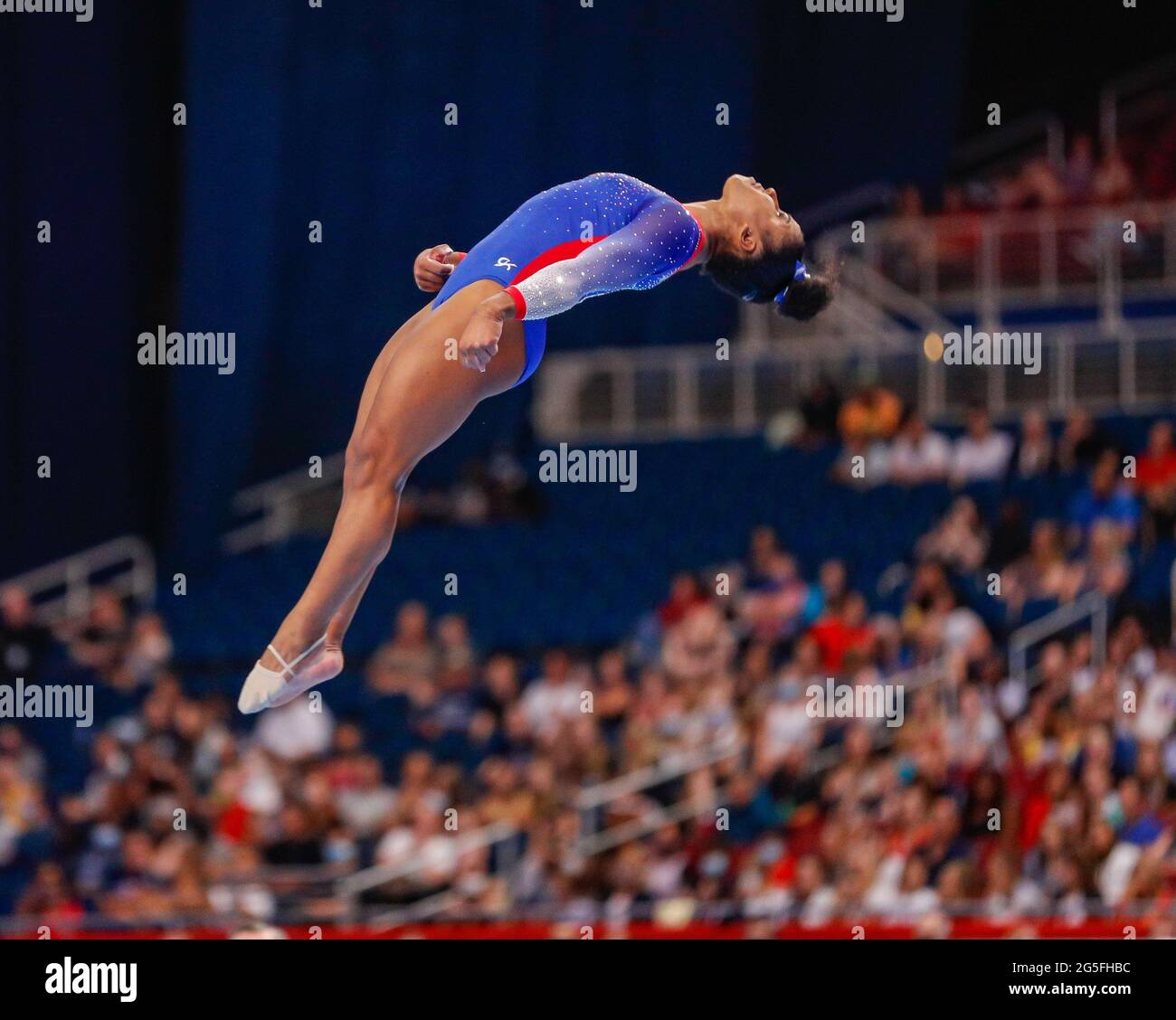
On August 5, 2024, the women’s individual floor exercise final marked the conclusion of the artistic gymnastics competition at the Paris Olympic Games. Jordan Chiles was the final gymnast in the competitive rotation. When her initial score was posted as 13.666, she sat in fifth place, behind Romania’s Ana Bărbosu and Sabrina Maneca-Voinea, who both held scores of 13.700 (with Bărbosu holding the tiebreaker due to a higher Execution score).
Immediately following the posting of the score, Chiles’ coach, Cécile Landi, submitted a verbal inquiry to the Superior Board regarding the technical evaluation of Chiles' Difficulty score (D-score). The inquiry specifically targeted the credit given for a complex leap element known as the Gogean. The technical committee reviewed the video footage, accepted the inquiry, and adjusted Chiles' D-score upward by 0.1 points—from 5.8 to 5.9. This adjustment brought her overall score to 13.766, moving her into the bronze medal position.
Days later, the situation escalated when the Romanian Gymnastics Federation appealed the inquiry to the Court of Arbitration for Sport (CAS). CAS determined that the verbal inquiry had been submitted 1 minute and 4 seconds after the score was posted—exceeding the strict 1-minute (60-second) deadline specified for the final competitor in the International Gymnastics Federation (FIG) Technical Regulations. Consequently, CAS ruled the inquiry invalid, restoring Chiles’ initial score of 13.666 and prompting the International Olympic Committee (IOC) to reallocate the bronze medal to Bărbosu.
The rapid sequence of score revisions, podium reassignments, and administrative appeals generated widespread misunderstandings among general spectators, media outlets, and casual gymnastics fans.
Understanding Gymnastics Scoring: D-Score vs. E-Score
To understand why the routine's scoring led to such prolonged debate, one must first grasp the dual-panel scoring structure introduced by the FIG in 2006, which replaced the traditional "perfect 10" system.
Total Score = Difficulty Score (D-Score) + Execution Score (E-Score) - Neutral Deductions
The Open-Ended Code of Points
Under the modern FIG Code of Points, a gymnast's total score comprises two independent metrics evaluated by separate panels of judges:
- Difficulty Score (D-Score): Evaluates the structural complexity of the routine. The D-panel calculates the values of the top eight highest-difficulty elements (including tumbling passes and dance skills), combined with connection values and composition requirements. The D-score has no maximum cap.
- Execution Score (E-Score): Evaluates the technical perfection, posture, balance, height, and artistic amplitude of the performance. The E-panel begins at a maximum baseline of 10.000 and subtracts tenths or fractions of a point for errors such as stepped landings, bent knees, flexed feet, or insufficient height.
Why Inquiries Are Only Allowed for Difficulty
A major point of public confusion during the Paris floor final was the scope of what can legally be appealed during a competition. Spectators frequently assume that an inquiry allows coaches to challenge any part of a gymnast's score. However, FIG rules strictly prohibit inquiries regarding the Execution score (E-Score).
- Execution judgments are subjective deductions: E-panel deductions represent discretionary visual assessments made by individual judges regarding artistic form and landing precision. They are non-appealable.
- Difficulty judgments are factual recognitions: D-panel evaluations assess whether specific technical elements were performed according to defined biomechanical criteria. Because D-scores depend on binary credit criteria (i.e., whether a skill was fully completed or under-rotated), they are open to formal administrative inquiry.
When Cécile Landi approached the inquiry desk, she was not asking judges to ignore form deductions or give Chiles extra points out of leniency. She was requesting a factual verification of whether a specific element in the routine satisfied the structural requirements for full D-score credit.

The Technical Element at the Center of the Inquiry: The Gogean
The core technical issue in Jordan Chiles’ routine involved a single dance element: the Gogean leap. Named after Romanian legend Gina Gogean, the skill is classified under group 1 (dance elements) in the FIG Code of Points.
- Split Leap Takeoff
- 1.5 Turns (540° Rotation in Air)
- Split Position Landed
Anatomy of a Gogean Split Leap
To successfully perform a Gogean on the floor exercise, a gymnast must fulfill two major criteria simultaneously:
- Achieve a clear 180-degree split angle in the air.
- Complete a full 1.5 turns (540 degrees of torso rotation) prior to landing.
In elite gymnastics, the Gogean carries a difficulty value of D (0.4 points). If the judges determine that the turn was incomplete upon landing, the element is downgraded to a Tour Jeté with half turn (C-value, 0.3 points) or lower, resulting in an immediate 0.1-point loss from the starting D-score.
Rotation Recognition and Credit Criteria
Determining whether a split leap with 540 degrees of rotation is complete requires precise visual verification:
| Technical Criteria | Full Credit (D-Value: 0.4) | Downgraded Credit (C-Value: 0.3) |
|---|---|---|
| Hips / Shoulders at Landing | Rotated fully to 540° before floor contact | Under-rotated by more than 45° upon landing |
| Split Angle | 180° separation in mid-air | Less than 180° separation (incurring E-deductions) |
| D-Score Impact | Preserves base D-score (e.g., 5.9) | Reduces base D-score by 0.1 (e.g., 5.8) |
During Chiles’ initial live evaluation, the D-panel judged her Gogean to be under-rotated, crediting it as a downgraded element and establishing her initial D-score at 5.8. Upon reviewing the close-up, high-speed camera footage requested during the inquiry, the technical committee agreed that the rotation was completed within allowed tolerances, restoring the missing 0.1 points to yield a 5.9 D-score.
The Inquiry Process: Rules, Timing, and Administrative Friction
The breakdown that ultimately stripped Chiles of her bronze medal was not technical or physical, but procedural. The sequence highlighted significant operational friction in how international sports bodies manage split-second appeals under strict technical regulations.
- Score Posted
- 60-Second Clock Begins
- Verbal Inquiry Filed
- Written Inquiry Form + Fee Submitted
FIG Regulations on Scoring Appeals
According to Section 8.5 of the FIG Technical Regulations:
- For most competitors, a coach has until the score of the following gymnast is displayed to lodge a verbal inquiry.
- For the last gymnast in a rotation, because no subsequent competitor exists, the coach has a shortened window: exactly 1 minute (60 seconds) from the moment the score is officially displayed on the arena scoreboard to file a verbal inquiry at the inquiry desk.
- A written confirmation form and a deposit fee (typically 300 Swiss Francs for a first inquiry) must subsequently be delivered within four minutes of the verbal inquiry.
The 4-Second Discrepancy and CAS Intervention
Because Chiles performed last, the 60-second window applied. Coach Cécile Landi submitted the verbal inquiry, which officials accepted on the floor, leading to the score revision.
However, when the Romanian Federation appealed to the Court of Arbitration for Sport, CAS reviewed the official timing logs provided by the timing provider (Omega). The logs recorded the verbal inquiry submission at 1 minute and 4 seconds after the score appeared on the display board—exceeding the allowed timeframe by four seconds.
Timeline of Events (August 5–10, 2024):
- 13.666 Score Posted
- Inquiry Logged by Officials (64 seconds elapsed)
- Score Raised to 13.766
- CAS Appeal by Romanian Federation
- CAS Rules Inquiry Invalid due to 4s Delay
- FIG/IOC Restore 13.666 & Reallocate Bronze
USA Gymnastics subsequently submitted video evidence to the Swiss Federal Tribunal and CAS showing Landi approaching the inquiry desk at 47 seconds and logging the inquiry verbally at 55 seconds, within the limit. However, CAS declined to reopen the arbitration decision based on procedural rules governing fresh evidence post-hearing, leaving the legal dispute focused on jurisdictional limits and official timing system accuracy.
Common Misconceptions Surrounding the Jordan Chiles Controversy
Public discourse around the routine often suffers from key misunderstandings regarding rules, roles, and administrative duties.
Misconception 1: "The Inquiry Was an Act of Unsportsmanlike Conduct"
- The Reality: Inquiries are an established, routine procedural tool in elite artistic gymnastics. Dozens of inquiries are submitted across major international events like the World Championships and Olympics.
- Filing an inquiry is a coach’s legal right under FIG rules when they believe a D-panel judge overlooked a connection or skill credit. Framing the inquiry as unfair ignores the standardized design of modern gymnastics regulations.
Misconception 2: "Judges Revised Execution Scores After the Fact"
- The Reality: Execution scores are fixed once published and cannot be modified via inquiry.
- The score change from 13.666 to 13.766 resulted exclusively from a 0.1 adjustment to the Difficulty score. Chiles’ Execution score (7.866) remained completely unchanged throughout the inquiry and appeal procedures.
Misconception 3: "The Athlete Controls the Inquiry Process"
- The Reality: Gymnasts have zero involvement in lodging inquiries.
- While an athlete rests or prepares after completing their routine, coaches must monitor the scoreboard, calculate difficulty values in real-time, decide whether an element was credited, move to the inquiry desk, and lodge the request within seconds. The athlete is entirely passive in this administrative sequence.
Misconception 4: "The Dispute Reflected Performance Errors Rather Than Systemic Failures"
- The Reality: The post-competition dispute was driven by timing mechanisms and procedural handoffs between floor judges, official timekeepers, and appellate bodies.
- Both Jordan Chiles and Ana Bărbosu executed their routines within the rules of the sport. The structural conflict arose from how official timing logs were kept and how late-entry submissions are handled when standard timing clocks are not visibly integrated into the arena display.
Comparative Breakdown: Scoring Dynamics and Appeal Outcomes
To understand how small scoring margins shape podium placements, the following table details the initial ratings, inquiry adjustments, and final official statuses for the podium contenders in the Paris 2024 floor exercise final.
| Gymnast | Country | Base D-Score | E-Score | Deductions | Initial Score | Post-Inquiry Score | Final Official Score | Official Medal Allocation |
|---|---|---|---|---|---|---|---|---|
| Rebeca Andrade | BRA | 5.9 | 8.266 | 0.000 | 14.166 | No Inquiry | 14.166 | Gold |
| Simone Biles | USA | 6.9 | 7.833 | -0.600 | 14.133 | No Inquiry | 14.133 | Silver |
| Ana Bărbosu | ROU | 5.8 | 7.900 | 0.000 | 13.700 | No Inquiry | 13.700 | Bronze |
| Sabrina Maneca-Voinea | ROU | 5.9 | 7.800 | 0.000 | 13.700* | Inquiry Denied | 13.700 | 4th Place |
| Jordan Chiles | USA | 5.8 (Initial) / 5.9 (Adjusted) | 7.866 | 0.000 | 13.666 | 13.766 | 13.666 (Restored by CAS) | 5th Place |
*Note: Sabrina Maneca-Voinea received an initial 0.1 neutral deduction for stepping out of bounds, which video replays showed may have been inaccurate; however, neutral deductions and execution marks could not be overturned under existing FIG appeal parameters.
Systemic Reforms and Lessons for International Gymnastics
The fallout from the Paris floor final highlighted several vulnerabilities in elite sports governance, sparking discussions across international federations regarding procedural modernization:
1. Automated and Visible Inquiry Clocks
During major competitions, coaches previously had to estimate the elapsed time from score display manually. Calls have intensified for the FIG to introduce a visible 60-second countdown clock on venue scoreboards for the final athlete, eliminating discrepancies between coach-recorded time and official data logs.
2. Standardized Video Evidence Protocols
The discrepancy between Omega's electronic log and external video evidence submitted by USA Gymnastics demonstrated the need for unified video capture standards. International sports organizations require synchronized, high-frame-rate video feeds with integrated timestamp overlays accessible immediately to appellate panels.
3. Dual-Medal Allocation Precedents
Historically, when administrative errors by sports governing bodies compromise athlete outcomes through no fault of the competitors (such as the 2002 Winter Olympics figure skating inquiry), federations have occasionally awarded duplicate medals. While the IOC opted against dual medals in this instance, sports ethics experts continue to advocate for administrative protection policies for affected athletes.
Frequently Asked Questions
Why wasn't Jordan Chiles allowed to keep her bronze medal?
The Court of Arbitration for Sport (CAS) ruled that the verbal inquiry filed by Chiles' coach occurred 1 minute and 4 seconds after her score was posted—4 seconds past the 60-second deadline set by FIG regulations for the final competitor. Because the inquiry was ruled invalid due to this delay, her score reverted to the original 13.666, placing her fifth and leading the IOC to reallocate the bronze medal to Ana Bărbosu.
What is a Gogean leap in gymnastics?
A Gogean is an advanced dance element on floor exercise consisting of a split leap takeoff followed by a 1.5-turn (540-degree) rotation in mid-air. To earn full D-value credit (0.4 points), the gymnast must complete the full rotation before landing while maintaining a 180-degree split position.
Can gymnastics coaches challenge any score on any event?
No. FIG rules state that coaches can only submit inquiries regarding the Difficulty score (D-Score). Execution scores (E-Score), which cover form, artistry, and landing deductions, are non-appealable.
Why is there a shorter inquiry time limit for the last gymnast?
For most gymnasts in a rotation, inquiries must be lodged before the score of the following gymnast is displayed. Because there is no subsequent gymnast for the final competitor in a rotation, FIG regulations mandate a fixed 60-second time limit from the moment the score appears on the venue display screen.
Did Jordan Chiles commit any rules violations during her performance?
No. Jordan Chiles performed her routine completely within the rules of the sport. The legal disputes and score adjustments involved timing and administrative procedures between coaches, panel judges, timekeepers, and international governing bodies.
What is the difference between the D-panel and E-panel in judging?
The D-panel (Difficulty) calculates the base value of the routine by adding up element values, connection bonuses, and skill requirements. The E-panel (Execution) evaluates how well the routine was performed, starting at a perfect 10.000 and subtracting points for technical flaws, steps, or form errors.
Practical Takeaways for Following Elite Gymnastics Appeals
Understanding scoring decisions during major international competitions requires viewing them through the official regulatory frameworks that govern the sport:
- Verify the Appeal Type: Determine whether a contested score involves a D-score element recognition issue (appealable) or an E-score form evaluation (non-appealable).
- Consult Official Regulations: Refer directly to the FIG Code of Points and Technical Regulations to verify submission deadlines, fee requirements, and rotation timing limits.
- Distinguish Athlete Execution from Administrative Rulings: Operational delays, log errors, and tribunal decisions reflect institutional procedures rather than an athlete's physical execution or sportsmanship on the floor.
Image Gallery
Select an image to open it in a new tab.



Mateo Castillo
Decentralized Finance and E-Payments Strategist
