To eliminate odor permanently, you must remove the physical source, neutralize the remaining volatile organic compounds (VOCs) at a molecular level, and control ambient moisture. Masking smells with artificial fragrances only conceals the problem temporarily. Effective odor removal requires targeted mechanical cleaning, proper ventilation, chemical breakdown using enzymes or oxidizing agents, and strict humidity management.
The Chemistry of Odor: Masking vs. Neutralizing vs. Removing
Odors occur when volatile organic compounds (VOCs), gases, or microscopic particulate matter evaporate into the air and bind to olfactory receptors in the human nose. These compounds originate from organic decay, bacterial respiration, chemical off-gassing, combustion residues, or fungal spores. Successfully addressing persistent smells requires understanding the distinction between three primary approaches: masking, neutralizing, and removing.
- Odor Source
- Volatile Molecules
- Masking (Cover)
- Neutralizing (Destroy)
- Removal (Extract)
- Volatile Molecules
Masking Agents
Air fresheners, scented candles, and aerosol sprays do not alter the chemical structure of odor-causing molecules. Instead, they flood the environment with stronger, pleasant aromatics to overload olfactory receptors. Once the fragrance dissipates, the underlying odor remains intact. Furthermore, synthetic fragrances often add additional VOCs to indoor air, reducing overall air quality.
Neutralizing Agents
True odor neutralizers react chemically with odor molecules to change their molecular structure, rendering them odorless. Common neutralization mechanisms include:
- Acid-Base Reactions: Neutralizing alkaline compounds like ammonia with mild acids, or acidic compounds like butyric acid (vomit/rancid butter) with weak bases.
- Enzymatic Hydrolysis: Utilizing specific enzymes to break down complex organic polymers (proteins, lipids, carbohydrates) into odorless bio-products.
- Oxidation: Using reactive oxygen species or chlorine compounds to break the chemical bonds of complex organic molecules.
- Adsorption: Trapping gaseous molecules within the microscopic pores of high-surface-area materials like activated carbon.
Source Removal
Source removal is the physical extraction or destruction of the material generating volatile gases. No air purifier, spray, or chemical treatment can permanently fix an odor issue if the decaying matter, active mold colony, or pet waste remains embedded within building materials, fabrics, or HVAC systems.
Step 1: Locating and Physically Extracting the Source
Before applying chemical treatments or running filtration equipment, you must identify and remove the root cause. Skipping this phase guarantees that volatile molecules will continue entering the environment.
Identifying Hidden Odor Sources
Some odor sources are obvious, but persistent smells often originate from concealed areas:
- Behind Walls and Under Flooring: Leaking pipes or roof failures can saturate insulation and subflooring, promoting fungal colonies (Stachybotrys chartarum, Aspergillus) or decaying animal matter. Moisture meters and thermal imaging cameras help locate hidden dampness.
- HVAC Ducts and Coils: Air handlers can harbor bacterial biofilms ("dirty sock syndrome") on evaporator coils or accumulate pet dander and organic debris in ductwork.
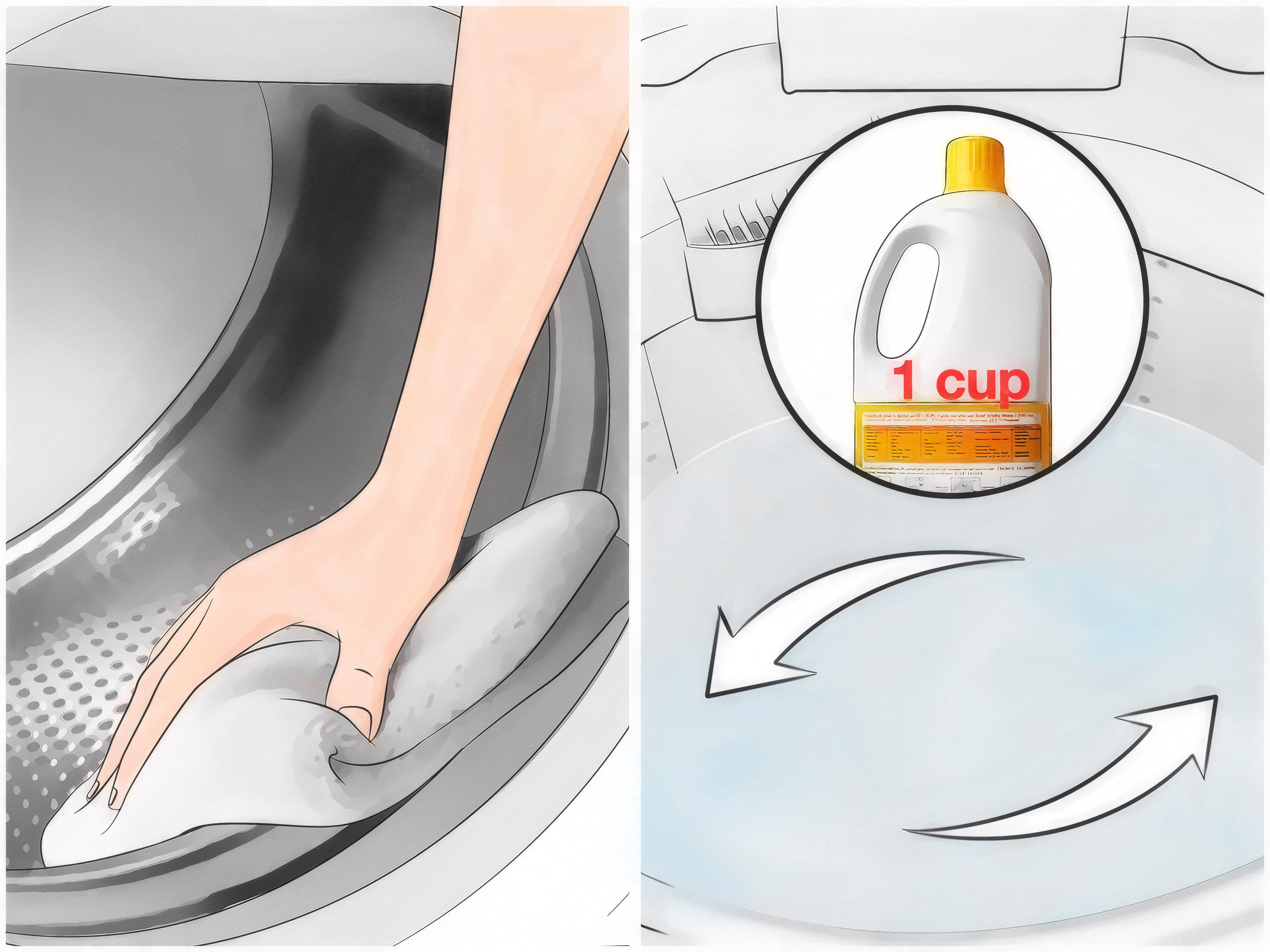
- Appliance Drain Pans and Gaskets: Refrigerators, dishwashers, and washing machines collect organic residue in standing water pans and rubber door seals, fostering anaerobic bacterial growth.
- Subfloor Urine Saturation: Pet urine penetrates carpet backings and soaks deep into plywood or concrete subfloors, where uric acid crystals remain dormant until reactivated by humidity.
Mechanical Extraction Techniques
Once identified, the physical material must be thoroughly removed:
- Porous Materials: Items like ceiling tiles, degraded insulation, and un-washable cushions that have absorbed organic fluids or mold must generally be discarded and replaced.
- Subfloor Preparation: Unsaturable hard surfaces must be scraped, sanded, or pressure-washed. In severe cases (such as long-term pet damage or smoke restoration), subfloors must be cleaned, dried, and coated with a dedicated odor-blocking shellac or oil-based primer to encapsulate residual molecules.
- HEPA Vacuuming: Standard vacuum cleaners exhaust fine particulate back into the room. High-Efficiency Particulate Air (HEPA) vacuums, certified to capture 99.97% of particles down to 0.3 microns under U.S. DOE Standard DOE-STD-3020-2015, prevent micro-particles and fungal spores from recirculating.

Step 2: Atmospheric Remediation and Air Exchange
After removing the physical source, airborne volatile molecules and settling residues remain suspended in the indoor environment. Atmospheric remediation relies on physical removal through ventilation and high-efficiency gas-phase filtration.
- Incoming Air
- Pre-Filter (Dust/Hair)
- HEPA Filter (Spores/Pollen)
- Activated Carbon (VOCs/Gases)
- Clean Air
High-Volume Air Exchange
Dilution is one of the most effective methods for reducing indoor gas concentrations. Open windows on opposite sides of a structure to create cross-ventilation. To accelerate the process, place high-CFM (cubic feet per minute) axial or centrifugal air movers facing outward in windows to pull contaminated air out while drawing fresh air in through secondary openings.
HEPA and Activated Carbon Filtration
Standard particle filters do not capture airborne gases or VOC molecules. True atmospheric remediation requires a multi-stage filtration strategy:
- HEPA Stage: Captures airborne dust, smoke particulates, mold spores, and dander.
- Activated Carbon Stage: Carbon filters remove gaseous odors through adsorption. The carbon is treated with oxygen to open up millions of microscopic pores between carbon atoms, creating a surface area of 500 to 1,500 m² per gram. Gaseous molecules stick to the carbon's internal structure.
- Carbon Pellet Volume: Effective odor remediation requires purifiers containing substantial amounts of activated carbon (typically 5 to 25 pounds of pelletized carbon). Thin, carbon-impregnated fabric filters saturate within days and offer minimal protection against persistent odors.
Step 3: Surface-Specific Odor Neutralization
Different surfaces require distinct chemical interventions to avoid structural damage while ensuring deep molecular neutralization.
- Surface Type
- Porous (Carpet/Fabric)
- Enzymatic / Gas-Phase Neutralizers
- Non-Porous (Tile/Hardwood)
- Alkaline Detergents / Oxidizing Agents
- Porous (Carpet/Fabric)
Porous Materials (Carpets, Upholstery, Mattresses)
Porous substrates absorb fluids rapidly through capillary action, carrying odor compounds deep into padding and underlying layers.
- Enzymatic Breakdown: For biological stains (urine, feces, sweat, blood, milk), apply an enzymatic cleaner heavily enough to reach the same depth as the original spill. Enzymes such as protease (breaks down proteins), lipase (breaks down fats), and amylase (breaks down starches) digest the organic substrate. Allow the solution to remain wet for several hours—or up to 24 hours under a damp towel—to remain biologically active.
- Hot Water Extraction: Use a commercial carpet extractor with a dedicated rinsing solution to flush out both the digested bio-matter and the cleaner residue. Avoid applying high heat (above 160°F / 71°C) to protein-based stains prior to enzyme treatment, as heat can denature proteins and permanently set them into fibers.
Hard, Non-Porous Surfaces (Tile, Grout, Sealed Hardwood, Metals)
While non-porous surfaces prevent deep liquid penetration, grout lines, unsealed joints, and surface films easily harbor odors.
- Alkaline Degreasing: Kitchen grease and soot carry strong smoke and food odors. Apply a warm, alkaline detergent solution (pH 9 to 11) to emulsify lipids and break down acidic residues.
- Grout and Concrete Remediation: Grout and raw concrete are highly porous. For stubborn pet urine or mold in tile grout, apply a hydrogen peroxide-based penetrating cleaner or a bio-enzymatic grout treatment. Avoid unbuffered strong acids (like muriatic acid) indoors, as they can erode grout matrix and release toxic fumes.
Fabrics and Washable Textiles
- Sodium Bicarbonate Pre-Soak: Washable garments with embedded body odor, mildew smells, or smoke should be pre-soaked in warm water mixed with 1 cup of sodium baking soda per gallon of water. Baking soda acts as a mild alkali to balance acidic fatty acids found in body oils.
- Oxygen Bleach Application: Add sodium percarbonate (oxygen bleach) to the wash cycle. When dissolved in water, sodium percarbonate releases hydrogen peroxide and soda ash, which oxidize organic odor compounds without damaging colorfast fabrics.
- Avoid Fabric Softeners: Liquid fabric softeners and dryer sheets coat fibers in a hydrophobic silicone layer. This layer traps bacteria and odor-causing body oils inside synthetic fabrics (such as polyester athletic wear). Use white distilled vinegar (5% acetic acid) in the rinse cup instead to strip detergent build-up and soften fabrics naturally.
Science-Backed Chemical Agents: Comparative Analysis
Choosing the correct chemical agent depends entirely on the chemical composition of the targeted odor. The table below compares standard odor-neutralizing agents, their mechanisms of action, target odors, and safety considerations.
| Chemical Agent | Target Odor Types | Primary Mechanism | Recommended Use Case | Safety & Handling Considerations |
|---|---|---|---|---|
| Enzyme Cleaners | Pet urine, feces, sweat, blood, milk, food waste | Biological breakdown (hydrolysis of organic compounds) | Deep carpet saturation, grout, porous fabrics | Non-toxic; requires moisture and time to work; degraded by extreme heat or strong disinfectants. |
| Sodium Bicarbonate (Baking Soda) | Volatile organic acids (butyric acid, sour milk, body odor) | Acid-base neutralization; mild physical adsorption | Dry surface dusting, laundry pre-soak, carpet deodorization | Safe; low reactivity; ineffective against alkaline odors like ammonia. |
| Acetic Acid (Distilled White Vinegar) | Alkaline compounds (ammonia, trimethylamine from fish) | Acid-base neutralization; detergent film stripping | Laundry rinse additive, hard surface wiping | Mild acid; can etch unsealed natural stone (marble, limestone) over time. |
| Hydrogen Peroxide (3%–10% Concentration) | Mold/mildew smells, organic stains, sulfur compounds | Chemical oxidation (releases oxygen free radicals) | Tile grout, hard surfaces, color-safe fabric bleaching | May bleach sensitive dyes at higher concentrations; store in dark containers. |
| Activated Carbon | Airborne VOCs, smoke, chemical off-gassing, pet smells | Physical adsorption into microscopic pore network | High-volume air purifiers, duct filters, enclosed spaces | Completely safe; non-reactive; requires physical replacement once saturation capacity is reached. |
| Chlorine Dioxide (Gas or Aqueous) | Severe tobacco smoke, biohazard cleanup, decay odors | Potent chemical oxidation (destroys cell walls/aromatic rings) | Professional structural restoration, vehicle detailing | Toxic gas; requires proper PPE, strict concentration limits, and ventilation during application. |
| Hydroxyl Generators | Structural fire smoke, widespread VOCs, mold spores | Free radical oxidation via atmospheric hydroxyl radicals ($\text{OH}^-$) | Occupied structural restoration, commercial building cleanup | Safe for occupied spaces when operated within manufacturer specifications. |
Advanced Oxidation Protocols for Extreme Odors
When standard cleaning methods fail to eliminate pervasive odors—such as severe tobacco smoke saturation, biological decomposition, or major fire damage—professional restoration technicians deploy advanced gaseous oxidation protocols.
- Advanced Oxidation
- Hydroxyl Generators (Occupied Spaces)
- Continuous action
- Safe for humans/pets
- Uses ambient UV + moisture
- Ozone Generators (Unoccupied ONLY)
- Rapid shock treatment
- Destructive to rubber/plastics
- Requires full clearance protocol
- Hydroxyl Generators (Occupied Spaces)
Hydroxyl Radical Treatment
Hydroxyl generators use ultraviolet (UV) light optics combined with ambient humidity to generate hydroxyl radicals ($\text{OH}^-$). These short-lived molecules are powerful oxidizers that break down organic and chemical gases rapidly upon contact.
- Safety Advantage: Unlike ozone, hydroxyl processes operated within standard parameters are generally safe for occupied spaces, human skin, indoor plants, and sensitive materials like rubber or electronics.
- Optimal Environment: Hydroxyl generation requires ambient relative humidity of at least 50% to yield maximum radical output.
Ozone Shock Treatment (Cautions and Guidelines)
Ozone ($\text{O}_3$) is an unstable gas and potent oxidizing agent that destroys organic molecules, bacteria, and airborne spores. However, its use is strictly regulated due to significant health risks.
According to the U.S. Environmental Protection Agency (EPA) Guidelines on Ozone Generators, ozone concentrations that are safe to breathe are ineffective at controlling indoor air odors. Consequently, ozone must only be applied as an unoccupied shock treatment:
- Evacuation: All humans, animals, and living plants must be completely removed from the treatment area.
- Sealing the Space: HVAC systems must be isolated, and exterior doors/windows sealed to prevent gas leakage into adjacent occupied units.
- Material Protection: Natural rubber, certain plastics, soft vinyl, and foam backings deteriorate under high ozone exposure. These materials should be removed or sealed off before treatment.
- Off-gassing and Decay: Ozone has a half-life of roughly 20 to 30 minutes. After the generator turns off, the space must remain unoccupied for at least 2 hours to allow $\text{O}_3$ to revert to safe oxygen ($\text{O}_2$) levels, followed by thorough high-volume ventilation.
Preventing Recurrent Odors: Moisture Control and Maintenance
Permanent odor control requires establishing an indoor environment where microbial decay and chemical off-gassing cannot thrive. Ambient humidity and poor ventilation are the primary drivers of recurring household smells.
Controlling Relative Humidity (RH)
Microorganisms—including mold, mildew, and anaerobic bacteria—require moisture to metabolize nutrients and release volatile organic compounds.
- Maintain Target RH: Keep indoor relative humidity strictly between 30% and 50%. According to the Centers for Disease Control and Prevention (CDC) Mold Control Guidelines, relative humidity levels consistently above 50% create ideal conditions for mold germination and dust mite propagation.
- Dehumidification: Install dedicated whole-home dehumidifiers connected to continuous drains, or use portable compressor dehumidifiers in high-moisture areas like basements and crawl spaces.
- Sensors: Place digital hygrometers in moisture-prone zones to monitor real-time RH levels.
- 0% – 30%: Too Dry
- 30% – 50%: OPTIMAL ZONE (No odor growth)
- 50% – 100%: Mold Growth Risk (High VOC release)
Building Maintenance and Ventilation Standards
- Exhaust Fan Calibration: Ensure kitchen range hoods exhaust externally rather than recirculating. Bathroom exhaust fans should meet ASHRAE Standard 62.2 specifications, delivering a minimum airflow of 50 CFM for intermittent operation or 20 CFM for continuous operation to remove moisture and odors at the source.
- HVAC Maintenance: Replace standard MERV 1–4 furnace filters with MERV 8 to MERV 13 pleated filters to capture micro-particulates before they collect on damp air conditioning evaporator coils. Clean condensate drain lines annually with a warm water flush or dedicated pan tablets to prevent clogs and biological sludge.
- Encapsulation of Crawl Spaces: Unsealed dirt crawl spaces transfer ground moisture into living spaces via the stack effect. Installing a minimum 12-mil reinforced vapor barrier over ground soil, sealing foundation vents, and adding conditioned air or a dedicated dehumidifier stops musty soil odors from migrating upward into the home.
Frequently Asked Questions
Why do odors return after using air fresheners or ozone sprays?
Air fresheners and aerosol sprays mask odors using volatile fragrances without altering the physical source. Ozone sprays or light treatments may clear ambient air temporarily, but if the physical source (such as pet urine in subflooring or mold behind drywall) is not removed, it will continuously emit volatile organic compounds back into the room.
How do I remove persistent pet urine smells from hardwood floors?
Pet urine contains uric acid crystals that are insoluble in standard water and detergent solutions. First, clean the surface dirt with a neutral-pH cleaner. Next, apply a specialized bio-enzymatic cleaner rated for hard surfaces and leave it damp under plastic wrap to allow the enzymes to break down the uric acid crystals. If the urine has turned the wood black, the wood fibers have suffered a chemical reaction with the ammonia; the finish must be sanded down, treated with oxalic acid to lighten the stain, sealed, and refinished.
Are ozone generators safe to run inside a home?
No, ozone generators should never be operated in occupied spaces. Ozone ($\text{O}_3$) is a potent lung irritant that damages respiratory tissue, exacerbates asthma, and degrades materials like rubber and foam. Ozone shock treatments should only be performed in completely unoccupied spaces with all humans, pets, and plants removed, followed by a mandatory decay period and thorough ventilation before re-entry.
What is the difference between activated charcoal and regular baking soda for absorbing odors?
Baking soda (sodium bicarbonate) neutralizes smells primarily through chemical reactions with acidic molecules. Activated charcoal (carbon) works through physical adsorption. Activated carbon undergoes a high-temperature processing treatment that creates millions of microscopic pores, giving it a vastly larger surface area (up to 1,500 square meters per gram). This makes activated carbon far more effective than baking soda at capturing a broad range of airborne gases, chemical fumes, and VOCs over extended periods.
Can vinegar permanently remove mold smells?
Distilled white vinegar (containing 5% acetic acid) can kill certain household mold species on non-porous surfaces and neutralize alkaline odors. However, it cannot penetrate deeply into porous materials like drywall or wood subfloors to destroy root-like mold hyphae. For long-term mold odor elimination, locate and fix the water source, remove unsalvageable porous materials, and treat remaining surfaces with dedicated EPA-registered fungicides while maintaining low indoor humidity.
Practical Action Plan for Odor Elimination
To address any stubborn household or ambient odor effectively, execute the following steps in sequence:
- Inspect & Extract: Locate the physical source using visual inspection, moisture meters, or UV flashlights (for biological fluids). Strip away un-cleanable porous substrates and clean hard surfaces thoroughly.
- Neutralize Target Surfaces: Select the chemically appropriate neutralizing agent—enzymatic cleaners for bio-fluids, mild acids for alkaline residues, or oxygen oxidizers for smoke—and allow adequate dwelling time.
- Clear the Atmosphere: Set up high-volume ventilation or run high-capacity air purifiers fitted with heavy, pelletized activated carbon filters and certified HEPA filters.
- Control Indoor Climate: Lower relative humidity to between 30% and 50% using dehumidifiers to halt microbial growth and prevent dormant odor compounds from reactivating.
Image Gallery
Select an image to open it in a new tab.

Omar Farooq
EdTech Innovation and Virtual Pedagogy Journalist
