Honey Badgers and Human Aggression: Behavior, Conflict, and Coexistence

Honey badgers, scientifically known as Mellivora capensis, possess a legendary reputation for ferocity, fearlessness, and relentless tenacity when confronted with danger. While popular culture often exaggerates their invulnerability, their natural behavioral profile includes a well-documented propensity to defend themselves aggressively against much larger adversaries, including humans. Understanding the dynamics of honey badger and human aggression requires examining the biological drivers of their defense mechanisms, the real-world contexts in which conflicts occur, and the practical safety measures necessary to prevent dangerous encounters in regions where humans and wildlife overlap.
Behavioral Biology and the Roots of Honey Badger Aggression
To understand why honey badgers display such intense aggression when interacting with humans, one must examine their evolutionary adaptations. As members of the Mustelidae family—which also includes ferrets, otters, and wolverines—honey badgers are built for survival in harsh environments across Africa, the Middle East, and the Indian subcontinent. Their physiological traits dictate a defensive strategy that relies on intimidation and aggressive counter-attacks rather than flight.
Physical Adaptations Supporting Defensive Aggression
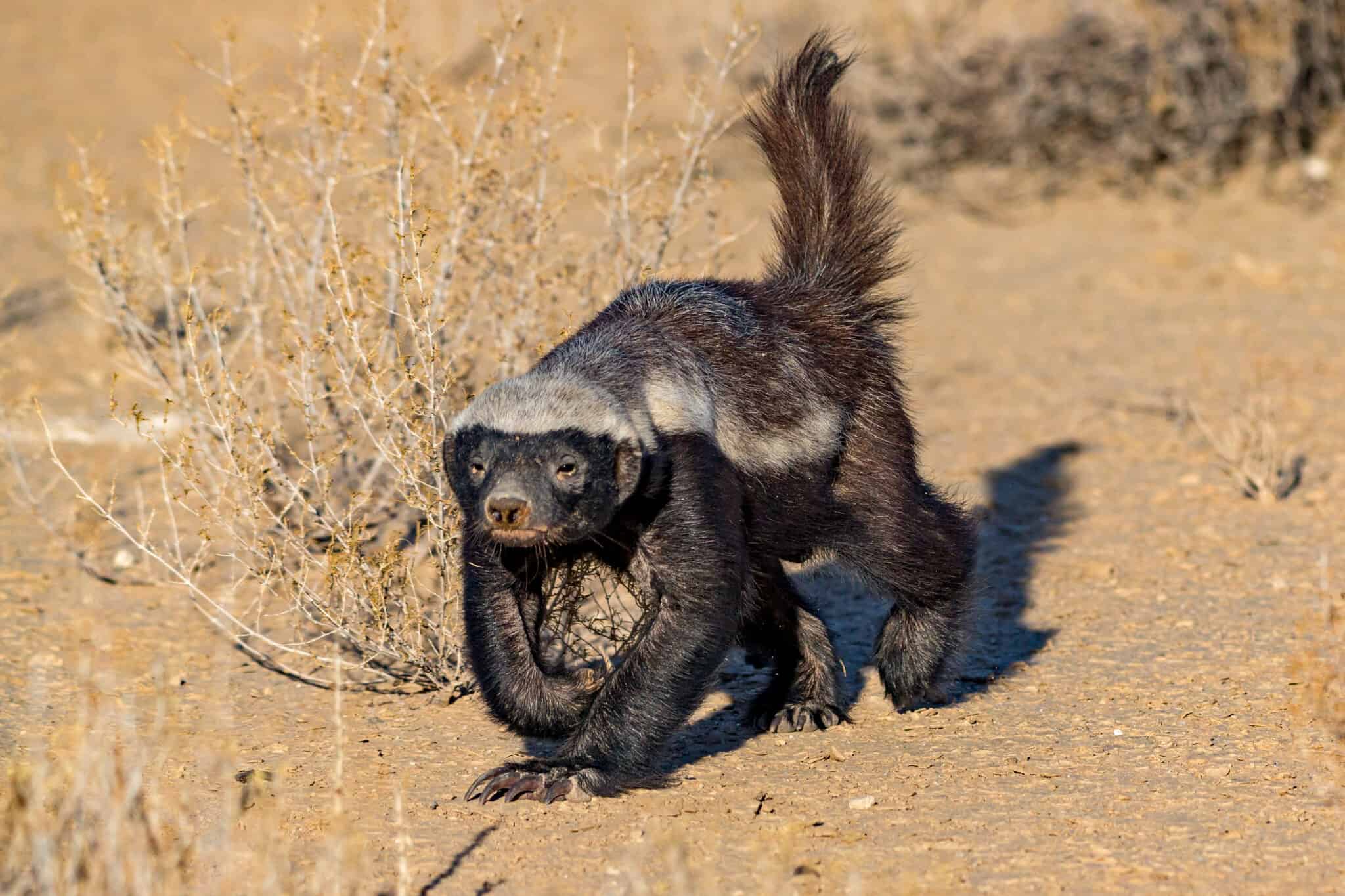
The anatomy of the honey badger is uniquely tailored to withstand counter-attacks from predators and perceived threats. Their skin is exceptionally thick, loose, and rubbery, particularly around the neck and shoulders. This adaptation allows the animal to twist inside its own skin and bite an attacker even when grasped by a larger predator or cornered by a human handler.
Furthermore, honey badgers are equipped with powerful, specialized claws that can reach up to 40 millimeters in length. These claws are designed for rapid excavation of burrows and tearing into hard-packed earth or rotting logs in search of prey such as rodents, reptiles, and invertebrates. When deployed in self-defense, these claws and their formidable teeth can inflict severe lacerations. Additionally, honey badgers possess anal glands that can release a foul-smelling, suffocating secretion—similar to that of a skunk—which serves to deter pursuers during high-stress encounters.
Psychological and Behavioral Triggers
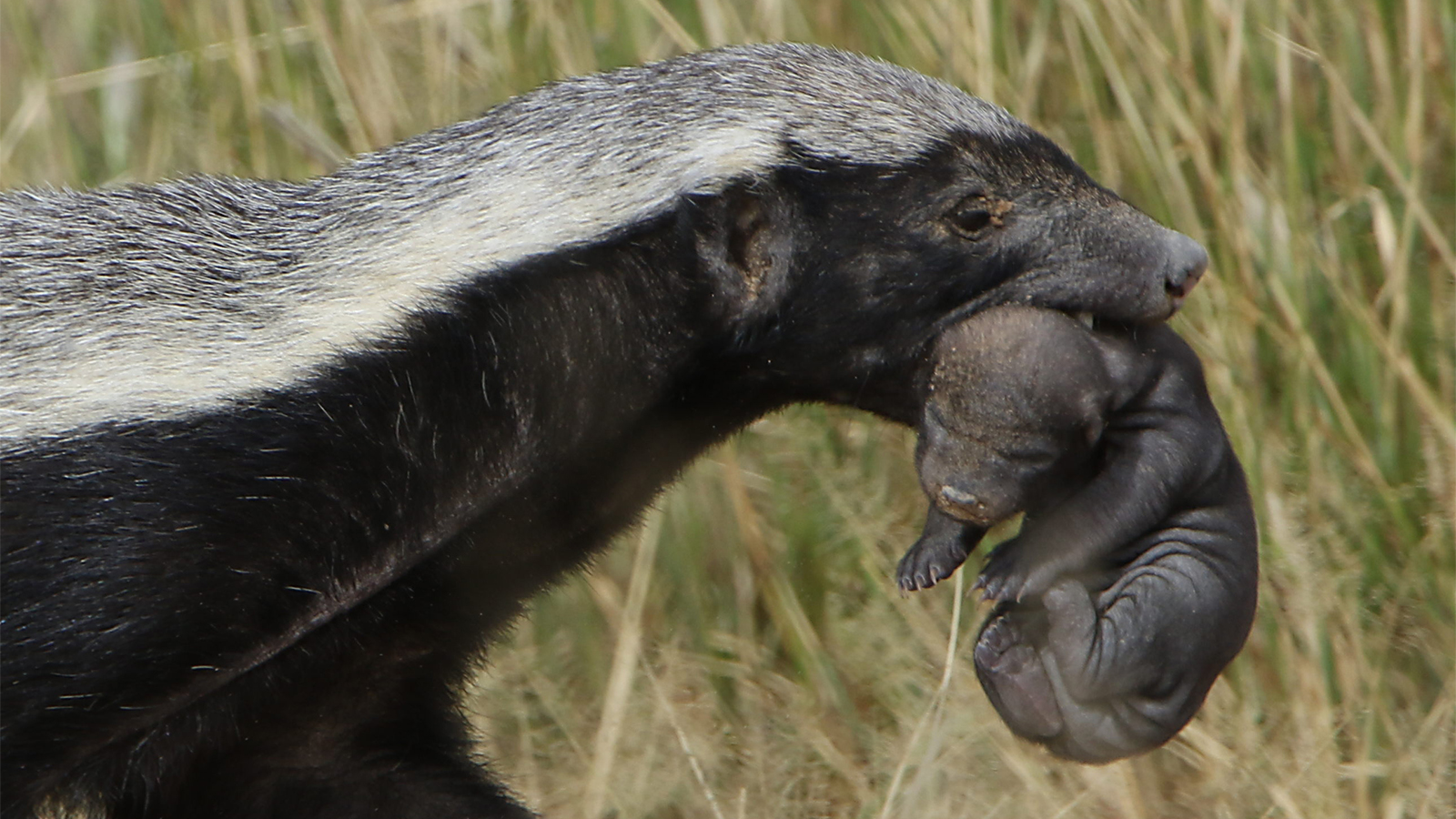
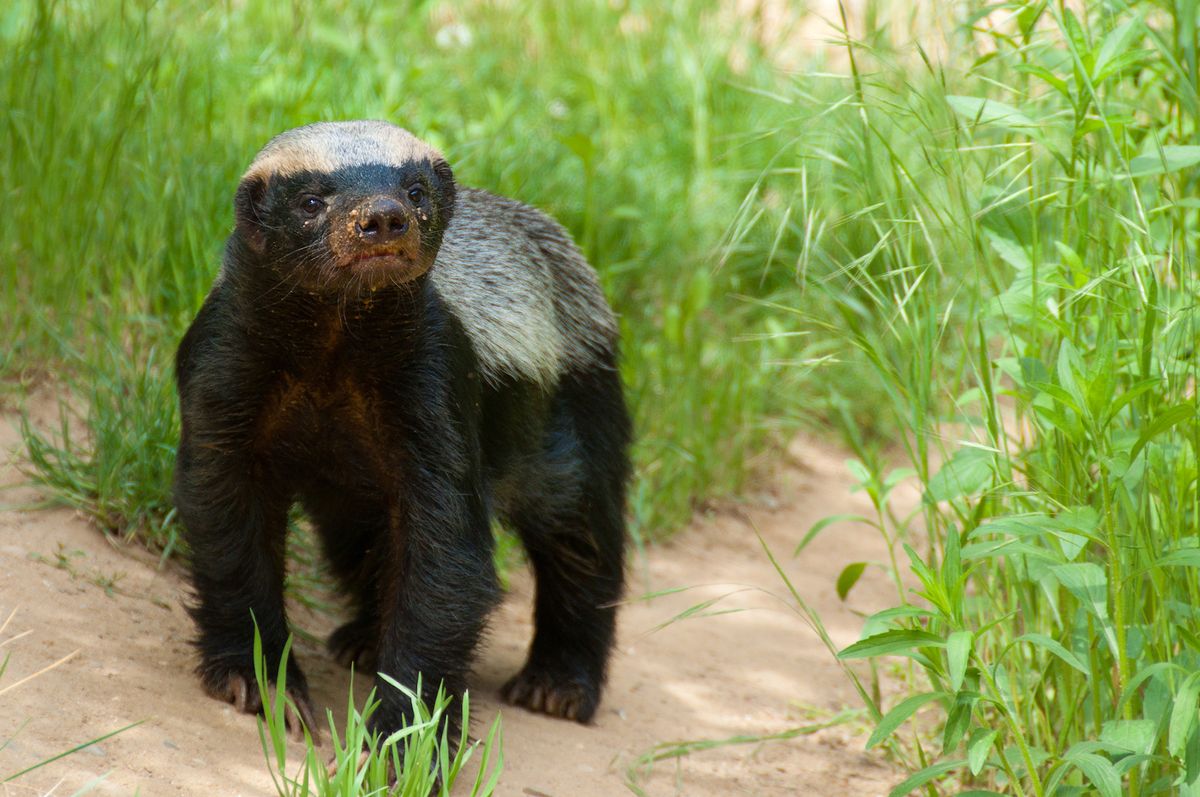
In the wild, honey badgers are primarily solitary, opportunistic foragers with large home ranges. Their default behavioral stance is cautious avoidance unless they are cornered, protecting their young, or defending a food source. However, their high metabolic rate and aggressive foraging style mean they maintain a low threshold for perceived threats.
When a human encroaches upon a honey badger’s personal space, cuts off its escape route, or attempts to handle it, the animal typically shifts rapidly through a graduated behavioral response:
- Vocalization: Emitting a characteristic rattling growl or high-pitched screech to signal extreme agitation.
- Posturing: Puffing out fur and arching the back to appear larger and more formidable.
- Offensive Charge: Launching a direct, aggressive counter-charge aimed at the legs, ankles, or hands of the perceived threat.
Unlike animals that flee when startled, the honey badger’s evolutionary success relies on making the cost of attacking it too high for any predator, leading to a persistent myth that they are perpetually enraged or immune to pain.
Real-World Contexts of Human-Honey Badger Conflict
Direct confrontations between humans and honey badgers rarely stem from unprovoked predation. Instead, human-wildlife conflict typically occurs within specific ecological and agricultural interfaces. As human populations expand and agricultural frontiers push into native habitats, the frequency of these high-tension encounters increases.
Agricultural Interference and Livestock Depredation
The most common catalyst for lethal encounters between humans and honey badgers involves agriculture. Honey badgers are notorious among rural farmers and apiarists due to their dietary habits. They are exceptional climbers and diggers, making it difficult to secure chicken coops, rabbit hutches, and beehives.
- Apiculture Conflicts: Honey badgers are intensely attracted to honey and bee brood. In many parts of sub-Saharan Africa, traditional and modern beehives are frequently targeted. When farmers attempt to protect their hives or catch the animals in the act, honey badgers often stand their ground rather than retreat, escalating the situation into a violent confrontation.
- Small Livestock Predation: While livestock makes up a minor portion of their natural diet compared to insects and small vertebrates, honey badgers occasionally target poultry, lambs, and small goats. Farmers seeking to protect their livelihood may corner or trap the animals, prompting severe defensive aggression from the trapped mustelid.
Encounters Involving Domestic Pets and Working Dogs
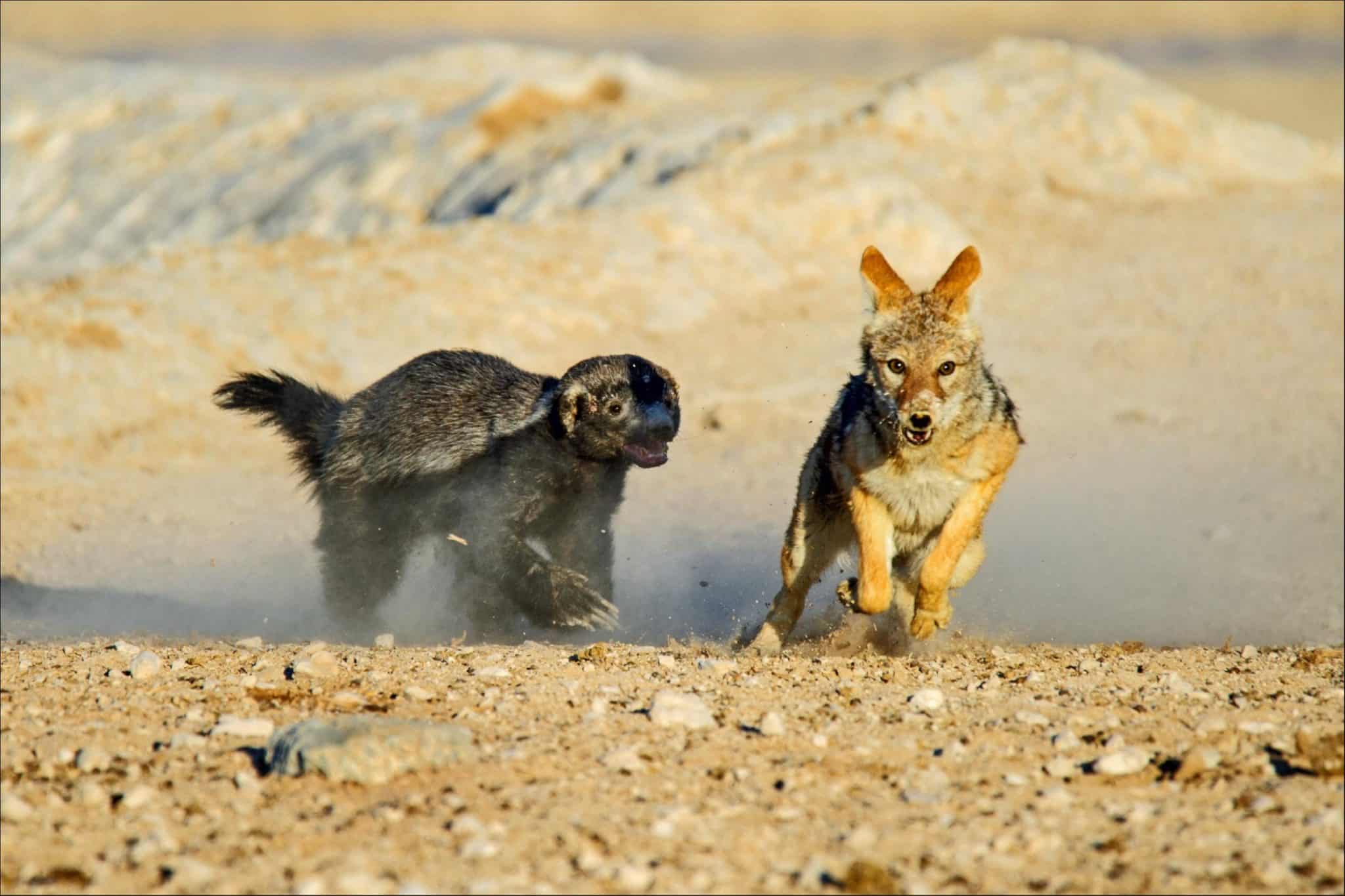
Another frequent trigger for aggressive interactions involves domestic dogs. Canines patrolling rural homesteads or accompanying humans into bush environments often chase or corner honey badgers. Due to their formidable defensive capabilities, honey badgers rarely back down from domestic dogs.
These encounters frequently end poorly for both parties. Unprotected dogs can suffer severe facial lacerations, puncture wounds, and bite infections from the badger's powerful jaws. In response, human owners often intervene with sticks, farm implements, or firearms to rescue their dogs, placing themselves directly in the path of a cornered, highly aggressive animal defending its life.
Direct Human Encroachment and Accidental Cornering
Accidental close-range encounters also occur when humans unknowingly step into or near a honey badger's daytime resting burrow. Honey badgers often utilize abandoned burrows dug by aardvarks, warthogs, or porcupines, or excavate their own systems beneath rocky outcrops and dense thickets.
If a field worker, hiker, or camper accidentally blocks the entrance to an occupied burrow or steps directly onto a resting animal, the honey badger's startle reflex triggers an immediate, aggressive defense. Because the animal feels trapped with no clear escape route, it directs its aggression toward the nearest moving target—usually the human's lower limbs.
| Conflict Context | Primary Cause | Typical Badger Reaction | Recommended Human Response |
|---|---|---|---|
| Apiary Protection | Foraging for honey and brood | Defending the food source; refusing to flee | Install elevated hive stands and specialized metal aprons |
| Domestic Dog Chases | Territorial defense or predation | Counter-attacking the pursuing canine | Restrain pets; do not engage the badger directly |
| Burrow Intrusion | Accidental blocking of resting sites | Immediate defensive charge due to feeling cornered | Back away slowly; provide a clear escape route |
| Agricultural Predation | Accessing poultry or small livestock | Standing ground when cornered or trapped | Use secure, reinforced wire fencing and secure enclosures |
Mitigating Risks and Ensuring Safe Coexistence
Managing the risks associated with honey badger aggression requires a combination of proactive environmental management, secure agricultural infrastructure, and behavioral awareness. Because honey badgers are protected species in certain jurisdictions and play a crucial role in controlling rodent and insect populations, lethal control is discouraged by conservation authorities in favor of non-lethal deterrents.
Structural Deterrents and Farm Management
Preventing conflict before it begins is the most effective strategy for avoiding aggressive encounters. Farmers and rural residents can implement several structural safeguards:
- Hive Protection: Suspending beehives from strong wire ropes or securing them on smooth, metal poles prevents honey badgers from climbing up to access the honey. Surrounding apiaries with electric fencing powered by high-voltage energizers is also highly effective.
- Enclosure Hardening: Poultry coops and small livestock pens should be constructed with buried wire mesh that extends outward horizontally beneath the soil. This prevents honey badgers from digging underneath perimeter walls.
- Waste Management: Securing organic waste and pet food prevents habituation, reducing the likelihood that honey badgers will frequent human settlements looking for easy meals.
Safety Protocols During Field Encounters
For individuals working or recreating in regions where honey badgers are native, maintaining situational awareness is vital. If a person encounters a honey badger in the wild, adhering to specific safety guidelines minimizes the risk of injury:
- Maintain Distance: Always give the animal a wide berth. If a honey badger is spotted foraging, observe it from a safe distance and avoid approaching it for photography or interaction.
- Provide an Escape Route: Never corner a honey badger against a wall, fence, or inside a confined space. Ensuring the animal has an unobstructed path to flee encourages it to run away rather than attack.
- Keep Pets Leashed: When walking dogs in rural or semi-wilderness areas, keep them under close control to prevent them from flushing out or provoking wildlife.
- Do Not Attempt Handling: Injured or trapped honey badgers must never be handled without professional training and specialized heavy-duty rescue equipment, such as squeeze cages and bite-resistant protective gear. Local wildlife authorities or specialized conservation organizations should be contacted to manage distressed animals.
Frequently Asked Questions
Are honey badgers naturally aggressive toward humans without provocation?
No. In the wild, honey badgers prefer to avoid human contact and will flee if given an open escape route. Aggression toward humans is almost exclusively defensive, triggered when the animal is cornered, startled, defending its young, or protecting a food source.
Can a honey badger kill a human?
While honey badgers are exceptionally fierce and possess powerful jaws and sharp claws, human fatalities are extraordinarily rare. Their attacks generally target the lower limbs, ankles, and hands. However, severe bite wounds can lead to deep tissue damage, significant blood loss, and dangerous secondary bacterial infections if left untreated.
How do honey badgers react to domestic dogs?
Honey badgers do not intimidate easily and will frequently stand their ground or actively counter-attack domestic dogs. Because of their loose skin and aggressive fighting style, they can inflict severe injuries on canines, which often prompts human owners to intervene and place themselves at risk.
What is the best way to protect beehives from honey badgers?
The most reliable methods include hanging hives from sturdy cables out of reach, installing smooth metal sheet barriers around hive supports to prevent climbing, and deploying low-cost, solar-powered electric fences around apiary perimeters.
Are honey badgers protected by wildlife laws?
Legal status varies by region and country. In many parts of their range across Africa and Asia, they are protected under conservation statutes, making it illegal to capture, poison, or kill them without explicit permits from wildlife management authorities. Non-lethal mitigation is heavily emphasized by conservationists.
Conclusion and Next Actions
Human-honey badger conflicts highlight the challenges of sharing landscapes with resilient, highly adapted wildlife. While their aggressive reputation is frequently exaggerated in popular media, honey badgers possess formidable physical defenses that demand respect and caution. Residents in rural areas, farmers, and outdoor enthusiasts should prioritize non-lethal deterrents, secure agricultural infrastructure, and safe observation distances to minimize friction. If persistent conflicts arise or injured animals require intervention, local wildlife conservation agencies or professional animal handlers should be contacted immediately to ensure the safety of both humans and wildlife.
Image Gallery
Select an image to open it in a new tab.


Mateo Castillo
Decentralized Finance and E-Payments Strategist
