Navigating Life Insurance Options After Military Service

Transitioning from military service to civilian life requires careful financial planning, and evaluating your life insurance needs is one of the most critical steps in protecting your family's future. When you leave active duty, you lose automatic access to Servicemembers’ Group Life Insurance (SGLI), making it essential to understand how to convert, replace, or supplement your coverage through civilian or specialized veteran programs to maintain continuous financial security.
Servicemembers leaving active duty face a major shift in how their life insurance is structured. While SGLI provides robust, low-cost coverage during military service, it terminates 120 days after separation for most members. To bridge this gap without undergoing medical underwriting, veterans can utilize the Veterans’ Group Life Insurance (VGLI) program, convert their SGLI policy into a commercial permanent policy with a participating private insurer, or shop the open market for individual term or whole life policies. Balancing cost, term length, and medical eligibility ensures that your dependents remain protected against unforeseen financial hardship.
Understanding the Shift from Military to Civilian Life Insurance
Military service provides a unique safety net when it comes to financial planning. While on active duty, service members are automatically enrolled in Servicemembers’ Group Life Insurance (SGLI), a program designed to provide high-limit coverage at economical group rates without requiring extensive medical underwriting. However, the transition to civilian life fundamentally alters this landscape. Understanding the mechanics of this transition prevents dangerous gaps in coverage that could leave loved ones financially vulnerable.
The termination of SGLI is not immediate upon your date of separation, but it is absolute. The Department of Veterans Affairs (VA) provides a 120-day extension of free SGLI coverage following active-duty discharge. This grace period gives transitioning veterans a vital window to evaluate their long-term financial obligations, calculate their income replacement needs, and secure permanent or long-term civilian coverage. Failing to act within this window can result in higher premium rates later in life or complete uninsurability if health conditions develop after discharge.
Furthermore, civilian life insurance operates under entirely different criteria than military coverage. Private insurers evaluate individual risk profiles based on personal health history, family medical background, occupation, lifestyle habits, and age. Navigating these options successfully requires a comprehensive inventory of your financial liabilities, including mortgages, vehicle loans, children's education costs, and ongoing living expenses for your spouse or dependents.
Evaluating Veterans’ Group Life Insurance (VGLI)
For many veterans, the most immediate and accessible option after military service is Veterans’ Group Life Insurance (VGLI). Administered by the VA, VGLI allows transitioning service members to convert their SGLI coverage into renewable term life insurance without providing proof of good health, provided they apply within a specific timeframe after discharge.
Eligibility and Enrollment Windows
To qualify for VGLI without answering health questions, you must apply within one year and 120 days of leaving the military. If you apply within the first 240 days following separation, you can secure VGLI coverage regardless of your health status. If you apply between 241 days and one year and 120 days post-separation, you will need to submit evidence of good health. The maximum amount of VGLI coverage you can carry is equal to the amount of SGLI you had active when you separated, up to the current statutory maximum of $500,000.
Financial Structure and Premium Rates
Unlike term life insurance policies that lock in level premiums for 10, 20, or 30 years, VGLI premiums increase every five years as you age. While VGLI is initially affordable for younger veterans, the cost escalates significantly as you enter your 50s, 60s, and beyond. This structural difference makes VGLI an excellent short-term safety net or a permanent solution for veterans with health conditions that would make private insurance prohibitively expensive or impossible to obtain, but it may become cost-prohibitive for healthy veterans seeking long-term coverage.

Exploring Private Market Term and Permanent Life Insurance
While VGLI offers convenience and guaranteed acceptance during the initial post-service window, private market life insurance often provides superior long-term financial value for healthy veterans. Shopping the open market allows you to compare quotes from multiple carriers, select specialized riders, and lock in level premiums for decades.
Term Life Insurance
Term life insurance provides pure death-benefit protection for a specified period, such as 10, 20, or 30 years. For young families, term insurance is typically the most cost-effective way to secure high coverage amounts that match major financial liabilities, such as a 30-year mortgage or the years until children finish college. Once the term expires, coverage ceases unless renewed at significantly higher annual rates, or converted to a permanent policy if the contract includes a conversion rider.
Whole and Universal Life Insurance (Permanent Insurance)
Permanent life insurance options, including whole life and universal life, provide lifelong coverage combined with a cash value component that grows on a tax-deferred basis. While premiums are substantially higher than term insurance, permanent policies can serve as an estate-planning tool or an accumulation vehicle. Veterans considering permanent insurance should carefully evaluate the fee structures, cash value growth projections, and long-term financial commitments required to maintain the policy.
Comparing Military and Civilian Life Insurance Options
| Feature | Servicemembers’ Group Life Insurance (SGLI) | Veterans’ Group Life Insurance (VGLI) | Private Term Life Insurance | Private Permanent Life Insurance |
|---|---|---|---|---|
| Eligibility | Active duty, Ready Reserve, National Guard | Separating service members within application window | General public based on underwriting | General public based on underwriting |
| Medical Exam | None required | None (if applied for within 240 days of separation) | Usually required (or accelerated underwriting) | Required |
| Premium Structure | Flat rate regardless of age | Increases every 5 years with age | Level premiums locked for 10–30 years | Fixed permanent premiums with cash value |
| Maximum Coverage | Up to $500,000 | Up to $500,000 (capped at active SGLI amount) | Varies by insurer and financial underwriting | Varies by insurer and financial underwriting |
| Duration | Active service + 120 days post-separation | Renewable for life (term structure) | Specific term length (e.g., 20 years) | Lifelong coverage |
Converting SGLI to Commercial Policies
In addition to VGLI, departing service members have the right to convert their SGLI coverage into a commercial permanent life insurance policy with any participating insurance company. This option is outlined in military separation paperwork and allows veterans to secure cash-value life insurance without undergoing medical underwriting.
To exercise this conversion option, you must apply and pay the first premium within 120 days of your separation date. A key advantage of conversion is that participating companies cannot deny you coverage or charge higher rates based on service-connected disabilities or health conditions developed during military service. However, conversion policies are typically restricted to permanent insurance products like whole life, which feature higher premiums than term insurance. Veterans should request a list of participating commercial insurers from their branch of service personnel office before discharge to evaluate these proprietary conversion offers against standard open-market term policies.
Key Factors to Consider When Selecting Coverage
Selecting the right life insurance policy after military service requires balancing current family needs, long-term financial trajectories, and health status. Evaluating specific quantitative and qualitative metrics ensures that you do not overpay for unneeded coverage or leave critical gaps in your family's financial defense.
Calculating Your Coverage Needs
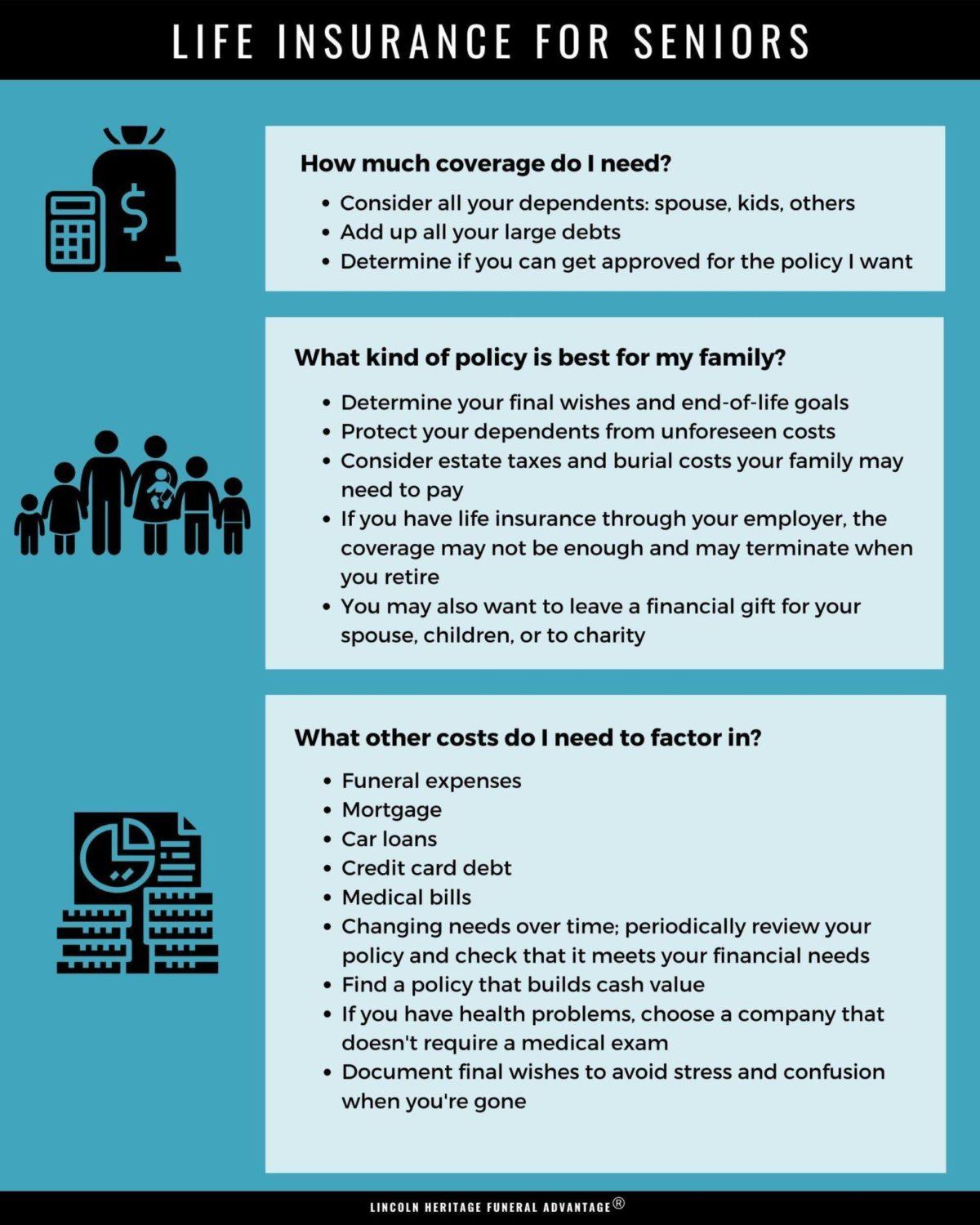
A common rule of thumb in financial planning is to secure coverage equal to 10 to 12 times your annual income, but a comprehensive needs analysis provides a much more accurate target. Consider the following components when calculating your required death benefit:
- Income Replacement: The number of years your family would need financial support in your absence.
- Debt Obligations: Remaining mortgage balances, car loans, credit cards, and personal loans.
- Future Education Costs: Projected tuition expenses for children or a surviving spouse.
- Final Expenses: Funeral, burial, and associated administrative costs.
- Existing Assets: Savings, investments, and survivor benefits such as the VA Dependency and Indemnity Compensation (DIC) if applicable.
Health Status and Underwriting
Your physical health at the time of separation heavily dictates your market options. If you leave the military with clean bill of health, shopping the private market for a 20- or 30-year term policy will almost certainly yield lower premiums than VGLI over the life of the policy. Conversely, if you sustained injuries or developed chronic health conditions during your service, guaranteed-acceptance options like VGLI or SGLI commercial conversion protect you from being penalized or denied coverage by private commercial underwriters.
Common Mistakes to Avoid During the Transition
Transitioning out of the military involves juggling employment changes, relocation, and healthcare enrollment through the Department of Veterans Affairs. Amidst this complexity, veterans frequently make critical missteps regarding their life insurance policies.
- Missing the 120-Day Window: Letting the SGLI extension lapse without securing VGLI or a private policy leaves dependents completely unprotected. Mark your separation timeline and initiate applications well before your discharge date.
- Overlooking VGLI Rate Escalation: Choosing VGLI without planning for the sharp premium increases that occur every five years can lead to unaffordable coverage costs when you reach retirement age.
- Failing to Shop the Private Market: Assuming that VGLI is automatically the cheapest or best option without comparing private term quotes often results in paying higher rates than necessary for healthy individuals.
- Neglecting Beneficiary Updates: Forgetting to update your beneficiaries after transitioning to a civilian policy can result in payouts going to unintended parties or causing legal disputes during probate.
Frequently Asked Questions
What happens to my SGLI when I leave the military?
Your SGLI coverage remains active for 120 days following your official date of separation from active duty or the reserves. After this 120-day window expires, the policy terminates automatically unless you have converted or replaced it with VGLI or a civilian policy.
Can I get VGLI if I have service-connected disabilities?
Yes. One of the primary benefits of VGLI is that you can enroll without providing evidence of good health, provided you apply within 240 days of your military separation. Your service-connected disabilities will not affect your acceptance or initial premium rate.
Is VGLI cheaper than private term life insurance?
Initially, VGLI is often competitively priced for younger veterans. However, because VGLI premiums increase every five years based on your age, it typically becomes much more expensive than a level-premium private term life insurance policy as you move into your 40s, 50s, and beyond.
Can I convert my SGLI directly into a private term life policy?
No. The SGLI conversion privilege specifically applies to participating commercial permanent insurance policies, such as whole life or universal life. If you want a private term life insurance policy, you must apply through standard commercial underwriting rather than using the conversion privilege.
What is the maximum amount of VGLI coverage available?
The maximum amount of VGLI coverage you can obtain is capped at the amount of SGLI coverage you held at the time of your separation, up to the statutory maximum limit established by the VA, which is currently $500,000.
Next Actions for Transitioning Veterans
Begin your life insurance evaluation at least six months before your anticipated military separation date. Request your current SGLI documentation, calculate your family's long-term financial liabilities, and obtain independent quotes from private insurers while comparing them against VGLI rate schedules. Consulting with an independent financial advisor or a Veterans Service Organization (VSO) can help you navigate the complexities of military transition benefits and secure optimal protection for your loved ones.
Image Gallery
Select an image to open it in a new tab.


Ingrid Bjornson
Global Cyber Policy and Regulation Analyst
