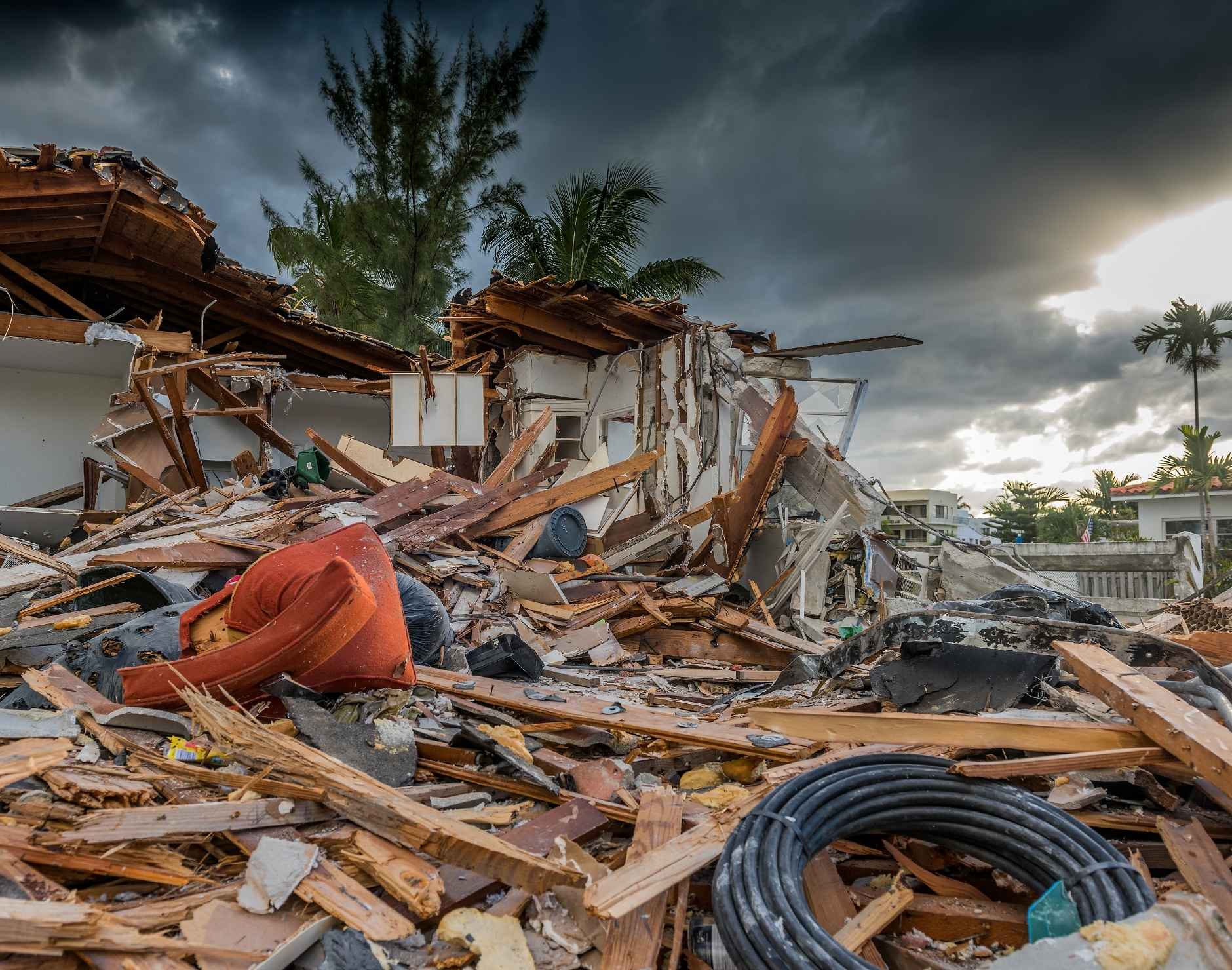
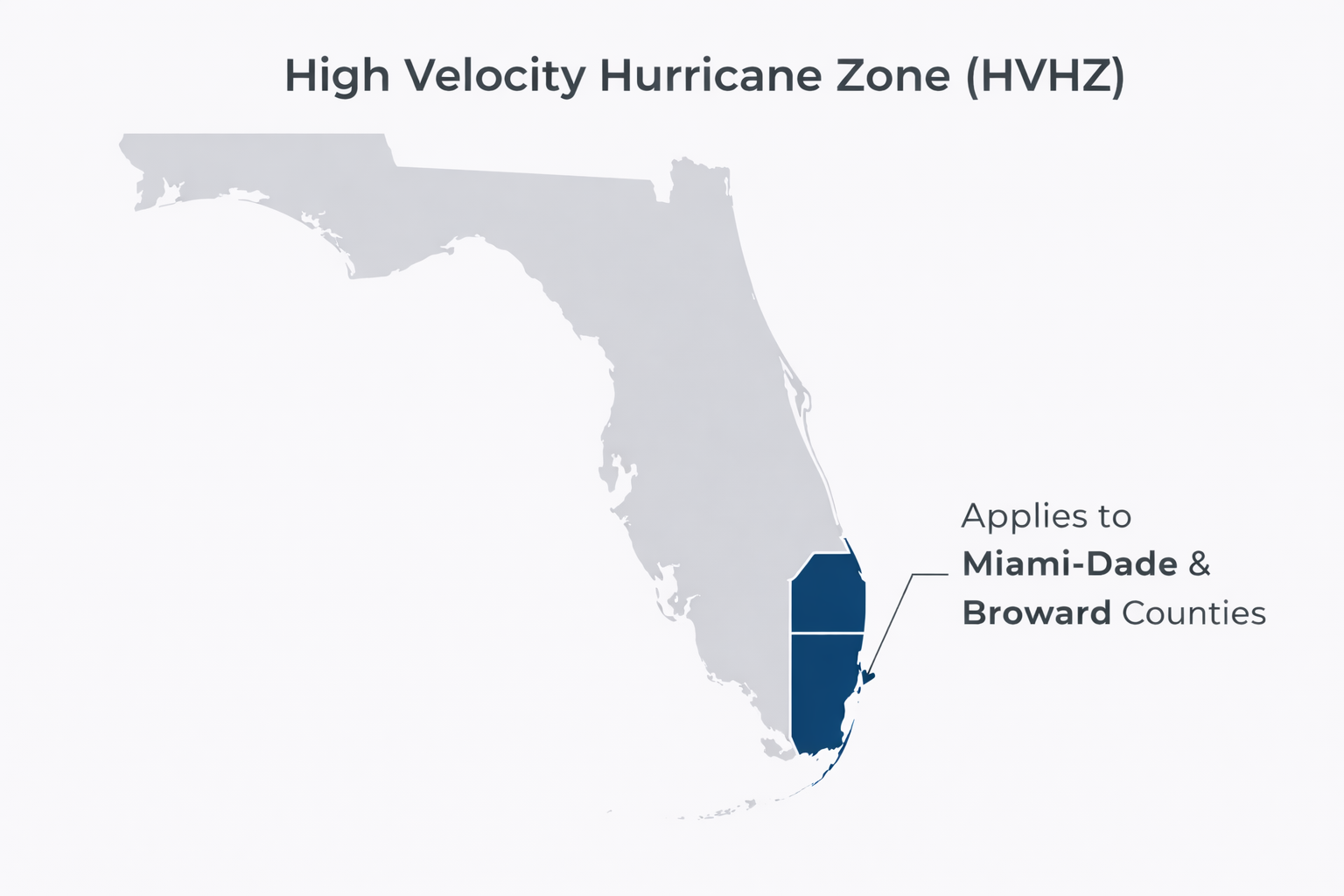
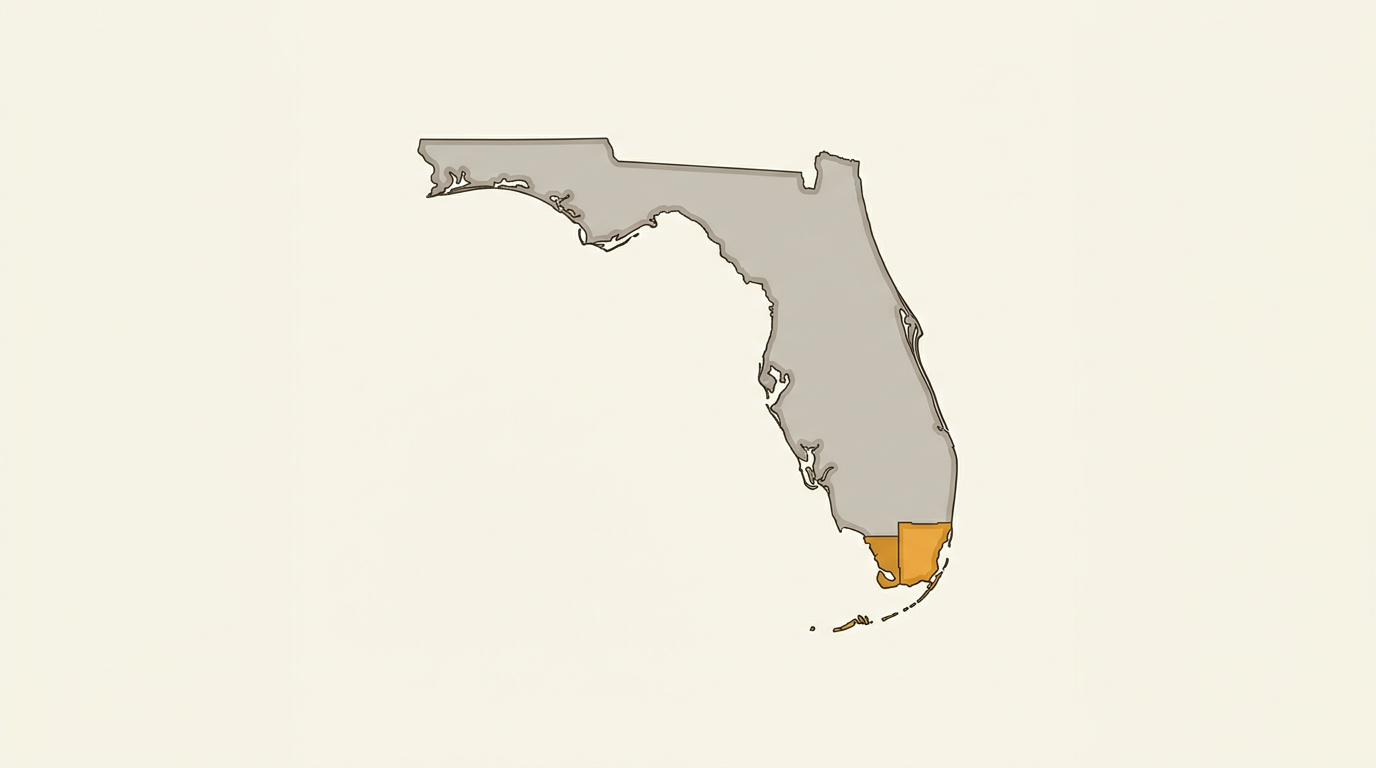
The HVHZ in Florida refers to the High-Velocity Hurricane Zone, a specialized regulatory designation covering Miami-Dade and Broward counties. It enforces the strictest building codes in the United States to protect structures from catastrophic wind loads, flying debris, and intense pressure drops during major tropical weather events.
Defining the High-Velocity Hurricane Zone (HVHZ)
The High-Velocity Hurricane Zone represents the most stringent tier of building regulations within the Florida Building Code (FBC). Established in response to the devastating structural failures caused by Hurricane Andrew in 1992, the HVHZ framework was created to overhaul how buildings are engineered, permitted, and inspected in South Florida. While the entire state of Florida adheres to high wind-resistant standards compared to inland states, the HVHZ applies a distinct, highly rigorous set of protocols to Miami-Dade and Broward counties due to their extreme vulnerability to landfalling major hurricanes.
Understanding the HVHZ requires looking beyond standard construction methods. Buildings within this zone must be engineered to withstand sustained winds that often exceed 160 to 170 miles per hour, depending on the specific risk category of the structure. The regulatory framework does not merely focus on keeping a roof intact; it encompasses a holistic approach to building envelope protection, structural load paths, foundation anchoring, and missile impact resistance. Every component—from the concrete block walls to the smallest fastener—must be certified to perform under extreme environmental stress.
Geographic Boundaries and Jurisdiction
Legally, the HVHZ is strictly confined to two southern Florida counties: Miami-Dade County and Broward County. Although neighboring counties such as Monroe, Palm Beach, and Collier experience severe tropical storms and hurricanes, they fall outside the statutory definition of the HVHZ. Instead, those surrounding areas follow standard high-wind design criteria outlined in the Florida Building Code, which are rigorous but lack the specific product approval mandates and administrative oversight unique to Miami-Dade and Broward.
This geographic distinction carries profound implications for real estate development, manufacturing, and construction logistics. For example, a window manufacturer cannot sell a standard high-wind window designed for Palm Beach County and install it in Fort Lauderdale (Broward County) without specific HVHZ-level testing and documentation. The local municipal building departments within Miami-Dade and Broward enforce these boundaries strictly, requiring specialized plan reviews and inspections conducted by certified code compliance professionals.

Origins and Evolution: The Lessons of Hurricane Andrew
On August 24, 1992, Hurricane Andrew struck South Florida as a Category 5 storm, exposing widespread systemic failures in construction practices, building material quality, and code enforcement. Investigations revealed that substandard construction, poor nailing patterns, inadequate roof tie-downs, and fragile glass windows contributed to billions of dollars in structural damage. Entire neighborhoods were leveled, not necessarily because the wind speeds were unprecedented, but because the building envelopes failed, allowing internal pressurization to blow roofs off and collapse interior walls.
In response, the Florida legislature and local engineering task forces radically transformed local building standards, giving birth to the South Florida Building Code, which eventually integrated into the statewide Florida Building Code. The HVHZ was codified to institutionalize these lessons. It shifted the philosophy of construction from merely keeping a building upright to maintaining an unbroken building envelope. If the envelope remains sealed, internal pressure stabilization prevents structural implosion, drastically reducing total building losses during severe weather events.
Core Engineering Requirements Within the HVHZ
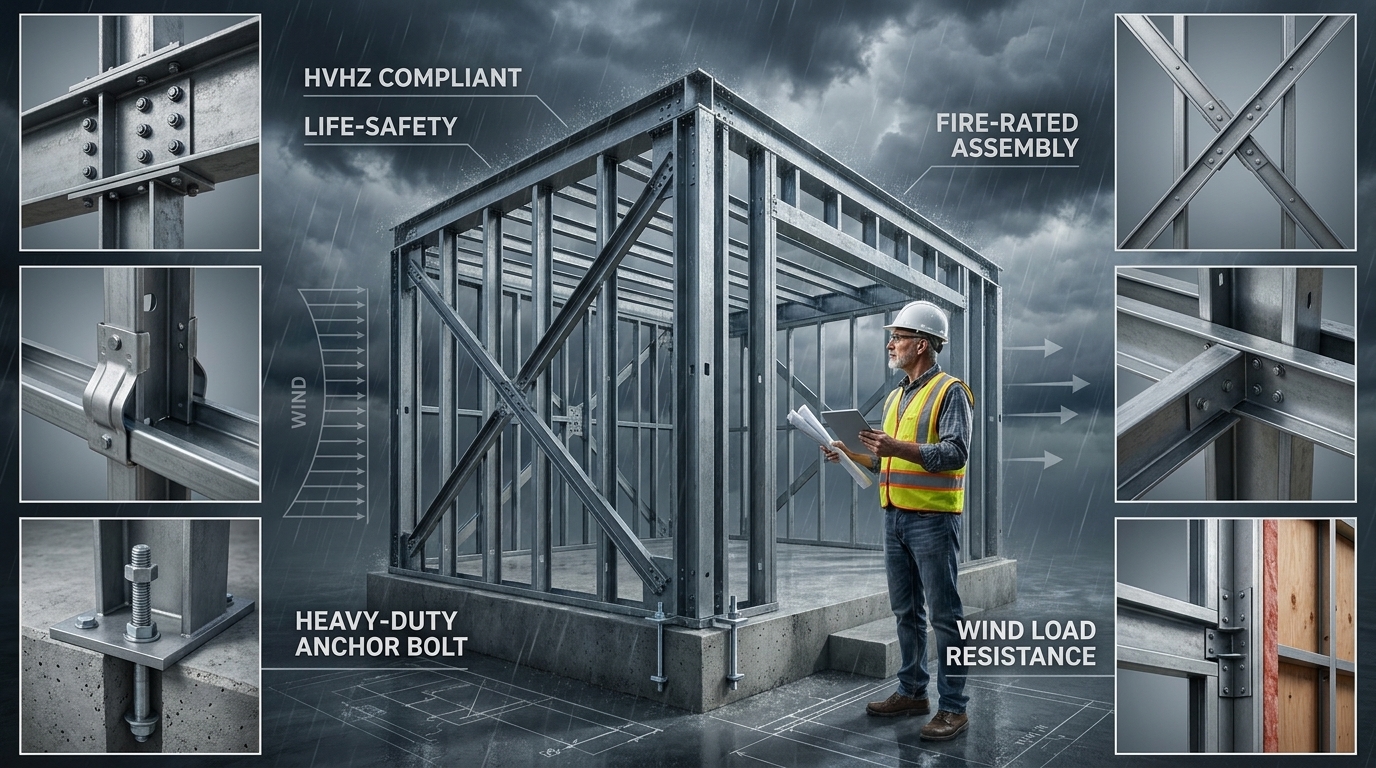
Engineering a structure to survive within the HVHZ involves several interconnected design principles. The primary objective is establishing a continuous load path that transfers forces from the roof, down through the walls and framing, and securely into the foundation.
1. The Building Envelope and Wind Pressure Resistance
The building envelope includes all exterior elements: roofs, walls, doors, windows, and skylights. In the HVHZ, components must resist both positive pressures (pushing inward against the structure) and negative pressures (suction pulling outward, particularly on roofs and corners). Calculations must account for localized wind turbulence, building height, and surrounding terrain exposure categories.
2. Missile Impact Resistance and Fenestration
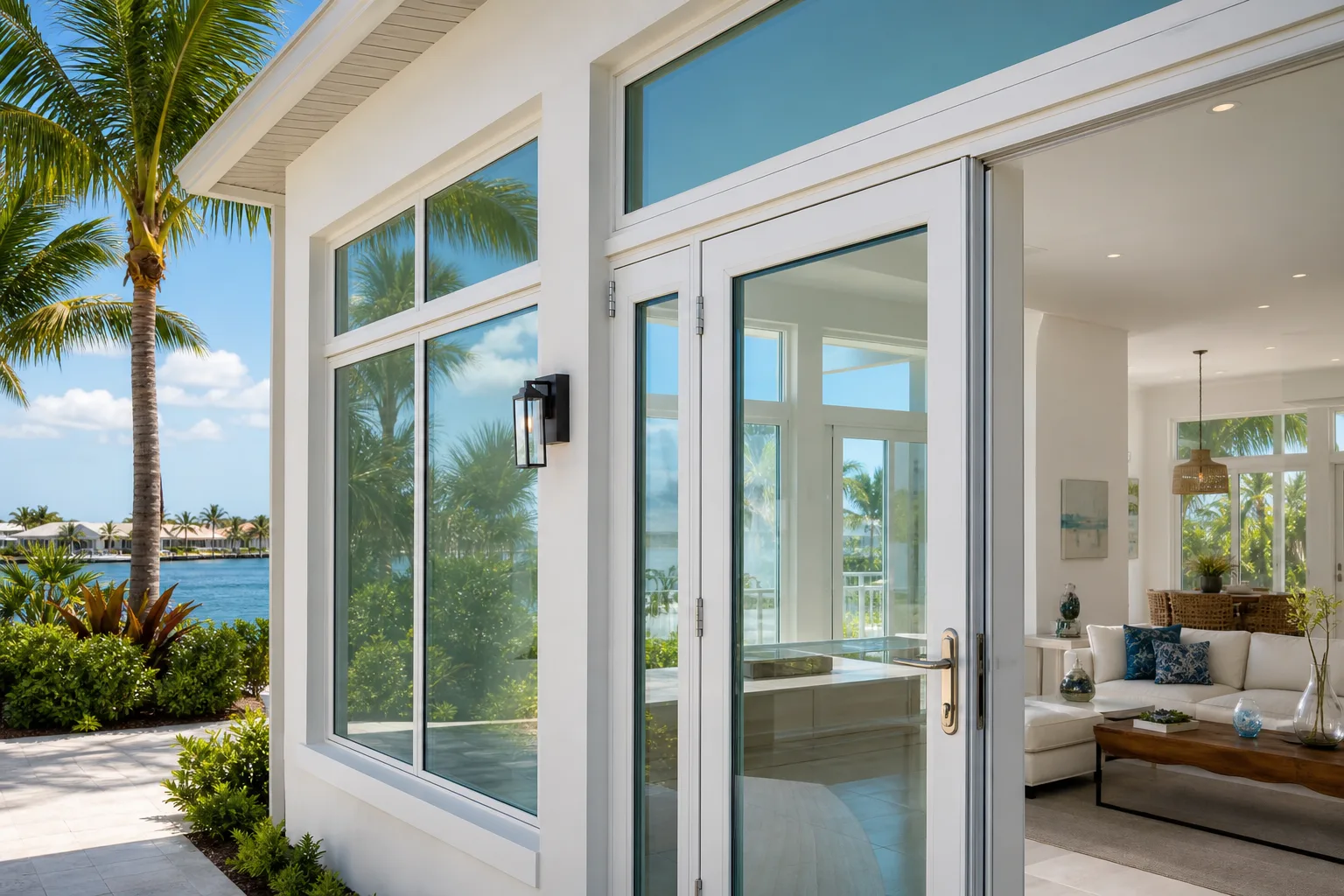
Windows and sliding glass doors represent the most vulnerable points of a building. Within the HVHZ, all exterior fenestration must either be protected by approved impact-resistant shutters or consist of tested impact-rated glass assemblies.
Testing protocols require these materials to withstand the "Large Missile Test," which involves firing a 9-pound 2x4 lumber projectile at 34 feet per second into the glass or shutter, followed by cyclic pressure testing to simulate fluctuating wind forces. If the glass cracks, it must remain laminated and bonded to an inner polyvinyl butyral (PVB) or SentryGlas interlayer to prevent penetration by wind and rain.
3. Roofing Systems and Deck Attachment
Roof failures are the leading cause of interior water damage and progressive structural collapse. HVHZ regulations mandate enhanced attachment schedules for roof decks. For instance, plywood or oriented strand board (OSB) roof sheathing must be fastened with ring-shank nails spaced significantly closer together than in standard construction. Furthermore, underlayment requirements are extraordinarily strict, often demanding self-adhering polymer-modified bitumen sheets to ensure waterproofing even if the exterior shingles or tiles are blown away.
Comparison of Construction Standards
To understand the practical impact of the HVHZ, it is helpful to compare its requirements against standard Florida Building Code (FBC) wind regions and national International Building Code (IBC) baselines.
| Feature / Requirement | Standard U.S. Construction (IBC) | Florida Building Code (Non-HVHZ) | HVHZ (Miami-Dade & Broward) |
|---|---|---|---|
| Design Wind Speed | Typically 90–140 mph | 130–180 mph | 160–180+ mph (Risk Category II) |
| Product Approval | General manufacturer compliance | State FBC Product Approval | Miami-Dade Notice of Acceptance (NOA) or FBC HVHZ Approval |
| Impact Protection | Required only in designated wind-borne debris regions | Required in wind-borne debris regions | Mandatory for all exterior openings (with minor exceptions) |
| Roof Fastening | Standard pneumatic stapling/nailing | Enhanced fastener spacing | Rigorous ring-shank nail schedules & secondary water barriers |
| Inspection Rigidity | Standard municipal inspections | Standard municipal inspections | Specialized threshold inspections and strict structural observation |
The Product Approval Process: NOAs and FL Numbers
One of the defining administrative characteristics of the HVHZ is its rigorous product approval system. Manufacturers cannot simply state that a building product—such as a roof tile, garage door, adhesive, or window—is rated for high winds. They must secure formal certification through specialized testing agencies.
- Miami-Dade Notice of Acceptance (NOA): Historically, Miami-Dade County maintained its own product evaluation clearinghouse. An NOA is a comprehensive document verifying that a specific product has undergone rigorous laboratory testing by an approved independent testing facility and complies fully with the HVHZ code.
- Florida Product Approval (FL Number): Since the statewide adoption of the FBC, products can also carry a statewide approval number. However, for products intended for use within the HVHZ, the documentation must explicitly state that the product is approved for HVHZ applications.
Building inspectors in Miami-Dade and Broward counties routinely demand physical copies of the NOA or certified HVHZ engineering drawings on-site before approving installations. Using unapproved materials results in immediate red tags, failed inspections, and costly removal mandates.
Practical Impacts on Homeownership, Insurance, and Cost
Living or investing in real estate within the HVHZ shapes nearly every aspect of property ownership, maintenance, and finance.
Construction and Renovation Costs
Building or remodeling a home in the HVHZ carries a significant financial premium. Materials engineered for high-velocity zones—such as impact-rated windows, reinforced concrete tie-beams, heavy-gauge roof straps, and specialized waterproofing membranes—frequently cost 20% to 50% more than standard building materials. Labor costs are also elevated due to the specialized installation techniques required to maintain engineering certifications.
Insurance Premiums and Mitigation Credits
Paradoxically, while HVHZ construction is expensive upfront, it can help mitigate property insurance costs. Florida insurers are mandated to offer premium discounts for homes featuring wind-mitigation features. Homeowners who install impact windows, secondary water resistance roof barriers, and robust roof-to-wall attachments (such as hurricane clips or straps) can secure substantial credits on the windstorm portion of their property insurance policies, provided a certified wind mitigation inspection is performed.
Real Estate Transactions and Permitting Audits
During real estate transactions in Miami-Dade and Broward counties, buyers and home inspectors scrutinize municipal permit histories. Unpermitted alterations—such as enclosed patios, replaced windows, or re-roofs performed without proper HVHZ documentation—can derail home sales, create liability issues, and complicate mortgage underwriting. Title companies and lenders frequently require proof that all past renovations comply strictly with local building codes.
Common Misconceptions Regarding the HVHZ
Several persistent myths surround the High-Velocity Hurricane Zone, often leading to costly compliance errors for property owners and contractors.
- Myth: The entire state of Florida is an HVHZ. Many out-of-state buyers and contractors assume that all coastal Florida counties operate under HVHZ rules. In reality, the HVHZ is strictly limited to Miami-Dade and Broward counties. Other coastal regions follow standard FBC wind-borne debris provisions, which have distinct testing and fastening requirements.
- Myth: Impact windows eliminate the need for shutters. While certified impact-resistant windows do not require additional hurricane shutters for wind-borne debris protection, homeowners must still verify that the specific window assembly's design pressure rating matches or exceeds the calculated wind load for their specific building height and exposure.
- Myth: Any contractor licensed in Florida can work in the HVHZ. While a general contractor license is state-certified, local municipalities within Miami-Dade and Broward often enforce strict registration procedures, and certain specialty trades require local competency cards to pull permits for HVHZ projects.
Frequently Asked Questions
What counties are included in the HVHZ?
The HVHZ includes only Miami-Dade County and Broward County. No other Florida counties are part of the High-Velocity Hurricane Zone, though many coastal counties enforce strict wind-borne debris regulations under the standard Florida Building Code.
Are impact windows legally required in the HVHZ?
Yes. All exterior openings—including windows, sliding glass doors, and entrance doors—must be protected against wind-borne debris. This is typically achieved by installing certified impact-resistant fenestration products or approved accordion or panel shutters.
What is the difference between an NOA and an FL approval number?
A Notice of Acceptance (NOA) is issued specifically by Miami-Dade County after rigorous engineering review and testing. An FL number represents a statewide Florida Product Approval. For use within the HVHZ, statewide approvals must explicitly demonstrate compliance with HVHZ testing protocols.
How do HVHZ regulations affect home insurance rates?
While initial construction and renovation costs are higher due to strict material requirements, properties built or retrofitted to HVHZ standards qualify for substantial wind mitigation insurance discounts, helping offset high baseline insurance premiums in South Florida.
Can I install standard building materials purchased from another state in an HVHZ home?
Generally, no. Building materials used in the HVHZ must possess valid Miami-Dade NOA documentation or explicit FBC HVHZ approval. Standard hardware store materials lacking this documentation will fail municipal building inspections.
Next Steps for Property Owners and Builders
Navigating the HVHZ requires meticulous attention to detail, proactive planning, and strict adherence to local municipal guidelines. Property owners planning renovations should verify that any hired architect, engineer, or contractor possesses demonstrable experience working within Miami-Dade or Broward jurisdictions. Always request copies of product NOAs before purchasing building materials, and ensure that all construction work is fully permitted and closed out by municipal building officials to protect property value and ensure structural safety.
Image Gallery
Select an image to open it in a new tab.
Declan O'Connor
Higher Education and Campus Culture Reporter
