The Wisconsin Ethics Commission Explained: Structure, Jurisdiction, and Functions
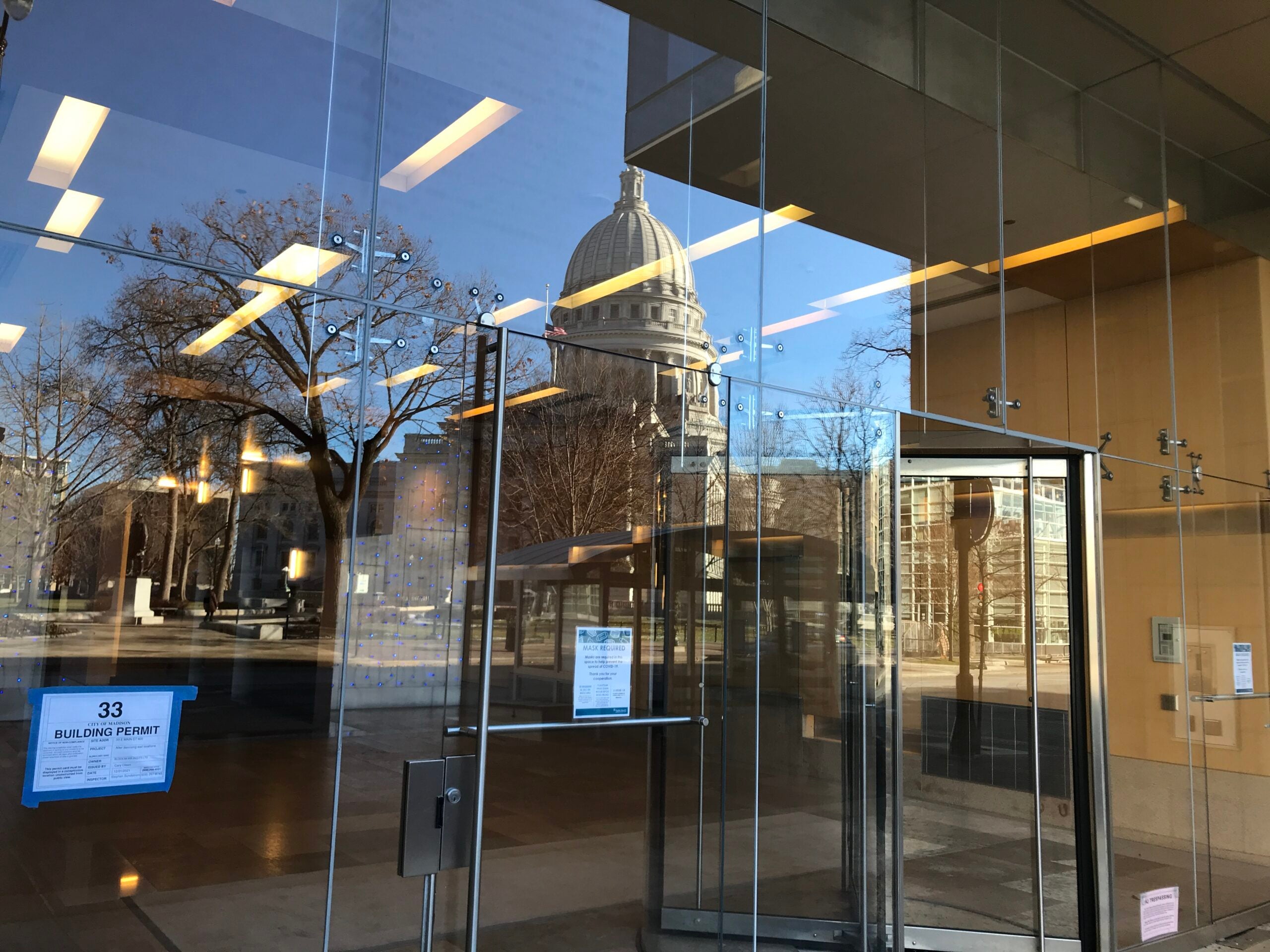
The Wisconsin Ethics Commission is the state regulatory body responsible for administering and enforcing Wisconsin’s campaign finance laws, lobbying regulations, ethics codes, and state official financial disclosure requirements. Established to ensure transparency and accountability in state government, the agency handles public disclosures, investigates compliance issues, and issues formal guidance to public officials, candidates, and lobbyists operating within Wisconsin.
Navigating the landscape of state-level government compliance requires an understanding of how regulatory bodies function, what rules apply to public servants, and how ordinary citizens or regulated entities interact with these administrative systems. In Wisconsin, the regulatory architecture underwent significant structural changes over the past decade, shifting from a unified board to a bifurcated system that separated election administration from ethics and lobbying oversight. Understanding the Wisconsin Ethics Commission involves exploring its origins, statutory authority, day-to-day operations, filing mandates, and investigative procedures.
Evolution and Statutory Origins of the Commission
To understand the Wisconsin Ethics Commission as it operates in 2026, it is necessary to examine the historical context of state oversight. For decades, the Wisconsin Government Accountability Board (GAB) served as a single, consolidated quasi-judicial agency overseeing ethics, lobbying, campaign finance, and elections. Composed of former state judges, the GAB was designed to operate above partisan politics.
However, political debates regarding the independence and structure of the GAB led the Wisconsin Legislature to pass 2015 Wisconsin Act 118. This legislation dissolved the GAB and split its responsibilities into two separate agencies:
- The Wisconsin Elections Commission (WEC): Responsible for the administration and enforcement of election laws.
- The Wisconsin Ethics Commission: Responsible for the administration and enforcement of campaign finance, ethics, and lobbying laws.
The Ethics Commission officially commenced operations on June 30, 2016. Its creation altered how state ethics and campaign finance laws are enforced, establishing a specific framework for commissioner appointments, staffing, and operational independence.
Commission Structure and Governance
Unlike the GAB, which relied on former judges, the Wisconsin Ethics Commission is structured to incorporate a bipartisan, appointed board model. The Commission consists of six members appointed by various legislative leaders and the Governor, designed to balance partisan representation and ensure independent oversight.
Composition and Appointments
The six commissioners are selected through a specific statutory process:
- Governor's Appointees: One member appointed by the Governor.
- Legislative Leadership Appointees: One member appointed by the Senate Majority Leader, one by the Senate Minority Leader, one by the Speaker of the Assembly, and one by the Assembly Minority Leader.
- Sixth Member: Appointed by the Governor from a list of individuals compiled by legislative leaders.
Commissioners serve staggered five-year terms. This staggering prevents any single administration or legislative majority from immediately replacing the entire board, preserving a degree of institutional continuity.
Role of Staff and the Administrator
While the commissioners set overarching policy, issue formal advisory opinions, and vote on enforcement actions, the daily operations are managed by a professional staff led by an Administrator. The Administrator is nominated by the Commission and confirmed by the Senate. The staff handles day-to-day administrative tasks, reviews campaign finance reports, processes lobbyist registrations, manages public disclosure databases, and conducts preliminary reviews of complaints.
Core Jurisdictional Areas
The Wisconsin Ethics Commission operates under Chapter 11 (Campaign Finance), Chapter 13 (Lobbying and Legislative Ethics), and Chapter 19 (General Ethics and Financial Disclosures) of the Wisconsin Statutes. Its jurisdiction encompasses several distinct areas of state governance.
1. Campaign Finance Administration
The Commission regulates money in state-level elections. This includes candidates for state legislature, statewide offices (such as Governor and Attorney General), judicial candidates, political action committees (PACs), independent expenditure committees, and political party committees.
- Filing Requirements: Campaigns and political committees must file periodic financial reports detailing contributions received, expenditures made, and outstanding debts.
- Contribution Limits: The Commission publishes statutory contribution limits that restrict how much individuals, political parties, and committees can give to specific candidates per election cycle.
- Public Database: The Commission maintains the Mechanical Campaign Finance Registration and Reporting System (CFR), allowing the public to inspect campaign contributions and spending.
2. Lobbying Regulation
Under Chapter 13, anyone attempting to influence state legislative or administrative action for compensation must register as a lobbyist.
- Principal Registration: Organizations and companies that employ lobbyists (known as "principals") must register and report their spending.
- Expense Reporting: Lobbyists and principals submit regular reports detailing lobbying expenditures, legislative topics targeted, and financial compensation.
- Gift Bans and Restrictions: The lobbying law establishes strict rules regarding gifts, meals, and entertainment provided by lobbyists and principals to state public officials and employees.
3. State Code of Ethics and Financial Disclosures
Chapter 19 establishes ethical standards for state public officials, state employees, and local public officials in certain jurisdictions.
- Statements of Economic Interests (SEI): Elected state officials, candidates for state office, and designated high-level state administrative employees must file annual Statements of Economic Interests. These disclosures require individuals to list sources of income, real estate holdings, investments, and business affiliations to identify potential conflicts of interest.
- Conflict of Interest Rules: The ethics code prohibits public officials from using their public office for private financial gain or accepting things of value that could improperly influence their official duties.
Comparison of Regulatory Responsibilities
| Regulatory Area | Governing Statute | Primary Entities Affected | Key Filings / Mandates |
|---|---|---|---|
| Campaign Finance | Wis. Stat. Chapter 11 | State candidates, PACs, political parties | Periodic contribution/expenditure reports |
| Lobbying | Wis. Stat. Chapter 13 | Professional lobbyists, lobbying principals | Lobbyist registrations, expense statements |
| State Ethics | Wis. Stat. Chapter 19 | State officials, state employees, candidates | Statements of Economic Interests (SEIs) |
Advisory Opinions and Guidance
One of the vital functions of the Wisconsin Ethics Commission is providing legal clarity to individuals and organizations navigating complex statutory requirements. Because campaign finance and ethics laws carry civil and potential criminal penalties, stakeholders often seek formal guidance before taking action.
Formal Advisory Opinions
Any person affected by Wisconsin ethics, campaign finance, or lobbying laws can request a formal advisory opinion from the Commission. When issued, these formal opinions serve as legal protection (a safe harbor) for the requester, meaning that acting in good faith reliance upon a formal advisory opinion protects an individual from civil or criminal liability under the statutes.
Informal Guidance
Commission staff also provides informal guidance via phone and email. While staff guidance does not carry the same absolute legal safe harbor as a formal Commission-approved advisory opinion, it provides essential practical direction for day-to-day compliance.
Complaints, Investigations, and Enforcement
The Commission possesses investigative powers to ensure compliance with Wisconsin law. Oversight and enforcement generally follow a structured statutory process.
Filing a Complaint
Any elector (registered voter) in Wisconsin can file a sworn complaint alleging a violation of campaign finance, lobbying, or ethics laws. The complaint must be notarized and state specific facts that support the allegation. Additionally, the Commission itself can initiate an investigation based on information identified by its audit staff or through public records.
Preliminary Review and Due Process
Once a sworn complaint is filed, the respondent is provided a copy and given an opportunity to file a response. The Commission staff conducts a preliminary review to determine whether there is reasonable suspicion that a violation occurred.
Resolution Mechanisms
If the preliminary review indicates a potential violation, the Commission may resolve the matter through several pathways:
- Dismissal: If the complaint lacks merit or statutory backing, it is dismissed.
- Settlement and Confidential Conciliation: For minor or technical infractions, the Commission frequently utilizes confidential settlement agreements or conciliation letters, requiring the respondent to correct the filing or pay a forfeiture without a public trial.
- Formal Investigation and Prosecution: For severe or willful violations, the Commission can authorize a full investigation, subpoena records, take testimony, and refer matters to the appropriate district attorney or the Wisconsin Department of Justice for civil forfeiture actions or criminal prosecution.
Common Compliance Challenges and Best Practices
Individuals and entities interacting with the Wisconsin Ethics Commission often encounter specific administrative hurdles. Avoiding common pitfalls requires structured internal procedures.
- Filing Deadlines: Campaign finance and lobbying reporting deadlines are strict. Missing a filing deadline triggers automatic civil forfeitures, which accumulate daily until resolved.
- Accurate SEI Disclosures: Failing to list an investment, real estate holding, or outside source of income on a Statement of Economic Interests is a frequent source of ethics complaints. Officials must exercise diligence when compiling financial assets.
- Distinguishing Independent Expenditures: Campaign finance rules draw sharp legal distinctions between coordinated expenditures and independent expenditures made by outside groups. Misunderstanding these boundaries can lead to illegal corporate contributions.
- Keeping Contact and Portal Information Current: The Commission utilizes electronic filing portals. Organizations must ensure that designated treasurers, principals, and compliance officers have active portal access and that password credentials are securely maintained.
Frequently Asked Questions
What is the difference between the Wisconsin Ethics Commission and the Wisconsin Elections Commission?
The Wisconsin Ethics Commission handles campaign finance disclosures, state lobbying regulations, and the state code of ethics. The Wisconsin Elections Commission (WEC) manages voter registration, ballot access, voting equipment certification, and the administration of actual elections across the state.
Who is required to file a Statement of Economic Interests (SEI) in Wisconsin?
All candidates for state elective office, elected state officials, supreme court justices, judges, and designated high-ranking state agency employees and public officials must file an annual SEI. The document requires disclosure of financial interests, business holdings, and real estate to prevent conflicts of interest.
Can the public view campaign finance reports and lobbying expenditures?
Yes. The Wisconsin Ethics Commission maintains public online reporting systems where citizens, journalists, and researchers can search campaign contributions, political action committee spending, lobbyist registrations, and principal expenditures in real time.
How are commissioners chosen for the Wisconsin Ethics Commission?
The Commission consists of six members appointed by state leaders: one by the Governor, one by the Senate Majority Leader, one by the Senate Minority Leader, one by the Speaker of the Assembly, one by the Assembly Minority Leader, and a sixth member appointed by the Governor from a legislative list. Members serve staggered five-year terms.
What happens if a political campaign misses a campaign finance filing deadline?
Missing a campaign finance report deadline results in automatic administrative fines (civil forfeitures). Commission staff notifies the committee, and unpaid forfeitures can result in further legal enforcement actions, mandatory audits, or referral for prosecution.
Conclusion and Next Actions
The Wisconsin Ethics Commission serves as the primary guardian of transparency, lobbying accountability, and campaign finance compliance within state government. For candidates, public officials, lobbyists, and citizens, understanding the structural mandate and operational scope of the Commission is essential for maintaining legal compliance.
To take immediate action, review your specific status:
- Candidates and Treasurers: Access the Commission's online filing portal to verify upcoming reporting deadlines and ensure contribution records are up to date.
- Lobbyists and Principals: Confirm that active registrations are renewed and that all expense statements reflect accurate reporting intervals.
- Public Officials: Review annual Statement of Economic Interests filing dates to ensure timely disclosure of financial holdings.
Consult the official Wisconsin Ethics Commission Website for direct access to reporting portals, statutory forms, advisory opinions, and contact details for compliance staff.
Image Gallery
Select an image to open it in a new tab.
Ingrid Bjornson
Global Cyber Policy and Regulation Analyst
