Understanding and Preventing Household Water Waste: Causes, Impacts, and Practical Solutions
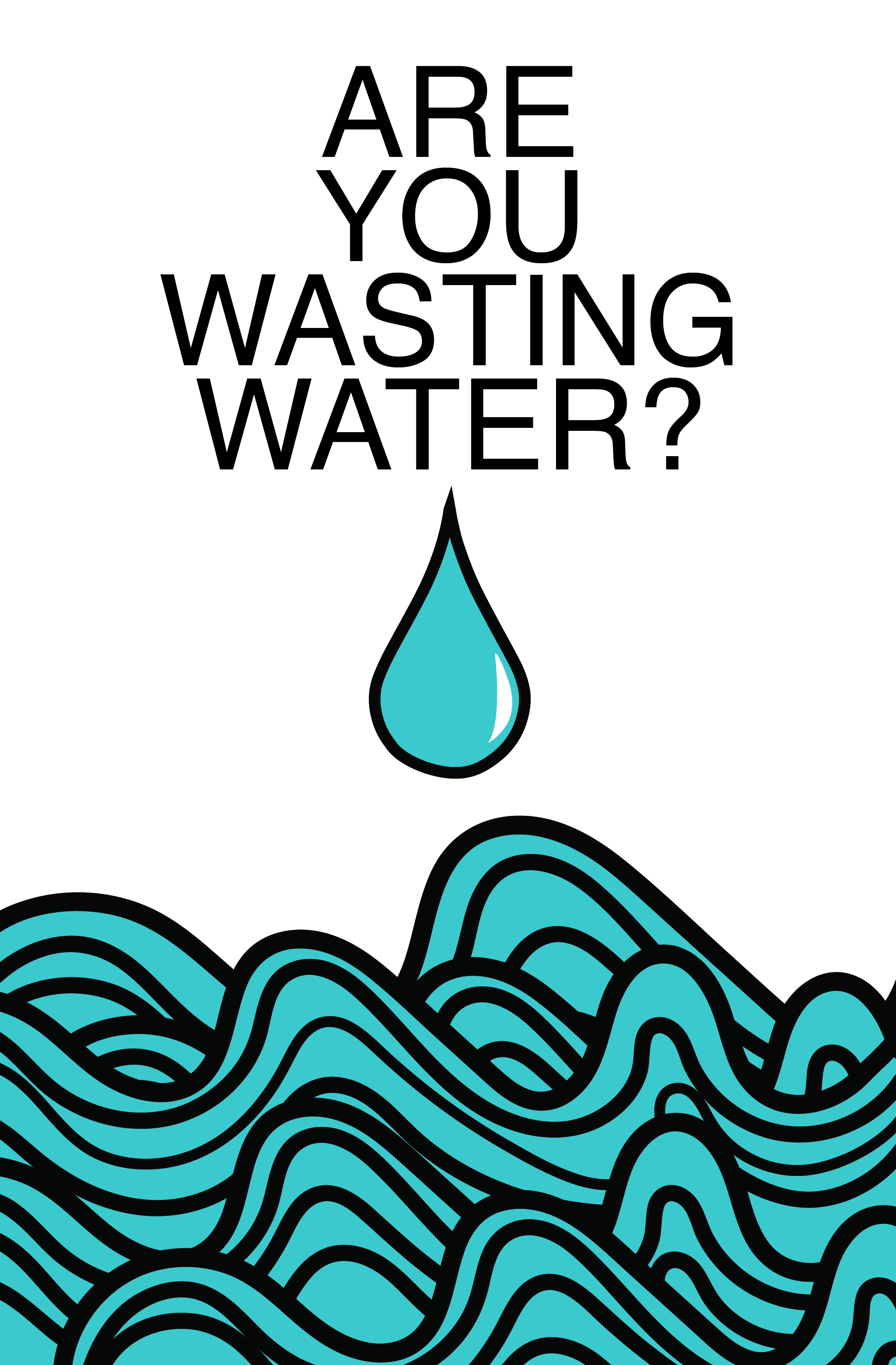
People waste water primarily through unidentified plumbing leaks, outdated hardware fixtures, and unexamined daily habits like overwatering lawns or leaving taps running. Addressing water waste requires combining behavioral adjustments with high-efficiency fixtures and regular maintenance, allowing households to significantly reduce utility bills while mitigating localized municipal water stress and environmental degradation.
The Hidden Causes of Water Waste in Daily Life
Water waste occurs across residential, commercial, and agricultural sectors, but domestic consumption represents one of the most accessible areas for immediate reduction. Everyday water waste is rarely deliberate; instead, it stems from systemic inefficiencies, lack of real-time consumption feedback, and deferred structural maintenance.
Understanding where water is lost requires examining both visible daily habits and invisible structural failures within residential plumbing networks.
Behavioral and Habitual Waste
Individual behavior remains a major contributor to daily water loss. Common practices that generate substantial volumetric waste include:
- Running Taps During Hygiene Routines: Leaving a standard bathroom faucet running while brushing teeth or shaving wastes approximately 2 to 3 gallons of potable water per minute.
- Overwatering Landscapes: Residential irrigation systems often apply water inefficiently. Operating sprinklers during peak afternoon hours leads to significant evaporation losses, while poorly adjusted sprinkler heads frequently irrigate non-porous surfaces like sidewalks and driveways.
- Partial Dishwasher and Laundry Loads: Running clothes washers or dishwashers before reaching full capacity increases per-item water consumption. Older washing machines consume up to 40 gallons per cycle regardless of load size.
- Rinsing Dishes Before Automatic Washing: Pre-rinsing cookware under running water prior to using a modern dishwasher can waste 10 to 20 gallons per meal preparation cycle, whereas standard modern appliances effectively remove residue without manual pre-cleaning.
Structural and Mechanical Plumbing Losses
While habits account for consistent daily overhead, structural defects within home plumbing systems often cause far larger total losses over time. According to data compiled by the U.S. Environmental Protection Agency (EPA) WaterSense Program, average household leaks can account for nearly 10,000 gallons of wasted water annually per home.
Common Leak Sources & Daily Waste Volume:
- Silent Toilet Flapper Leak: 30 to 200 gallons/day
- Dripping Faucet (60 drips/min): 5 gallons/day (1,900+ gallons/year)
- Damaged Irrigation Pipe: 6,300+ gallons/month (per 1/32-inch tear)
- Faulty Main Pressure Regulator: Continuous high flow strain across all fixtures
- Silent Toilet Flapper Leaks: A worn flapper valve in a toilet tank allows water to trickle continuously down the overflow pipe into the bowl. Because these leaks are often silent, they can go unnoticed for months while wasting 30 to 200 gallons per day.
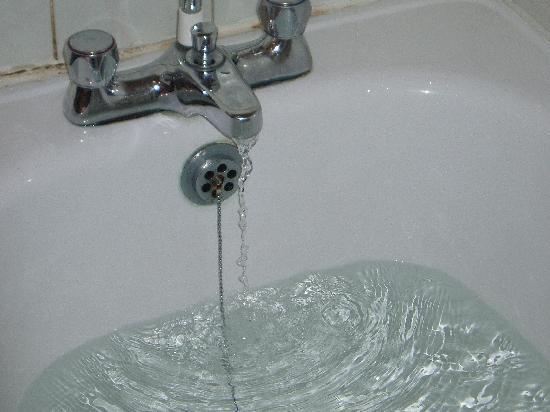
- Dripping Faucet Valves: A single faucet dripping at a rate of 60 drops per minute wastes over 5 gallons of water per day, equivalent to more than 1,900 gallons annually.
- Pressure Regulator Failures: Excessive municipal water pressure entering a home (above 80 pounds per square inch, or psi) causes stress on pipe joints, appliance valves, and fixture seals, increasing the risk of burst pipes and micro-leaks.
The Broader Impacts of Unchecked Water Loss
The impacts of water waste extend far beyond higher monthly utility invoices. The processing and distribution of clean water demand significant electrical energy, infrastructure investment, and ecological drawdown.
- Residential Water Waste
- Financial Loss: Higher bills & repair costs
- Energy Demand: Carbon emissions from treatment
- Watershed Stress: Ecosystem degradation
Environmental and Watershed Strain
Surface water bodies such as rivers, lakes, and subterranean aquifers are drawn down to supply municipal water networks. When withdrawal rates exceed natural recharge rates, nearby ecosystems experience severe degradation.
Excessive groundwater pumping reduces water levels in wetlands, lowers stream levels, and damages riparian habitats critical to wildlife. In coastal zones, over-extraction can cause saltwater intrusion, permanently contaminating freshwater aquifers with saline water.
Data published by the United States Geological Survey (USGS) indicates that public water supply systems withdraw tens of billions of gallons per day from surface and groundwater sources. Conserving water directly reduces the necessity for destructive river diversions and deep-well drilling.
Energy Consumption and Carbon Emissions
Potable water does not arrive at the tap without energetic cost. Municipal water systems require extensive power to pump raw water from sources, treat it to drinking standards using filtration and chemical purification, and distribute it through pressurized pipelines.
Furthermore, heating water for showers, washing machines, and dishwashing accounts for roughly 18% of total residential energy consumption in typical households. Wasting hot water directly increases electricity or natural gas consumption, accelerating carbon dioxide emissions associated with energy production.
Municipal Infrastructure Stress
Excessive water consumption accelerates wear on municipal treatment infrastructure and sewer networks. During high-demand periods, localized water scarcity can force cities to construct capital-intensive treatment plants or desalinization facilities, costs that are ultimately passed on to taxpayers through increased municipal rates and property taxes.

Comparing Water-Wasting Habits vs. High-Efficiency Solutions
Replacing traditional habits and outdated fixtures with targeted conservation methods dramatically lowers household baseline consumption. The table below outlines common water-wasting practices alongside their high-efficiency alternatives, estimated volumetric savings, and expected payback periods for any necessary equipment updates.
| Water-Wasting Practice | High-Efficiency Alternative | Estimated Volumetric Savings | Typical Implementation Cost | Estimated Payback Period |
|---|---|---|---|---|
| Standard Showerhead (2.5–3.5 gpm flow) | WaterSense Showerhead ($\le$ 1.75–2.0 gpm flow) | 2,700–4,000 gallons / person / year | $15 – $40 | 1 to 3 months |
| Running Tap While Brushing/Shaving | Turning Tap Off / Using Aerator ($\le$ 1.2 gpm) | 1,000–3,000 gallons / person / year | $0 – $10 (for aerator) | Immediate to 1 month |
| Legacy Toilet (3.5–5.0 gallons per flush) | Dual-Flush / Ultra-Low-Flow Toilet (1.28 gpf) | 13,000 gallons / household / year | $100 – $300 | 1 to 2 years |
| Hand-Washing Dishes with Running Tap | ENERGY STAR Dishwasher (Full Load) | 5,000–7,000 gallons / household / year | $400 – $900 | 2 to 4 years |
| Midday Overhead Lawn Irrigation | Drip Irrigation with Smart Controller | 15,000–40,000 gallons / acre / year | $150 – $600 | 6 to 12 months |
| Ignoring Minor Plumbing Leaks | Systematic Leak Repair & Pressure Regulator | 10,000–30,000 gallons / household / year | $10 – $200 | 1 to 6 months |
Note: Gallon savings estimates reflect standard regional residential baseline usage metrics.
Practical Action Plan: Auditing and Optimizing Household Water Use
Systematically reducing household water waste requires a structured approach to identifying leaks, auditing fixture flow rates, and modifying high-volume outdoor systems.
- Step 1: Perform Water Meter Audit
- Step 2: Inspect Fixtures & Test Toilets
- Step 3: Retrofit Aerators & Showerheads
- Step 4: Optimize Outdoor Irrigation Systems
Step 1: Perform a Water Meter Leak Test
The utility meter provides the definitive measure of whether an undetected plumbing leak exists inside or outside a home.
- Isolate Water Use: Turn off all water fixtures, appliances, ice makers, and irrigation zones. Ensure no clothes washers or dishwashers are running.
- Locate the Main Meter: The meter box is typically positioned near the front property line in a concrete box or inside a basement utility space.
- Inspect the Leak Indicator: Most modern digital or analog meters feature a leak indicator dial (often a small red/blue triangle, star, or digital sweep indicator). If this indicator is rotating while all fixtures are off, water is flowing through the system.
- Conduct a Timed Baseline Test: For analog meters without a dedicated indicator, record the static meter reading. Wait two hours without using any water, then re-check the dial. Any change in the read indicates a leak within the plumbing boundary.
Step 2: Test Internal Fixtures for Leaks
If the meter test indicates continuous flow, systematically evaluate individual fixtures.
- Toilet Dye Test: Remove the tank lid of each toilet and add 5 to 10 drops of food coloring or a dye tablet. Do not flush. Wait 15 to 20 minutes. If colored water appears in the toilet bowl, the flapper valve is failing and must be replaced.
- Sink and Shower Valve Checks: Inspect the bases of faucets, under-sink cabinet plumbing joints, and shower connections for moisture, mineral scale build-up, or active dripping. Replace worn rubber washers or ceramic cartridges inside malfunctioning faucet handles.
Step 3: Upgrade High-Volume Indoor Fixtures
Installing high-efficiency hardware yields immediate, passive water reductions without compromising functional utility.
Standard Aerator (2.2 GPM)
- Solid Water Stream
- High Volumetric Flow
- Higher Energy Consumption
High-Efficiency Aerator (1.2 GPM)
- Air-Injected Stream
- Equal Pressure Sensation
- 45% Less Water Used
Install Faucet Aerators: Screw high-efficiency aerators onto bathroom and kitchen taps. Standard aerators allow 2.2 gallons per minute (gpm), whereas low-flow aerators reduce flow to 1.5 gpm in kitchens and 0.5 to 1.2 gpm in bathrooms by mixing air into the water stream.
Retrofit Low-Flow Showerheads: Replace conventional showerheads drawing 2.5 gpm or more with models rated at 1.75 to 2.0 gpm. Modern designs utilize pressure-compensating technology to maintain spray force while consuming substantially less volume.
Adjust Toilet Tank Fill Valves: Lower the water level setting inside older toilet tanks by adjusting the float arm screw or sliding clip, reducing the total volume discharged per flush cycle.
Step 4: Redesign Outdoor Landscape Irrigation
Outdoor watering accounts for up to 30% of total residential water use nationwide, rising to over 50% in arid climates.
- Transition to Drip Irrigation: Swap overhead spray heads in garden beds for targeted drip line systems. Drip networks apply water directly to plant root zones at low pressure, eliminating evaporation loss and wind drift.
- Install Smart Weather-Based Controllers: Replace manual clock timers with smart controllers that access localized meteorological data. These units automatically cancel scheduled watering events during rainfall, low temperatures, or high humidity conditions.
- Audit Sprinkler Coverage: Run each irrigation zone manually for 2 minutes to inspect for broken sprinkler heads, line leaks, or misaligned nozzles spraying hardscape surfaces.
Advanced Solutions: Technology, Infrastructure, and Greywater
Beyond basic leak repair and hardware retrofits, advanced technological solutions allow homeowners and communities to capture alternate water sources and monitor real-time consumption patterns.
Smart Water Monitors and Automatic Shut-off Valves
Smart leak detection devices (such as whole-home inline water monitors) attach directly to the main water incoming supply line. These devices measure fluid dynamics, pressure drops, and flow duration using ultrasonic sensors.
- Main Supply Line
- Smart Flow Sensor
- Anomaly Detected: Mobile App Alert + Valve Closes
- Automatic Shut-Off Valve
When an abnormal flow pattern occurs—such as a burst pipe continuous flow lasting longer than 30 minutes—the system automatically sends an alert to the user's smartphone and can trigger an integrated ball valve to shut off the main supply, preventing catastrophic water loss and structural property damage.
Residential Greywater Recycling
Greywater refers to untreated wastewater generated from household activities such as shower drains, bathroom sinks, and clothes washing machines. It excludes blackwater (toilet waste and kitchen sink drains containing heavy organic loads).
Wastewater Sources:
- Blackwater (Toilets, Kitchen Sinks): Direct to Municipal Sewer
- Greywater (Showers, Sinks, Laundry): Filtration Unit to Subsurface Irrigation
Installing a greywater diversion system routes drain water through a simple mechanical mesh filter into subsurface landscape irrigation lines. Reusing bath and laundry water to irrigate trees and ornamental shrubs reduces residential municipal water demand by up to 30%. However, greywater systems must comply with municipal building codes and local health ordinances, requiring sub-surface discharge so greywater does not pool on surface terrain.
Rainwater Harvesting Systems
Rainwater catchment systems capture precipitation runoff from roof surfaces via gutters into storage cisterns or rain barrels.
- Basic Rain Barrels: 50 to 100-gallon containers situated beneath gutter downspouts supply untreated water for hand-watering gardens.
- Integrated Cistern Networks: Underground or above-ground storage tanks ranging from 1,000 to 10,000 gallons utilize leaf diverters, sediment filtration, and booster pumps to supply water for landscape irrigation, outdoor washing, or non-potable indoor toilet flushing.
Frequently Asked Questions
What is the single biggest source of water waste in a typical home?
The largest continuous source of residential water waste is an unaddressed toilet leak. A silently leaking toilet flapper valve can waste between 30 and 200 gallons of clean water per day without visible surface signs or obvious noise.
Does running a dishwasher waste more water than washing dishes by hand?
No. Washing dishes by hand under a running tap typically uses 15 to 20 gallons of water per meal. In contrast, standard modern dishwashers use between 3 and 5 gallons per complete cycle, while high-efficiency models certified by energy standards consume even less.
How can I tell if my underground outdoor pipe has a leak?
Signs of an underground irrigation or main service line leak include unusually soggy patches in the lawn during dry weather, localized areas of overgrown or bright green grass, unexplained drops in indoor water pressure, or continuous movement on your water meter dial when all indoor taps are closed.
Are low-flow showerheads less effective at cleaning?
No. Modern low-flow showerheads designed to meet efficiency guidelines utilize aeration and engineered nozzles to increase velocity and maintain spray pressure while using 20% to 40% less water than older 2.5 gpm fixtures.
How much money can I save by stopping household water leaks?
Addressing common leaks and retrofitting inefficient fixtures reduces average household water consumption by 15% to 30%. Depending on local municipal water and sewer rates, this equates to savings of $100 to $400 per year on utility bills.
Recommended Next Actions
To immediately curb domestic water waste and protect home plumbing infrastructure, take the following steps:
- Conduct a 2-Hour Meter Test: Confirm there are no hidden leaks within your plumbing envelope by checking the municipal water meter while all fixtures remain off.
- Perform Dye Tests on All Toilets: Drop dye tablets into every toilet tank in your home to confirm that flapper valves are sealing properly.
- Retrofit Aerators and Showerheads: Replace outdated tap nozzles with 1.2 gpm aerators and install 1.75–2.0 gpm low-flow showerheads across all bathrooms.
- Inspect Landscape Timers: Adjust outdoor irrigation schedules to run strictly during early morning hours, ensuring rain sensors or smart controllers are active.
Image Gallery
Select an image to open it in a new tab.

Ingrid Bjornson
Global Cyber Policy and Regulation Analyst
