The Faces Behind Jaws: Uncovering the Real People Who Inspired the Movie and the True Stories That Shaped a Cultural Phenomenon

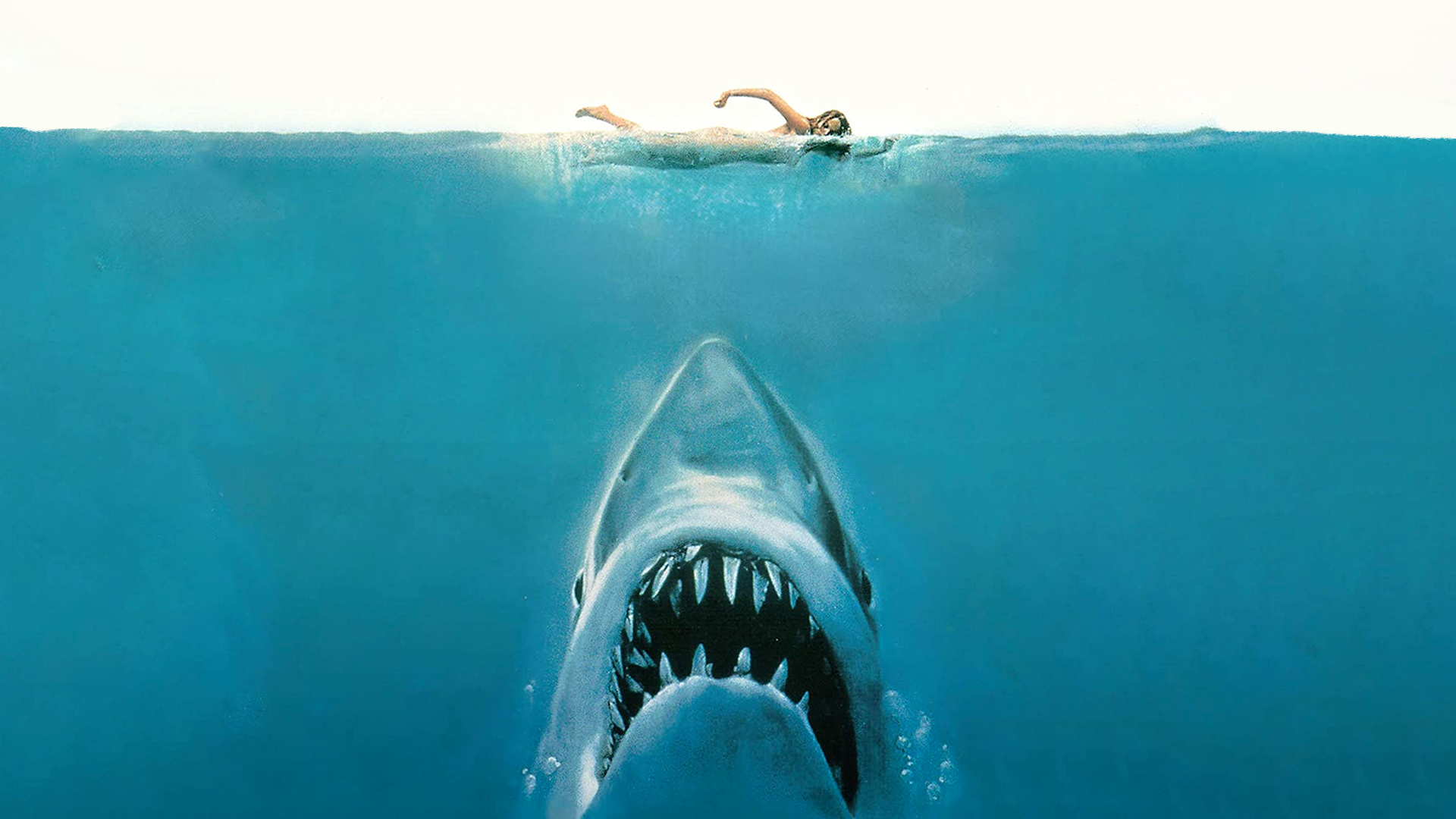
Universal Pictures’ 1975 blockbuster film Jaws fundamentally transformed modern cinema, giving birth to the summer blockbuster and instilling a generation with an enduring fear of the ocean. While the Great White Shark terrorizing the fictional coastal community of Amity Island stands as the undisputed star of the screen, the true narrative depth of the cultural milestone relies heavily on its human characters. The faces behind Jaws—spanning the original creators, the real-life historical figures who inspired the story, the cast who brought the screenplay to life, and the dedicated marine researchers who shaped our understanding of sharks—form a rich tapestry of art, history, and science. Understanding these individuals provides critical context for why the film continues to resonate deeply more than fifty years after its theatrical release.
From Novel to Screen: Peter Benchley and the Genesis of Amity Island
The cultural legacy of Jaws begins long before cameras rolled on Martha’s Vineyard. In 1964, a young freelance writer and journalist named Peter Benchley read a newspaper report about a Florida fisherman named Frank Mundus catching a massive 4,550-pound great white shark off the coast of Montauk, New York. This single event planted the initial seed for a fictional narrative about a rogue predator terrorizing a vacation community.
Benchley spent years developing the concept, initially pitching it as a non-fiction book about shark attacks before his editor at Doubleday suggested a fictional approach. Published in February 1974, the novel Jaws became a runaway publishing phenomenon, lingering on bestseller lists for months.
However, the characters in Benchley’s book differed significantly from the celluloid counterparts that eventually populated the silver screen. In the novel, the mayor of Amity Island had deep ties to organized crime, making the local government's desperate attempt to keep the beaches open a matter of mafia extortion rather than mere economic self-preservation. Furthermore, the novel featured an extramarital affair between Ellen Brody and marine biologist Matt Hooper, which added dark domestic friction to the small-town drama.
When screenwriters Carl Gottlieb and Howard Sackler adapted the novel for the screen alongside director Steven Spielberg, they intentionally sanded down these cynical subplots. Spielberg wanted the audience to focus squarely on the terror of the beast and the camaraderie of the three men hunting it. Consequently, the faces of the characters—Chief Martin Brody, Matt Hooper, and Quint—were elevated into heroic archetypes.
| Character | Novel Counterpart / Origin | Key Differences in Film Adaptation |
|---|---|---|
| Martin Brody | Peter Benchley’s novel | Portrayed as more cynical and exhausted in the book; Roy Scheider brought a vulnerable, everyman heroism to the screen. |
| Matt Hooper | Peter Benchley’s novel | Originally part of an affair subplot with Ellen Brody; Richard Dreyfuss played him as a sharp, enthusiastic intellectual. |
| Quint | Peter Benchley / Frank Mundus | Modeled after legendary Montauk fisherman Frank Mundus; Robert Shaw added a haunting, tragic depth via the USS Indianapolis monologue. |
| Mayor Larry Vaughn | Peter Benchley’s novel | Deeply tied to the mob in the book; Murray Hamilton played him as an earnest, misguided local politician worried about town revenue. |
The Historical Inspiration: Frank Mundus and the Real-Life Shark Hunters
While Peter Benchley conceived the premise, the physical presence and persona of Quint—the hardened, salty shark hunter who famously declares, "You're gonna need a bigger boat"—were heavily inspired by a real man: Frank Mundus.
Mundus operated out of Montauk, New York, earning the moniker "The Monster Man" for his relentless pursuit of giant sharks and swordfish. Wearing gold hoop earrings and a weather-beaten complexion, Mundus embodied the archetype of the weathered mariner who understood the raw, dangerous power of the open ocean. When Peter Benchley went out on a charter boat with Mundus while researching his book, he observed firsthand the fisherman's techniques, harpoon methods, and colorful maritime vernacular.
However, the real-life relationship between the public perception of sharks and Frank Mundus underwent a profound historical evolution. In the decades following the release of Jaws, Mundus made a living taking tourists out to catch massive sharks, contributing to a widespread recreational shark-fishing boom. Later in life, however, Mundus publicly expressed regret over the sheer volume of sharks he killed, shifting his perspective toward marine conservation as the scientific community learned more about the vital role apex predators play in ocean ecosystems.
Alongside Mundus, the true historical backdrop of the film draws heavily from the Jersey Shore shark attacks of 1916, a series of tragic encounters where a shark killed four people along the coast of New Jersey over a twelve-day period. This historical event panicked the Eastern Seaboard, forced marine biologists of the era to debate whether sharks were actually dangerous to humans, and established the panic templates that Benchley and Spielberg later adapted for Amity Island.

The Actors Who Brought Amity Island to Life
The enduring cultural footprint of Jaws is inextricably linked to the cast members who populated the screen, each bringing unique acting styles and off-screen challenges to the production.
Roy Scheider as Police Chief Martin Brody
Roy Scheider was not Steven Spielberg’s first choice to play Chief Martin Brody; actor Charlton Heston was initially considered, but Spielberg feared Heston was too heroic and imposing to play a character terrified of the water. Scheider, who had recently earned acclaim in The French Connection, brought a nervous, relatable, blue-collar anxiety to the role. Brody’s status as a New York City transplant who hated the ocean made him the ultimate audience surrogate. His delivery of quiet, understated reactions grounded the film's increasingly fantastical monster-movie stakes in gritty reality.
Robert Shaw as Quint
Robert Shaw’s portrayal of the haunted shark hunter Quint remains one of the most iconic performances in American cinema history. Shaw, a classically trained British actor and playwright, brought genuine theatrical gravity to the role.
Crucially, Shaw was responsible for one of the most famous pieces of cinematic history: the USS Indianapolis monologue. While screenwriters struggled to articulate why Quint harbored such a visceral, unhinged hatred for sharks, Shaw—who co-wrote a draft of the speech alongside playwright Howard Sackler—delivered a chilling, unhurried recollection of the July 1945 disaster where nearly 900 sailors were cast into shark-infested waters after their cruiser was torpedoed. Shaw’s portrayal transformed Quint from a simple caricature of a salty sailor into a tragic figure scarred by the horrors of World War II.
Richard Dreyfuss as Matt Hooper
At just twenty-six years old, Richard Dreyfuss portrayed ambitious oceanographer Matt Hooper. Dreyfuss initially turned down the role, fearing that watching himself on screen trapped on a sinking boat would be an agonizing experience. However, after seeing his performance in The Apprenticeship of Duddy Kravitz hit a wall in pre-production, he called Spielberg back and begged for the job. Dreyfuss injected youthful exuberance, intellectual curiosity, and modern scientific skepticism into the dynamic, serving as a vital foil to the working-class pragmatism of Brody and the rough-hewn fatalism of Quint.
Behind the Camera: Steven Spielberg and the Technical Crew
The faces behind Jaws also include the brilliant technical minds who engineered a cinematic miracle under nightmarish production conditions. At the center of it all was a twenty-seven-year-old Steven Spielberg, whose career hung in the balance during the famously troubled shoot on Martha’s Vineyard.
The production was plagued by mechanical failures involving the three full-sized pneumatic sharks—affectionately nicknamed "Bruce" after Spielberg’s lawyer. Saltwater continually corroded the hydraulic systems, causing the robotic beasts to sink, lock up, or malfunction repeatedly. Instead of giving up, Spielberg made a historic directorial choice: less is more. Borrowing classic suspense techniques from Alfred Hitchcock, Spielberg chose to obscure the shark, relying on John Williams' minimalist, two-note string ostinato—an alternating E and F—to signal the creature's approach. This constraint birthed a masterclass in psychological tension.
Key crew members who shaped the film’s iconic identity include:
- John Williams (Composer): Created the legendary, Academy Award-winning musical score that became a universally recognized cultural shorthand for impending danger.
- Verna Fields (Film Editor): Won an Academy Award for her work shaping the chaotic footage into a cohesive, perfectly paced thriller, famously working out of a makeshift editing bay in a California garage.
- Bill Butler (Cinematographer): Crafted the naturalistic, sun-bleached look of Amity Island, capturing the claustrophobic terror of open water using innovative submersible camera rigs.
The Scientific Shift: Marine Biologists and the Re-Evaluation of Sharks
Perhaps the most significant long-term impact involving the faces behind Jaws relates to the real-world scientific community. Peter Benchley spent his later years expressing profound regret over the novel and the film, dedicating the remainder of his life to ocean conservation and shark protection. Benchley realized that Jaws had inadvertently catalyzed a global wave of indiscriminate shark slaughter, with sport fishermen hunting great whites en masse, severely damaging fragile marine ecosystems.
In the decades following the film's release, marine biologists and researchers—such as George Burgess, director of the Florida Program for Shark Research, and marine conservationists worldwide—worked tirelessly to undo the bloodthirsty myth popularized by the film. Modern science has established that great white sharks are not mindless, vindictive man-hunters, but rather apex predators vital for maintaining the health and balance of the world's oceans. Today, educational initiatives led by organizations like the Shark Research Committee strive to replace the terror of Jaws with a deep, respectful understanding of shark behavior, habitat preservation, and coexistence.
Practical Guidance for Ocean Safety and Shark Awareness
For modern beachgoers and ocean enthusiasts, understanding the historical context of shark encounters helps separate sensationalized fiction from practical water safety. While millions of people visit coastal waters annually without incident, adhering to verified safety guidelines minimizes risks when entering natural marine habitats.
- Swim in Designated Areas: Always swim near lifeguards who possess specialized training and vantage points to spot marine wildlife activity near the shore.
- Avoid Prime Feeding Times: Refrain from swimming at dawn, dusk, or nighttime, as these periods represent peak hunting hours for many predatory marine species.
- Stay Clear of Fishing Activity: Do not swim near people fishing, piers, or areas where commercial baitfish are schooling, as these locations attract larger marine predators.
- Swim in Groups: Sharks are naturally more hesitant to approach large groups of people splashing and communicating in the water.
- Avoid Shiny Jewelry: Reflected sunlight off watches, jewelry, or metallic swim gear can mimic the flash of fish scales, drawing unwanted attention from inquisitive fish.
Frequently Asked Questions About the Faces Behind Jaws
Who was the real-life inspiration for Quint in Jaws?
Quint was heavily inspired by Frank Mundus, a legendary Montauk shark fisherman known for catching massive sharks off the coast of New York. Peter Benchley met Mundus while researching his novel, adopting his salty demeanor, fishing techniques, and maritime lore to shape the fictional character.
Did Steven Spielberg direct the entire film Jaws by himself?
Yes, Steven Spielberg directed the film, though the production was famously delayed and plagued by mechanical failures with the robotic sharks. The hurdles forced Spielberg to innovate with POV camera angles and John Williams' musical score to build suspense without showing the creature.
How did Peter Benchley’s view of sharks change later in life?
Peter Benchley deeply regretted the demonization of sharks caused by his novel and the subsequent film. He spent the final decades of his life as an outspoken ocean conservationist, working to protect sharks and educate the public about their vital role in marine ecosystems.
What was the historical event that inspired Jaws?
The novel and film drew inspiration from several sources, most notably the Jersey Shore shark attacks of 1916, which sparked widespread panic along the East Coast and prompted early 20th-century marine biologists to debate whether sharks posed a genuine threat to humans.
Why did Roy Scheider get cast as Chief Martin Brody instead of Charlton Heston?
Steven Spielberg specifically avoided casting an imposing action star like Charlton Heston because he wanted Chief Brody to feel like an ordinary, vulnerable man who was deeply afraid of the water, making his eventual confrontation with the shark far more relatable to audiences.
Conclusion and Next Actions
The enduring legacy of Jaws extends far beyond a mechanical shark or a summer box-office record. The faces behind Jaws—from Peter Benchley and Frank Mundus to Steven Spielberg, Robert Shaw, and the marine scientists working today—tell a complex story of art, history, and scientific evolution. By examining the real people who shaped the phenomenon, modern audiences can appreciate the cinematic brilliance of the film while embracing a modern, conservation-minded respect for the ocean and its apex predators. For your next step, consider exploring marine conservation organizations such as the Shark Research Institute or reading contemporary marine science literature to deepen your understanding of these magnificent creatures.
Image Gallery
Select an image to open it in a new tab.

Declan O'Connor
Higher Education and Campus Culture Reporter
