
The surname Gonzalez is one of the most common family names in the Spanish-speaking world and has consistently ranked among the top surnames in the United States for several decades. It is a patronymic name originating from the medieval name Gonzalo, meaning "son of Gonzalo." Because of its deep historical roots and widespread usage throughout Spain and Latin America, millions of individuals currently carry this surname globally.
The Etymological Roots of Gonzalez
To understand why Gonzalez is so common, one must first look at its linguistic origin. It is a classic patronymic surname, a naming convention where the suffix "-ez" denotes "son of." In this case, it specifically signifies "son of Gonzalo."
The given name Gonzalo itself is of Germanic origin, derived from the Visigothic name Gundisalvus. This compound name combines the elements gunþi (battle or war) and salv (save or help). When the Visigoths migrated into the Iberian Peninsula, these names became integrated into the local culture. Over centuries of use in the Kingdom of Castile and surrounding regions, the suffix evolved into the standard marker for lineage, turning the individual name Gonzalo into the permanent family name Gonzalez.
Demographic Significance in the United States
In the United States, the prevalence of the surname Gonzalez is tracked primarily by the U.S. Census Bureau. As of the most recent decennial census and updated American Community Survey data available in 2026, Gonzalez consistently appears in the top 25 most frequent surnames in the country.
The rise of the name’s frequency in the U.S. is directly linked to waves of migration from Mexico, Cuba, Puerto Rico, and other Central and South American countries. Unlike names that remained static in their frequency, the Hispanic population growth in the U.S. has propelled Gonzalez into the mainstream demographic landscape. It is not uncommon to find the name represented in diverse geographic regions, moving beyond the traditional hubs of the Southwest and Florida to become a ubiquitous name across urban and rural centers in all 50 states.
Regional Variations and Linguistic Geography
While "Gonzalez" (with a 'z') is the most standard spelling in the Americas, regional variations exist. In some historical documents or specific familial lines, the spelling "Gonzales" (with an 's') is also frequent. This variation is often attributed to the phonetic shift in early modern Spanish dialects, where the pronunciation of the final consonant varied between regions, or simply due to clerical transcription errors in immigration and census records.
It is important to note that while the spelling may differ, the etymological origin remains identical. In Spain, the 'z' spelling is overwhelmingly more common, reflecting the linguistic standard of Peninsular Spanish. In the United States, however, the frequency of "Gonzales" is high enough that they are often grouped together in broad demographic studies, though they remain distinct in genealogical records.
Distribution Patterns: Global vs. Local
The popularity of the surname is not uniform. In Spain, the name is highly concentrated in the northern and central regions, mirroring the historical heartland of the Kingdom of Castile. In the Western Hemisphere, the name’s density is highest in countries with substantial colonial Spanish history.
| Region | Primary Demographic Context | Estimated Prevalence |
|---|---|---|
| Spain | Iberian Peninsula origin | Very High |
| Mexico | Post-colonial settlement | Extremely High |
| United States | Migration-driven growth | High (Top 25) |
| Colombia/Venezuela | Regional colonial influence | High |
| Philippines | Colonial influence (Spanish era) | Moderate |
The distribution in the Philippines is an interesting outlier. Following centuries of Spanish colonial rule, many Filipinos adopted Spanish surnames. While many of these were assigned from standardized lists, the prevalence of Gonzalez in the Philippines reflects the same Iberian root that defines its popularity in Europe and the Americas.
Genealogical Challenges with Common Surnames
For individuals conducting genealogical research, the commonality of the surname Gonzalez presents specific technical challenges. Because the name is so prevalent, it is often difficult to trace a specific lineage without auxiliary information such as middle names, specific birth locations, or baptismal records.
The "son of" naming tradition can lead to "name stacking" in records, where multiple unrelated families living in the same village may have independently adopted the name Gonzalez because their respective patriarchs were both named Gonzalo. Researchers are advised to utilize primary source documentation—such as marriage contracts, land grants, and ecclesiastical records—to differentiate between disparate family lines.
Common Misconceptions
A frequent misconception is that all individuals sharing the surname Gonzalez belong to a single, unified ancestral clan. Given the nature of patronymic surnames, this is rarely the case. The name was adopted independently by countless families across the centuries as their father’s name was recorded as Gonzalo.
Another error involves the assumption that the name is exclusive to one ethnic group. While the name has firm Spanish roots, centuries of migration and intermarriage mean that individuals of diverse genetic and cultural backgrounds bear the name. It is a transcultural identifier rather than a strictly ethnic one, reflecting the global reach of the Spanish language and the historical legacy of the Spanish Empire.
Statistical Trends Through 2026
In 2026, the data indicates that the surname remains a pillar of the Hispanic demographic in the United States. While the growth rate of certain surnames fluctuates based on immigration policies and birth rates, the sheer base population of those named Gonzalez ensures it will remain a statistically dominant name for the foreseeable future.
The name serves as a barometer for cultural integration and demographic shifts. As professional, academic, and political sectors continue to diversify, the frequency of the name in public records and databases confirms its status as a foundational element of the modern American and global identity.
Frequently Asked Questions
Is "Gonzalez" the most common last name in the world? No. While it is among the most common in the Spanish-speaking world and the United States, global rankings are dominated by extremely high-frequency Chinese surnames such as Wang, Li, and Zhang, which benefit from massive population counts in East Asia.
Does the spelling "Gonzales" mean the family is from a different place? Generally, no. Both spellings usually denote the same patronymic origin. The choice between 'z' and 's' is often a matter of regional preference, historical transcription, or phonetic evolution rather than a marker of distinct ancestral origin.
Why is the surname so frequent in the Philippines? The frequency in the Philippines is a legacy of the Spanish colonial period. During the 19th century, Spanish colonial authorities implemented systems to standardize surnames for taxation and census purposes, leading many families to adopt established Spanish names.
Can I trace my specific Gonzalez family line easily? Tracing a specific line can be difficult due to the name's high frequency. It is highly recommended to rely on localized records—such as municipal birth registries or church records from the specific town of origin—rather than relying solely on online aggregate databases.
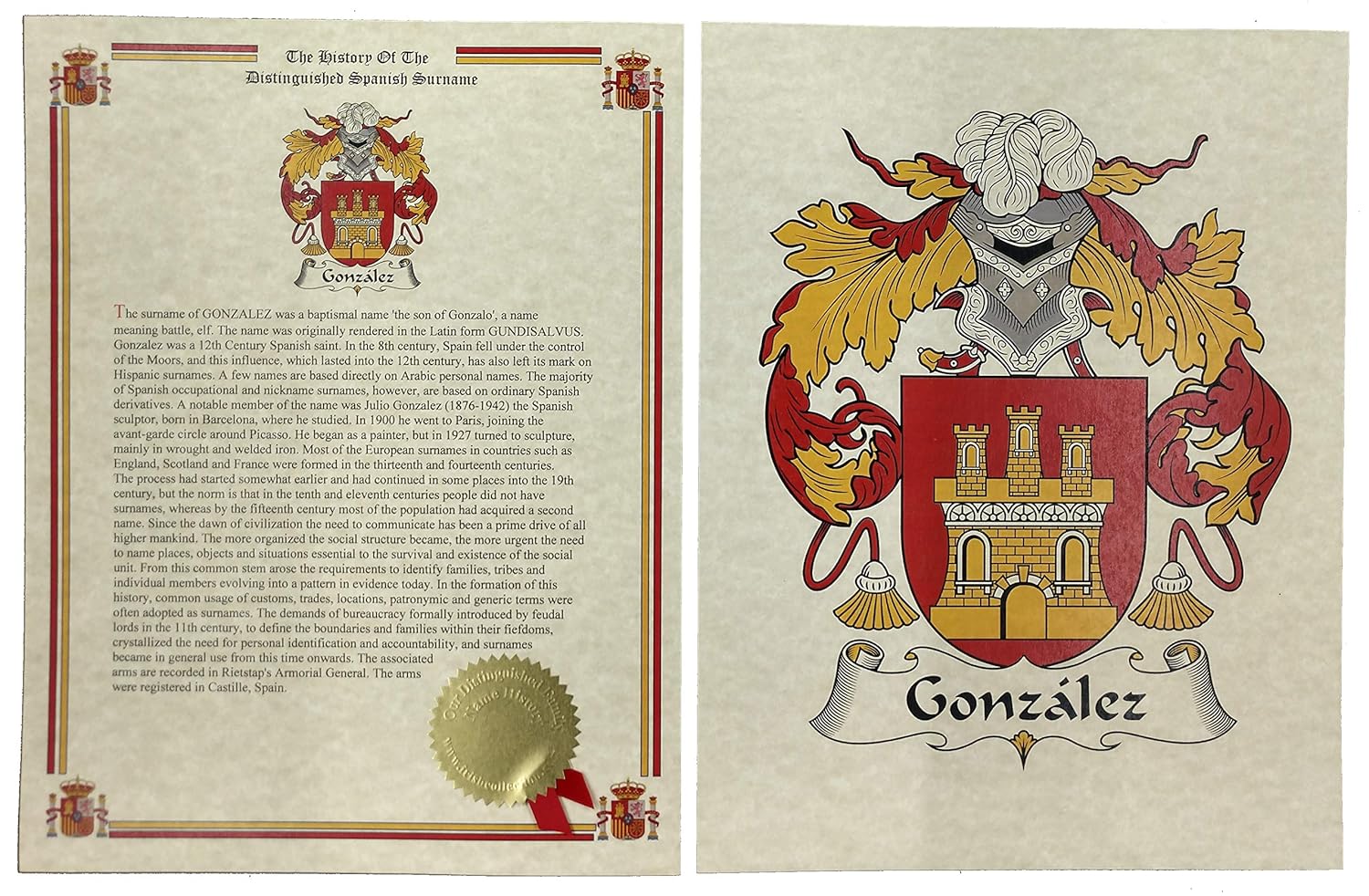
Is there a coat of arms for the name Gonzalez? There are many different coats of arms associated with the name, but these are generally linked to specific families or heraldic jurisdictions in Spain. One should not assume a "universal" Gonzalez family crest exists; a specific crest must be linked to a documented branch of the family.
Practical Steps for Further Research
If you are currently researching your own family history and have the surname Gonzalez, your next best action is to narrow your scope to the specific parish or municipality of your oldest known ancestor. Because the name is common, broad searches will yield thousands of irrelevant results. Focus on identifying the specific Gonzalo from whom your line originated. Accessing regional archives—such as the Archivo General de Indias for colonial-era connections or local civil registries in your country of interest—will provide the granular evidence required to isolate your unique genealogical path from the broader sea of individuals sharing the same surname.
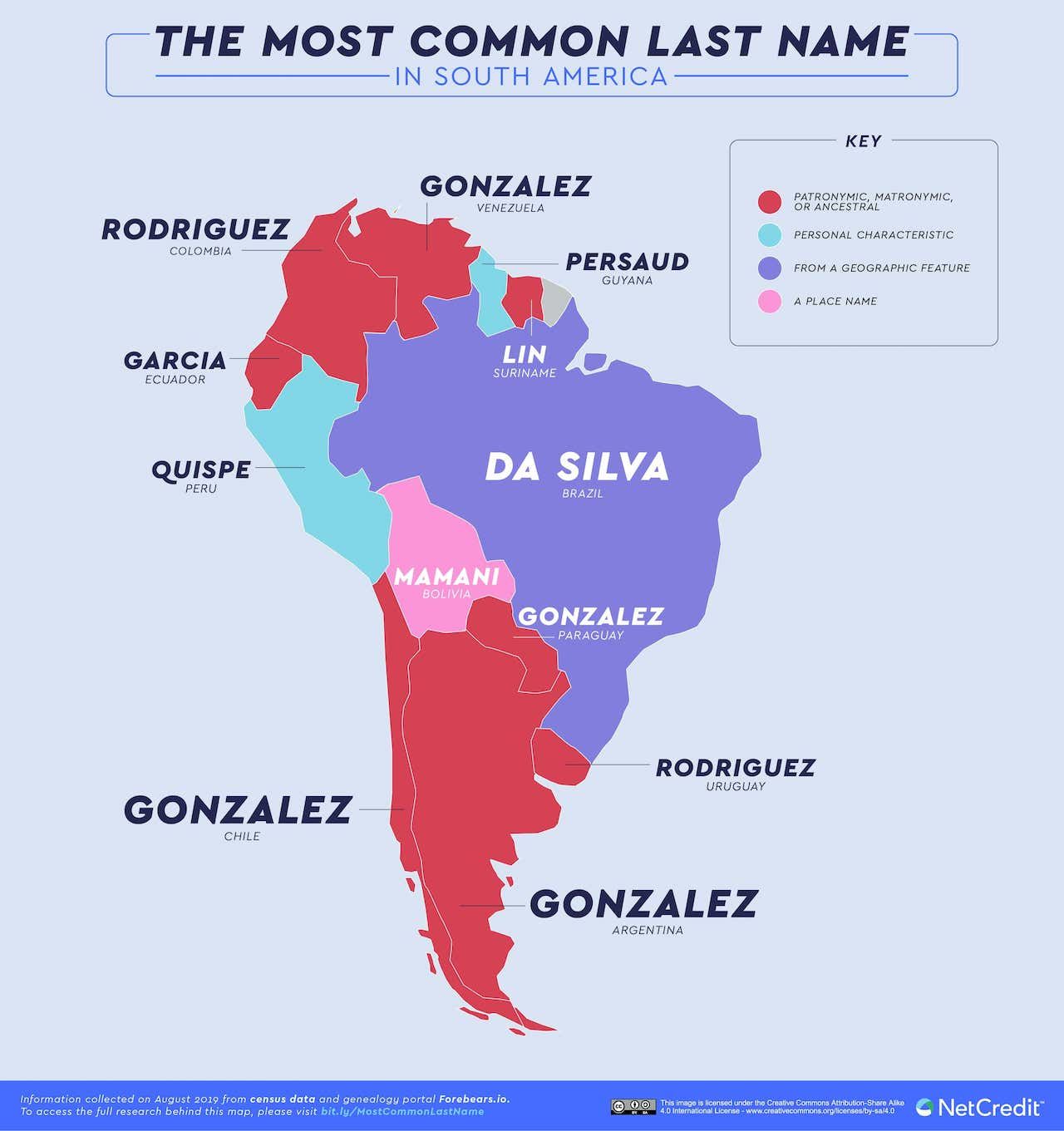
Image Gallery
Select an image to open it in a new tab.

Vivian Cho
Executive IT and Emerging Technologies Reporter
