The Rise and Remix of 90s Superstars: A 2026 Cultural and Economic Analysis

The 1990s established a unique "superstar" blueprint defined by a global mass-media monoculture and the peak of physical media sales. By 2026, these icons have been "remixed" through high-definition digital restoration, AI-assisted media production, and strategic brand reclamation. This dual existence allows 90s legends to dominate modern streaming platforms and live touring circuits while simultaneously serving as the aesthetic foundation for Gen Z pop culture.
The Architect of the Icon: Why the 90s Produced Global Superstars
To understand the "remix" of 1990s stardom in 2026, one must first analyze the specific conditions that created such enduring figures. The 1990s represented the final decade of the traditional monoculture—a period where a handful of media outlets, primarily MTV, terrestrial radio, and major film studios, dictated global taste.
The Gatekeeper Era
Unlike the fragmented digital landscape of 2026, the 1990s relied on high-barrier-to-entry gatekeepers. To become a superstar, an artist required a massive capital investment from a major label or studio. This resulted in a "larger-than-life" quality. Stars like Julia Roberts, Will Smith, and Michael Jackson were not "relatable" in the way modern influencers are; they were untouchable icons. This scarcity of access created a deep-seated brand loyalty that persists today.
The Peak of Physical Revenue
The 1990s was the most profitable era in the history of the music industry due to the Compact Disc (CD). In 1999, the US music industry peaked at roughly $14.6 billion in revenue (unadjusted for inflation). This massive influx of cash allowed for the production of high-budget music videos and extensive world tours, cementing the visual identities of artists like Britney Spears and Nirvana. In 2026, these high-budget visuals are the primary assets being "remixed" for 8K displays and social media snippets.
The Mechanics of the "Remix": How Legacy is Managed in 2026
In 2026, the term "remix" refers to more than just music production. it describes the comprehensive overhaul of a 90s star’s career to fit the technological and ethical standards of the mid-2020s. This involves three primary pillars: technological restoration, rights reclamation, and narrative shifting.
1. Technological Restoration and AI Integration
Many iconic 90s music videos were shot on film but edited on standard-definition tape, making them look dated on modern screens. As of 2026, AI-driven upscaling has become the industry standard. Labels have systematically re-released the entire 90s catalog in 4K and 8K, often using generative AI to fill in missing details or correct color grading that has faded over time.
Furthermore, AI vocal modeling has allowed 90s artists to "collaborate" with their younger selves. We have seen artists like Mariah Carey or Celine Dion release "anniversary editions" where 2026 vocal takes are blended seamlessly with 1990s masters, creating a hybrid sound that bridges the gap between generations.
2. The Rights Reclamation Movement
Inspired by the "Taylor’s Version" phenomenon of the early 2020s, many 90s superstars have spent the last few years reclaiming their masters or re-recording their greatest hits. This has been a critical "remix" of their business models. By owning their masters in 2026, these artists can directly license their music to streaming platforms, biopics, and luxury fashion advertisements, bypassing the restrictive contracts they signed as teenagers in the 90s.
3. Narrative Shifting and Documentaries
The "remix" also applies to the public perception of these stars. The early 2020s saw a reckoning with how the media treated 90s icons—specifically women like Britney Spears, Janet Jackson, and Pamela Anderson. In 2026, the standard "remix" for a 90s superstar involves a prestige documentary (often on platforms like Netflix or HBO) that re-contextualizes their past struggles through a modern lens of mental health awareness and feminist critique.
The Economic Engine of Nostalgia: Comparing Eras
The financial viability of 90s superstars in 2026 is not merely a matter of sentiment; it is a calculated sector of the entertainment economy. Institutional investors, such as Blackstone and Hipgnosis, have spent billions acquiring the publishing catalogs of 90s legends, betting on their "evergreen" status.
| Metric | The 1990s "Rise" | The 2026 "Remix" |
|---|---|---|
| Primary Revenue Source | Physical CD Sales ($15–$20 per unit) | Streaming Royalties & Catalog Licensing |
| Media Format | Standard Definition (480i) / MTV | 8K Ultra-HD / Spatial Audio / TikTok |
| Discovery Method | Radio Airplay & Retail Endcaps | Algorithmic Playlists & Social Media Trends |
| Live Performance | Traditional World Tours | Hybrid Tours (Holograms + Live Musicians) |
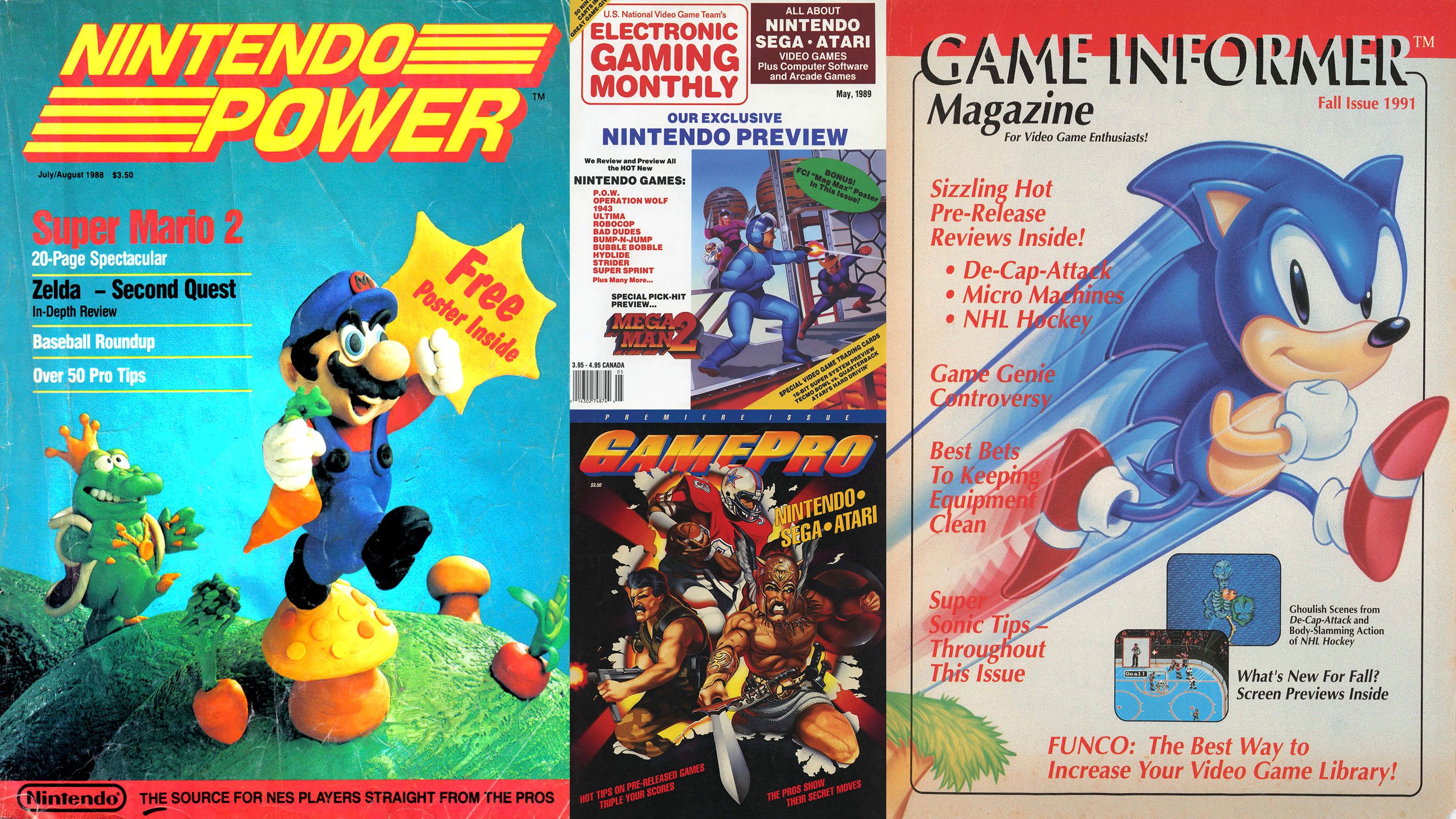
| Fan Interaction | Fan Clubs (Mail-in) & Magazines | Direct-to-Consumer (Social Media/Discords) |
| Career Longevity | Expected 5–10 year "Peak" | Perpetual "Legacy" status via IP management |
Case Studies: The 2026 Evolution of 90s Icons
The Grunge Legacy: Nirvana and Pearl Jam
While Kurt Cobain passed in 1994, the "Nirvana" brand is more potent in 2026 than ever before. The "remix" here is fashion-led. The iconic "smiley face" logo and the grunge aesthetic have become a permanent fixture in "fast-fashion" and luxury streetwear alike. In 2026, the estate manages the brand not just as a band, but as a lifestyle symbol that represents "authentic rebellion" to a generation born twenty years after Cobain’s death.
The Pop Princess Pivot: Britney Spears
Post-conservatorship, Britney Spears represents the ultimate narrative remix. In 2026, she is no longer viewed through the lens of tabloid fodder but as a pioneer of artist autonomy. Her influence is felt in how modern stars manage their social media presence and legal protections. Musically, her 90s hits have been revitalized through "official" remixes by modern producers, keeping her sound relevant in nightclubs and on fitness apps.
The Hip-Hop Moguls: Jay-Z and Dr. Dre
The 90s saw the rise of hip-hop from a subculture to the dominant global genre. In 2026, the 90s hip-hop "remix" is characterized by the transition from artist to institutional mogul. These figures now control the platforms and liquor brands that the current generation consumes. Their 90s catalogs serve as the "prestige" backbones of streaming services like Tidal and Apple Music, often used in spatial audio showcases to demonstrate high-fidelity sound.
The "Legacy Sequel" in Cinema and TV
The remix of 90s superstars extends to Hollywood. The "Legacy Sequel"—a film that brings back original 90s actors to mentor a new generation—has become the dominant box office strategy. Following the success of Top Gun: Maverick, the 2024–2026 period has seen a surge in 90s-era franchises returning to the screen.
This isn't just about actors reprising roles; it's about using de-aging technology to allow 90s stars to appear as their younger selves in flashbacks, effectively "remixing" their physical appearance to match the audience's nostalgia. This has raised significant legal and ethical questions regarding "digital personality rights," a major legislative focus in 2026.
Challenges and Ethical Considerations
The rise and remix of 90s superstars is not without controversy. As we move deeper into 2026, three main issues have emerged:
- The "Death of the New": Critics argue that the industry's obsession with remixing 90s stars stifles new talent. When institutional money flows into 30-year-old catalogs, there is less venture capital for the superstars of the 2030s.
- AI Ethics: The use of AI to recreate the voices or likenesses of 90s stars (especially those who are deceased or incapacitated) remains a legal gray area. Organizations like the Screen Actors Guild (SAG-AFTRA) have been instrumental in 2025 and 2026 in establishing "digital consent" protocols.
- Historical Revisionism: The "narrative remix" through documentaries often glosses over the more problematic aspects of 90s culture, creating a sanitized, "Instagrammable" version of history that doesn't always align with the reality of the era.
Frequently Asked Questions
Why are 90s superstars still so popular in 2026?
The popularity stems from a combination of "Peak Monoculture" and technological accessibility. The 90s produced stars with nearly 100% global brand recognition because media was less fragmented. In 2026, technology has made it easier than ever to consume this content in high quality, while social media algorithms prioritize the "familiarity" that these icons provide.
How has AI changed the music of 90s artists?
AI is primarily used for two purposes in 2026: stem separation and vocal enhancement. Stem separation allows engineers to take old 90s recordings and isolate the vocals, drums, and instruments to create modern "spatial audio" or Atmos mixes. Vocal enhancement allows older artists to maintain their "signature" 90s sound on new recordings by smoothing out age-related changes in their voice.
What is the "Taylor Swift Effect" on 90s stars?
This refers to the movement where artists re-record their catalogs to gain control over their licensing and royalties. Many 90s artists, who signed predatory contracts in their youth, are using this strategy in 2026 to reclaim their financial independence and "remix" their business legacy.
Are 90s fashion trends still relevant in 2026?
Yes, but they have been "remixed." The 2026 version of 90s fashion—often called "Neo-Grunge" or "Y2K+25"—combines 90s silhouettes (baggy jeans, slip dresses) with modern sustainable materials and wearable technology. It is a visual remix that relies heavily on the imagery of 90s superstars.
Is it better to buy 90s music on physical media or stream it?
In 2026, streaming is the standard for convenience, but there is a massive "boutique" market for 90s vinyl and high-fidelity "remastered" physical sets. Collectors prefer physical media because it often includes the "original" un-remixed mix of the album, which some purists believe sounds more authentic than the AI-enhanced versions found on streaming platforms.
Practical Recommendation for Fans and Collectors
To truly experience the "rise and remix" of the 90s in 2026, fans should adopt a hybrid consumption model.
- Support Official Re-Releases: When an artist releases a "Version" or "2026 Remaster," it usually means they are finally seeing a larger share of the profit.
- Verify High-Fidelity Claims: Not all "4K Remasters" are equal. Look for releases that specifically mention "original negative scans" rather than simple AI upscaling.
- Invest in Catalog Rights (Carefully): For those interested in the financial side, some platforms now allow fans to buy "shares" in song royalties. Ensure these platforms are regulated and that the 90s artist is involved in the partnership.
The 1990s was the last era of the traditional icon, but 2026 has proven that these icons are not static. They are living, evolving brands that continue to be remixed for a world that refuses to let them go.
Image Gallery
Select an image to open it in a new tab.


Zara El-Hashem
Sociocultural Dynamics and Academics Writer
