Are Women More Likely to Be in Debt Than Men? A Comprehensive Financial and Economic Analysis

The question of whether women are more likely to be in debt than men involves a complex interplay of systemic wage gaps, caregiving responsibilities, and structural economic differences. While aggregate statistics sometimes show divergent patterns in specific debt categories, such as student loans or medical debt, individual financial vulnerability is shaped more heavily by income disparities, wealth accumulation gaps, and life course events than by gender alone.
Understanding the Gender Debt Gap: An Overview
When examining the financial lives of men and women, researchers, economists, and consumer protection agencies frequently identify distinct trends in how debt is acquired, managed, and repaid. The term "gender debt gap" is often used to describe these observable differences. However, debt is rarely a standalone metric; it is deeply intertwined with broader economic indicators such as the gender wage gap, labor market segregation, wealth accumulation, and longevity.
To answer whether women are more likely to be in debt, it is necessary to look past broad generalizations and examine specific categories of debt—such as credit cards, mortgages, student loans, and medical debt. Furthermore, distinguishing between different life stages is essential, as young women, working mothers, and aging single women face radically different economic landscapes. Financial literacy, access to credit, and systemic lending biases historically and currently shape how debt accumulates across a person's lifetime.
Structural Drivers of Debt Among Women
Disparities in debt accumulation do not occur in a vacuum. Several structural economic factors disproportionately affect women, creating conditions where borrowing becomes a necessity rather than a choice. Understanding these drivers requires examining the foundational pillars of personal finance: earnings, savings, and career trajectories.
The Wage Gap and Earnings Disparities
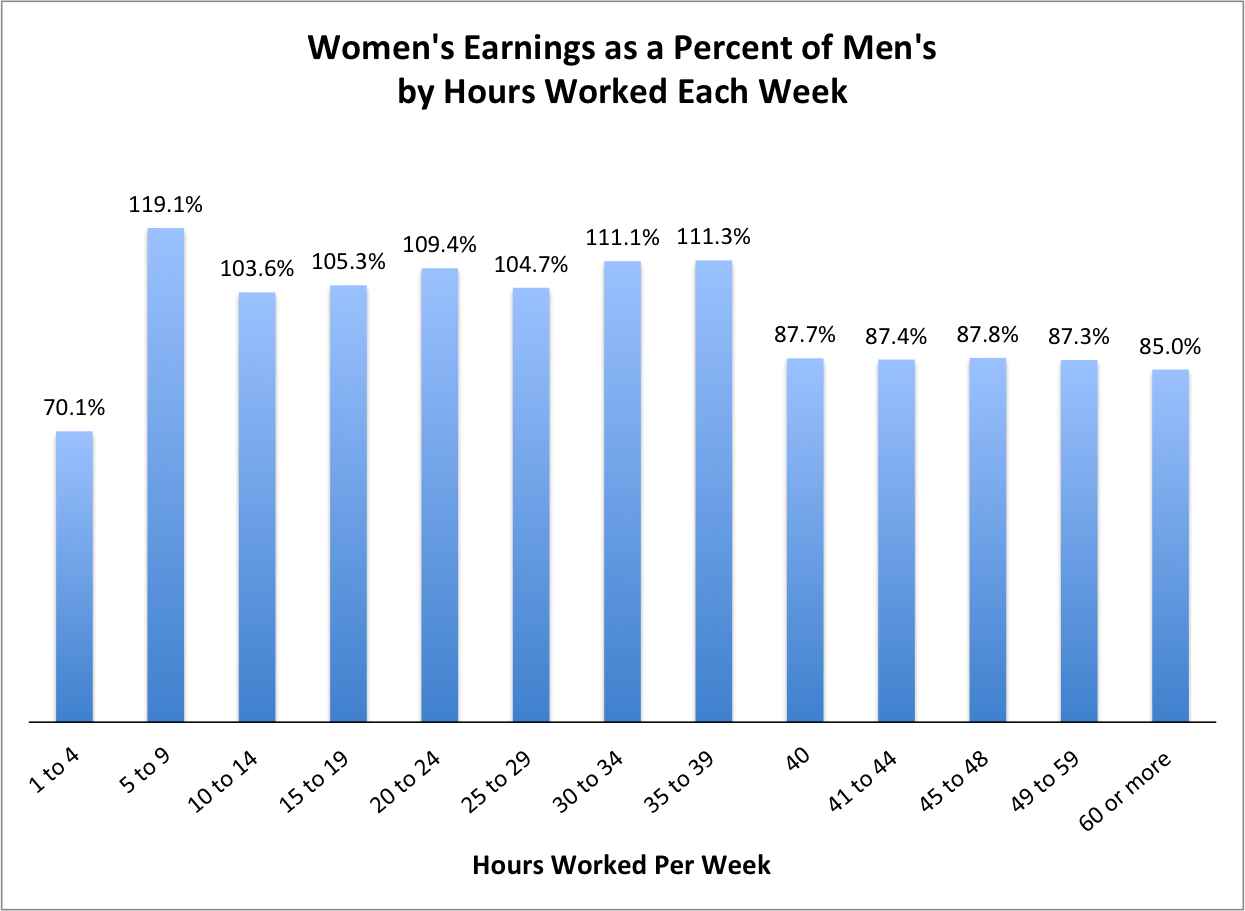
The gender wage gap remains a persistent reality across many global economies. According to data tracked by organizations such as the U.S. Bureau of Labor Statistics and the Organisation for Economic Co-operation and Development (OECD), women on average earn less than men for comparable work, with an even wider cumulative gap over a lifetime due to time spent out of the workforce.
When income is lower, disposable income diminishes, leaving a narrower margin to absorb unexpected financial shocks like car repairs, medical emergencies, or job loss. When emergencies occur, lower-income earners are more likely to rely on high-interest credit cards, personal loans, or payday lenders to bridge the gap. This structural limitation makes debt harder to avoid and significantly more challenging to pay down, as a larger percentage of a smaller income must be allocated toward baseline survival costs.
The Motherhood Penalty and Caregiving Responsibilities
Caregiving responsibilities—including child-rearing and eldercare—fall disproportionately on women. Sociologists and economists refer to the financial setback experienced by mothers as the "motherhood penalty." Women frequently step out of the workforce, reduce their hours, or transition to flexible, lower-paying roles to manage family care obligations.
This career interruption leads to:
- Reduced immediate earning potential and slowed career progression.
- Lower contributions to retirement accounts, such as 401(k)s or pensions.
- Depleted personal savings, which increases reliance on borrowing during family transitions.
Conversely, fathers often experience a "fatherhood bonus," receiving higher wages and greater career advancement after having children, which further widens the household and individual financial divergence between genders.
Wealth Accumulation and Asset Poverty
Debt is the flip side of wealth. Individuals and households with fewer assets are fundamentally more vulnerable to debt. Historical wealth gaps mean that women enter adulthood and navigate mid-life with fewer inherited assets, lower homeownership rates among singles, and smaller investment portfolios.
When asset poverty is high, credit becomes the primary mechanism for smoothing consumption during income disruptions. Without a robust emergency fund or liquid assets, women are statistically more reliant on unsecured debt products, which generally carry higher interest rates and create compounding financial burdens.

Sector Breakdown: Types of Debt and Gender Disparities
Debt is not monolithic. Different forms of debt carry varying implications for long-term financial health. Analyzing how men and women distribute their borrowing across various financial products reveals distinct behavioral and structural patterns.
| Debt Category | Primary Trends & Gender Disparities | Underlying Causes |
|---|---|---|
| Student Loan Debt | Women hold a disproportionate share of total student loan debt in countries like the United States. | Higher enrollment rates in higher education combined with lower starting salaries, leading to slower repayment rates. |
| Credit Card Debt | Usage patterns vary, but women often carry balances to cover basic living expenses due to lower baseline incomes. | Income volatility, lower emergency savings, and reliance on revolving credit during cash-flow gaps. |
| Medical Debt | Women are frequently more burdened by medical debt, particularly related to reproductive health and higher longevity. | Out-of-pocket healthcare costs, pregnancy and childbirth expenses, and longer average lifespans requiring extended care. |
| Mortgage Debt | Single men and single women show different homeownership and mortgage acquisition rates, influenced by the wealth gap. | Higher barriers to accumulating down payments for single women due to the cumulative earnings and wealth gap. |
The Student Loan Crisis and Female Borrowers
One of the most heavily documented areas where women experience a distinct debt burden is higher education. Data compiled by organizations like the American Association of University Women (AAUW) highlights that women hold nearly two-thirds of the total outstanding student loan debt in the United States.
This imbalance is driven by two main factors:
- Higher Enrollment: Women have outnumbered men in college and university undergraduate and graduate enrollment for decades.
- The Repayment Gap: Because of the gender wage gap, women graduate into a labor market where they earn less on average than their male peers with the same degrees. Consequently, women allocate a smaller dollar amount—though often a higher percentage of their income—toward loan principal reduction, causing student loans to accrue interest and persist longer.
Medical Debt and Healthcare Utilization
Healthcare expenditures represent another critical flashpoint for debt. Studies by consumer protection and health policy organizations consistently show that women are more likely than men to report medical debt or delaying medical care due to cost.
This disparity is driven by biological and social factors:
- Reproductive Healthcare: Pregnancy, childbirth, and specialized gynecological care introduce significant out-of-pocket costs that men do not face.
- Longevity: Because women outlive men on average, they incur higher cumulative healthcare and long-term care costs in their later years, frequently depleting fixed incomes and forcing reliance on credit.
Life Stages, Aging, and Financial Vulnerability
Debt accumulation shifts significantly across different phases of the human lifecycle. A young professional navigating early career debt faces different challenges than a single mother or an aging widow.
Early Adulthood and Education Entry
In early adulthood, debt is often an investment in future earnings, primarily through student loans. However, because young women often enter the workforce at lower starting salaries than young men, the debt-to-income ratio at age 22 to 30 can be noticeably less favorable for female graduates, setting a slower pace for wealth accumulation right out of the gate.
Mid-Life and Family Formation
During mid-life, financial strain often peaks due to family formation, housing costs, and caregiving expenses. Women who pause their careers or shift to part-time work experience suppressed earnings during the exact years when peak earning and saving should occur. This friction point frequently forces households into consumer debt or refinancing mortgages to cover household deficits.
Later Life and the Retirement Gap
The culmination of lifetime wage gaps, career interruptions, and longer lifespans results in a well-documented retirement wealth gap. Older single women face a heightened risk of poverty and debt in retirement. With smaller pensions, lower Social Security payouts (which are calculated based on lifetime earnings), and depleted savings, aging women are uniquely vulnerable to fixed-income shortfalls, leading to mounting credit card balances or housing insecurity late in life.
Financial Literacy, Access to Credit, and Systemic Bias
Beyond macroeconomics, the interpersonal and institutional mechanics of banking and borrowing play a role in how debt is managed.
Historically, women faced explicit legal barriers to accessing credit independently. Prior to the passage of legislation such as the Equal Credit Opportunity Act (ECOA) of 1974 in the United States, women often required a male cosigner to open a bank account, secure a credit card, or take out a mortgage. While overt discrimination is now illegal, subtle biases and differences in financial education access continue to influence outcomes.
Studies on financial literacy indicate that while baseline knowledge between men and women is often comparable, confidence levels regarding complex financial instruments can vary. Access to targeted financial planning, investment advising, and wealth management services has historically been marketed more heavily toward male investors, though the financial industry has shifted toward more inclusive advisory models in recent years.
Mitigating Financial Vulnerability and Managing Debt
Regardless of systemic challenges, individuals can adopt strategic approaches to protect their financial health, minimize high-interest debt, and build long-term resilience.
- Prioritize Emergency Savings: Establishing a liquid emergency fund—even starting small with $500 to $1,000—reduces the immediate necessity of turning to high-interest credit cards or payday loans during a crisis.
- Evaluate Debt Payoff Strategies: Utilize structured repayment frameworks such as the debt avalanche method (paying off highest-interest debt first to minimize total interest paid) or the debt snowball method (paying off smallest balances first for psychological momentum).
- Negotiate Compensation: Actively researching market rates and negotiating starting salaries, raises, and promotions helps mitigate the compounding effects of the wage gap early in a career.
- Maximize Retirement Contributions: Taking full advantage of employer-sponsored matching programs and understanding retirement account options ensures that long-term asset growth keeps pace with inflation and longevity.
- Seek Professional Guidance: Consulting certified financial planners (CFPs) who operate on a fee-only fiduciary basis can provide objective, personalized strategies for debt management and wealth building.
Disclaimer: Financial situations vary significantly based on individual circumstances, regional economies, and legal jurisdictions. Readers should consult with qualified financial, legal, or tax professionals before making major financial decisions or entering into debt consolidation agreements.
Frequently Asked Questions
Are women charged more for credit cards or loans?
Directly charging different interest rates based solely on gender is illegal in many jurisdictions under lending regulations like the Equal Credit Opportunity Act. However, because women statistically have lower average incomes and smaller credit histories at certain life stages, they may occasionally qualify for lower credit limits or be offered less favorable terms if lenders assess higher risk based on debt-to-income ratios.
Why do women hold more student loan debt than men?
Women hold more total student loan debt primarily because they enroll in higher education at higher rates than men and often face the gender wage gap upon graduation. Lower average starting salaries mean that women pay down their principal balances at a slower rate, allowing interest to accumulate over longer repayment periods.
How does motherhood impact long-term debt risk?
Motherhood often introduces the "motherhood penalty," where women take time out of the workforce or reduce work hours to handle caregiving responsibilities. This leads to diminished lifetime earnings, reduced retirement savings, and a higher reliance on consumer debt to cover household expenses during income transitions.
Is the gender debt gap narrowing or widening?
The landscape is mixed. While educational attainment and labor force participation among women have increased significantly, the underlying wealth gap, persistent wage disparities, and rising costs of living mean that structural vulnerabilities to debt remain a significant challenge for many women.
What is the best strategy for women facing high-interest debt?
The most effective strategy involves pausing new credit card usage, cataloging all outstanding debts by interest rate and balance, and implementing a targeted payoff plan like the debt avalanche method. Additionally, building a modest emergency fund simultaneously prevents the cycle of new debt accumulation when unexpected expenses arise.
Conclusion and Next Actions
Whether women are more likely to be in debt depends heavily on the specific type of debt and the life stage examined. While systemic factors such as the wage gap, the motherhood penalty, and lower baseline wealth accumulation create heightened financial vulnerability, proactive financial planning offers a path forward. To protect personal financial health, conduct a thorough audit of all current debt obligations, establish an automated emergency savings plan, and evaluate repayment strategies that prioritize high-interest liabilities. Taking these deliberate steps helps build resilience against broader economic disparities.
Image Gallery
Select an image to open it in a new tab.


Declan O'Connor
Higher Education and Campus Culture Reporter
