Understanding HER2-Positive Breast Cancer: Meaning, Diagnosis, and Treatment Options
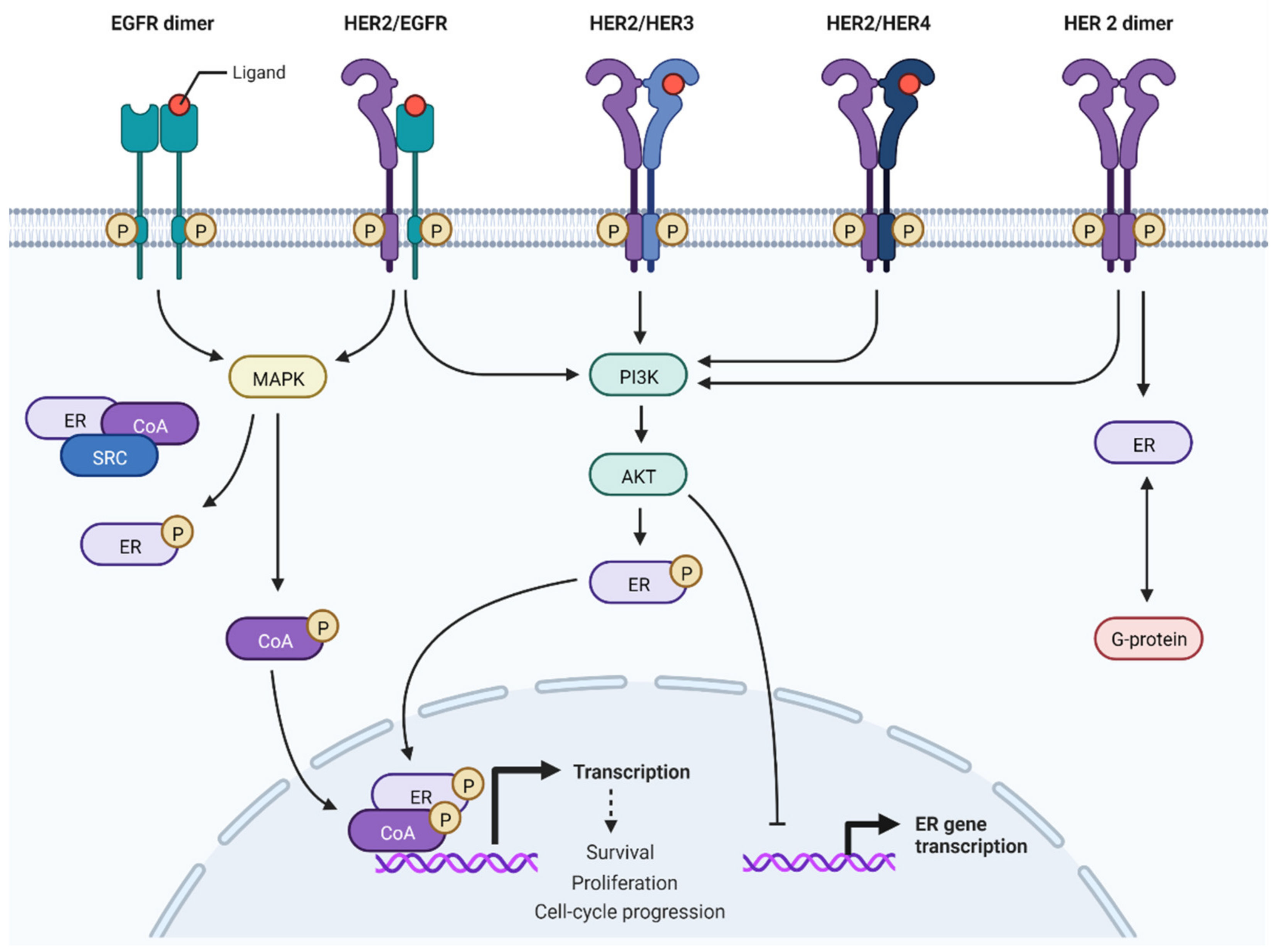
A HER2-positive diagnosis means that breast cancer cells have an abnormally high level of the Human Epidermal Growth Factor Receptor 2 (HER2) protein. This protein promotes the rapid growth and division of cancer cells. While historically considered more aggressive, HER2-positive cancers now respond exceptionally well to specialized targeted therapies that specifically block these receptors.
The landscape of oncology has shifted dramatically over the last several decades, and as of 2026, the term "HER2-positive" carries a much different weight than it did in the early 2000s. Understanding the biological meaning of this status is the first step in navigating a modern treatment plan. This status is determined through specific laboratory tests performed on a tissue biopsy, and the results dictate whether a patient will benefit from life-saving targeted treatments.
The Biological Function of the HER2 Protein
To understand what it means to be HER2-positive, one must first understand the role of the HER2 protein in a healthy body. Every human has the HER2 gene, which is responsible for creating HER2 receptors. these receptors are proteins found on the surface of breast cells. In a healthy cell, these receptors act like "on/off" switches that regulate how the cell grows, divides, and repairs itself. They receive signals from growth factors that tell the cell when it is time to multiply.
In roughly 15% to 20% of breast cancer cases, the HER2 gene does not function correctly. It undergoes a process called "amplification," where the body creates too many copies of the gene. These extra genes then produce an overabundance of HER2 receptors on the cell surface—a phenomenon known as protein overexpression.
When a cancer cell is covered in these receptors, it is constantly receiving signals to grow and divide. This is why HER2-positive breast cancers were historically associated with faster progression and a higher likelihood of recurrence compared to HER2-negative subtypes. However, the very protein that makes these cells aggressive also serves as a "bullseye" for modern medications. Because these receptors are unique to the cancer cells (or found in much lower quantities on healthy cells), scientists have developed drugs that can find and neutralize them without damaging the surrounding healthy tissue as severely as traditional chemotherapy might.
How HER2 Status is Determined: Testing and Scoring
Following a breast cancer diagnosis via biopsy or surgery, a pathologist performs specialized tests on the tumor tissue to determine its HER2 status. This is not a voluntary check; it is a standard of care required to formulate an effective treatment strategy. There are two primary methods used to measure HER2.
Immunohistochemistry (IHC)
The IHC test is usually the first step. It uses chemical dyes to stain the HER2 proteins on the surface of the cells. The pathologist then observes the tissue under a microscope and assigns a score based on the intensity and percentage of staining.
- 0 or 1+ (Negative): The amount of HER2 protein is considered within the normal range.
- 2+ (Equivocal): The results are borderline or unclear. The protein level is higher than normal but not definitively "positive."
- 3+ (Positive): There is a significant overabundance of HER2 protein on the cell surfaces.
Fluorescence In Situ Hybridization (FISH)
If an IHC result comes back as 2+ (equivocal), a second, more specialized test called FISH is performed. Rather than looking at the protein on the surface, FISH looks directly at the DNA inside the cell to see if there are too many copies of the HER2 gene.
A FISH test is reported as either "positive" (gene amplification is present) or "negative" (gene amplification is not present). As of 2026, the clinical guidelines emphasize that any patient with a 3+ IHC score or a positive FISH result is considered HER2-positive and is a candidate for HER2-targeted therapy.
The Emerging "HER2-Low" Category
It is important to note that the binary "positive vs. negative" distinction has evolved. Patients who score 1+ or 2+ on IHC but are FISH-negative are now frequently classified as HER2-low. This is a critical distinction because recent clinical advancements have shown that some targeted therapies, particularly antibody-drug conjugates, are effective even in these lower-expression cases.
Comparing HER2 Status and Diagnostic Implications
| Test Result | Interpretation | Classification | Likely Next Action |
|---|---|---|---|
| IHC 0 | Normal protein levels | HER2-Negative | Routine treatment (Chemo/Hormone) |
| IHC 1+ | Slight protein increase | HER2-Low | May qualify for specific ADCs |
| IHC 2+ | Ambiguous/Borderline | Equivocal | Must undergo FISH testing |
| IHC 3+ | High protein levels | HER2-Positive | Initiate HER2-targeted therapy |
| FISH Negative | Normal gene copies | HER2-Negative | Follow IHC status (0, 1+, or 2+) |
| FISH Positive | Gene amplification | HER2-Positive | Initiate HER2-targeted therapy |
Treatment Strategies for HER2-Positive Cancer
The "meaning" of being HER2-positive is perhaps most relevant in the pharmacy. Because the cancer is driven by a specific protein, doctors use "targeted therapy" to interrupt the growth signals. These treatments are often used in combination with surgery, radiation, and traditional chemotherapy.
Monoclonal Antibodies
The most famous targeted therapy is Trastuzumab (Herceptin). It works by attaching itself to the HER2 receptors on the cancer cells, effectively blocking them from receiving growth signals. It also alerts the body’s immune system to destroy the cells to which it is attached. In many cases, it is paired with Pertuzumab (Perjeta), which attaches to a different part of the HER2 receptor, creating a "dual blockade" that is more effective than one drug alone.
Antibody-Drug Conjugates (ADCs)
ADCs represent a revolutionary step in oncology. These drugs, such as Trastuzumab emtansine (Kadcyla) and Trastuzumab deruxtecan (Enhertu), consist of a HER2-targeted antibody linked to a potent chemotherapy payload. The antibody acts as a homing missile, finding the HER2-positive cell and delivering the chemotherapy directly inside it. This maximizes the impact on the tumor while minimizing systemic side effects.
Tyrosine Kinase Inhibitors (TKIs)
While antibodies work on the outside of the cell, TKIs like Lapatinib (Tykerb), Neratinib (Nerlynx), and Tucatinib (Tukysa) work on the inside. They are small-molecule drugs that can penetrate the cell membrane and block the internal signaling pathways that tell the cancer cell to multiply. These are particularly useful if the cancer has spread to the brain, as some TKIs can cross the blood-brain barrier more effectively than larger antibody molecules.
The Relationship Between HER2 and Hormone Receptors
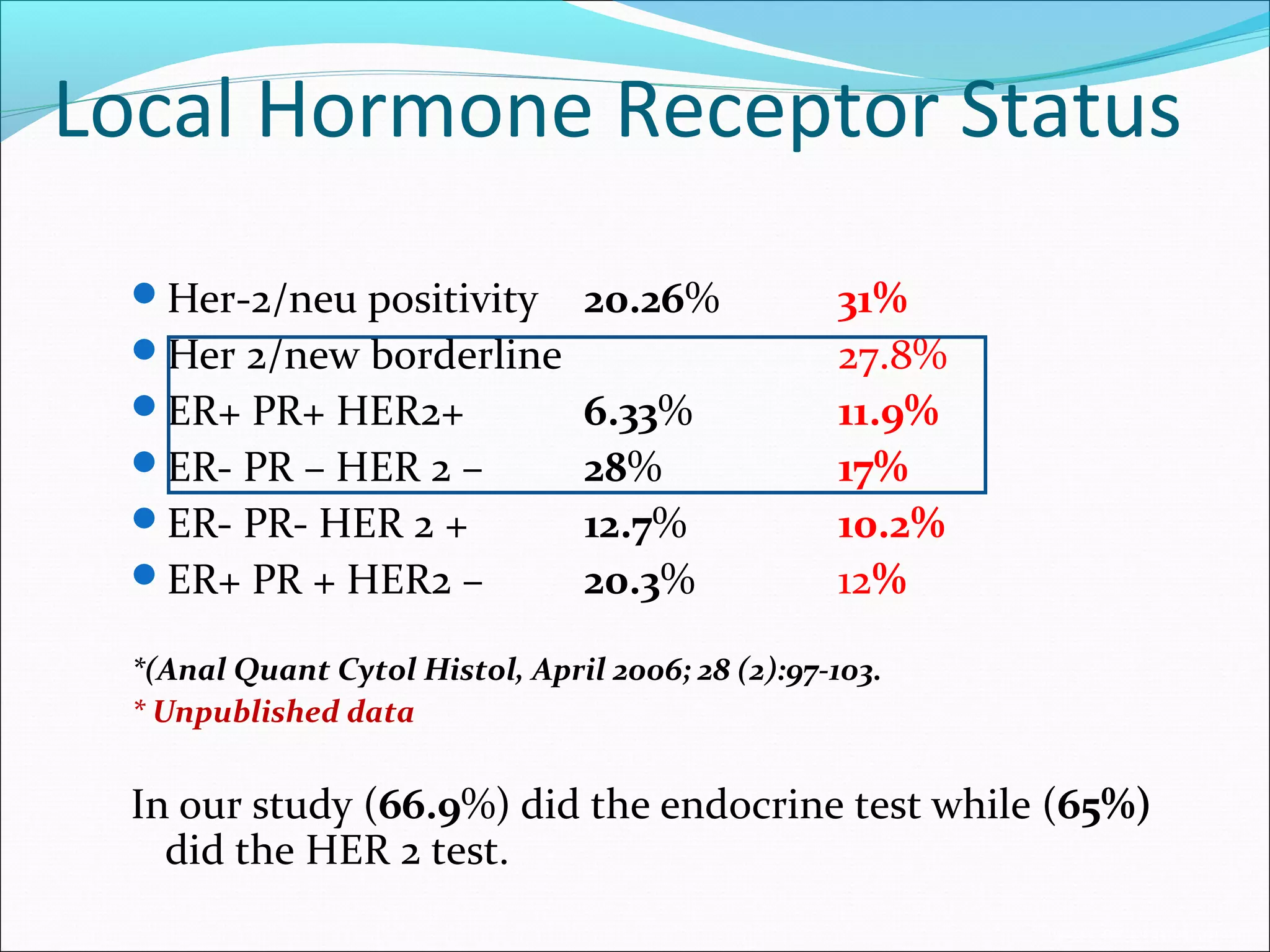
HER2 status does not exist in a vacuum. During the diagnostic process, doctors also test for hormone receptors: Estrogen (ER) and Progesterone (PR).
If a tumor is HER2-positive and also ER/PR-positive, it is referred to as Triple-Positive Breast Cancer. In these cases, the cancer is fueled by both the HER2 protein and hormones. Treatment for triple-positive cancer is comprehensive, involving HER2-targeted drugs alongside hormone-blocking therapies (such as Tamoxifen or Aromatase Inhibitors).
If a tumor is HER2-positive but ER/PR-negative, it is simply called HER2-positive. These tumors rely solely on the HER2 pathway for growth and are usually treated with a combination of HER2-targeted drugs and chemotherapy, but they do not require hormone therapy.
Prognosis and Long-Term Outlook in 2026
Historically, a HER2-positive diagnosis was feared due to the aggressive nature of the cells. However, in the current medical era, the prognosis for HER2-positive patients has improved more significantly than almost any other subtype of breast cancer.
With the introduction of neoadjuvant therapy—treatment given before surgery—many patients experience a "pathological complete response" (pCR). This means that by the time the surgeon operates, no visible cancer remains in the breast or lymph nodes. Patients who achieve pCR generally have excellent long-term outcomes and a very low risk of recurrence.
Even in the metastatic (Stage IV) setting, HER2-positive cancer is increasingly treated as a chronic condition rather than a terminal one. The sequential use of different targeted therapies allows patients to remain in remission for many years, maintaining a high quality of life.
Common Side Effects and Management
While targeted therapies are generally better tolerated than traditional chemotherapy, they are not without risks. Patients and caregivers should be aware of specific side effects associated with HER2 inhibitors.
- Cardiac Function: Because HER2 receptors are also found in small amounts on heart muscle cells, drugs like Trastuzumab can occasionally weaken the heart muscle. Patients typically undergo a baseline MUGA scan or echocardiogram before starting treatment, with follow-up scans every three months to monitor heart health.
- Diarrhea: This is particularly common with TKIs like Neratinib. Oncology teams often prescribe proactive anti-diarrheal medications to manage this.
- Infusion Reactions: Since most targeted therapies are administered intravenously, some patients may experience fever, chills, or nausea during or shortly after the infusion. These are usually manageable with pre-medications like antihistamines or acetaminophen.
- Lung Inflammation: Some newer ADCs have a small risk of Interstitial Lung Disease (ILD). Doctors monitor for new or worsening cough or shortness of breath.
FAQs About HER2-Positive Meaning
Does HER2-positive mean the cancer is hereditary?
No. HER2-positive status is a somatic mutation, meaning it occurs within the cancer cells themselves during a person's lifetime. It is not an inherited gene mutation like BRCA1 or BRCA2. Having HER2-positive breast cancer does not increase the risk of your children developing the disease.
Can HER2 status change over time?
Yes, it can. In some cases, if breast cancer recurs or spreads to another part of the body, the HER2 status of the new tumor may be different from the original (primary) tumor. This is known as "discordance." For this reason, it is standard practice to biopsy a metastatic site to re-verify the HER2 status before changing the treatment plan.
If I am HER2-positive, do I still need chemotherapy?
In most cases, yes. Targeted therapies like Herceptin are significantly more effective when combined with chemotherapy. The chemotherapy helps kill the cancer cells, while the targeted therapy prevents them from recovering and growing back. However, for some very small, early-stage tumors, "de-escalated" regimens involving less aggressive chemotherapy are now an option.
What is the difference between HER2-positive and HER2-low?
HER2-positive (IHC 3+ or FISH positive) means the cancer is heavily driven by the HER2 protein and will respond to all HER2-targeted drugs. HER2-low (IHC 1+ or 2+ and FISH negative) means there is a small amount of the protein present. While traditional HER2 drugs might not work for HER2-low, newer medications called antibody-drug conjugates have shown success in treating these cases.
Is HER2-positive cancer harder to treat than other types?
While HER2-positive cancer is biologically more aggressive than some hormone-positive/HER2-negative cancers, it is not necessarily "harder" to treat. Because we have so many highly effective, FDA-approved targeted drugs for HER2, the success rates for treatment are among the highest in oncology.
Next Steps for the Newly Diagnosed
If you or a loved one has received a HER2-positive diagnosis, the most important next step is to meet with a medical oncologist to discuss a personalized treatment plan. You may want to ask:
- What was my specific IHC and/or FISH score?
- Will I receive treatment before surgery (neoadjuvant) or after surgery (adjuvant)?
- Which specific targeted therapies (e.g., Herceptin, Perjeta, Enhertu) are recommended for my stage?
- How will my heart health be monitored throughout the treatment process?
- Are there any clinical trials available for my specific diagnosis?
Armed with the knowledge that HER2-positive status provides a clear target for modern medicine, patients can approach their treatment with a high degree of confidence and a focus on long-term health.
Image Gallery
Select an image to open it in a new tab.


Celine Dubois
Contemporary Living and Global Arts Columnist
