
Winter-themed flannel sheets feel cozy because of their specialized fiber brushing process, which creates a lofted, insulating nap that traps body heat and reduces thermal conductivity. This tactile surface, combined with the material’s inherent ability to regulate temperature by wicking away moisture, provides an immediate sensation of warmth that standard flat-weave cotton cannot replicate.
The Anatomy of Flannel: More Than Just a Fabric
To understand the unique sensation of flannel, one must first distinguish between "flannel" as a fabric structure and the materials used to create it. Flannel is not a specific fiber; rather, it is a technique of weaving and finishing. While flannel was historically made from wool, the modern bedding standard is almost exclusively cotton or a cotton-synthetic blend.
The process begins with a plain or twill weave, which provides the base structure of the sheet. However, the defining characteristic that renders flannel "cozy" is the napping process. During manufacturing, the fabric passes through a series of metal rollers fitted with fine wire brushes. This mechanical action gently abrades the surface of the fibers, lifting them from the weave to create a soft, fuzzy texture known as the "nap."
This nap is not merely aesthetic. By breaking the surface of the weave, the manufacturer creates millions of microscopic pockets between the fibers. These air pockets are the primary source of insulation. In the context of winter bedding, these pockets act as a thermal barrier, trapping the heat emitted by your body and preventing it from dissipating into the cold air of the room.
Thermal Regulation and the Physics of Insulation
When you slide into a bed during the winter months, your body is effectively a heat source. Standard percale or sateen sheets often feel cold to the touch because they are smooth and dense; they possess high thermal conductivity, meaning they rapidly pull heat away from your skin to match their own temperature.
Flannel works in the opposite manner. Because of the brushed fibers, the surface area in contact with your skin is reduced compared to a flat-weave fabric. The "loft" of the flannel provides a cushion of still air—the best natural insulator. Because air is a poor conductor of heat, the sheet does not "steal" warmth from your body. Instead, it allows a micro-climate to form between your skin and the fabric.
Furthermore, the seasonal appeal of winter-themed flannel—often featuring prints of snowflakes, plaid, or woodland motifs—creates a psychological effect that researchers often link to comfort-seeking behaviors. While the physical insulation is the primary driver, the visual cues of winter patterns are culturally associated with warmth, home, and safety, which can stimulate the release of serotonin and cortisol reduction when preparing for rest.
Material Composition: Cotton vs. Synthetic Blends
Not all flannel is created equal. Understanding the material composition is essential for selecting bedding that offers maximum coziness without becoming uncomfortable.
- 100% Cotton Flannel: This is widely considered the gold standard for quality. Cotton is a breathable, natural fiber. It is highly effective at moisture management; if you begin to sweat during the night, cotton will absorb and move that moisture away from your body, preventing that clammy feeling that often ruins a good night’s sleep.
- Cotton-Synthetic Blends: These are often used for affordability and durability. Polyester is hydrophobic, meaning it does not absorb moisture as well as cotton. While a blend may feel warm, it lacks the breathability of pure cotton, which can lead to overheating for some sleepers.
- Microfiber Flannel (Fleece): Often marketed as "flannel-fleece," this is technically a synthetic polyester knit rather than a true woven fabric. While extremely soft, it does not possess the breathability of cotton and can create a static-heavy environment.
Evaluating Flannel Quality: The Role of GSM
When shopping for winter-themed bedding, the most critical technical metric is GSM (Grams per Square Meter). This measurement represents the weight and density of the fabric.
- 150 GSM and below: This is lightweight flannel. It is less insulating and prone to thinning after several washes. It is suitable for transitional autumn weather but may not provide the desired "cozy" effect for deep winter.
- 160–180 GSM: This is the industry sweet spot for high-quality bedding. It feels substantial, holds heat well, and exhibits the durability required for repeated laundering without the surface nap degrading into unsightly "pilling."
- 190 GSM and above: These are heavy-weight flannels. They provide maximum insulation and a heavy, weighted feel that many find comforting. However, they may be too warm for homes with high central heating.
Comparison Table: Flannel Types and Performance
| Feature | 100% Cotton Flannel | Cotton/Poly Blend | Synthetic Fleece/Microfiber |
|---|---|---|---|
| Breathability | High | Moderate | Low |
| Moisture Control | Excellent | Moderate | Poor |
| Durability | High | Very High | High |
| Texture | Soft, natural nap | Smooth but soft | Very plush/fuzzy |
| Best For | Temperature regulation | Value and longevity | Maximum warmth |
The Impact of Winter Themes on User Experience
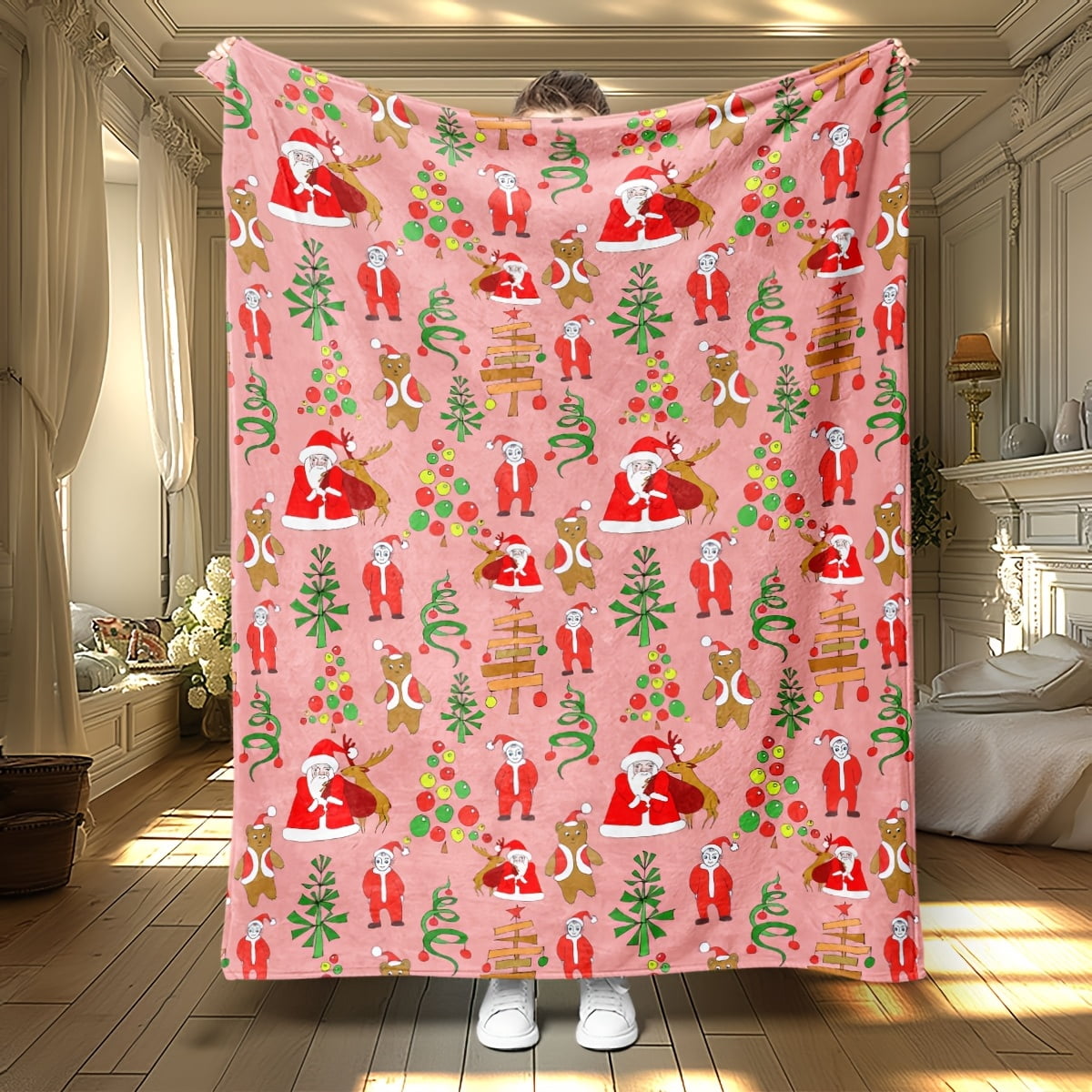
While the physics of the fabric provide the warmth, the "winter-themed" aspect serves an important role in the environment of the bedroom. The use of patterns such as tartan, nordic prints, or winter landscapes influences the aesthetic temperature of the room. Design psychology suggests that colors associated with winter themes—often deep reds, forest greens, navy blues, and cool-toned grays—create a "cozy-dark" environment that aligns with the circadian need for lower lighting and a more sheltered, cave-like sleeping space.
When a room is aesthetically aligned with the season, users often report a higher level of psychological satisfaction. Using themed sheets allows the bedding to become a centerpiece of the bedroom, transforming the bed into a distinct zone dedicated to warmth and rest, separate from the rest of the home.
Common Pitfalls and Maintenance
To maintain the cozy feeling of flannel throughout the winter season, proper care is required. The very quality that makes flannel soft—the brushed nap—is also what makes it vulnerable to wear.
- Avoid High Heat: Always wash flannel in cool or lukewarm water. High heat can shrink the natural fibers and cause the nap to mat down, which destroys the air pockets that provide the insulation.
- Limit Drying Time: Tumble dry on a low setting or air dry. Over-drying creates static electricity and increases the likelihood of pilling.
- Manage Pilling: Pilling occurs when the tiny fibers rub together and tangle. If your sheets begin to pill, use a fabric shaver to carefully remove the balls. This restores the smoothness of the surface without compromising the integrity of the weave.
- Rotate Sets: Do not use the same set of flannel sheets for the entire winter without a break. Allowing the fabric to rest between washes prevents the buildup of oils and sweat that can degrade the texture over time.
Troubleshooting "Uncozy" Flannel
If you find that your winter-themed flannel is not as cozy as expected, consider the following troubleshooting steps:
- Check for Surface Pilling: If the sheets feel rough, use a fabric shaver to clear the pilling. Often, what feels like a "cheap" fabric is simply a surface that has become matted.
- Layering Strategy: If the flannel is still not warm enough, you may be missing a secondary layer of insulation. Ensure your duvet or comforter is of a sufficient fill power. Flannel works best in conjunction with other layers to trap heat.
- Fabric Conditioner Usage: Avoid excessive fabric softener. While it may feel like it adds softness, it actually coats the fibers in a waxy residue that reduces breathability and can lead to a "greasy" texture over time.
Why Winter-Themed Sheets Endure
The popularity of these sheets remains steady in 2026 because they provide an immediate, tangible solution to the environmental shift caused by colder temperatures. Unlike upgrading a home’s insulation or installing expensive smart-heating systems, flannel bedding is a high-impact, low-cost intervention. The intersection of the mechanical brushing process, the high-GSM cotton weave, and the psychological comfort of seasonal aesthetics creates a comprehensive solution for cold-weather sleeping.
When selecting your next set, prioritize a high-GSM count in 100% cotton to ensure you receive the maximum thermal benefit. By maintaining these sheets with low-heat drying and avoiding harsh softeners, you can preserve the loft of the nap, ensuring that the sheets remain as cozy in the final weeks of winter as they were on the first night you brought them home.
Frequently Asked Questions
Why do flannel sheets pill more than regular cotton sheets? Flannel sheets pill because they are deliberately "brushed" to lift the fibers. Since these fibers are already loose from the surface of the weave, they are more susceptible to tangling through friction. This is a natural byproduct of the brushing process and does not necessarily indicate a lack of quality, provided the pilling is manageable.
Are flannel sheets safe for those with sensitive skin? Yes, generally. Because 100% cotton flannel is a natural, breathable material, it is often more suitable for sensitive skin than synthetic fleece, which can trap heat and humidity. If you have concerns, look for Oeko-Tex certified cotton, which ensures the fabric is free from harmful levels of chemicals.
Do I need a higher thread count for flannel? No. Thread count is a metric used for smooth, flat-woven fabrics like percale. For flannel, the most important metric is GSM (grams per square meter). A higher thread count in flannel is often irrelevant because the surface is brushed; focus on the weight and the source of the cotton fibers instead.
Can I use flannel sheets in the summer? While you can, most people find them too insulating for warmer months. If you live in a climate with extreme temperature swings, you may find 100% cotton flannel comfortable, but for most, the heat-trapping nature of the nap makes it unsuitable for temperatures above 65°F (18°C).
How long should a good set of flannel sheets last? With proper care—washing in cool water and avoiding excessive drying—a high-quality set of 100% cotton flannel sheets should last between 3 to 5 winter seasons. You will know they are nearing the end of their life when the fabric becomes noticeably thin and the nap no longer feels soft, even after washing.

Image Gallery
Select an image to open it in a new tab.



Mateo Castillo
Decentralized Finance and E-Payments Strategist
