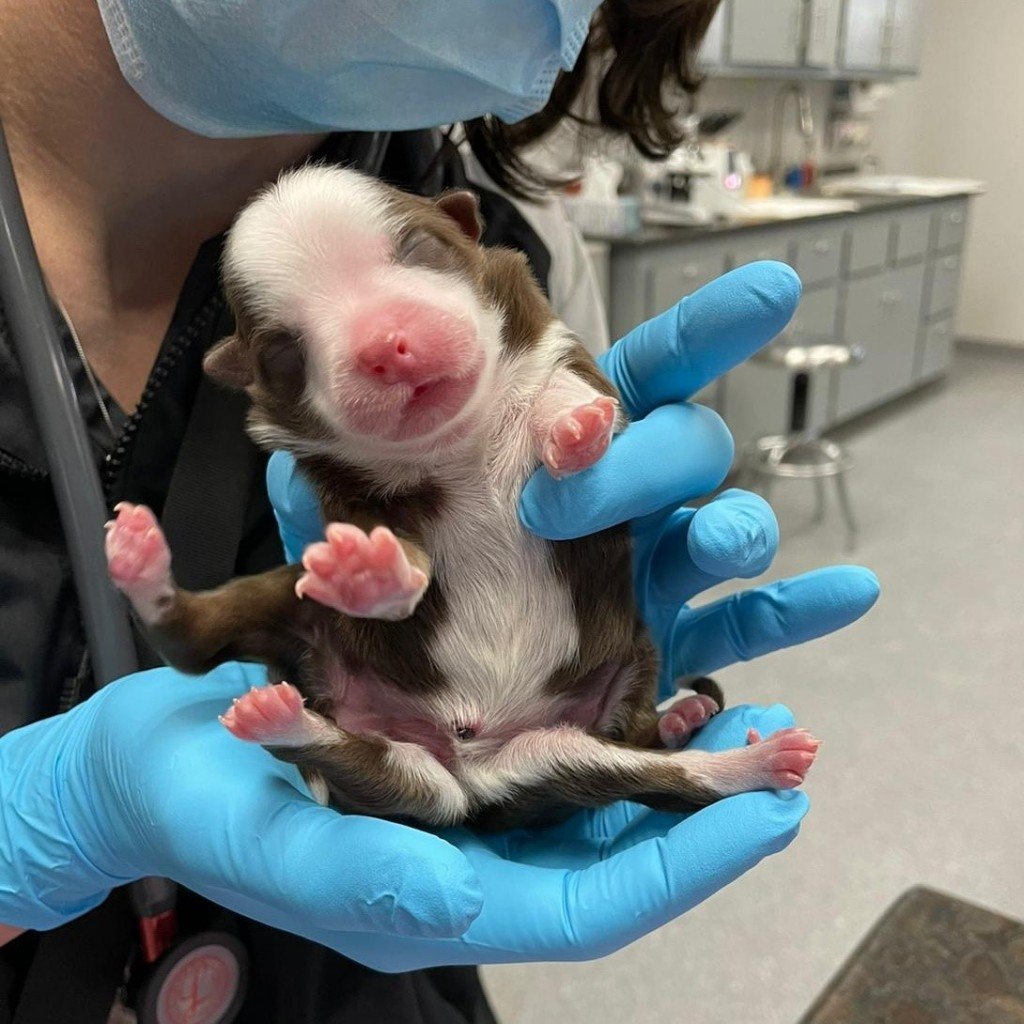
The "bald puppy phenomenon" refers to the observation of canine alopecia or hair loss in very young dogs, ranging from congenital genetic conditions to acquired environmental or health-related issues. Understanding this phenomenon requires differentiating between breed-standard hairless traits, temporary developmental stages, and underlying medical pathologies that necessitate veterinary intervention to ensure the animal's long-term health and skin integrity.
Understanding the Spectrum of Puppy Hair Loss
The term "bald puppy" is broad and often misleading, as it encompasses a spectrum of conditions. To approach the subject effectively, one must distinguish between the purposeful breeding of hairless varieties and the pathological hair loss that occurs in puppies that should typically be coated.
In the case of purposeful hairlessness—such as the American Hairless Terrier, the Chinese Crested, or the Xoloitzcuintli—the "phenomenon" is actually a stable, genetically selected trait. These dogs are born with a specific hair-growth deficiency governed by complex hereditary factors. Conversely, the "bald puppy phenomenon" in coated breeds is a medical concern. It often manifests as patches of hair loss (alopecia), thinning of the coat, or a complete lack of hair in localized areas. Identifying whether the condition is physiological (normal for the breed), developmental, or pathological is the first step for any owner or breeder.
Physiological vs. Pathological Alopecia
Not all hair loss in puppies signals an emergency. Some breeds experience "puppy fuzz" or a transition phase where they lose their soft, downy coat before the adult coat grows in. This transition is usually uniform and symmetrical, lacking the inflammation or scabbing associated with illness.
Pathological alopecia, however, is characterized by disruptions in the hair growth cycle. This can occur due to:
- Follicular Dysplasia: A group of genetic disorders where the hair follicle itself is malformed, leading to thin or brittle hair that falls out prematurely.
- Endocrine Imbalances: Though more common in adult dogs, congenital thyroid issues or pituitary dwarfism can cause hair loss in young animals.
- Nutritional Deficiencies: Improper ratios of essential fatty acids, zinc, or protein can lead to a dull, patchy coat.
- Dermatological Infections: Mange (demodectic or sarcoptic), bacterial pyoderma, or fungal infections like ringworm often present as circular bald spots in puppies.
Common Causes of Unexpected Baldness
When a puppy presents with hair loss that is not a breed trait, several factors are frequently identified as the primary culprits.
Demodectic Mange
Demodex canis is a microscopic mite that resides in the hair follicles of almost all dogs. In puppies with underdeveloped immune systems, these mites can proliferate, causing hair loss, redness, and sometimes secondary infections. This is one of the most common causes of the bald puppy phenomenon in clinical practice. It is not contagious to humans or other pets in the same way sarcoptic mange is; rather, it is a sign that the puppy’s immune system is struggling to manage its own micro-flora.
Congenital Hypothyroidism
If a puppy displays not only hair loss but also lethargy, stunted growth, or a "puppy-like" coat that never sheds into an adult coat, congenital hypothyroidism may be suspected. This condition requires blood work to evaluate T4 and TSH levels. If left untreated, it can impact the metabolic development of the puppy significantly.
Immune-Mediated Folliculitis
Occasionally, a puppy’s own immune system may attack its hair follicles. This is a complex diagnosis usually made through a skin biopsy. It is less common than parasitic or fungal causes but represents a significant health challenge that requires specialized management by a veterinary dermatologist.
Comparative Table: Identifying Puppy Hair Conditions
| Condition | Primary Symptoms | Common Cause | Veterinary Action |
|---|---|---|---|
| Demodectic Mange | Patches of hair loss, red skin | Mite overgrowth (immature immunity) | Skin scrapings, medicated dips |
| Follicular Dysplasia | Symmetrical thinning, brittle hair | Genetics (breed-specific) | Genetic testing, supportive care |
| Ringworm | Circular lesions, scaly skin | Fungal infection (Dermatophytes) | Antifungal topicals, oral meds |
| Nutritional Deficiency | Dry skin, sparse coat, failure to thrive | Poor diet / malabsorption | Diet correction, blood profile |
| Breed Standard Hairless | Little to no hair, clear skin | Genetic mutation (FOXI3 gene) | Skin protection (sunscreen/coats) |
Diagnostic Pathways for Concerned Owners
If you suspect your puppy is experiencing abnormal hair loss, the diagnostic process follows a logical sequence. Veterinary professionals typically begin with a physical examination to determine the pattern of hair loss—is it patchy (suggestive of infection or mites) or generalized (suggestive of hormonal or genetic issues)?
- Skin Scrapings and Trichograms: Microscopic evaluation of the skin and hair shafts can reveal mites or fungal spores.
- Wood’s Lamp Examination: Used to quickly screen for certain types of ringworm that may fluoresce under ultraviolet light.
- Blood Panels: A complete blood count (CBC) and biochemistry panel are essential to rule out systemic metabolic issues or nutritional deficiencies.
- Skin Biopsy: In cases where simple infections have been ruled out, a small tissue sample is sent to a pathologist to examine the structure of the hair follicles.
Environmental Factors and Skin Care
For both naturally hairless breeds and puppies recovering from alopecia, skin care is a critical component of maintenance. The skin of a bald puppy is significantly more exposed to environmental hazards than that of a coated dog.
- UV Protection: Without the barrier of fur, puppies are highly susceptible to sunburn. In 2026, many veterinary clinics recommend pet-specific, non-zinc-based sunscreens for dogs with exposed skin.
- Moisturization: The skin can become overly dry or oily depending on the breed and environment. Using mild, pH-balanced shampoos designed for sensitive canine skin is necessary to prevent dermatitis.
- Temperature Regulation: Puppies have less insulation when they lack a coat. During colder months, they may require sweaters or vests to maintain body temperature, especially when outdoors.
Troubleshooting and When to See a Vet
Many owners delay seeking help, hoping the hair will "grow back in." However, time is often a critical factor. If you notice a "bald puppy" scenario, monitor the following signs:
- Progression: Is the baldness spreading rapidly? Rapid expansion of hair loss is a sign of an active infection or parasite that will not resolve on its own.
- Texture of Skin: Healthy, hairless skin should be soft. If the skin is thickened (lichenified), crusty, or emits an odor, an infection is likely present and will require systemic treatment.
- Behavior: Excessive scratching, rubbing, or biting at the bald spots indicates pruritus (itching). This is a strong indicator of a hypersensitivity or a parasitic issue.
If these symptoms appear, do not rely on over-the-counter remedies. Products designed for humans or adult dogs can often be toxic to a young puppy, whose liver and kidneys are still developing.
Managing Expectations for Genetic Conditions
It is important to emphasize that for breeds where hairlessness is a genetic standard, the "phenomenon" is essentially a managed state. These dogs are generally healthy, provided the owner acknowledges the limitations of their biology. Breeders should provide health clearances for genetic markers related to tooth development and skin health, as hairlessness genes are often linked to dental abnormalities.
For those dealing with non-standard alopecia, long-term management may involve lifelong supplementation or specialized diets. While it can be stressful to manage a puppy with unique skin needs, many dogs live full, happy lives with these conditions once the underlying cause is identified and managed.
Frequently Asked Questions
Why is my puppy losing hair in circular patches? Circular hair loss in puppies is frequently a sign of dermatophytosis, commonly known as ringworm. This is a fungal infection that requires antifungal treatment. You should visit a veterinarian to obtain a definitive diagnosis, as other conditions like demodectic mange can sometimes mimic the appearance of ringworm.
Is it normal for a puppy to be bald on their belly? Many puppies have naturally sparse hair on their abdomen, which may appear "bald." If the skin in that area is pink, soft, and free of scabs, it is likely normal. However, if the skin appears dark, thickened, or shows signs of inflammation, it warrants a check-up to rule out contact dermatitis or environmental allergies.
Does a bald puppy require special clothing? Yes, if the puppy has limited hair due to genetics or health issues, they are sensitive to temperature extremes and UV rays. A well-fitted, breathable, and soft sweater is recommended for cold climates, while protective, dog-safe clothing can prevent sunburn in summer. Ensure the fabric does not cause chafing on sensitive skin.
Can puppy alopecia be cured with diet changes? If the alopecia is strictly caused by a nutritional deficiency, then yes, diet correction is the cure. However, if the hair loss is caused by parasites, hormonal issues, or genetic follicular dysplasia, diet changes alone will not stop the hair loss. Always consult a veterinarian for a blood panel before attempting to treat the skin with dietary supplements.
Next Steps for Owners
If you are currently observing hair loss in your puppy, document the progression with photos and note any changes in behavior or appetite. Schedule an appointment with your veterinarian for an initial screening. Bring a list of any products, shampoos, or supplements you have already used, as this helps the vet narrow down the possibilities. Remember that the "bald puppy phenomenon" is almost always treatable, provided you prioritize a professional diagnosis over anecdotal advice found online.
Image Gallery
Select an image to open it in a new tab.
Mateo Castillo
Decentralized Finance and E-Payments Strategist
