The Water People of Wakanda Forever: Unpacking the Cinematic Identity and Mythology of Talokan
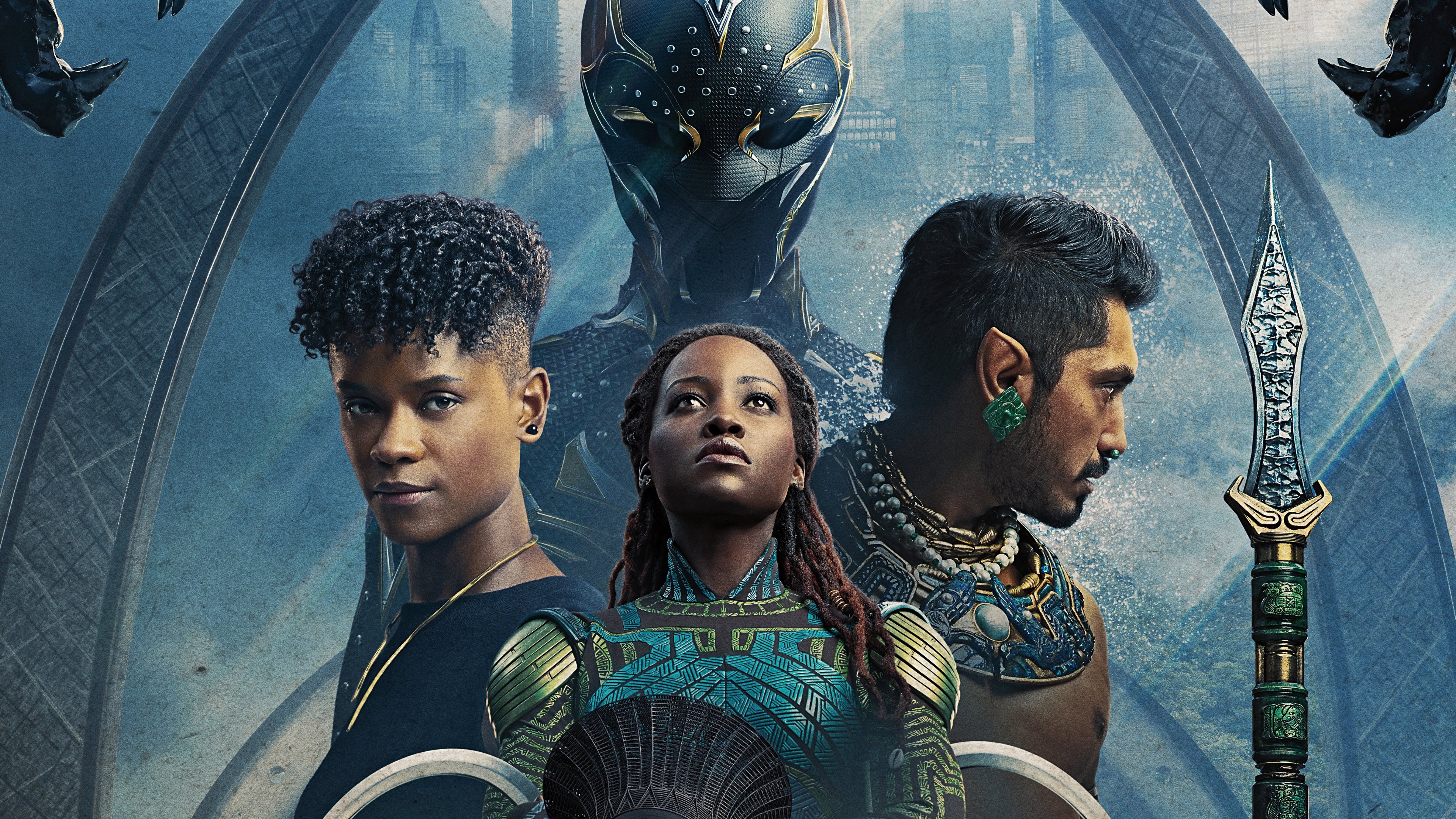
The water people of Wakanda Forever are the Talokanil, an ancient civilization of blue-skinned, water-breathing Mesoamerican-inspired people ruled by Namor. Led by their mutant monarch, K'uk'ulkan—also known as Namor—the Talokanil dwell in an advanced underwater kingdom hidden beneath the ocean, emerging to protect their isolation and resources from a surface world increasingly aware of vibranium's existence.
Introduction to the Talokanil
The cinematic landscape of the Marvel Cinematic Universe underwent a profound shift with the release of Black Panther: Wakanda Forever (2022). Beyond serving as an emotional tribute to the late Chadwick Boseman, the film expanded the geopolitical boundaries of the franchise by introducing a hidden underwater civilization. Often referred to colloquially by audiences as "the water people," this society is officially known as the Talokanil.
Understanding the Talokanil requires examining how the film adapts and reinterprets traditional comic book lore. In Marvel Comics, Namor the Sub-Mariner is traditionally the ruler of Atlantis, an underwater kingdom with Greek and Roman mythological roots. However, writer-director Ryan Coogler, production designer Hannah Beachler, and the creative team deliberately pivoted away from classic Atlantean tropes. Instead, they anchored the underwater people in rich Mesoamerican history—specifically Yucatec Maya culture. This creative choice distinguished the cinematic universe from other aquatic franchises, such as DC's Aquaman, while creating a compelling thematic parallel to Wakanda itself. Both nations are hidden civilizations possessing advanced technology powered by vibranium, and both fought fiercely to maintain their sovereignty against imperialist surface nations.
Origins and History: From the Surface to the Sea
The genesis of the Talokanil is rooted in tragedy, survival, and adaptation during the Spanish colonization of the Americas. Before they became the water-breathing inhabitants of Talokan, these people were a community of Maya residing in the Yucatán Peninsula during the 16th century.
As depicted in the film's historical flashbacks, Spanish conquistadors brought devastating diseases, violence, and subjugation to the region. Faced with eradication, a local shaman received a vision guiding the community toward a sacred herb imbued with vibranium—the very same extraterrestrial metal that enriched Wakanda. Consuming this plant altered their biology permanently. Their skin turned a deep, luminous blue, their eyes adapted to the pitch-black depths of the ocean, and they developed the physiological capability to breathe underwater while losing the ability to survive on land indefinitely (though Namor, as a mutant, retains unique hybrid traits that allow him to walk on air via tiny wings on his ankles).
Timeline of the Talokanil Evolution:
- 16th Century: Maya community faces Spanish colonization and oppression in Yucatán.
- The Ingestion: Villagers consume vibranium-infused flora under shamanic guidance.
- Biological Mutation: Physical transformation enables underwater respiration and blue pigmentation.
- Relocation: The survivors migrate to the deep ocean, establishing the hidden city of Talokan.
- Modern Era: Discovery of surface vibranium detectors forces the Talokanil into open conflict with Wakanda.
Rather than remaining on land as a persecuted minority, the community migrated into the ocean depths, building a breathtaking subterranean metropolis. They named their new home Talokan, drawing inspiration from Tlalocan, a mythical paradise in Aztec mythology associated with water, rain, and agricultural abundance. Over centuries, the Talokanil developed in complete isolation from the rest of the world, utilizing vibranium to construct monumental architecture, advanced weaponry, and medical technologies that mirror the innovations of Wakanda.

Culture, Society, and Mythology
Talokan is not merely a military faction; it is a complex, fully realized civilization with its own language, spiritual beliefs, and social hierarchies. Because the society originated from 16th-century Maya refugees, Yucatec Maya serves as the primary language spoken by its inhabitants, adding linguistic authenticity to the film's world-building.
Spiritual Beliefs and the Cult of K'uk'ulkan
At the center of Talokanil culture is the reverence for their king, Namor, whom they address by the Mesoamerican deity title K'uk'ulkan, the Feathered Serpent God. Because Namor was born a mutant with physical anomalies—including pointed ears and ankle wings—and was the first to undergo the transformation, he was viewed as a divine figure destined to lead his people out of darkness. The serpent motif echoes throughout Talokanil art, armor, and architecture, symbolizing rebirth, wisdom, and protection.
Daily Life and Adaptation
Living in the profound darkness of the deep ocean required the Talokanil to abandon traditional agriculture in favor of sustainable marine harvesting. Their architecture relies heavily on Mesoamerican step-pyramid designs, constructed with glowing bioluminescent elements and vibranium enhancements. Unlike the gleaming, sunlit skyscrapers of Wakanda, Talokan exists in an eerie, majestic twilight illuminated by bioluminescent flora and fauna, reflecting a culture perfectly adapted to an abyss-dwelling existence.
Military Capabilities and Tactical Strengths
The conflict in Wakanda Forever hinges on the reality that Talokan possesses military might comparable to, and in some areas exceeding, that of Wakanda. Their combat doctrine is specifically tailored for amphibious warfare, blending ancient melee weaponry with vibranium-enhanced technology.
- Vibranium Weaponry: The Talokanil utilize spears, blades, and throwing weapons forged from vibranium, capable of piercing high-tech armor with ease.
- Marine Fauna Utilization: Warriors ride domesticated marine predators into battle, allowing for rapid flanking maneuvers and psychological warfare against surface dwellers.
- Acoustic Warfare: Similar to how whales use sound, the Talokanil employ sonic devices and specialized vocalizations to disorient enemies and disrupt enemy technology.
- Environmental Dominance: Their home turf advantage makes any engagement in deep water heavily favored toward the Talokanil, as surface forces struggle with pressure, visibility, and mobility.
Comparison: Wakanda vs. Talokan
While both nations share core characteristics—secretive isolationism, vibranium dependency, and fierce anti-colonial sentiments—their philosophies regarding the outside world diverge sharply, driving the narrative conflict of the film.
| Feature | Wakanda | Talokan |
|---|---|---|
| Geographic Location | Landlocked, hidden within East/Central African mountains. | Submerged deep within the pelagic zone of the Atlantic/Caribbean. |
| Cultural Roots | Pan-African traditions, diverse ethnic inspirations. | 16th-century Yucatec Maya heritage and Mesoamerican mythology. |
| Primary Power Source | Vibranium utilized for energy, flight, medicine, and suits. | Vibranium utilized for structural integrity, weaponry, and biological adaptation. |
| View of the Surface World | Historically isolationist, eventually opting for global outreach. | Isolationist through extreme defense; views the surface as an existential threat. |
| Leadership | Hereditary monarchy tied to the Black Panther mantle. | Divine-right monarchy led by Namor, an immortal mutant deity. |
Frequently Asked Questions
Are the water people of Wakanda Forever based on Atlantis?
Yes and no. While the character Namor is historically known in Marvel Comics as the King of Atlantis, the filmmakers chose to reinvent his kingdom as Talokan. This decision avoided direct comparisons to DC's Atlantis (Aquaman) and allowed Marvel to ground the civilization in authentic, underrepresented Mesoamerican history and Maya culture.
Why is Namor's skin blue in Talokan?
Namor and his people possess blue skin due to the physiological changes triggered by consuming a vibranium-infused plant centuries ago. To survive underwater without oxygen, their biology adapted to absorb oxygen from water through their skin, resulting in cyanosis-like pigmentation. However, when Namor surfaces and exposes himself to the air, his skin quickly returns to a warm human tone.
Can the Talokanil survive on land?
The average Talokanil citizen cannot survive indefinitely on land without specialized breathing apparatuses containing water, as their respiratory systems are fully adapted to aquatic environments. Namor is the notable exception; because he is a mutant with unique hybrid physiology, he can walk, breathe, and fly on land without limitation.
Is Talokan a real place in mythology?
Talokan itself is a fictional creation for the Marvel Cinematic Universe, but its name is directly derived from Tlalocan, an earthly paradise in Aztec mythology ruled by the rain deity Tlaloc. The filmmakers adapted this mythological concept to fit the Maya historical context of the characters.
Conclusion and Strategic Next Actions
The introduction of the Talokanil in Wakanda Forever expanded the cinematic vocabulary of the Marvel Universe, proving that superhero storytelling can successfully incorporate historical trauma, indigenous resilience, and complex geopolitical anxieties. For viewers seeking to deepen their understanding of these themes, recommended next actions include exploring the original Namor comic runs by Marvel Comics, researching Yucatec Maya history and Mesoamerican mythology, and re-watching the film with a focus on Hannah Beachler's Academy Award-winning production design to appreciate the intricate details embedded within the city of Talokan.
Image Gallery
Select an image to open it in a new tab.

Zara El-Hashem
Sociocultural Dynamics and Academics Writer
