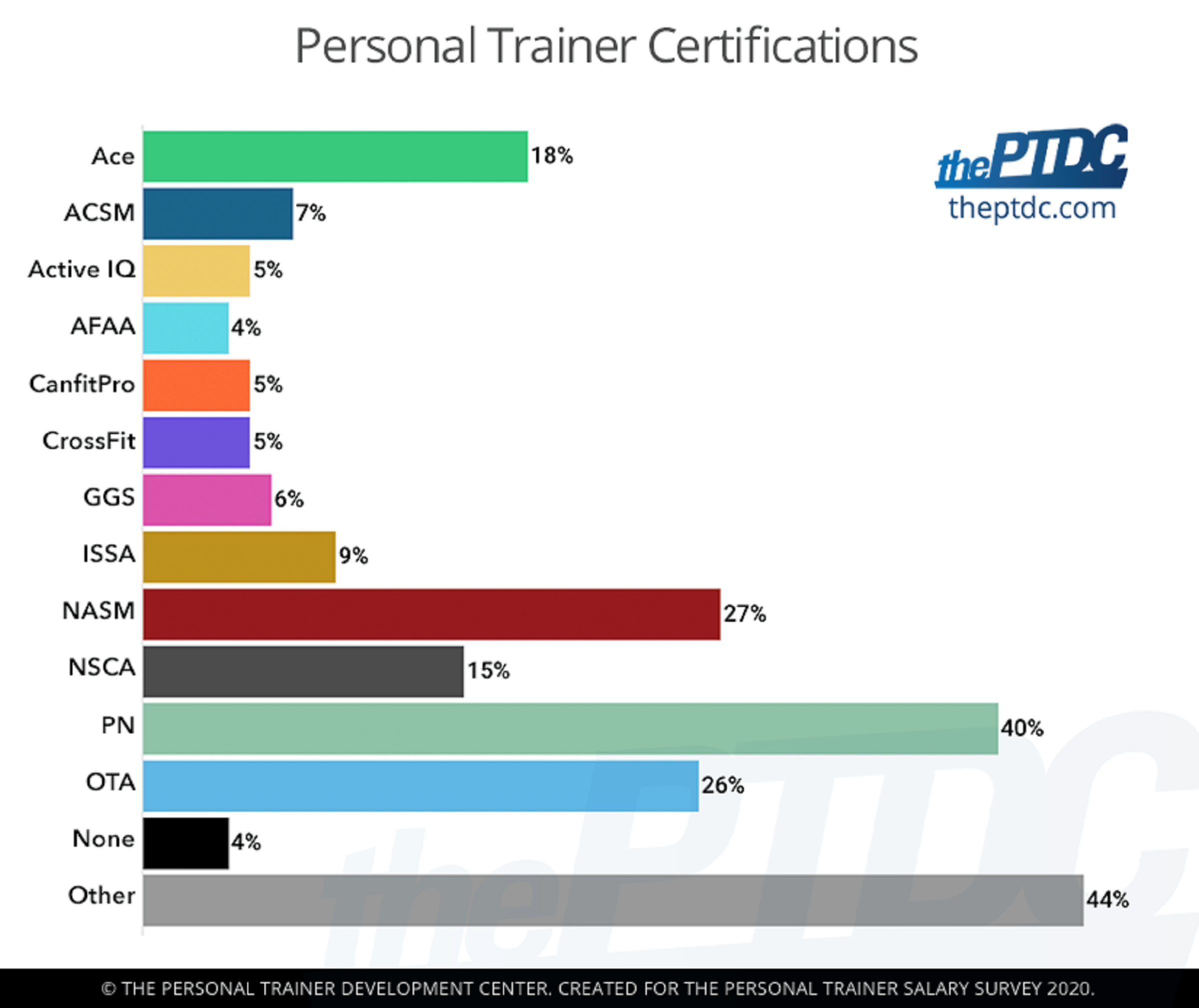
To become a certified personal trainer in 2026, you must select a program accredited by the National Commission for Certifying Agencies (NCCA), meet basic prerequisites like a high school diploma and CPR/AED certification, and pass a rigorous proctored exam. This credential validates your expertise in exercise science, program design, and client safety.
Obtaining a personal trainer fitness certification is the foundational step for anyone looking to enter the professional health and wellness industry. In 2026, the fitness landscape has evolved into a sophisticated blend of digital coaching, evidence-based strength training, and metabolic health management. A certification is no longer just a "badge" for your social media profile; it is a legal and professional requirement for insurance coverage and employment at reputable fitness facilities.
This guide provides a comprehensive analysis of the top-tier certifications, the costs involved, and the strategic steps required to transition from a fitness enthusiast to a credentialed professional.
The Significance of NCCA Accreditation
Before evaluating specific providers, it is critical to understand the role of the National Commission for Certifying Agencies (NCCA). In the United States and increasingly globally, the NCCA is the gold standard for professional accreditation.
When a certification body is NCCA-accredited, it means their testing processes, psychometrics, and organizational structure have been independently audited to ensure they are fair, valid, and reliable. Most commercial gym chains (such as Equinox, Lifetime Fitness, and Anytime Fitness) and boutique studios will not hire a trainer whose primary certification lacks this accreditation. Furthermore, professional liability insurance providers often require an NCCA-accredited credential to underwrite a policy.
Choosing a non-accredited "certificate of completion" may be cheaper and faster, but it often leads to a dead end in the professional marketplace. Always verify the accreditation status on the Institute for Credentialing Excellence (ICE) website before investing.
Comparison of Top Personal Trainer Certifications in 2026
The "best" certification depends on your specific career goals, whether you aim to work with athletes, the general population, or clinical patients. Below are the most recognized organizations in 2026.
| Organization | Primary Focus | Exam Difficulty | Estimated Cost (2026) | Best For |
|---|---|---|---|---|
| NASM (CPT) | Corrective Exercise & OPT Model | Moderate/High | $700 – $1,200 | General population & aesthetic goals |
| ACE (CPT) | Behavioral Change & Coaching | Moderate | $500 – $900 | Health coaching & lifestyle habit change |
| ISSA (CPT) | Business & Practical Programming | Moderate | $600 – $1,100 | Entrepreneurs & online trainers |
| NSCA (CPT) | Sport-Specific & Strength | High | $400 – $600 | Athletes & performance training |
| ACSM (CPT) | Clinical & Exercise Physiology | High | $350 – $550 | Medical fitness & research-based roles |
National Academy of Sports Medicine (NASM)
The NASM-CPT remains one of the most popular choices due to its proprietary Optimum Performance Training (OPT) model. This systematic approach allows trainers to progress clients through phases: Stabilization, Strength, and Power. It is particularly strong in teaching corrective exercise, which is essential in 2026 as sedentary "desk culture" continues to cause postural imbalances in the general population.
American Council on Exercise (ACE)
ACE distinguishes itself through the Mover Method and a heavy emphasis on behavioral psychology. While other certifications focus intensely on the "how" of exercise, ACE provides deep insights into the "why" and "how to keep them coming back." This is ideal for trainers who want to specialize in weight management and habit formation.
International Sports Sciences Association (ISSA)
ISSA has become a leader in the digital-first education space. They offer a very comprehensive curriculum that includes significant sections on business and marketing, which are often overlooked by more academic organizations. As of 2026, their "Fast Track" programs and open-book exam options (with proctored NCCA alternatives) make them a favorite for those looking to start their own independent businesses.
National Strength and Conditioning Association (NSCA)
The NSCA-CPT is widely regarded as the most "academic" of the mainstream personal training certs. It leans heavily into the science of biomechanics and bioenergetics. If your ultimate goal is to transition into high-level athletic strength and conditioning (CSCS), the NSCA-CPT is the logical starting point.

Essential Prerequisites and Eligibility
Regardless of the organization you choose, there are universal entry requirements that must be satisfied before you can sit for the exam.
- Age Requirement: You must be at least 18 years of age.
- Education: A high school diploma or equivalent (GED) is required. While a college degree in Kinesiology or Exercise Science is not mandatory for a CPT, it is highly recommended for advanced certifications like the ACSM-CEP or NSCA-CSCS.
- Emergency Preparedness: You must hold a current, valid CPR (Cardiopulmonary Resuscitation) and AED (Automated External Defibrillator) certification. In 2026, most organizations require an in-person skills check for the CPR/AED component; purely online CPR courses are frequently rejected.
- Identification: A government-issued photo ID is required for both online-proctored and in-person testing centers.
The Financial Investment: Beyond the Initial Fee
The cost of a personal trainer fitness certification is more than just the "Buy Now" price on a website. Candidates should budget for the following:
- Study Materials: Basic packages usually include a digital textbook and practice exams. Premium packages may include live workshops, hardcopy books, and "pass guarantees."
- Exam Retake Fees: If you fail the first attempt, retake fees typically range from $150 to $250.
- CPR/AED Certification: Expect to pay $50–$100 every two years to maintain this credential.
- Continuing Education Units (CEUs): To keep your certification active, you must complete CEUs every two years. This is a recurring cost that ensures you stay updated on the latest exercise science.
- Recertification Fees: Organizations charge an administrative fee (usually $50–$100) to process your renewal every two years.
Step-by-Step Guide to Getting Certified
Following a structured timeline will increase your chances of passing the exam on your first attempt. Most candidates require 3 to 6 months of dedicated study.
Step 1: Identify Your Niche
Do not pick a certification based on price alone. If you want to work in a clinical setting (rehab, hospitals), look at ACSM. If you want to work with high-school athletes, choose NSCA. If you want to help the general public lose weight and feel better, NASM or ACE are excellent.
Step 2: Enroll and Gather Resources
Once you purchase your package, gain access to the student portal. Download the "Exam Content Outline." This document is the blueprint for the test; it tells you exactly what percentage of questions will come from domains like "Client Consultation," "Program Design," and "Safety/Risk Management."
Step 3: Structured Study and Practical Application
Do not just memorize definitions. Personal training is a practical skill. When you learn about the "latissimus dorsi," find it on your own body, understand its origin and insertion, and perform exercises that target it. Use active recall and spaced repetition to memorize muscle groups, energy systems (ATP-PC, Glycolysis, Oxidative), and heart rate zones.
Step 4: Schedule the Proctored Exam
In 2026, most exams are offered through third-party proctoring services like Prometric or ProctorU. You can either go to a physical testing center or take the exam at home with a live remote proctor who monitors your webcam and screen to ensure academic integrity.
Step 5: Professional Liability Insurance
Once you receive your digital certificate, do not start training clients immediately. Purchase professional liability insurance. This protects you in the event a client is injured during a session. Many certifying bodies offer discounted insurance through partners like NEXT or Insure Fitness Group.
Navigating the Career Landscape in 2026
The role of a personal trainer in 2026 has shifted towards a hybrid model. Successful trainers now split their time between in-person sessions at a gym and remote coaching via specialized apps.
Specializations and Advanced Credentials
A general CPT is often just the beginning. To command higher hourly rates, trainers in 2026 are specializing in:
- Corrective Exercise (CES): Fixing movement patterns and reducing pain.
- Performance Enhancement (PES): Improving speed, power, and agility.
- Nutrition Coaching: Providing dietary guidance (within the scope of practice).
- Youth or Senior Fitness: Tailoring programs for specific age demographics.
Scope of Practice Limitations
It is vital to understand that a fitness certification does not make you a doctor, physical therapist, or registered dietitian. In 2026, regulatory scrutiny is high. Trainers must never:
- Diagnose injuries or medical conditions.
- Prescribe specific meal plans (unless also a licensed RD).
- Prescribe supplements or medications.
- Perform manual therapy (unless also a licensed massage therapist).
Professional Advice Limitation: The information provided in this article is for educational purposes and does not constitute medical or legal advice. Always consult with a healthcare professional before beginning a new exercise program or seeking professional licensure in jurisdictions with specific local regulations.
Frequently Asked Questions
Which personal trainer certification is the easiest to pass?
There is no "easy" NCCA-accredited exam, as they all must meet rigorous psychometric standards. However, many find the ISSA exam more accessible because of its comprehensive study aids and flexible testing options. Conversely, NSCA and ACSM are generally considered the most difficult due to their heavy emphasis on scientific formulas and clinical applications.
Can I get a personal training job without a certification?
In 2026, it is extremely rare for a reputable gym to hire an uncertified trainer. Even if a local "mom-and-pop" gym hires you, you will likely be unable to obtain professional liability insurance, leaving you personally liable for any injuries or lawsuits. Most employers require certification within 30 to 90 days of hire if they make an exception.
How long does it take to get a fitness certification?
The average candidate takes 3 to 4 months to prepare. While some "accelerated" programs claim you can be certified in 4 weeks, this is usually only feasible for those with a prior background in exercise science or anatomy. Rushing the process often leads to failing the exam, which costs more in the long run due to retake fees.
Do I need a degree to be a personal trainer?
No, a college degree is not a requirement for the standard CPT (Certified Personal Trainer) credential from NASM, ACE, or ISSA. However, some advanced certifications, such as the NSCA-CSCS (Certified Strength and Conditioning Specialist), require a Bachelor’s degree in a related field.
How much do personal trainers make in 2026?
Salaries vary wildly based on location and business model. According to 2026 industry data, staff trainers at commercial gyms earn between $25 and $50 per hour, while independent trainers or those with high-level specializations can command $100 to $200 per hour. Online coaching has also allowed trainers to scale their income by managing more clients simultaneously.
Final Recommendation
If you are looking for the most versatile and widely accepted credential in 2026, the NASM-CPT is the recommended starting point for the general population. However, if your interest lies in the psychological side of habit change, ACE is the superior choice. Regardless of which path you choose, prioritize an NCCA-accredited program to ensure your career has a solid, professional foundation. Your next step should be to download the free "Practice Exam" from two different organizations to see which curriculum style resonates most with your learning preferences.
Image Gallery
Select an image to open it in a new tab.
Simon Caldwell
Enterprise Technology and Systems Editor
