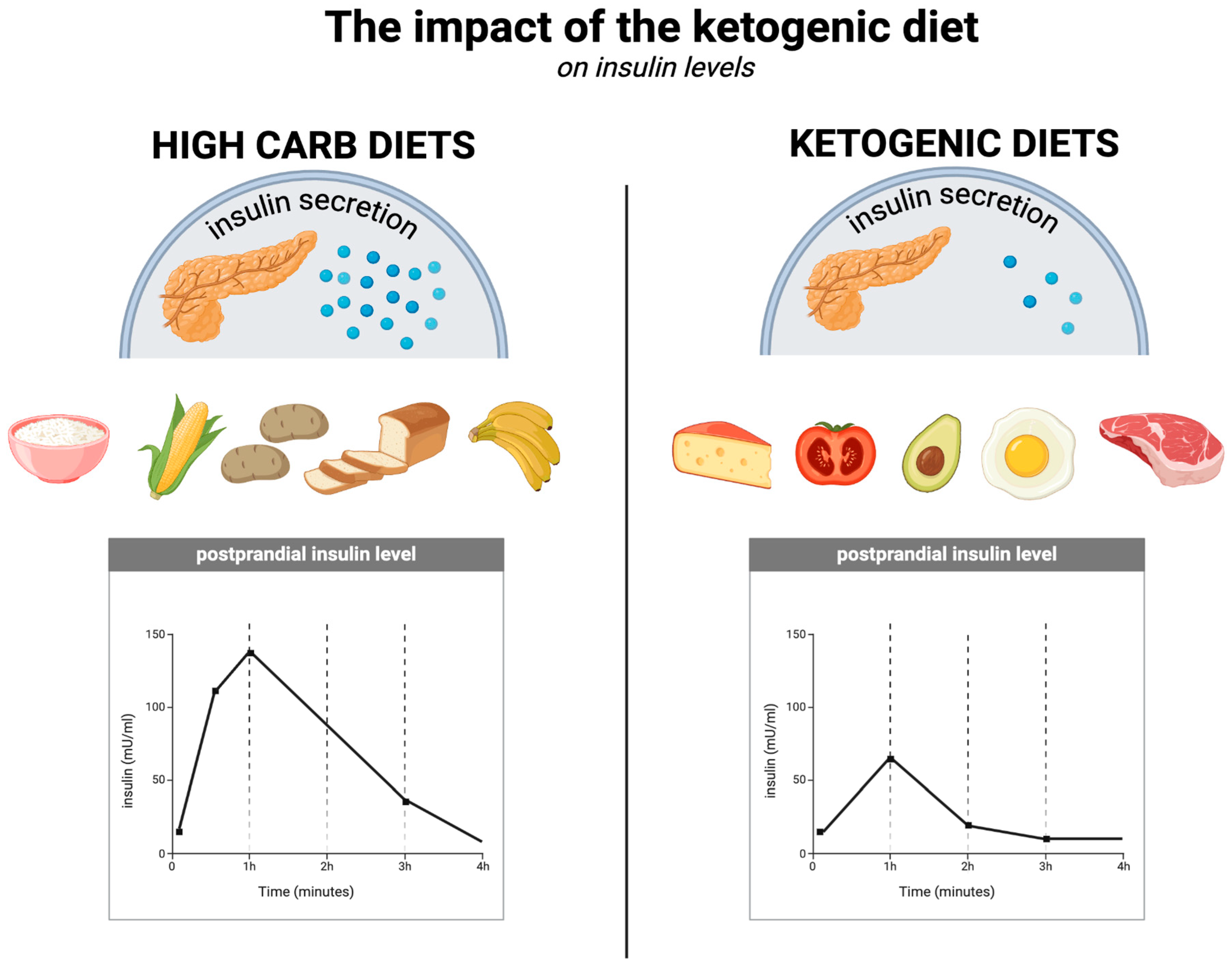
Adopting a very low-carbohydrate, high-fat nutritional plan triggers metabolic shifts that alter body chemistry, frequently leading to noticeable changes in breath and perspiration. While these alterations are scientifically real and driven by ketone body production, many exaggerations circulate online, confusing temporary adjustment phases with permanent physiological changes.
Understanding the Metabolic Foundations of the Ketogenic Diet
To separate reality from exaggeration regarding physical scent changes on a very low-carbohydrate regimen, it is necessary to examine the underlying biochemical shifts. When carbohydrate consumption drops below roughly 50 grams per day, the body exhausts its readily available glycogen stores in the liver and muscles. Deprived of its primary glucose fuel source, the liver shifts its metabolic pathway toward lipolysis—the breakdown of stored and dietary fats into fatty acids.
These fatty acids are subsequently converted into three distinct molecules known as ketone bodies: acetoacetate, beta-hydroxybutyrate, and acetone. While acetoacetate and beta-hydroxybutyrate serve as efficient, alternative energy currencies for the brain, heart, and skeletal muscles, acetone behaves differently. Acetone is a volatile organic compound that the body cannot efficiently utilize for energy. Consequently, it is excreted through the lungs via respiration and, to a lesser extent, through sweat glands via the skin.
This physiological process, known as nutritional ketosis, is entirely distinct from diabetic ketoacidosis, a dangerous medical emergency characterized by dangerously high blood sugar combined with unmitigated ketone production in individuals with type 1 diabetes. Understanding this fundamental metabolic distinction prevents unnecessary alarm, establishing that volatile byproduct excretion is a normal consequence of fat metabolism rather than a sign of organ failure or pathology.
Myth Versus Fact: Analyzing Common Beliefs About Keto Scents
Misconceptions regarding scent alterations on low-carbohydrate regimens frequently circulate across digital platforms, blending genuine physiological observations with exaggerated claims. Examining these beliefs through a scientific lens clarifies what is biologically plausible and what is purely anecdotal fiction.
Myth: The Diet Permanently Alters Your Body's Natural Sweat Chemistry Forever
A widespread misconception suggests that once an individual enters ketosis, their sweat glands are permanently altered, resulting in a lifelong, distinct scent profile.
Fact: Scent alterations associated with low-carbohydrate nutrition are almost exclusively temporary, concentrated primarily during the initial induction or keto-adaptation phase. As the body transitions from burning glucose to utilizing fat, the liver often produces excess acetone before metabolic pathways optimize. Once the body adapts—typically within two to four weeks—tissues utilize ketones more efficiently, and excess excretion declines significantly.
Myth: "Keto Breath" and Body Odor Are Caused by Poor Hygiene
Many assume that unusual breath or perspiration scents signify inadequate personal hygiene or infrequent bathing.
Fact: Standard hygiene practices alone cannot eliminate low-carbohydrate scent shifts because the origin is systemic rather than external. Acetone and other volatile organic compounds are expelled directly through the respiratory tract and cutaneous eccrine glands from the bloodstream. Scrubbing the skin or brushing the teeth provides only temporary masking effects because the root cause stems from internal metabolic processing rather than surface bacteria breakdown alone.
Myth: Smelling Like Ammonia Means Your Kidneys Are Failing
A sharper, more pungent scent resembling ammonia or cat urine frequently frightens adherents into believing they are damaging their renal system.
Fact: While pungent nitrogen-based scents can occur, they are rarely indicative of kidney failure in otherwise healthy individuals. This phenomenon typically results from high protein intake rather than ketosis itself. When dietary protein exceeds metabolic demands, the body deaminates excess amino acids, breaking them down into urea and ammonia, which are subsequently excreted via urine and sweat. Adjusting macronutrient ratios to moderate protein intake frequently resolves this specific issue.

Comparative Breakdown of Metabolic Scents
To help readers identify the specific source of various scent shifts, the following table contrasts the primary types of low-carbohydrate aromatic changes, their biochemical drivers, typical durations, and general management strategies.
| Scent Type | Primary Biochemical Cause | Typical Duration | Main Exit Route | Management Strategy |
|---|---|---|---|---|
| Keto Breath | Excess acetone expulsion | 2 to 4 weeks (induction phase) | Lungs / Respiration | Hydration, temporary sugar-free mints, dietary stabilization |
| Keto Sweat | Cutaneous excretion of acetone and fatty acid breakdown products | 1 to 3 weeks | Eccrine and apocrine sweat glands | Regular cleansing, breathable fabrics, adequate water intake |
| Ammonia Pungency | Excessive amino acid deamination from high protein | Varies based on intake | Urine and perspiration | Moderating total protein, increasing carbohydrate cycling slightly |
The Role of Microbiome Shifts and Skin Bacteria
Beyond direct chemical excretion through the skin, adopting a very low-carbohydrate regimen significantly alters dietary inputs, which in turn influences the human microbiome. The human skin hosts millions of resident microorganisms, including species of Corynebacterium and Staphylococcus, which feed on lipids, proteins, and sweat components secreted by apocrine glands.
When an individual drastically increases fat and protein intake while eliminating fiber-rich plant matter, the systemic environment and skin lipid profile shift. Apocrine sweat is odorless when it leaves the body; however, resident skin bacteria metabolize these lipid-rich secretions, producing volatile organic acids and thioalcohols that generate distinct body odors.
Furthermore, dramatic reductions in dietary fiber can alter the gut microbiome, influencing systemic inflammation and metabolic byproducts that circulate in the bloodstream. While research into the exact cutaneous microbiome changes induced by low-carbohydrate diets is ongoing, dermatological science confirms that alterations in sebum composition and sweat chemistry directly modify how skin bacteria interact with bodily secretions.
Practical Strategies for Managing Scent Shifts
For individuals experiencing noticeable scent changes during a low-carbohydrate transition, several evidence-based troubleshooting steps can mitigate social discomfort without compromising nutritional goals.
- Prioritize Systemic Hydration: Drinking adequate water dilutes metabolic byproducts in the bloodstream, facilitating more efficient excretion through renal pathways rather than concentrating them in sweat and breath.
- Moderate Protein Intake: Excess protein consumption converts into glucose via gluconeogenesis and releases nitrogenous waste products like ammonia. Balancing macronutrients to favor healthy fats over excessive protein reduces pungent nitrogen scents.
- Incorporate Electrolytes: Adequate sodium, potassium, and magnesium intake supports overall metabolic function and fluid balance, reducing stress on excretory systems.
- Optimize Oral Hygiene: For breath-related concerns, regular tongue scraping, increased water intake, and sugar-free herbal rinses help manage volatile acetone compounds temporarily without breaking ketosis.
- Wear Breathable Textiles: Choosing natural fibers such as cotton, wool, or bamboo allows sweat to evaporate efficiently, reducing the damp microclimates where skin bacteria proliferate and intensify body odor.
Frequently Asked Questions
Does everyone on a low-carbohydrate diet experience body odor?
No. Individual physiological responses vary significantly based on genetics, baseline microbiome composition, hydration levels, and exact macronutrient ratios. While many experience transient breath changes, noticeable body odor affects a smaller subset of practitioners, particularly during the initial adaptation weeks.
How long does the initial adaptation scent phase last?
For the vast majority of individuals, breath and perspiration changes peak during the first seven to fourteen days and subside significantly by week four as metabolic efficiency improves and tissues adapt to utilizing ketone bodies.
Can mouthwash eliminate keto breath permanently?
Mouthwash provides only temporary relief because the underlying cause is systemic metabolic excretion via the lungs, not localized oral bacteria. Addressing the root cause requires metabolic adaptation, proper hydration, and sometimes minor adjustments to carbohydrate thresholds.
Is smelling like acetone dangerous?
Exhaling or excreting acetone is a normal, harmless byproduct of fat metabolism and nutritional ketosis. It is safe for healthy individuals, unlike the dangerous acidification seen in untreated type 1 diabetes known as ketoacidosis. However, anyone with pre-existing metabolic disorders should consult a qualified physician before altering their diet.
Conclusion and Next Steps
Evaluating the relationship between low-carbohydrate nutrition and body odor reveals that while physical scent changes are grounded in real biochemical processes—specifically the expulsion of acetone and metabolic byproducts—many extreme claims are exaggerated. These alterations are typically temporary adaptations rather than permanent features of fat-adapted physiology. Readers experiencing persistent or concerning symptoms should review their hydration, electrolyte balance, and protein intake, consulting a healthcare professional or registered dietitian for personalized medical guidance.
Image Gallery
Select an image to open it in a new tab.



Celine Dubois
Contemporary Living and Global Arts Columnist
