Illnesses That Mimic Lupus: Navigating the Challenges of Differential Diagnosis
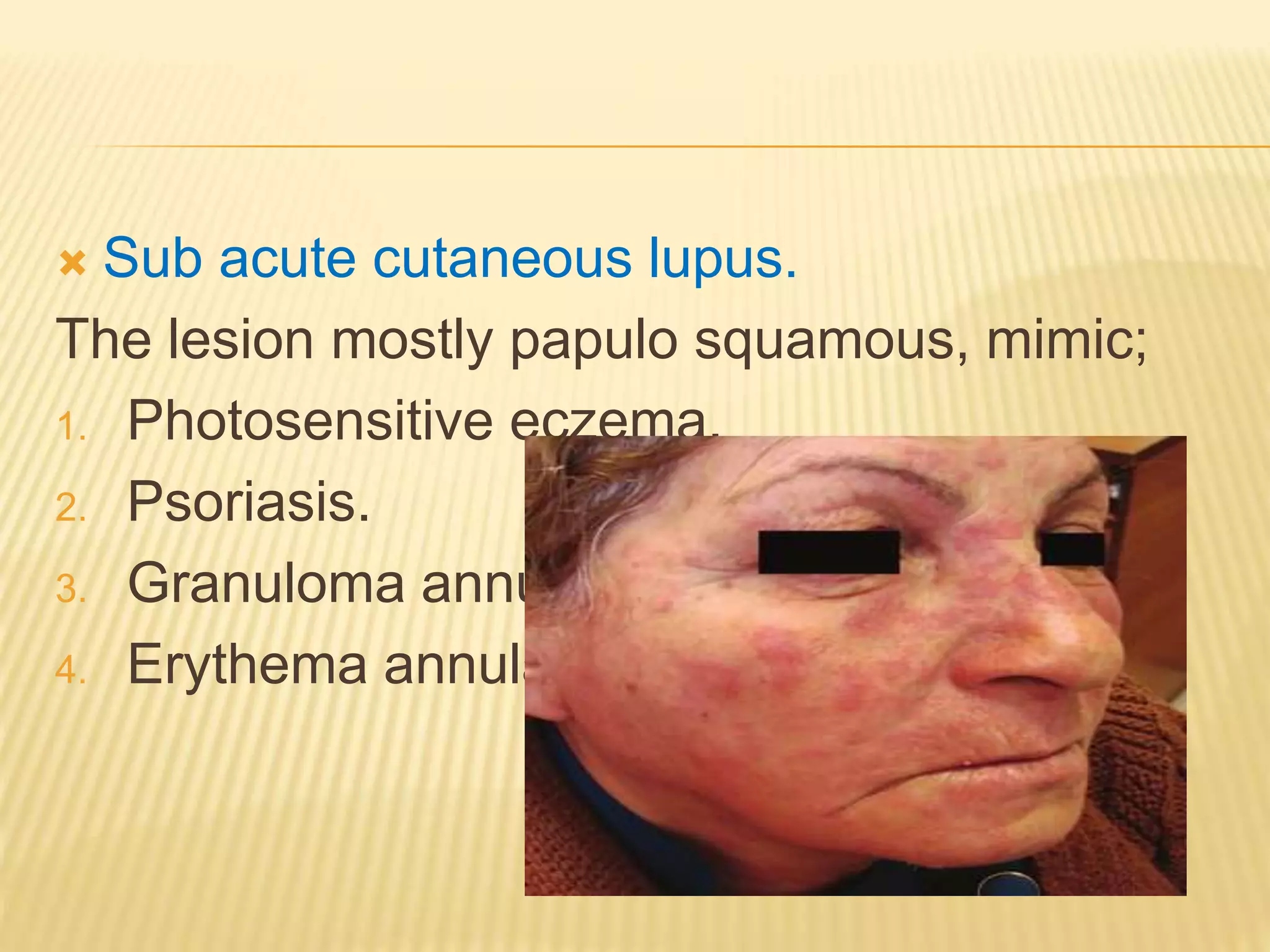
Systemic Lupus Erythematosus (SLE), commonly known as lupus, is frequently referred to by medical professionals as "The Great Imitator." Because its symptoms—such as extreme fatigue, joint pain, and skin rashes—overlap with dozens of other conditions, a definitive diagnosis often requires years of clinical observation, specialized blood work, and the exclusion of several other autoimmune and infectious diseases.
Why Lupus is Known as "The Great Imitator"
The difficulty in diagnosing lupus stems from its systemic nature. Unlike diseases that target a single organ, lupus is a chronic autoimmune condition where the immune system loses its ability to distinguish between foreign invaders and the body’s own healthy tissues. This results in widespread inflammation that can affect the joints, skin, kidneys, blood cells, brain, heart, and lungs.
In 2026, clinical protocols continue to rely heavily on the classification criteria established by the American College of Rheumatology (ACR) and the European Alliance of Associations for Rheumatology (EULAR). These criteria assign point values to various symptoms and laboratory results. However, because many symptoms manifest intermittently—a phenomenon known as flares—a patient might not meet the full diagnostic threshold during their initial consultation. This "diagnostic shadow" is where many mimicking illnesses reside, often leading to misdiagnosis or delayed treatment.
The complexity of autoimmune symptomatology means that no single test can confirm lupus with 100% certainty. The presence of antinuclear antibodies (ANA) is a hallmark of the disease, yet a positive ANA test occurs in roughly 5% to 15% of the healthy population and is common in several other conditions. Consequently, physicians must act as medical detectives, ruling out "look-alike" diseases before settling on a lupus diagnosis.
Common Autoimmune Mimics of Lupus
Several other autoimmune disorders share the primary "signature" of lupus, particularly joint pain and systemic inflammation. Distinguishing between them is vital because while the symptoms look similar, the long-term progression and treatment strategies can differ significantly.
Rheumatoid Arthritis (RA)
Rheumatoid arthritis is perhaps the most common condition confused with lupus. Both diseases cause painful, swollen, and stiff joints, particularly in the hands and feet. In the early stages, even an experienced rheumatologist may find it difficult to differentiate the two.
The primary difference lies in the nature of the joint involvement. RA is typically a "destructive" arthritis; it causes erosions in the bone and can lead to permanent joint deformity if not managed. Lupus-related arthritis is generally "non-erosive," meaning that while the joints are painful and inflamed, the underlying bone structure usually remains intact. Additionally, RA symptoms are usually symmetrical (affecting both wrists or both knees), whereas lupus joint pain can be more migratory or asymmetrical.
Sjögren’s Syndrome
Sjögren’s syndrome is an autoimmune disease that primarily attacks the moisture-producing glands. The hallmark symptoms are dry eyes and a dry mouth. However, Sjögren’s is also a systemic disease that can cause profound fatigue, joint pain, and "brain fog," all of which are central symptoms of lupus.
To further complicate matters, Sjögren’s can exist as a standalone condition (Primary Sjögren’s) or occur alongside lupus (Secondary Sjögren’s). Doctors use specialized tests, such as the Schirmer’s test for eye moisture or a lip biopsy, to distinguish whether the symptoms are driven by Sjögren’s or the broader inflammatory profile of SLE.
Mixed Connective Tissue Disease (MCTD)
Mixed Connective Tissue Disease is often described as an "overlap" syndrome. It features a combination of symptoms typically seen in lupus, scleroderma, and polymyositis. Patients with MCTD almost always test positive for the anti-RNP (ribonucleoprotein) antibody.
While a lupus patient might have some features of other diseases, MCTD is considered a distinct clinical entity. The presence of Raynaud’s phenomenon—where fingers turn white or blue in response to cold—is extremely common in MCTD and can also occur in lupus, making the distinction dependent on specific antibody testing and the progression of skin thickening.

Non-Autoimmune Conditions with Lupus-Like Symptoms
Not every illness that mimics lupus is an autoimmune disorder. Some of the most frequent mimics are neurological, infectious, or related to central pain processing.
Fibromyalgia
Fibromyalgia is a condition characterized by widespread musculoskeletal pain, sleep disturbances, and memory issues. Because lupus patients also experience significant pain and fatigue, fibromyalgia is frequently misdiagnosed as lupus, or vice versa. In fact, many lupus patients eventually develop secondary fibromyalgia.
The key distinction is the absence of inflammation. Lupus causes measurable inflammation in the body, often reflected in elevated C-reactive protein (CRP) or Erythrocyte Sedimentation Rate (ESR) blood tests. Fibromyalgia does not cause inflammation, nor does it damage the joints or organs. A physical exam for fibromyalgia focuses on "tender points," whereas a lupus exam focuses on visible swelling, rashes, and organ function markers.
Chronic Fatigue Syndrome (ME/CFS)
Myalgic Encephalomyelitis/Chronic Fatigue Syndrome (ME/CFS) is defined by persistent, unexplained exhaustion that does not improve with rest. Since fatigue is the most reported symptom of lupus, many patients seeking answers for their exhaustion are tested for both.
Unlike lupus, ME/CFS does not typically present with the "butterfly rash" (malar rash) or specific organ involvement like kidney inflammation (nephritis). If a patient has profound fatigue but negative autoimmune markers and no physical signs of tissue damage, ME/CFS is a more likely diagnosis.
Lyme Disease
Lyme disease, caused by the bacterium Borrelia burgdorferi and transmitted via tick bites, can stay in the body for months or years if not treated early. Late-stage Lyme disease is a notorious lupus mimic because it causes migratory joint pain, extreme fatigue, and neurological "fog."
The "bullseye" rash (erythema migrans) associated with Lyme can sometimes be mistaken for an atypical lupus rash. Furthermore, Lyme disease can occasionally trigger a transient positive ANA test, leading to significant diagnostic confusion. Physicians in 2026 emphasize the importance of geographic history and specific Western Blot or ELISA testing to rule out Lyme before committing to a lifelong autoimmune diagnosis.
Dermatological Conditions Mistaken for the Butterfly Rash
The malar rash, or "butterfly rash," which spreads across the bridge of the nose and the cheeks, is the most iconic sign of lupus. However, several common skin conditions can produce a nearly identical appearance.
Rosacea
Rosacea is a chronic skin condition that causes redness and visible blood vessels in the face. Like the lupus rash, rosacea is often triggered by sun exposure. The primary difference is that rosacea often includes small, red, pus-filled bumps (pustules) and tends to spare the "nasolabial folds"—the creases running from the edge of the nose to the corners of the mouth. The lupus malar rash typically involves these folds and is more of a flat or raised red plaque without pustules.
Seborrheic Dermatitis
This is a common inflammatory skin condition that causes flaky, white-to-yellowish scales on oily areas such as the face. When it appears on the cheeks and nose, it can look like a lupus flare. However, seborrheic dermatitis is usually itchy and involves the scalp (dandruff), whereas a lupus rash is usually painful or "hot" but rarely itchy.
Diagnostic Tools and the Path to Clarity
When a physician suspects lupus but recognizes the potential for mimicking conditions, they employ a tiered testing strategy. As of 2026, the diagnostic process has become more refined, integrating traditional serology with advanced imaging.
- Antinuclear Antibody (ANA) Screening: This is the first step. A negative ANA is strong evidence against lupus, but a positive ANA is not proof of lupus.
- Specific Antibody Panels: If the ANA is positive, doctors look for specific "extractable nuclear antigens" (ENA). Antibodies like anti-dsDNA and anti-Smith (Sm) are highly specific to lupus and are rarely found in mimics.
- Complement Levels (C3 and C4): Complement proteins are part of the immune system. In active lupus, these levels often drop because the body is using them up to create inflammation. In many mimic conditions, complement levels remain normal.
- Urinalysis: Since lupus often attacks the kidneys silently, a urine test looking for protein or blood cells is a critical differentiator. Mimics like fibromyalgia or rosacea will never show kidney involvement.
Comparison of Lupus and Common Mimics
| Condition | Primary Shared Symptom | Key Distinguishing Feature | Typical Diagnostic Marker |
|---|---|---|---|
| Lupus (SLE) | Multi-organ pain/rash | Malar rash; kidney involvement | Positive anti-dsDNA / anti-Sm |
| Rheumatoid Arthritis | Joint pain/stiffness | Bone erosions; symmetrical | Rheumatoid Factor / Anti-CCP |
| Fibromyalgia | Fatigue/Widespread pain | No inflammation or organ damage | Clinical "tender point" exam |
| Lyme Disease | Joint pain/Fatigue | History of tick bite; "Bullseye" rash | Borrelia burgdorferi antibodies |
| Rosacea | Facial redness | Pustules; spares nasolabial folds | Visual clinical exam |
| Sjögren’s Syndrome | Fatigue/Joint pain | Severe dry eyes and dry mouth | Positive Anti-SSA / Anti-SSB |
Next Steps for Patients
If you are experiencing symptoms that overlap with lupus, the most important action is to maintain a detailed "Symptom Journal." Because lupus and its mimics are often episodic, your doctor needs to know not just what you feel today, but the patterns over several months.
Document the following:
- Photos of Rashes: Lighting can change how a rash looks; take photos in natural light.
- Triggers: Does your fatigue worsen after sun exposure (photosensitivity)?
- Joint Patterns: Is the stiffness worse in the morning? Does it last longer than 30 minutes?
- Temperature: Track low-grade fevers, which are common in lupus but rare in fibromyalgia or rosacea.
Request a referral to a Rheumatologist, a specialist specifically trained in the nuances of autoimmune differential diagnosis. They are best equipped to interpret the "alphabet soup" of antibody testing and determine if your symptoms point toward lupus or one of its many mimics.
Frequently Asked Questions
Can you have a positive ANA and not have lupus?
Yes, a positive ANA test is not a definitive diagnosis. Approximately 15% of healthy individuals have a positive ANA. It can also be caused by other autoimmune diseases, certain infections, or even some medications. It is merely a "door-opener" that indicates further testing is needed.
How long does it typically take to diagnose lupus?
On average, it can take up to six years from the onset of symptoms to receive an accurate lupus diagnosis. This delay is precisely because doctors must rule out the many mimicking illnesses mentioned above. In 2026, improved awareness and better testing panels have begun to shorten this window, but the process remains complex.
Is it possible to have both lupus and a mimicking condition?
Yes, "overlap syndromes" are common. It is statistically possible to have lupus and fibromyalgia or lupus and Sjögren’s syndrome simultaneously. When this occurs, treatment must be carefully tailored to address both the underlying inflammation of lupus and the specific symptoms of the co-existing condition.
Does the "butterfly rash" always mean lupus?
No. While it is a classic sign, rosacea, seborrheic dermatitis, and even some types of sun sensitivity (photodermatitis) can produce a similar appearance. A dermatologist or rheumatologist will look for specific clinical markers, such as the sparing of certain facial folds, to differentiate them.
Can stress cause lupus-like symptoms?
Stress can cause significant physical symptoms, including fatigue and muscle tension, which might mimic early lupus. Furthermore, stress is a well-known trigger for lupus "flares." However, stress alone will not cause the specific antibody markers or organ damage associated with systemic lupus.
Image Gallery
Select an image to open it in a new tab.

Declan O'Connor
Higher Education and Campus Culture Reporter
