
Recognizing the early indicators of female hair thinning often involves observing subtle changes in scalp visibility, hair texture, and shedding patterns. While temporary shedding is common, persistent widening of the part line, increased scalp exposure during styling, and a reduction in the overall diameter of the ponytail are the most reliable clinical signs that warrant further investigation by a healthcare professional.
Understanding the Progression of Female Hair Thinning
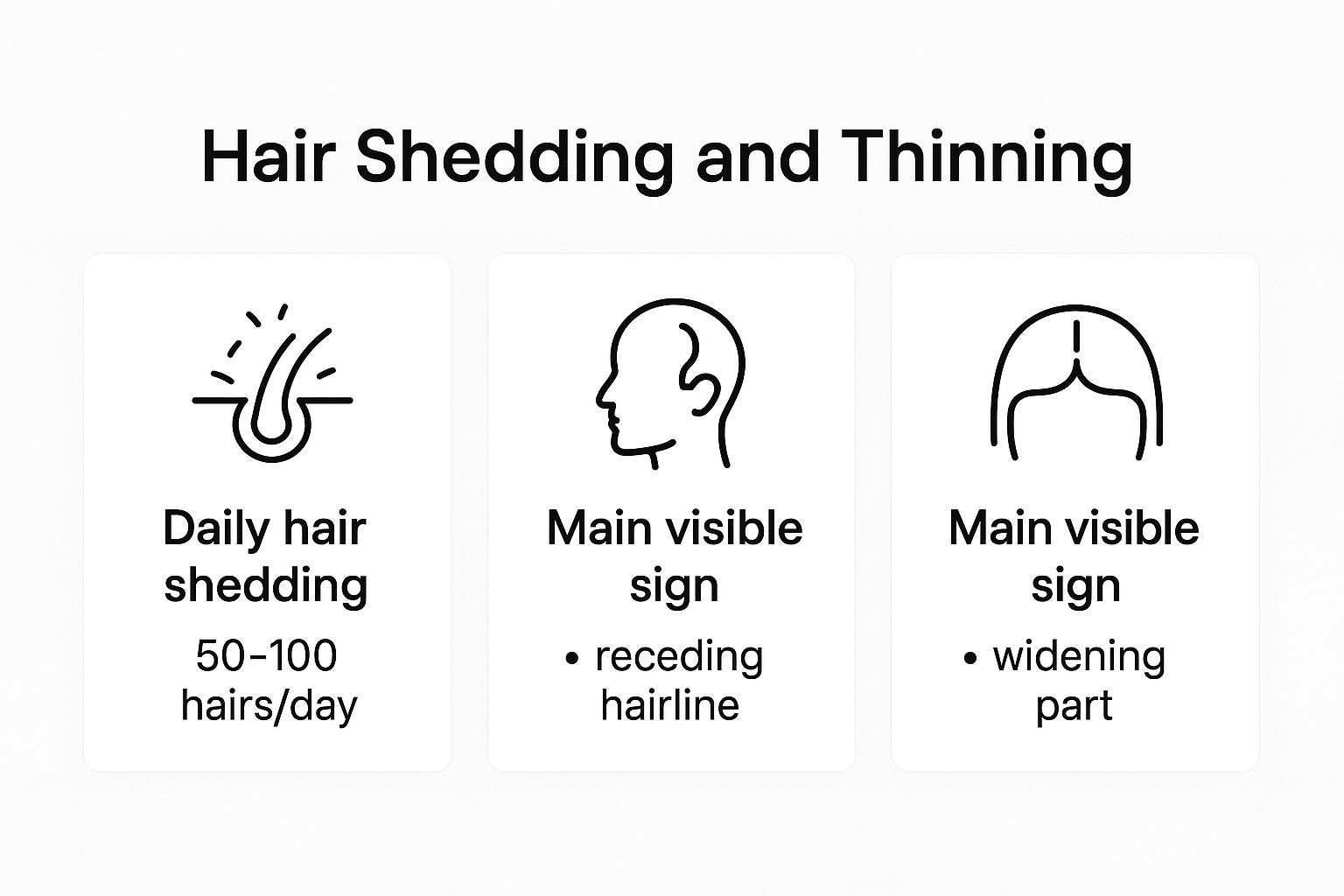
Hair thinning in women is rarely a sudden event. It is typically a gradual process that may go unnoticed until the cumulative loss reaches a threshold where the scalp becomes more visible through the hair. Unlike male pattern baldness, which often presents as a receding hairline or a distinct crown patch, female pattern hair loss—medically known as androgenetic alopecia—tends to manifest as diffuse thinning across the top and crown of the head, while the frontal hairline usually remains intact.
Identifying these signs early is critical because treatment options, such as topical minoxidil or addressing underlying nutritional deficiencies, are generally more effective at stabilizing existing hair than at regenerating hair in areas where follicles have become dormant or miniaturized.
Key Physical Indicators to Monitor
To determine if you are experiencing thinning, it is helpful to establish a baseline of your “normal” hair behavior. The following physical indicators are the standard metrics used by dermatologists and trichologists to assess scalp health:
- Widening of the Part Line: The most frequent early sign is a widening of the central part. As follicles in the vertex region produce thinner, shorter, and less pigmented hairs—a process called miniaturization—the scalp becomes more visible along the parting.
- Reduced Ponytail Circumference: If you wear your hair in a ponytail, a noticeable decrease in the thickness of the bundle is a strong indicator of reduced hair density. If the same hair tie requires an extra wrap to stay secure, this confirms a reduction in total hair volume.
- Increased Shedding in Unusual Locations: While shedding 50 to 100 hairs per day is considered normal, observing an excess of hair on your pillowcase, in the shower drain, or consistently on your hairbrush over several weeks may signal a transition from a normal growth phase to a shedding phase.
- Texture Changes: Thinning hair often changes in diameter and texture. Hair may appear finer, more fragile, or more difficult to style as it loses the “body” it previously maintained.
Clinical Evaluation and Differential Diagnosis
It is important to distinguish between physiological thinning and acute hair loss (telogen effluvium). Telogen effluvium is often triggered by physical or emotional stress, such as surgery, significant weight loss, or hormonal fluctuations, and is usually reversible once the stressor is removed. In contrast, progressive thinning requires an evaluation to rule out conditions like iron-deficiency anemia, thyroid dysfunction (hypothyroidism or hyperthyroidism), and vitamin D deficiencies.
A professional assessment will typically involve a "pull test," where a clinician gently tugs on a small section of hair to see how many strands come out, and potentially a scalp biopsy or blood panel to check for systemic causes.
| Sign | Typical Indication | Context |
|---|---|---|
| Wide Part Line | Possible Androgenetic Alopecia | Gradual onset over years |
| Clumps in Shower | Possible Telogen Effluvium | Acute onset after stress/illness |
| Itchy/Red Scalp | Dermatological condition | Often linked to seborrheic dermatitis |
| Broken Strands | Physical breakage | Linked to excessive heat or chemicals |
Common Causes and Contributing Factors
The etiology of female hair thinning is multifactorial. By understanding the root cause, you can better navigate potential solutions.
Hormonal Influences Androgens, specifically dihydrotestosterone (DHT), play a role in hair miniaturization. Even in women, fluctuations in hormones—particularly during perimenopause and menopause—can trigger a shift in the hair growth cycle. When estrogen levels drop, the protective effects on the hair follicle may decrease, allowing the impacts of androgens to become more pronounced.
Nutritional Deficiencies Hair production is a non-essential metabolic process; the body will prioritize vital organs during periods of nutrient scarcity. Iron deficiency, even without clinical anemia, is a well-documented contributor to hair thinning in premenopausal women. Similarly, low levels of ferritin, Vitamin B12, and Vitamin D can disrupt the follicular cycle, preventing hair from reaching its full growth potential.
Styling and Traction "Traction alopecia" is a specific form of thinning caused by chronic tension on the hair follicles. Styles that pull the hair tightly—such as high, heavy ponytails, tight braids, or extensions—can cause physical trauma to the follicle. Over time, this leads to permanent scarring of the follicle, meaning the hair will no longer grow back.
Next Steps: Practical Troubleshooting
If you observe these signs, your first step should be to monitor your hair for a period of 30 days. Document the volume and condition of your hair with consistent lighting and angles. If the trend continues, the following actions are recommended:
- Schedule a Professional Consultation: A board-certified dermatologist specializing in hair disorders is the best resource. They can provide an accurate diagnosis, which is crucial because treatments for one type of hair loss (like hormonal thinning) may be ineffective for others (like autoimmune-related alopecia).
- Review Your Medication and Supplement History: Some medications, including certain birth control pills, beta-blockers, and anti-depressants, list hair thinning as a side effect. Do not discontinue medication without consulting your primary care provider, but do bring a list of your current prescriptions to your consultation.
- Optimize Scalp Hygiene: A healthy scalp environment is the foundation of growth. Ensure your scalp is free of significant product buildup or inflammation. However, avoid harsh "scalp scrubs" that may cause micro-tears, as these can exacerbate inflammation.
- Adopt Gentle Styling Practices: Switch to silk or satin pillowcases to reduce friction. Avoid high-heat styling tools where possible, and when they must be used, always apply a heat-protectant product. Minimize the use of heavy gels or hairsprays that weigh down fine hair and require aggressive brushing to remove.
Frequently Asked Questions
Can hair thinning in females be reversed? Reversibility depends on the underlying cause and the state of the hair follicles. If the follicle is still alive but miniaturized, treatments can often improve hair density. However, if the follicle has scarred, the loss is typically permanent. Early intervention remains the most reliable path to stabilization.
Does frequent washing cause hair loss? No, washing your hair does not cause hair loss. In fact, keeping the scalp clean is beneficial. The hair you see in the drain during a wash was already destined to shed; the act of washing simply dislodges it from the follicle.
Are there natural remedies that actually work? While many products claim to boost hair growth, scientific evidence is limited for most natural supplements. Rosemary oil has shown some promise in clinical studies as a potential adjunct to treatment, but it should not replace medical advice for underlying conditions like thyroid disorders or severe iron deficiency.
How long does it take to see results from treatment? Hair growth cycles are slow. Whether using pharmaceutical-grade topicals or adjusting nutritional intake, you should expect to wait at least 3 to 6 months before noticing a tangible difference in hair volume or reduction in shedding.
Is genetics the main driver of female hair thinning? Genetics play a significant role, particularly in androgenetic alopecia. If female relatives have experienced significant thinning, your risk is statistically higher, making early monitoring and proactive scalp health management even more relevant.
Recommendation for Action
If you notice a consistent, widening part line or reduced ponytail volume, do not attempt to "self-diagnose" with over-the-counter supplements for more than three months without a blood test. Consult a dermatologist to rule out systemic deficiencies first. Securing a diagnosis ensures that your next steps—whether they involve topical treatments or nutritional adjustments—are targeted, cost-effective, and safe for your specific physiological needs.

Image Gallery
Select an image to open it in a new tab.



Mateo Castillo
Decentralized Finance and E-Payments Strategist
