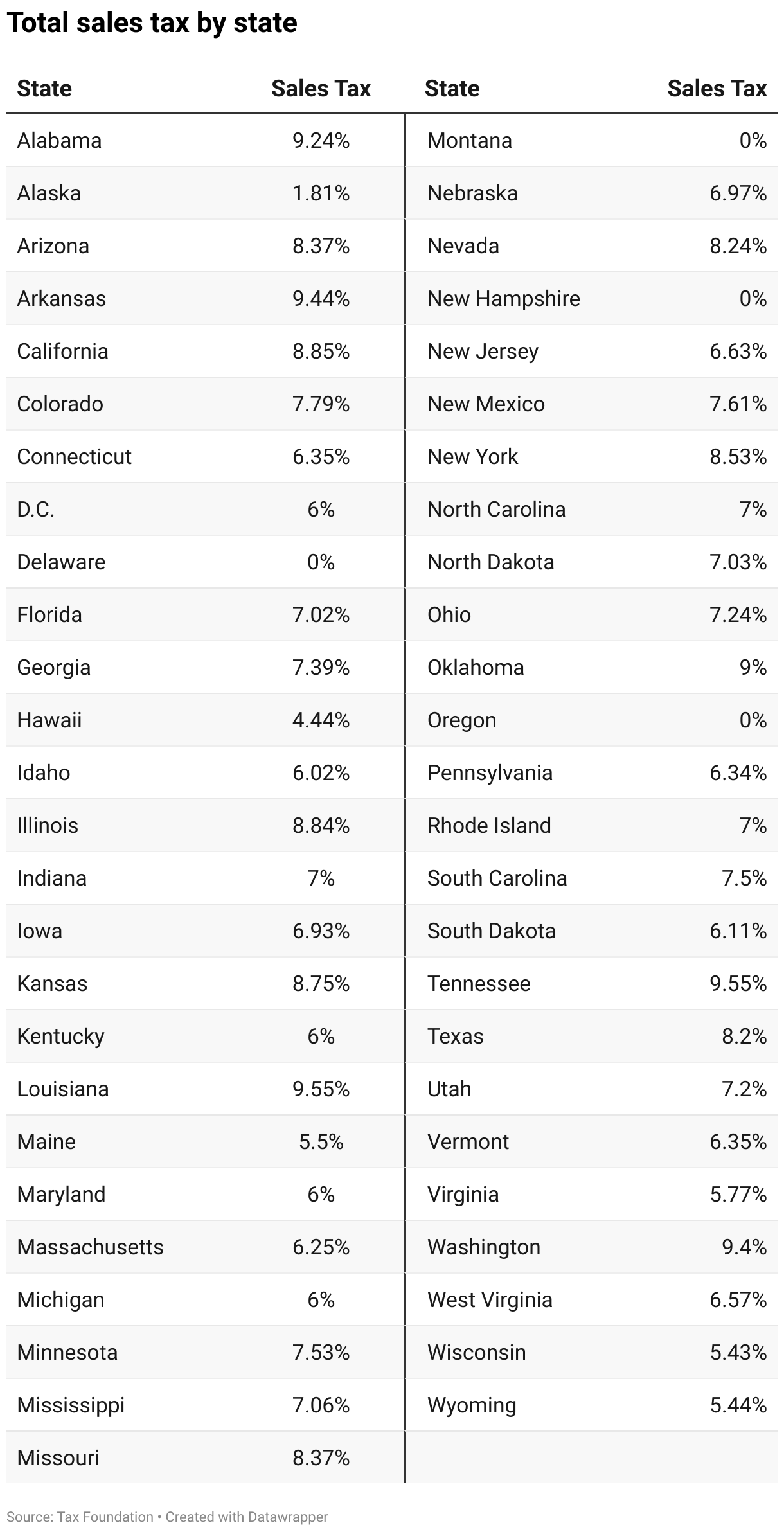
In Washington State, the sales tax on a vehicle consists of a base state rate of 6.5%, an additional 0.3% motor vehicle sales tax, and varying local jurisdictional rates. Depending on your location, the total combined tax rate typically ranges between 8% and 10.6%, with residents in the Sound Transit RTA district paying the highest amounts.
Purchasing a vehicle is one of the most significant financial commitments a Washington resident can make. While the sticker price on the window or the agreed-upon private sale price is the starting point, the final "out-the-door" cost is heavily influenced by the state’s complex tax structure. Unlike states with flat sales tax rates, Washington utilizes a multi-tiered system that varies significantly by county, city, and even specific transit districts.
As of 2026, understanding these nuances is essential for budgeting correctly and ensuring you are not surprised by a larger-than-expected bill at the dealership or the licensing office. This guide breaks down the components of Washington vehicle sales tax, how trade-ins affect your liability, and the specific rules for private party and out-of-state acquisitions.
The Foundation: State vs. Local Tax Components
The sales tax you pay on a vehicle in Washington is not a single tax, but a combination of several different levies collected by the Washington Department of Revenue (DOR).
The Base State Sales Tax
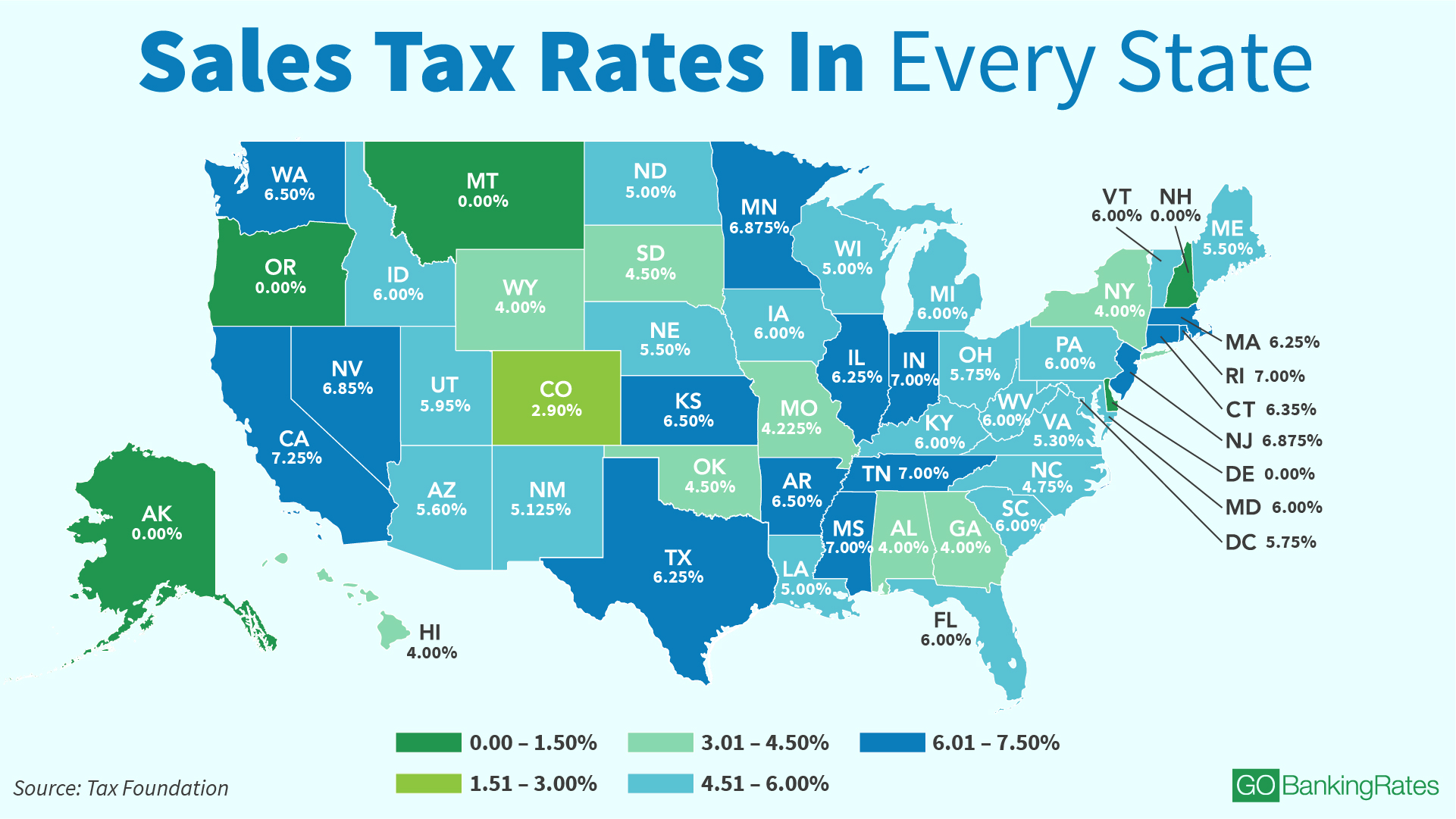
The core of the tax is the statewide sales tax rate of 6.5%. This rate applies to most retail sales in the state, including the purchase of cars, trucks, motorcycles, and motorhomes. This revenue is primarily directed toward the state’s general fund to support public services like education and healthcare.
The 0.3% Motor Vehicle Sales/Use Tax
Since 2003, Washington has applied an additional 0.3% tax specifically to the sale or use of motor vehicles. This is codified under RCW 82.08.020. It is important to note that this 0.3% is added to the 6.5% base, effectively making the state-level minimum tax 6.8% before any local taxes are applied. This specific surcharge is dedicated to the state’s transportation accounts, helping to fund road maintenance and highway projects.
Local Sales Tax Rates
On top of the 6.8% state minimum, every city and county in Washington has the authority to add their own local sales tax. These rates vary widely. For example, a rural county might only add 1.2%, while a densely populated city might add 3% or more. The "taxing location" is generally determined by where the buyer takes possession of the vehicle. If you buy from a dealership, the rate is based on the dealership's location. If you buy from a private party and register the vehicle, the rate is based on your home address.
The Regional Transit Authority (RTA) Tax Impact
For residents living in parts of King, Pierce, and Snohomish counties, the Regional Transit Authority (RTA) tax is a significant factor in the total cost of vehicle ownership. The RTA tax was established to fund the Sound Transit system, including light rail, commuter trains, and regional bus services.
In 2026, the RTA sales tax component remains a primary driver of the high tax rates seen in the Puget Sound region. If you live within the Sound Transit boundaries, you will pay an additional 1.4% in sales tax at the time of purchase. When added to the high local rates in cities like Seattle or Bellevue, the total sales tax rate often exceeds 10%.
It is a common misconception that the RTA tax is only the annual car tab fee (the Motor Vehicle Excise Tax or MVET). In reality, there are two RTA-related costs:
- The RTA Sales Tax: A one-time 1.4% tax paid when you buy the car.
- The RTA MVET: An annual 1.1% excise tax paid during your registration renewal, based on the vehicle’s depreciated value according to a state-mandated schedule.
Before purchasing, you should verify if your address falls within the RTA boundaries by checking the Sound Transit boundary map.
Calculating Sales Tax with a Trade-In
One of the most effective ways to reduce your sales tax burden in Washington is through a trade-in. Washington is a "net price" state, meaning you only pay sales tax on the difference between the price of the new vehicle and the value of your trade-in.
How the Trade-In Credit Works
If you are purchasing a new car for $45,000 and the dealer gives you $20,000 for your old vehicle, your taxable amount is reduced to $25,000.
- Without Trade-In: $45,000 x 9.5% tax = $4,275
- With Trade-In: $25,000 x 9.5% tax = $2,375
- Total Savings: $1,900
This credit is only available when purchasing from a licensed dealer. Private party transactions do not qualify for a trade-in tax credit. If you sell your car privately and then use that cash to buy another car from a dealer, you cannot deduct the value of the private sale from the taxable price of the new purchase.
Private Party Sales and Use Tax
When you buy a car from an individual rather than a dealership, you do not pay "sales tax" at the time of the transaction. Instead, you pay "use tax" when you transfer the title at a Department of Licensing (DOL) office.
Use Tax Rates
The use tax rate is identical to the sales tax rate that would have applied if you bought the car from a dealer in your home jurisdiction. The state's logic is that if sales tax wasn't paid at the time of purchase, the owner must pay use tax for the privilege of using the vehicle on Washington roads.
The Fair Market Value Rule
A frequent area of confusion and conflict occurs regarding the purchase price of private sales. Some buyers attempt to report a lower purchase price to the DOL to reduce their tax bill. However, the Washington Department of Revenue maintains a database of vehicle values. If the reported purchase price is significantly lower than the "Fair Market Value" (generally considered to be the average of the clean-sale value), the DOL may require you to pay tax based on the higher market value rather than your reported price.
If you genuinely purchased a vehicle for well below market value (for example, if it has a blown engine or significant body damage), you must provide a Declaration of Buyer and Seller Regarding Value of Used Vehicle to justify the lower price.
Tax Exemptions and Special Cases
Not every vehicle purchase in Washington is subject to the full sales tax rate. There are several specific exemptions and credits defined by the Washington Department of Revenue.
Clean Alternative Fuel Vehicle (EV) Exemptions
To encourage the adoption of electric vehicles, Washington has historically offered sales tax exemptions on a portion of the purchase price of new and used clean alternative fuel vehicles. As of 2026, these exemptions are subject to price caps and phase-out schedules.
- New Vehicles: A portion of the sales tax may be waived if the vehicle's MSRP is below a certain threshold (e.g., $45,000).
- Used Vehicles: Exemptions apply to used EVs if the purchase price is below a specific limit (e.g., $30,000). Buyers should check the current "Green Transportation" tax incentives on the DOR website, as these thresholds are updated periodically by the legislature.
Military Personnel
Non-resident military personnel stationed in Washington may be exempt from sales tax if they purchase a vehicle while on active duty, provided they intend to license the vehicle in their home state. However, they must follow specific documentation requirements to prove their non-resident status and military orders.
Native American Tribes
Members of federally recognized Native American tribes are exempt from sales tax on vehicle purchases if the vehicle is delivered to the buyer on their reservation and the buyer lives on the reservation.
Sales Tax vs. Licensing Fees
It is critical to distinguish between sales tax and registration/licensing fees. Sales tax is a one-time payment based on the purchase price. Licensing fees are recurring annual costs.
When you first register your car, you will pay:
- Sales/Use Tax: (The 8% to 10.6% discussed above).
- Title Fee: A flat fee for processing the ownership document.
- Registration Fee: Based on vehicle weight and type.
- Plate Fee: For new metal plates.
- Filing Fees: Local agent service fees.
- Taxes/Fees for Specific Projects: Such as the Transportation Benefit District (TBD) fees or RTA MVET fees.
In 2026, these additional fees can add $100 to $800 to your initial registration costs, depending on the vehicle's value and your location.
Comparative Tax Rates by City (2026 Estimates)
The following table provides an estimate of the combined sales tax rates (State + 0.3% Motor Vehicle Tax + Local + RTA if applicable) for various locations in Washington.
| City | County | RTA District? | Estimated Total Vehicle Tax Rate |
|---|---|---|---|
| Seattle | King | Yes | 10.6% |
| Bellevue | King | Yes | 10.4% |
| Tacoma | Pierce | Yes | 10.5% |
| Everett | Snohomish | Yes | 10.1% |
| Spokane | Spokane | No | 9.2% |
| Vancouver | Clark | No | 8.7% |
| Olympia | Thurston | No | 9.6% |
| Yakima | Yakima | No | 8.5% |
| Bellingham | Whatcom | No | 8.9% |
| Wenatchee | Chelan | No | 8.7% |
Note: These rates are subject to local ballot measures and legislative changes. Always verify the specific rate for your address using the Washington Department of Revenue Tax Rate Lookup Tool.
Buying a Car Out-of-State
Washington residents often look to Oregon (which has no sales tax) to purchase a vehicle, hoping to save money. However, this strategy rarely results in tax savings.
When you bring a car purchased out-of-state into Washington to be registered, you must pay "Use Tax." The DOR will check if you paid sales tax in the state where you bought the car. If you paid less than the Washington rate (or nothing at all, as in Oregon), you must pay the difference to the Washington DOL before they will issue your plates.
If you have owned the vehicle for more than 90 days in another state before moving to Washington, and you can prove you were a resident of that state at the time of purchase, you may be exempt from paying Washington use tax. This is intended to prevent taxing people who are genuinely moving their property into the state rather than just trying to avoid sales tax on a new purchase.
Common Mistakes to Avoid
- Forgetting the 0.3%: Many online sales tax calculators only show the general sales tax (e.g., 10.1% in Seattle), but the vehicle-specific tax is 10.4% because of the 0.3% surcharge.
- Miscalculating RTA Boundaries: Just because you live in Snohomish County doesn't mean you are in the RTA. Conversely, just because you are in a rural area doesn't mean you aren't. Always check the map.
- Ignoring Trade-In Value: If you have a high-value car to trade, the tax savings at a dealer might outweigh a slightly higher private sale price.
- Under-reporting Private Sales: The DOR is aggressive about Fair Market Value. Expect a bill or a request for more information if the price seems too good to be true.
Frequently Asked Questions
Is the sales tax on used cars different from new cars?
No, the tax rate is the same for both new and used vehicles in Washington. The 6.5% state tax, 0.3% vehicle surcharge, and local rates apply regardless of the vehicle's age. The only difference is that used electric vehicles may have different exemption thresholds than new ones.
Do I pay sales tax on the rebate amount?
In Washington, manufacturer rebates are generally considered part of the "consideration" for the sale. This means the sales tax is calculated on the price before the rebate is applied. For example, if a car is $30,000 and there is a $2,000 rebate, you still pay tax on the full $30,000.
Can I pay my sales tax in installments?
If you are financing your vehicle through a dealership, the sales tax is typically rolled into the loan, meaning you pay it off as part of your monthly payments. However, the state receives the full amount upfront from the lender. If you buy a car from a private party, you must pay the full use tax amount to the DOL at the time of title transfer; they do not offer payment plans.
What happens if I move out of Washington shortly after buying a car?
Washington does not offer sales tax refunds for residents who move away. Once the tax is paid at the time of purchase or registration, it is non-refundable. However, many other states will credit the tax you paid to Washington against their own sales/use tax if you register the car there within a certain timeframe.
Does the sales tax apply to dealer documentation fees?
Yes. In Washington, documentation fees (often called "doc fees") are considered part of the selling price of the vehicle and are subject to the same sales tax rate as the car itself.
Practical Recommendation
Before you head to the dealership or meet a private seller, use the Washington Department of Revenue’s Tax Rate Lookup Tool to find the exact percentage for your specific address. If you are trading in a vehicle, calculate your "tax savings" (Trade-in Value x Tax Rate) to determine the true value of the dealer's offer compared to a private sale. Finally, ensure you have set aside an additional 1% to 2% of the vehicle’s value to cover registration and licensing fees that are billed separately from the sales tax.
Image Gallery
Select an image to open it in a new tab.

Celine Dubois
Contemporary Living and Global Arts Columnist
