
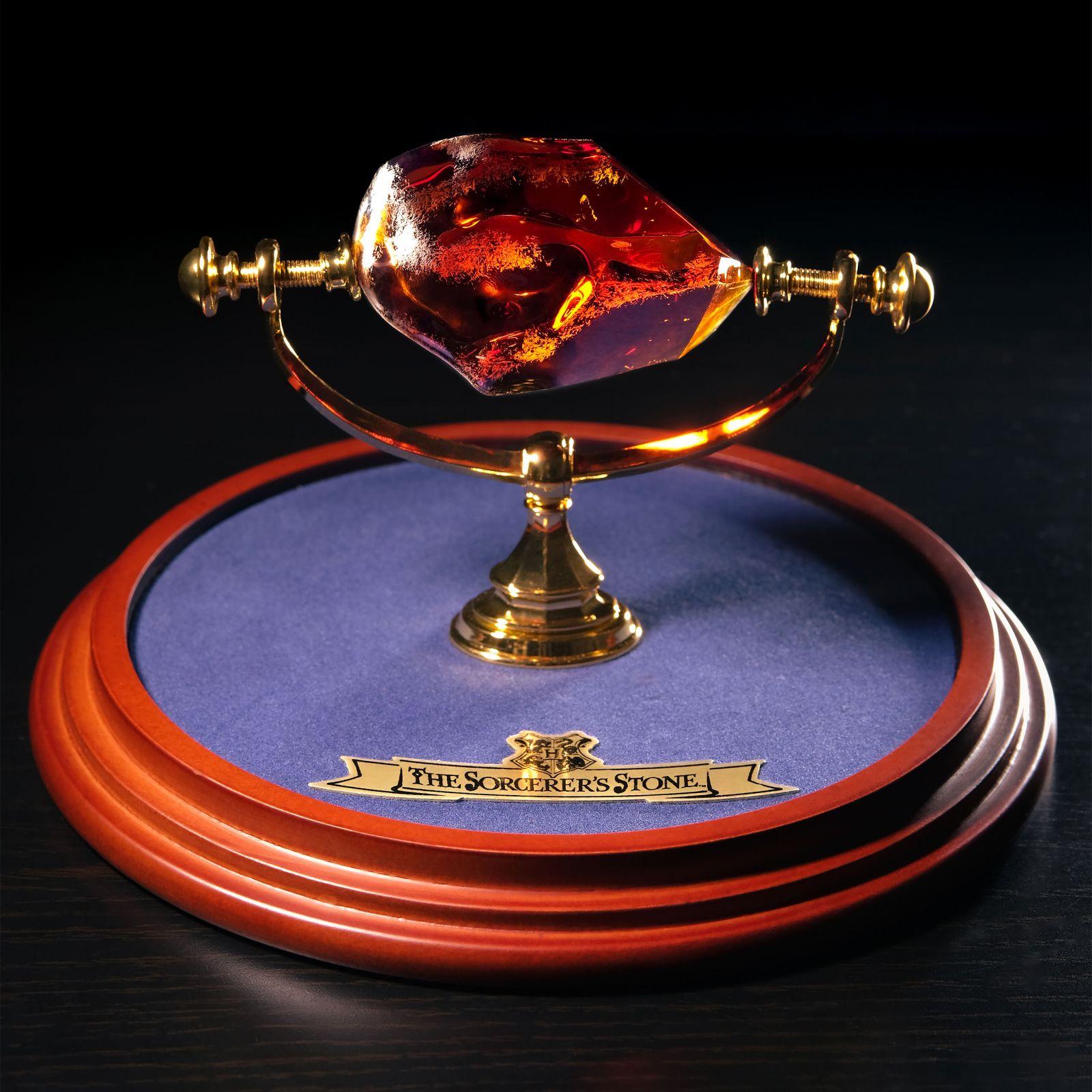
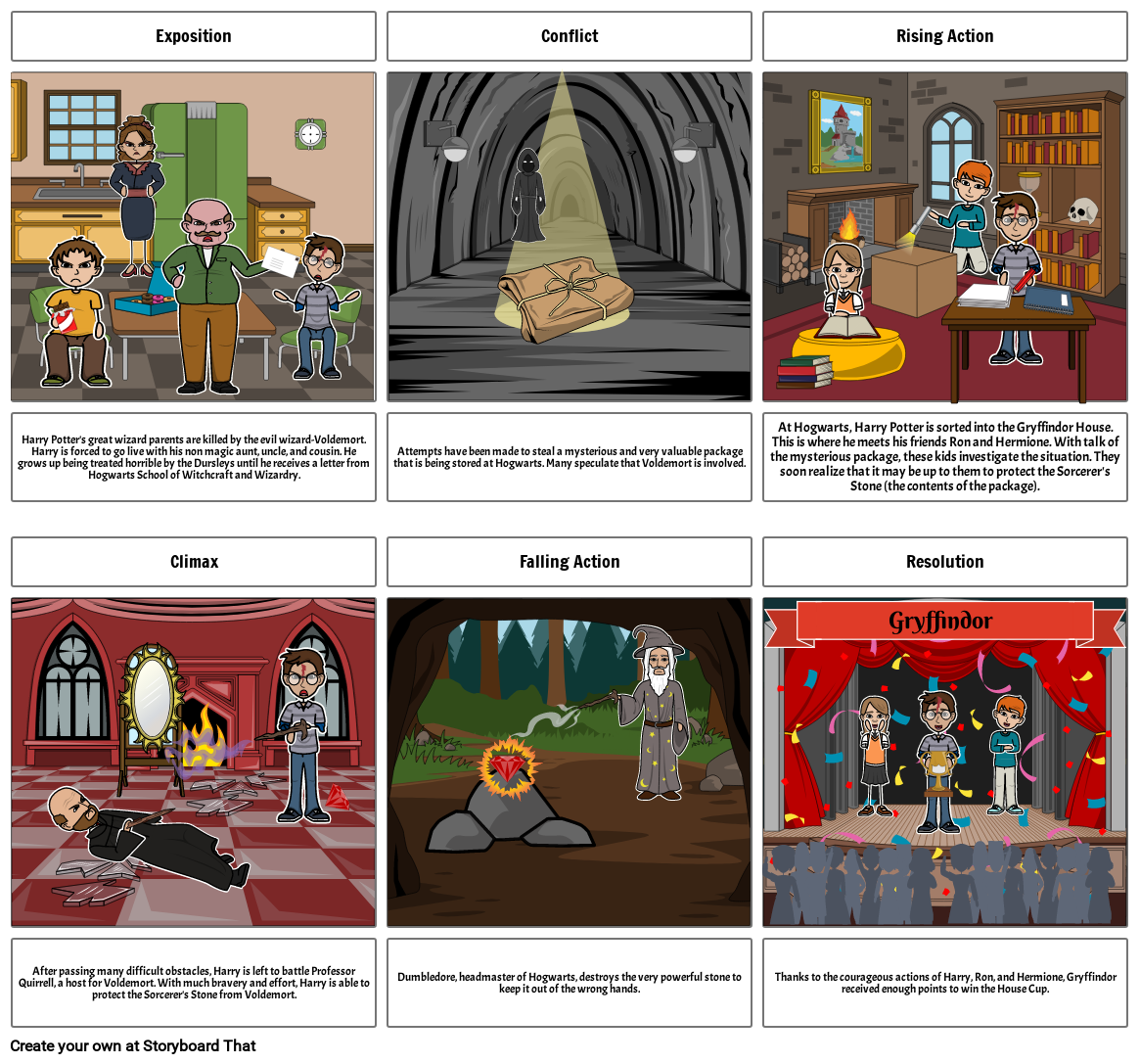
At the climax of Harry Potter and the Sorcerer’s Stone, Harry Potter discovers that Professor Quirrell—not Severus Snape—is the one attempting to steal the Stone for Lord Voldemort. Harry retrieves the Stone from the Mirror of Erised because he desires to find it without using it. Through the "Ancient Magic" of his mother’s sacrifice, Harry’s touch physically blisters and destroys Quirrell’s body, forcing Voldemort’s spirit to flee.
The ending of the first installment in the Harry Potter series is more than a simple victory of good over evil; it is a complex intersection of magical theory, character misdirection, and ethical ambiguity. As of 2026, the resolution of this narrative remains a foundational point of study for fans and literary analysts alike. Understanding the nuances of the "Underground Chambers" sequence requires looking at the specific magical protections, the logic of the Mirror of Erised, and the long-term consequences of Harry’s survival.
The Gauntlet of the Underground Chambers
The finale begins when Harry, Ron, and Hermione descend through the trapdoor guarded by Fluffy, the three-headed dog. This journey is designed as a series of tests, each created by a different Hogwarts professor to protect the Sorcerer’s Stone. While the film version streamlines these events, the literary version highlights the specific expertise of the faculty.
The Horticultural and Athletic Challenges
The first obstacle, the Devil’s Snare, was placed by Professor Sprout. It serves as a test of composure and knowledge. Hermione’s ability to recall that the plant hates sunlight is the first instance of her academic prowess saving the trio’s lives. Following this, Professor Flitwick’s Charmed Keys require Harry to utilize his skills as a Seeker. This stage reinforces that the protection of the Stone was not just about raw power, but about specific talents that the trio happens to possess.
The Strategic Sacrifice
The Giant Wizard’s Chess set, designed by Professor McGonagall, represents the first major stakes increase. Ron Weasley takes command, proving that his value to the group lies in strategic thinking rather than just "being a friend." In the ending’s sequence, Ron’s decision to sacrifice his piece (and his safety) to allow Harry to checkmate the King is a pivotal character arc moment. It establishes that the journey to the Stone requires self-sacrifice—a theme that resonates through the entire seven-book arc.
The Omitted Logic Puzzle
In the original text, there is an additional chamber containing Professor Snape’s protection: a logic puzzle involving seven potions. This is often misunderstood or forgotten because it was excluded from the 2001 film adaptation. The puzzle involves a riddle that identifies which bottle allows the drinker to move forward through black fire and which allows them to move back through purple fire. Hermione solves this, once again highlighting that magic often requires logic rather than just wand-work. She returns to help Ron, leaving Harry to face the final room alone.
The Revelation: Quirrell, Not Snape
The most significant plot twist at the ending of Harry Potter and the Sorcerer’s Stone is the identity of the antagonist. Throughout the year, Harry, Ron, and Hermione—and by extension, the reader—are led to believe that Severus Snape is trying to steal the Stone. This is reinforced by Snape’s brooding demeanor, his apparent "cursing" of Harry’s broom during a Quidditch match, and his frequent confrontations with the trio.
However, the ending reveals that Professor Quirrell is the true culprit. Quirrell explains that Snape was actually trying to protect Harry. During the Quidditch match, Snape was muttering a counter-curse to save Harry’s life, while Quirrell was the one performing the dark magic. This revelation is crucial because it subverts the "villainous appearance" trope and establishes the complexity of Snape’s character that persists until the series' conclusion.
The Shared Body
The most visceral part of the ending is the reveal of Lord Voldemort’s face on the back of Quirrell’s head. Having failed to steal the Unicorn blood effectively to sustain himself, Voldemort has taken up residence in Quirrell’s body as a parasite. This "living death" state allows Voldemort to direct Quirrell’s actions. The ending clarifies that Quirrell was not a victim in the traditional sense; he was a willing, if cowardly, servant who allowed himself to be possessed in exchange for the promise of power and glory.
The Logic of the Mirror of Erised
The final protection of the Stone was the Mirror of Erised, placed there by Albus Dumbledore. The mechanics of this protection are often a point of confusion. Dumbledore enchanted the Mirror so that only someone who wanted to find the Stone, but not use it, would be able to retrieve it.
Why Harry Received the Stone
When Harry looks into the Mirror, he sees his reflection sliding the Stone into his pocket. Because Harry’s motivation was purely to prevent Voldemort from getting the Stone—rather than using it to achieve immortality or turn lead into gold—the Mirror recognized him as the "rightful" seeker. Quirrell, conversely, only saw himself presenting the Stone to his Master. His desire was rooted in "use" (even if the use was for another), which kept the Stone out of his physical reach.
This distinction is a fundamental lesson in the series: the purity of intent often dictates the outcome of powerful magic. Harry’s lack of greed is his greatest weapon in this encounter, a trait that Dumbledore later notes is rare even among the most accomplished wizards.
The Protection of Sacrificial Love
When Quirrell attempts to physically seize Harry to force him to reveal the Stone’s location, he discovers he cannot touch Harry without suffering agonizing burns. This is not due to any spell Harry cast, but due to a lingering magical protection in Harry’s skin.
The Mechanics of "Ancient Magic"
As Dumbledore later explains in the hospital wing, Harry’s mother, Lily Potter, died to save him. Her sacrifice created a "blood protection" that lives on in Harry. Because Voldemort (and by extension, the possessed Quirrell) is filled with hatred and cannot understand love, he cannot touch a person "marked" by such a sacrificial act.
In the 2026 context of magical theory analysis, this is categorized as Ancient Magic, a branch of sorcery that predates wands and incantations. The ending of the first book establishes the "Power of Love" not just as a sentimental cliché, but as a literal, biological, and magical defense mechanism that Voldemort consistently underestimates.
Detailed Breakdown of the Underground Protections
The following table summarizes the layers of security Harry and his friends bypassed to reach the ending's final confrontation.
| Obstacle | Created By | Required Skill/Action | Narrative Purpose |
|---|---|---|---|
| Fluffy | Rubeus Hagrid | Music (Lulling to sleep) | Tests the ability to find a creature's weakness. |
| Devil’s Snare | Pomona Sprout | Relaxing/Using Fire/Light | Tests composure under physical pressure. |
| Flying Keys | Filius Flitwick | Expert Broom Flight | Tests Harry's specific athletic talent. |
| Wizard’s Chess | Minerva McGonagall | Strategic Sacrifice | Tests leadership and the willingness to lose. |
| The Troll | Quirinus Quirrell | Combat (Already defeated) | Shows the antagonist is ahead of the heroes. |
| Potion Riddle | Severus Snape | Logical Deduction | Tests intellect over magical ability. |
| Mirror of Erised | Albus Dumbledore | Pure Intent | The ultimate test of character and desire. |
The Aftermath and the Fate of the Stone
After the battle, Harry regains consciousness in the school’s infirmary. Dumbledore informs him that the Stone has been destroyed. This is a significant narrative choice; the Stone represented the "Elixir of Life," and its owner, Nicholas Flamel, had lived for over 665 years.
Nicholas Flamel’s Choice
By agreeing to destroy the Stone, Flamel effectively chooses to die. Dumbledore explains to Harry that for a "well-organized mind, death is but the next great adventure." This conversation provides the philosophical resolution to the book. It shifts the focus from the external threat of Voldemort back to the internal growth of Harry, teaching him that life is defined by its quality and its end, rather than its infinite duration.
The House Cup Controversy
The formal ending of the school year occurs at the Great Hall feast. Slytherin initially appears to have won the House Cup for the seventh consecutive year. However, Dumbledore awards "last-minute points" to Ron, Hermione, Harry, and Neville Longbottom.
- Ron Weasley: 50 points for the best-played game of chess Hogwarts has seen in years.
- Hermione Granger: 50 points for the use of cool logic in the face of fire.
- Harry Potter: 60 points for pure nerve and outstanding courage.
- Neville Longbottom: 10 points for standing up to his friends.
Neville’s points are particularly poignant as they push Gryffindor into the lead. This final beat of the ending reinforces the idea that it takes a great deal of bravery to stand up to enemies, but just as much to stand up to our friends.
Frequently Asked Questions
Why didn't Voldemort just kill Harry with a spell instead of having Quirrell touch him?
In the room with the Mirror, Voldemort is in a weakened, parasitic state. He wants Harry to reveal how to get the Stone from the Mirror first. Furthermore, Voldemort’s arrogance often leads him to want to "face" his enemies or prove his superiority. He believed Quirrell could easily overpower an eleven-year-old boy without wasting magical energy, not realizing that Lily’s protection was a physical barrier against his specific essence.
Does Quirrell die at the end of the Sorcerer's Stone?
Yes. In the book, Dumbledore confirms that Voldemort left Quirrell to die. The physical strain of being possessed, combined with the severe burns inflicted by Harry’s touch, resulted in Quirrell's death shortly after Voldemort's spirit fled the chamber. The movie depicts this more graphically with Quirrell turning to ash, whereas the book implies a more gradual physical collapse.
What happened to the Sorcerer's Stone?
Following the confrontation, Albus Dumbledore and Nicholas Flamel had a discussion and decided it was safest to destroy the Stone. While Flamel had enough Elixir of Life to "set his affairs in order," the destruction of the Stone meant that he and his wife, Perenelle, would eventually die. This was done to ensure Voldemort could never use the Stone to regain a permanent body.
Why was Snape protecting the Stone if he hated Harry?
Snape’s motivation was not based on affection for Harry, but on his loyalty to Dumbledore and his deep-seated grudge against Voldemort. Additionally, as revealed in later books, Snape felt a lifelong obligation to protect Harry because of his past with Lily Potter. At the end of the first year, Snape's actions are purely professional and protective, despite his personal dislike for Harry’s personality.
How did Dumbledore know when to save Harry?
Dumbledore claims he arrived just in time, though many fans speculate he may have been observing from a distance. In the text, Dumbledore mentions he received an urgent owl from the Ministry but realized upon reaching London that he was needed at Hogwarts instead. He returned just as Harry was losing consciousness, suggesting he moved with great speed once he realized the trap had been sprung.
Practical Takeaway for Readers
When analyzing what really happens at the ending of Harry Potter and the Sorcerer’s Stone, the most important element to remember is the intentionality of the magic. The Stone was not lost through a lack of power, but through a lack of character on Quirrell’s part. For readers or writers studying the series in 2026, this remains the definitive example of how to tie a plot resolution to the protagonist's core virtues. The ending isn't just about Harry winning a fight; it’s about Harry proving he is fundamentally different from the man who murdered his parents.
Image Gallery
Select an image to open it in a new tab.


Lars Thomsen
Global Labor Markets and Economic Strategy Editor
