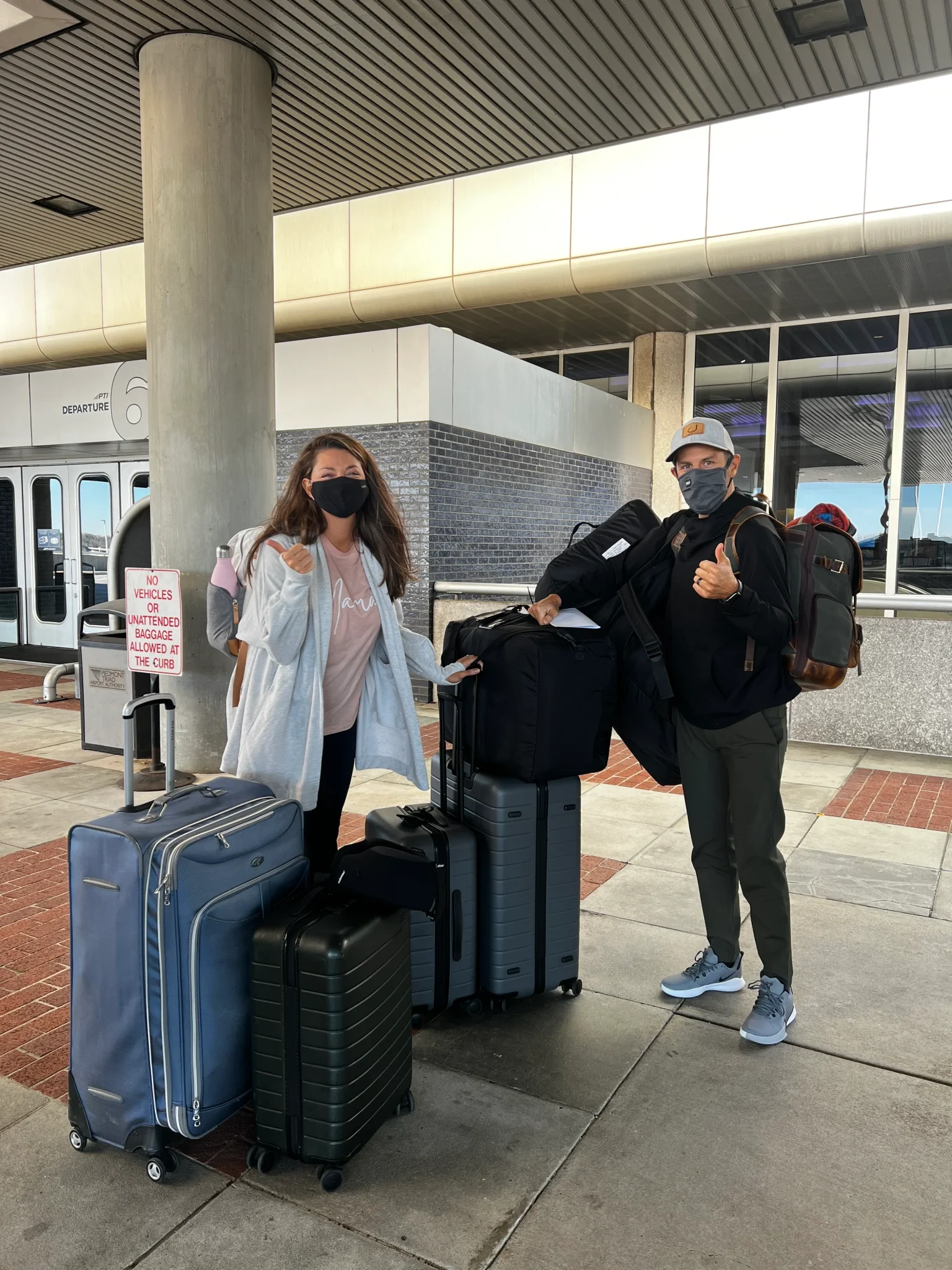
International adoption in South Africa, legally referred to as intercountry adoption, is the process by which a child residing in South Africa is permanently and legally placed with adoptive parents who are habitual residents of a foreign country. This process is strictly governed by the Children’s Act 38 of 2005 and the Hague Convention on Protection of Children and Co-operation in Respect of Intercountry Adoption, ensuring that the child’s best interests remain the paramount consideration throughout the legal proceedings.
The landscape of international adoption in South Africa as of 2026 remains a complex, highly regulated, and ethically driven environment. For prospective adoptive parents, navigating this path requires an in-depth understanding of the legal frameworks, the role of the South African Central Authority (SACA), and the specific eligibility criteria that distinguish intercountry cases from domestic ones.
The Legal Framework and the Hague Convention
South Africa became a signatory to the Hague Convention in 2003, and the principles of this international treaty are fully integrated into Chapter 16 of the Children’s Act. The primary objective of the Hague Convention is to prevent the abduction, sale, or trafficking of children by establishing a system of cooperation between "sending" and "receiving" countries.
In 2026, the Department of Social Development (DSD) continues to function as the South African Central Authority (SACA). SACA is responsible for overseeing all intercountry adoptions, ensuring that every case complies with both South African law and international standards. This oversight means that private adoptions—where biological parents and adoptive parents make arrangements without the mediation of an accredited agency and the Central Authority—are strictly prohibited and legally invalid in the context of international placement.
The Subsidiarity Principle
One of the most critical aspects of understanding international adoption in South Africa is the Subsidiarity Principle. Under South African law, intercountry adoption is considered a secondary option. The principle dictates that a child should only be made available for international adoption if:
- A suitable family cannot be found within South Africa (including biological family members and unrelated domestic adoptive parents).
- Foster care or other community-based solutions within the child's country of origin have been exhausted or deemed not in the child’s best interest.
- The child has been registered on the Register on Adoptable Children and Adoptive Parents (RACAP) for a specified period without a successful domestic match.
This means that the majority of children available for international adoption in South Africa often have "special needs," which can include medical conditions, being part of a sibling group, or being older children who are more difficult to place domestically.
Eligibility Requirements for Prospective Adoptive Parents
To adopt a child from South Africa internationally, prospective adoptive parents (PAPs) must meet the requirements of both their home country and the South African government. As of 2026, South Africa maintains an inclusive approach to who can adopt, but the specific requirements of the "receiving country" often dictate the feasibility of the process.
Basic Criteria
- Age: Applicants must generally be over the age of 18. While there is no strict upper age limit in the Children's Act, SACA and accredited agencies typically look for a "reasonable" age gap between the parent and child (usually not exceeding 45 years) to ensure the long-term stability of the placement.
- Status: Adoption is open to married couples, partners in permanent life partnerships, and single individuals. South Africa is one of the few African nations that legally permits adoption by LGBTQ+ individuals and couples, though the receiving country must also recognize these rights for the adoption to be finalized and the child to gain citizenship abroad.
- Health and Stability: PAPs must undergo a rigorous psychological and medical assessment. They must demonstrate financial stability and the ability to provide for a child's needs until adulthood.
- Criminal Record: A clear police clearance certificate from the home country is mandatory. Individuals with a history of child abuse, domestic violence, or serious criminal offenses are disqualified.

The Step-by-Step Intercountry Adoption Process
The journey of international adoption is structured to ensure multiple layers of vetting. The process typically takes between 24 to 36 months, though this varies depending on the specific country agreement and the profile of the child being sought.
Phase 1: Application and Home Study
The process begins in the PAPs' country of residence. They must contact a government-authorized or accredited adoption agency in their home country that has a working agreement with a South African accredited child protection organization.
The Home Study is an exhaustive evaluation conducted by a social worker. It includes multiple interviews, home visits, background checks, and references. The resulting report assesses the parents' motivations, their understanding of trauma-informed parenting, and their readiness to raise a child from a different cultural background. Once completed, the home country’s Central Authority must approve the PAPs as eligible and suited to adopt.
Phase 2: Matching and the Article 16 Report
Once the PAPs are approved, their dossier is sent to the South African Central Authority. The matching process is child-led, meaning a child is not "found" for a family; rather, a family is "found" for a child who has already been declared adoptable.
When a potential match is identified, a detailed Article 16 Report is prepared by the South African social worker. This report includes the child’s medical history, social background, and the reasons why a domestic placement was not possible. The PAPs review this information and decide whether to accept the match.
Phase 3: The Article 17 Notice
If the PAPs accept the match, the Central Authorities of both countries must agree that the adoption should proceed. This is formalized through an Article 17 Notice. This document is a safeguard ensuring that the child will be permitted to enter and reside permanently in the receiving country.
Phase 4: Legal Finalization and Travel
PAPs are required to travel to South Africa for the legal proceedings. Unlike some countries that allow "proxy" adoptions, South Africa requires at least one (and usually both) parents to be present.
The case is heard in the Children’s Court in the district where the child resides. The magistrate reviews all documentation, including the SACA clearance, and issues an Adoption Order. Following the court order, the child’s birth certificate is amended, and a South African passport is issued for the child. This stage typically requires the parents to stay in South Africa for 4 to 6 weeks.
Accredited Agencies and Partnerships
International adoption in South Africa cannot be facilitated by just any social worker. It must be handled by an organization accredited by the DSD to perform intercountry services. As of 2026, South Africa maintains active working relationships with several countries under specific "working agreements."
Common partner countries include:
- The United States
- The Netherlands
- Finland
- Sweden
- Germany
- Denmark
If a prospective parent resides in a country that does not have an active working agreement with South Africa, an intercountry adoption is generally not possible, even if both countries are Hague Convention signatories. These agreements are reviewed periodically to ensure that the "best interests" standards are being upheld by both parties.
Costs and Financial Considerations
Intercountry adoption is significantly more expensive than domestic adoption due to the international legal requirements, travel, and the involvement of multiple agencies.
| Expense Category | Estimated Cost (2026 USD/ZAR Equivalent) | Description |
|---|---|---|
| Home Study & Local Agency Fees | $5,000 – $15,000 | Paid to the agency in the parents' home country for screening and education. |
| South African Agency Fees | R35,000 – R70,000 | Professional fees for the South African social worker and legal administrative costs. |
| Translation & Documentation | $500 – $2,000 | Notarization, apostilles, and translation of official documents. |
| Legal & Court Fees | R10,000 – R25,000 | Filing fees and legal representation in the South African Children's Court. |
| Travel & Accommodation | $4,000 – $10,000 | Flights, 4–6 weeks of accommodation in South Africa, and local transport. |
| Post-Placement Reports | $1,000 – $3,000 | Fees for mandatory follow-up visits required by SACA for up to 5 years. |
Note: These figures are estimates. Actual costs vary based on the requirements of the receiving country and the specific complexity of the child's legal status.
Post-Adoption Obligations
The responsibility of the adoptive parents does not end when they leave South African soil. The South African Central Authority requires Post-Placement Reports. These reports are prepared by a social worker in the parents' home country and submitted to SACA.
Typically, these reports are required:
- 6 months after placement.
- Annually for the first five years.
- Sometimes until the child reaches age 18, depending on the specific country agreement.
These reports ensure that the child is integrating well, receiving necessary medical care, and that the adoption is stable. Failure to comply with post-placement reporting can jeopardize the relationship between the two countries' central authorities and may affect the legality of the adoption status in future legal reviews.
Common Challenges and Considerations
The "Special Needs" Reality
Prospective parents must be prepared for the fact that children cleared for intercountry adoption in South Africa often have complex backgrounds. This can include exposure to HIV/AIDS (though many children are HIV-negative or have manageable viral loads), fetal alcohol syndrome, or the psychological effects of early childhood institutionalization.
Cultural Identity and Heritage
The Children’s Act emphasizes the importance of a child’s cultural and linguistic heritage. Adoptive parents are expected to demonstrate how they will help the child maintain a connection to their South African roots. This is not just a suggestion; it is often a component of the Home Study and the matching interview.
Lengthy Timelines
The administrative burden on the South African Central Authority often leads to delays. Parents should be prepared for "waiting periods" that can last months or years between the initial application and the match. Changes in government personnel or shifts in international policy can also impact processing times.
FAQs
Can a South African citizen living abroad adopt a child from South Africa?
Yes, this is still considered an intercountry adoption. Even though the parents are South African citizens, the fact that they are "habitually resident" in another country means the Hague Convention protocols must be followed to ensure the child can legally immigrate to the parents' country of residence.
Is it possible to adopt a specific child I already know?
Generally, no. The "matching" process is designed to be objective and child-centric. However, in cases of "kinship adoption" (where the child is a relative), the process is different. Kinship adoptions still require legal oversight but do not follow the same RACAP matching sequence as adoptions of unrelated children.
What is the difference between foster care and international adoption?
Foster care is intended to be a temporary solution with the goal of reunification with the biological family. Adoption is a permanent legal severance of ties with the biological family and the creation of a new, permanent legal bond with the adoptive parents. Intercountry adoption only occurs when both reunification and domestic adoption have been ruled out.
Can single men adopt from South Africa?
Yes, South African law does not discriminate based on gender or marital status. However, the PAP must live in a country that also permits single-man adoptions and has an active agreement with South Africa. Some partner countries may have their own internal preferences or restrictions.
Do I need a lawyer for an international adoption in South Africa?
While the process is primarily social-work-driven, the finalization occurs in a court. Most accredited adoption agencies have "panel attorneys" or legal experts who handle the court applications. You generally do not need to hire a separate private attorney, as the accredited agency manages the legal path.
Practical Recommendation
For those considering international adoption in South Africa, the first and most vital step is to verify that your country of residence has a formal working agreement with the South African Department of Social Development. Without this agreement, the process cannot legally proceed.
Once confirmed, engage with an agency that specializes in trauma-informed care. Understanding the unique medical and psychological needs of South African children in the welfare system is essential for a successful and ethical adoption. Prospective parents should also begin compiling a "life book" or heritage plan early in the process to demonstrate their commitment to the child's South African identity.
Image Gallery
Select an image to open it in a new tab.
Mateo Castillo
Decentralized Finance and E-Payments Strategist
