A Decade of Super Bowl Halftime Shows: Highlights and Cultural Impact (2017–2026)
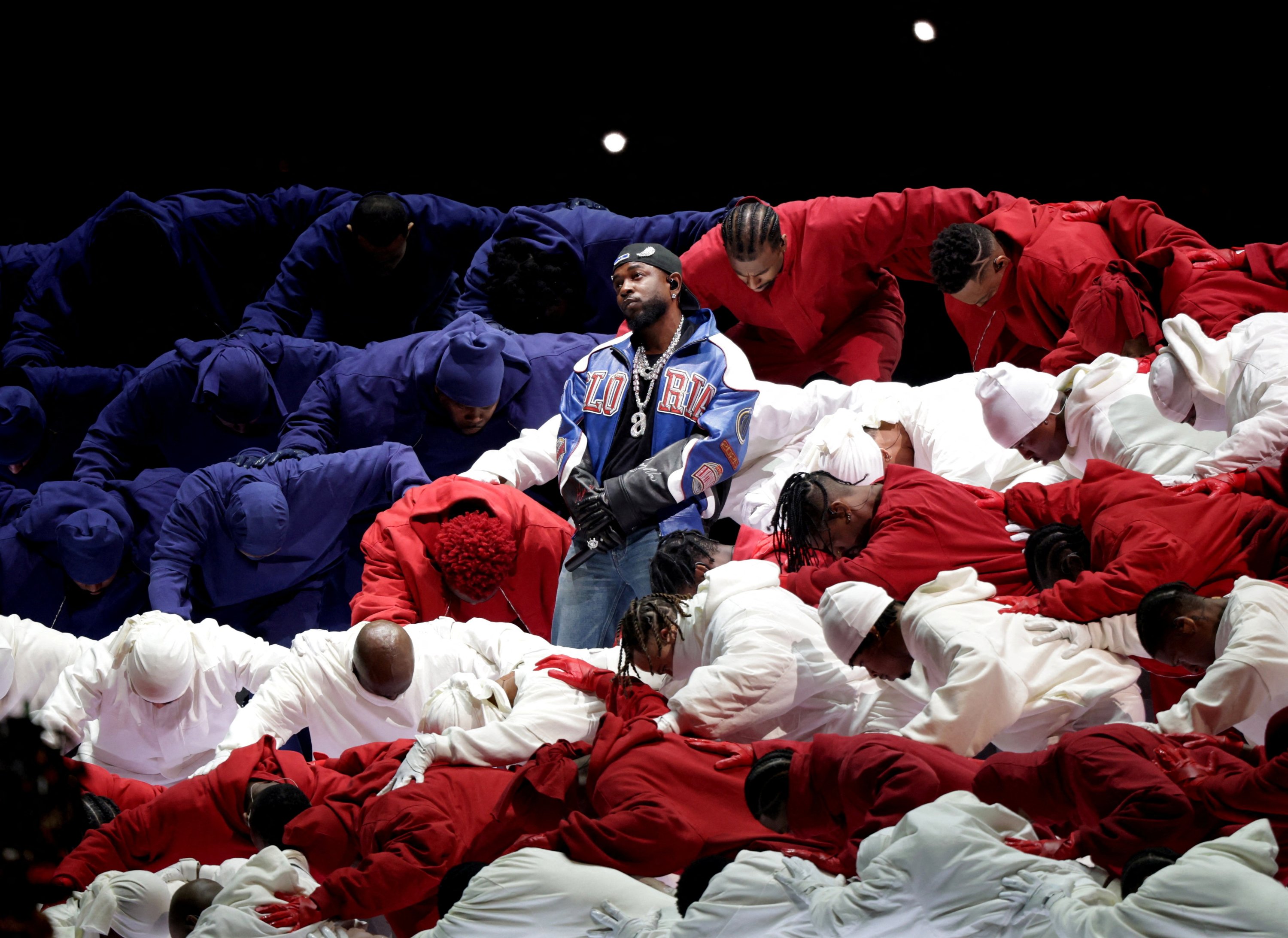
Over the last ten years, the Super Bowl halftime show has evolved from a high-energy musical intermission into a globally dominant cultural event that blends cutting-edge technology with social commentary. From Lady Gaga’s aerial stunts in 2017 to Kendrick Lamar’s 2025 performance in New Orleans, these shows represent the pinnacle of live television production and artistic branding.
The Super Bowl halftime show remains the most-watched musical performance of the year, often surpassing the viewership of the game itself. As we look back from the perspective of 2026, the last decade has been defined by a significant shift in how performers are selected and how the stage is used to reflect the diversity of the American musical landscape. The partnership between the NFL and Roc Nation, which began in 2019, fundamentally altered the curation process, moving away from safe, legacy rock acts toward a more vibrant mix of hip-hop, Latin pop, and contemporary R&B.
The Evolution of the Modern Spectacle (2017–2020)
The first half of the last decade was characterized by massive individual star power and a focus on high-concept stagecraft. Performers during this era pushed the boundaries of what was physically possible in a 13-minute window, utilizing drones, massive LED floors, and complex choreography.
2017: Lady Gaga’s Solo Mastery
At Super Bowl LI in Houston, Lady Gaga delivered a performance that is still cited as a masterclass in solo showmanship. Eschewing the common practice of inviting guest stars, Gaga carried the entire show herself. The performance began on the roof of NRG Stadium with a fleet of 300 Intel Shooting Star drones forming the American flag—the first time drones were used in a Super Bowl broadcast. Gaga then descended via wires to a multi-level stage. Her setlist, featuring "Poker Face," "Born This Way," and "Million Reasons," focused on themes of inclusion and unity, which resonated deeply during a period of heightened social discourse.
2018: Justin Timberlake and the Prince Tribute
Super Bowl LII in Minneapolis saw Justin Timberlake return to the halftime stage for the first time since the 2004 controversy. His performance was notable for its use of the entire stadium, including the crowd and the concourses. However, the most discussed moment was a digital tribute to Prince, a Minneapolis native. Using a massive projection on a silk screen, Timberlake performed "I Would Die 4 U" alongside footage of the late artist. While it sparked debate regarding the ethics of digital "resurrections," it remains one of the most visually striking homages in halftime history.
2019: Maroon 5 and the Turning Point
The performance at Super Bowl LIII in Atlanta marked a difficult period for the NFL. Amidst the national conversation regarding player protests and social justice, several artists reportedly declined the invitation to perform. Maroon 5 eventually took the stage, joined by Travis Scott and Big Boi. While the performance featured a classic pop-rock setlist, it served as the catalyst for the NFL’s eventual partnership with Shawn "Jay-Z" Carter’s Roc Nation, aimed at better integrating the league with contemporary culture and social causes.
2020: Shakira and Jennifer Lopez’s Latin Celebration
Just weeks before the global lockdowns of 2020, Super Bowl LIV in Miami hosted a historic celebration of Latin culture. Shakira and Jennifer Lopez co-headlined a high-speed, multi-lingual show that highlighted the influence of the Latin community in the United States. Featuring guests like Bad Bunny and J Balvin, the show was praised for its energy and political subtext, including a visual metaphor involving children in illuminated "cages" during "Let’s Get Loud." This show remains one of the most-watched halftime performances on digital platforms like YouTube.
The Pandemic Era and the Hip-Hop Renaissance (2021–2024)
As the world adapted to new health and safety standards, the halftime show pivoted in its production methods, leading to some of the most innovative uses of the stadium environment in the history of the event.
2021: The Weeknd’s Cinematic Vision
For Super Bowl LV in Tampa, The Weeknd faced the challenge of performing for a socially distanced crowd. To solve this, he invested $7 million of his own money to build a permanent-looking set within the stands of the stadium rather than just on the field. The performance was designed as a cinematic experience, utilizing a "hall of mirrors" and hundreds of look-alike dancers in bandages to tell the story of his After Hours album era. By utilizing the stands, the production achieved a scale and depth that traditional field-based stages often lack.
2022: The Los Angeles Hip-Hop Summit
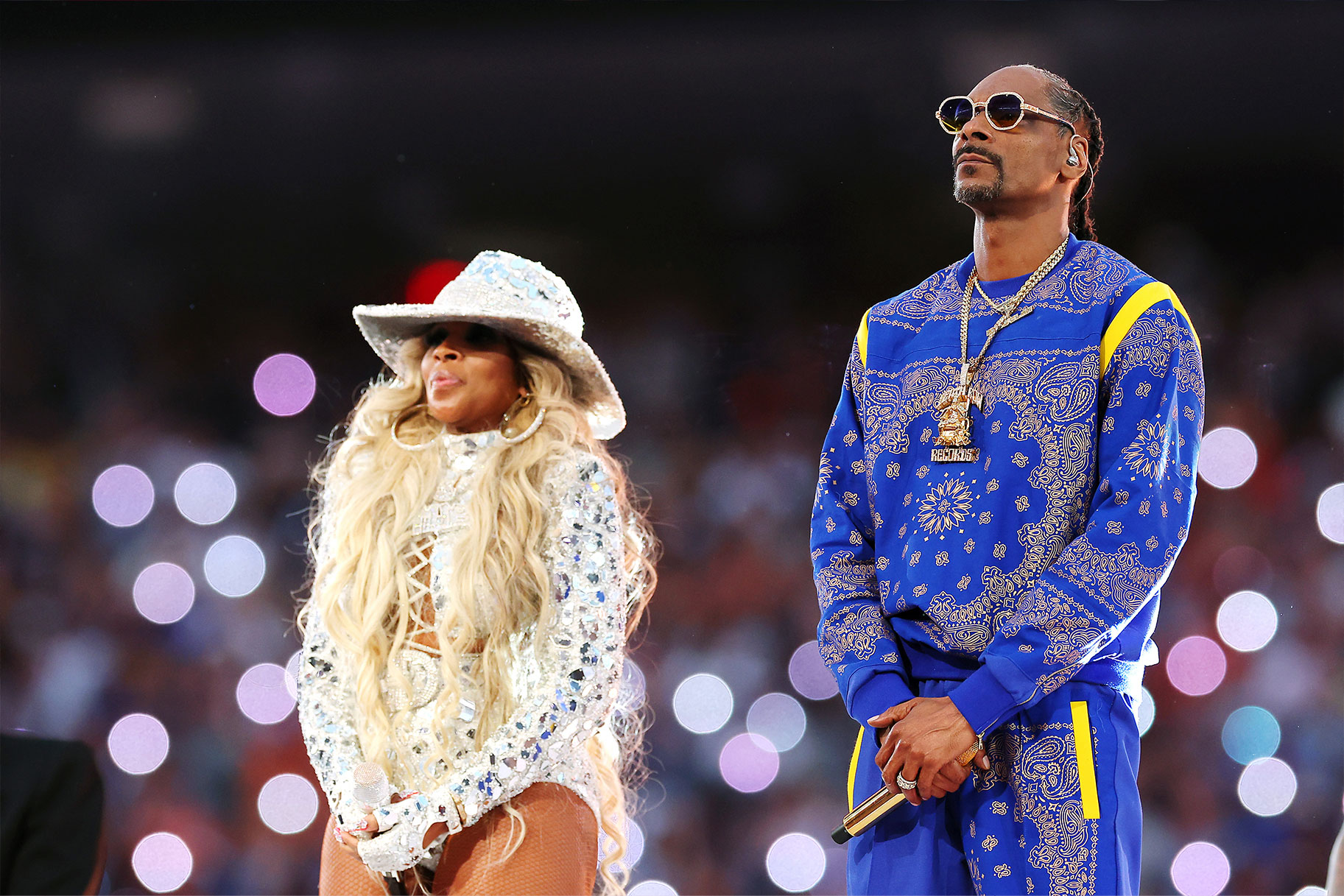
Often cited as the "greatest halftime show of all time" by hip-hop fans, Super Bowl LVI at SoFi Stadium was a homecoming for West Coast rap. Dr. Dre, Snoop Dogg, Eminem, Mary J. Blige, and Kendrick Lamar—with a surprise appearance by 50 Cent—performed on a set designed to look like a row of Compton houses. This was a landmark moment for the NFL, as it was the first time hip-hop was the primary focus of the show. The production won three Creative Arts Emmy Awards, cementing its status as a critical and commercial triumph.
2023: Rihanna’s Gravity-Defying Return
Super Bowl LVII in Arizona saw Rihanna return to the stage after a multi-year hiatus. The performance was characterized by its minimalist but technically complex design, featuring seven suspended platforms that moved vertically throughout the stadium. Rihanna’s revelation of her second pregnancy during the opening moments became a global trending topic. The show was a solo effort, focusing on her massive catalog of hits, from "Bitch Better Have My Money" to "Diamonds," and relied on precision choreography from a sea of white-clad dancers.
2024: Usher’s R&B Masterclass
At Super Bowl LVIII in Las Vegas, Usher celebrated his legacy and his residency in the city with a performance that honored the history of R&B and Atlanta’s "A-Town" culture. The show featured guests like Alicia Keys, H.E.R., Lil Jon, and Ludacris. Usher’s use of roller skates and a custom-designed circular stage added a layer of kinetic energy that suited the high-stakes atmosphere of the first Super Bowl held in Nevada.
Recent Milestones and the 2026 Horizon
By 2025 and 2026, the halftime show had become more than just a concert; it became a curated festival-style event that integrated with the host city's identity more than ever before.
2025: Kendrick Lamar in New Orleans
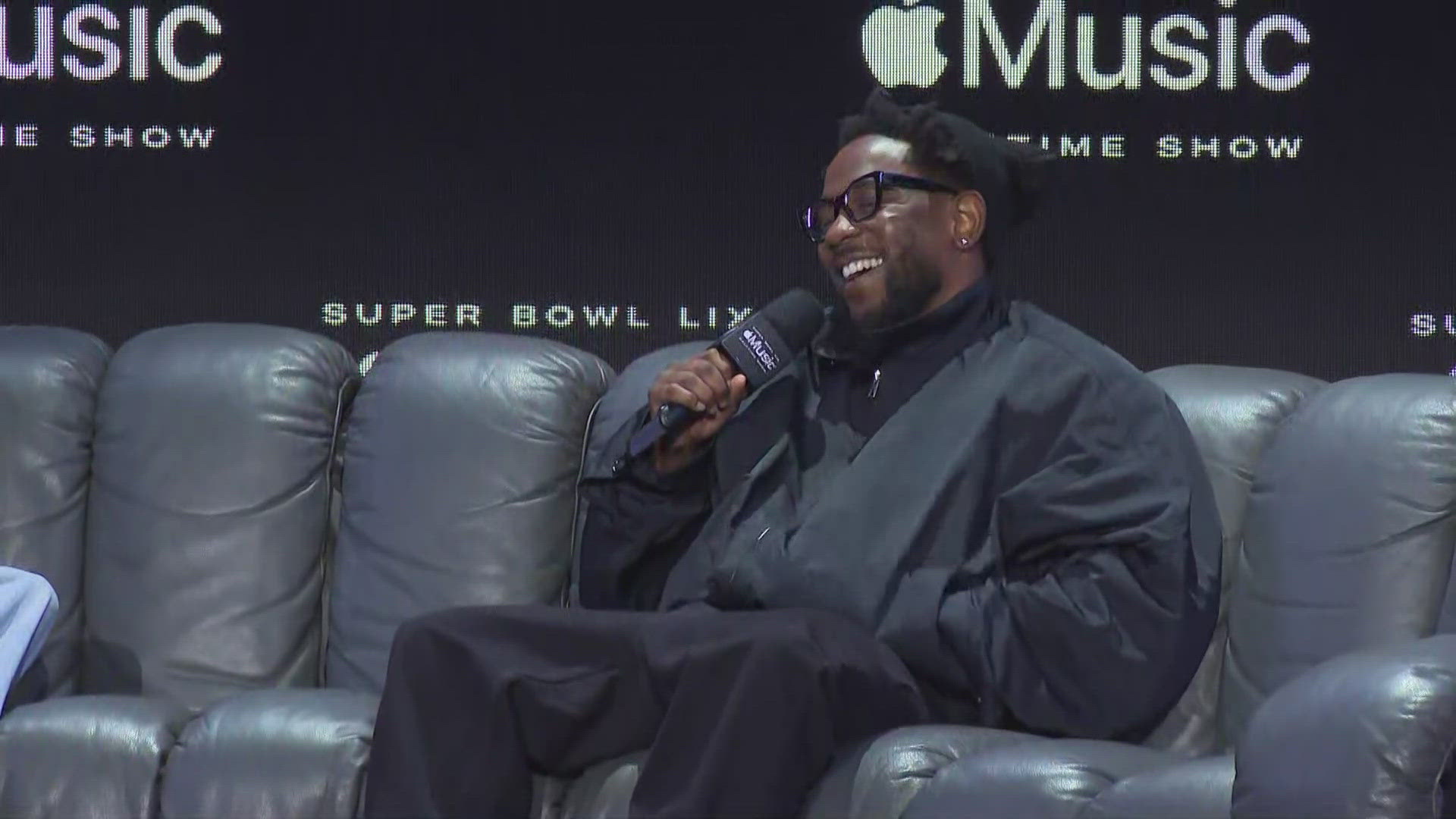
At Super Bowl LIX, Kendrick Lamar took the stage as a solo headliner for the first time. Held at the Caesars Superdome, the show leaned heavily into Lamar’s reputation as a lyricist and visual artist. Coming off a year of significant cultural presence in the hip-hop community, Lamar’s performance was lauded for its theatricality and its ability to turn a football stadium into an intimate, thought-provoking space.
2026: Super Bowl LX and the Modern Standard
As of early 2026, the Super Bowl halftime show has reached a level of production complexity that requires nearly a year of planning. The shift toward artists who have "residencies" or long-standing cultural impact has allowed the NFL to ensure high viewership across multiple demographics. The current year's focus remains on the "Super Bowl Bump"—the massive increase in streaming and sales that artists experience immediately following their 13 minutes on the world stage.
Summary Table: A Decade of Halftime Performances
The following table summarizes the key details of each halftime show from 2017 to 2026, reflecting the primary performers and the central theme of each production.
| Year | Super Bowl | Primary Performer(s) | Notable Guest Stars | Central Theme/Innovation |
|---|---|---|---|---|
| 2017 | LI | Lady Gaga | None | First use of drones in a Super Bowl |
| 2018 | LII | Justin Timberlake | None (Prince Tribute) | Use of the entire stadium floor and stands |
| 2019 | LIII | Maroon 5 | Travis Scott, Big Boi | Transition to the Roc Nation era |
| 2020 | LIV | Shakira & Jennifer Lopez | Bad Bunny, J Balvin | Celebration of Latin-American culture |
| 2021 | LV | The Weeknd | None | Pandemic-safe "in-stands" production |
| 2022 | LVI | Dr. Dre, Snoop Dogg, et al. | 50 Cent, Anderson .Paak | Landmark celebration of 90s/00s Hip-Hop |
| 2023 | LVII | Rihanna | None | Suspended platforms and minimalist design |
| 2024 | LVIII | Usher | Alicia Keys, Ludacris, Lil Jon | Las Vegas residency style and R&B focus |
| 2025 | LIX | Kendrick Lamar | TBD (Various) | Theatrical storytelling and cultural depth |
| 2026 | LX | To Be Announced/Current | Various | Integration of AR and immersive fan tech |
The Technical Mechanics of the Halftime Show
The logistical feat of putting on a halftime show is often more impressive than the music itself. The production crew has approximately eight minutes to move the stage onto the field and set up all audio, lighting, and power systems. Once the 13-minute show concludes, they have another six to seven minutes to clear the field entirely so the teams can return for the second half.
Stage Construction and Power
Modern stages are modular, often consisting of 20 to 30 separate "carts" that are wheeled onto the field by hundreds of volunteers. These carts must fit through standard stadium tunnels and be assembled with military precision. For power, the shows rarely rely on the stadium’s grid; instead, they use massive independent generators parked outside the venue to prevent any potential blackouts from affecting the game broadcast.
Audio Challenges
Broadcasting a live concert in an open-air or domed stadium is a notorious acoustic challenge. To ensure the highest quality for the television audience, the vocals are often a mix of live performance and pre-recorded "safety" tracks. This is a standard industry practice for events of this scale, where wind, movement, and stadium echoes can interfere with the audio feed.
The Financials: Who Pays for the Show?
A common misconception is that the NFL pays the performers a high appearance fee. In reality, the performers are not paid a "salary" for the show. Instead, the NFL and its sponsors (such as Apple Music, which took over sponsorship from Pepsi in 2022) cover the production costs, which can range from $10 million to $20 million.
The artists agree to this arrangement because of the unparalleled exposure. According to data from Billboard and Nielsen, performers typically see a triple-digit percentage increase in their song sales and streaming numbers in the 24 hours following the game. For example, after her 2023 performance, Rihanna's overall streaming figures in the U.S. jumped by more than 140%.
Frequently Asked Questions
Who was the first artist to perform under the Roc Nation partnership?
Maroon 5 performed the year the partnership was formed, but the 2020 show featuring Shakira and Jennifer Lopez was the first to be fully curated and produced under the new collaboration between the NFL and Roc Nation. This partnership was specifically designed to broaden the cultural reach of the halftime show.
Has anyone ever performed twice in the last ten years?
While no artist has headlined the show twice in the last decade, some have made guest appearances or returned in a different capacity. For example, Kendrick Lamar performed as part of the ensemble in 2022 and then returned as the solo headliner in 2025.
How are the halftime show performers selected?
The selection is a collaborative process involving the NFL, the host city's organizing committee, and Roc Nation. They look for artists with a broad "legacy" of hits, a reputation for high-quality live performance, and the ability to appeal to a multi-generational audience. The artist's current relevance and social impact are also heavily weighed.
What happens if it rains during the halftime show?
The show must go on regardless of weather conditions, unless there is a safety threat like lightning. Most modern Super Bowls are held in domed stadiums or warm-weather cities to mitigate this risk. However, Prince’s 2007 performance in a downpour remains the gold standard for handling inclement weather. In the last decade, most shows have been in controlled or fair-weather environments.
Why do artists use guest performers?
Guest performers are used to add surprise value and to bridge different musical genres. They also allow the headliner to take brief breaks during high-intensity choreography or to transition between different segments of the stage. Guest stars often represent the host city's musical history, as seen with Big Boi in Atlanta (2019) or Snoop Dogg in Los Angeles (2022).
Practical Recommendation for Fans
If you are looking to relive the best moments of the last decade, the NFL's official YouTube channel maintains a high-definition archive of every halftime show since 2017. Watching these in chronological order provides a fascinating look at the rapid advancement of LED technology and stage design. For those interested in the behind-the-scenes logistics, many artists now release "Making Of" documentaries on streaming platforms (such as The Weeknd’s The Show or Jennifer Lopez’s Halftime) that provide a deeper look at the intense six-month rehearsal process required for these 13 minutes of television.
Image Gallery
Select an image to open it in a new tab.



Lars Thomsen
Global Labor Markets and Economic Strategy Editor
