Why the Peloton Ad Still Sparks Debate: A 2026 Retrospective on Viral Controversy

The 2019 Peloton holiday commercial remains a focal point of debate because it perfectly encapsulates the disconnect between brand aspiration and consumer reality. By navigating sensitive themes of gender roles, body image, and socioeconomic privilege, the ad became a permanent case study in how viral outrage can reshape a company’s identity and marketing strategy overnight.
Even as we look back from 2026, "The Gift That Gives Back" remains one of the most dissected pieces of advertising in the fitness industry. While the product—the Peloton Bike—has seen numerous iterations and the company has weathered various economic cycles, the conversation surrounding those thirty seconds of film refuses to fade. To understand why this ad still sparks debate, one must look beyond the screen and into the complex intersection of digital culture, social expectations, and the psychology of brand perception.
The Anatomy of "The Gift That Gives Back"
To understand the enduring debate, we must first revisit the content of the advertisement itself. Released in late 2019, the commercial features a woman (played by actress Monica Ruiz) receiving a Peloton Bike from her husband on Christmas morning. The narrative follows her over the course of a year as she documents her fitness journey through a series of "vlogs" or video diaries, which she ultimately presents to her husband as a thank-you gift.
On the surface, the ad was intended to showcase the transformative and motivational power of the platform. However, the execution triggered an immediate and visceral reaction. Critics argued that the protagonist, who was already thin and fit, appeared frightened or coerced. The "anxious" look in her eyes led to the character being dubbed the "Peloton Wife," with social media users framing the story as a dystopian narrative of a woman seeking validation from her husband through physical exertion.
The Misinterpretation of Aspiration
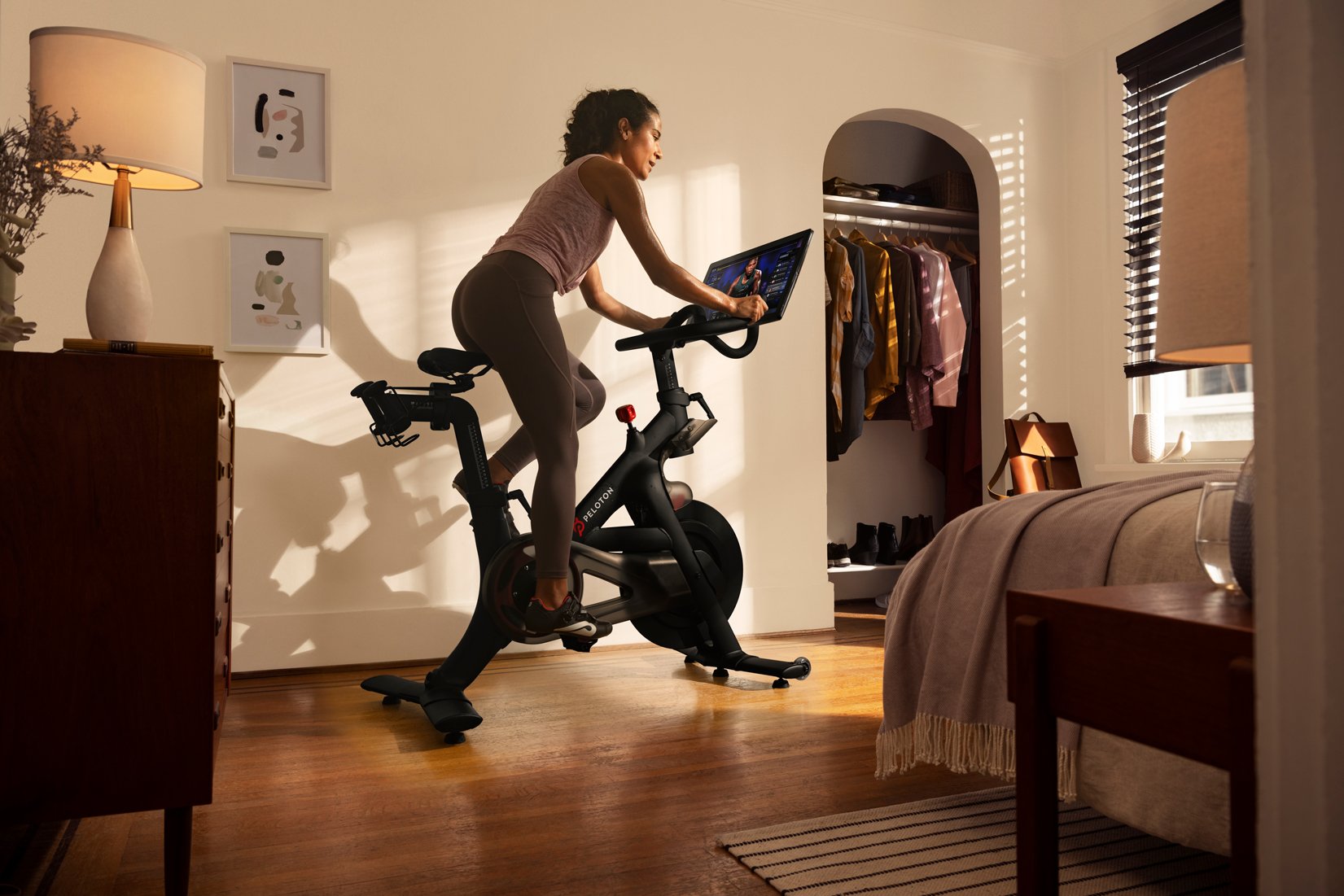
Peloton’s marketing strategy has historically leaned into high-end, aspirational lifestyle imagery. Their commercials often feature sleek, modern homes with floor-to-ceiling windows and users who embody a specific standard of fitness. In the context of "The Gift That Gives Back," this aspiration crossed a line for many viewers. Instead of seeing a woman empowered by fitness, many saw a woman burdened by the pressure to maintain her appearance for her partner.
The debate persists because it highlights the thin line between "inspiring" and "alienating." In 2026, fitness brands are much more cautious about how they portray the motivation for exercise. The Peloton ad serves as a constant reminder that if the "why" behind a fitness journey appears to be external pressure rather than internal agency, the audience will react with hostility.
The Socioeconomic and Gendered Backlash
The debate is not merely about a bike; it is about the societal structures the ad inadvertently highlighted. Two major themes continue to fuel the discussion: the perception of gender roles and the optics of wealth.
Gender Dynamics and the "Hostage" Narrative
One of the primary reasons the ad remains a topic of conversation is its perceived reinforcement of patriarchal tropes. The act of a husband gifting his already-fit wife a weight-loss tool can be interpreted in several ways. While some saw it as a supportive gesture for a requested hobby, a significant portion of the public saw it as a demand for her to stay thin.
The actress’s performance—characterized by wide eyes and a seemingly nervous demeanor—fueled a "hostage video" meme. In the years since, marketing experts have used this as a prime example of how non-verbal cues and casting choices can completely subvert a script's intended message. The debate continues because it forces us to ask: How do we depict healthy relationships and support in a way that doesn't trigger secondary readings of control?
The Privilege Gap
At the time of the ad's release, a Peloton Bike cost over $2,000, not including the monthly subscription fee. The setting of the ad—a sprawling, luxury home—further cemented Peloton as a "prestige" brand. The backlash was, in part, a reaction to this display of wealth. Critics argued that the ad felt "out of touch" with the average consumer's reality.
| Feature of the Ad | Intended Brand Message | Public Perception/Critique |
|---|---|---|
| The Gift | A supportive investment in health. | An unsolicited demand for physical perfection. |
| The Vlogging | Documentation of a year of growth. | Proof of performance for a "controlling" partner. |
| The Setting | An aspirational, high-end lifestyle. | An exclusionary display of extreme wealth. |
| The Protagonist | A relatable woman starting a journey. | A "hostage" character seeking external validation. |

The "Ryan Reynolds Effect" and the New Marketing Paradigm
The Peloton ad did not exist in a vacuum; its afterlife was extended by one of the most brilliant "real-time" marketing moves in history. Just days after the backlash peaked, actor Ryan Reynolds and his brand, Aviation Gin, released a follow-up commercial featuring the same actress, Monica Ruiz.
In the Aviation Gin ad, Ruiz’s character is seen at a bar with friends, looking slightly dazed and drinking gin to "forget" the events of the previous commercial. This meta-commentary did two things: it validated the audience's critique and it provided a "happy ending" for the character. This intervention ensured that the Peloton ad would forever be linked to a broader cultural moment of brand agility and consumer-driven storytelling.
In 2026, we see this as the turning point for "response marketing." Brands no longer wait for a PR firm to draft a statement; they engage with the memes directly. Peloton’s initial defensive stance—stating they were "disappointed" in the misinterpretation—is now viewed as a tactical error that prolonged the negative cycle.
Why the Debate Still Matters in 2026
The reason we are still talking about this ad seven years later is that it touches on the "uncanny valley" of lifestyle marketing. It represents a moment where the polished veneer of corporate advertising cracked, revealing the complicated ways that audiences project their own anxieties and values onto a brand.
The Evolution of Fitness Advertising
Since 2019, the fitness industry has undergone a radical shift. The "Peloton Ad Controversy" paved the way for more inclusive, realistic, and "messy" depictions of fitness. Brands moved away from the sterile, perfect environments seen in "The Gift That Gives Back" toward "working out in the basement" or "squeezing in ten minutes between chores."
The debate persists because the Peloton ad serves as the "Before" in the "Before and After" of fitness marketing evolution. It is the benchmark for what not to do if you want to appear relatable to a modern, socially conscious audience.
The Viral Memory and Search Algorithms
From a technical perspective, the ad remains a "zombie topic" because of how search engines and social media algorithms prioritize high-engagement controversy. Every time a new brand makes a marketing misstep, the Peloton ad is cited as the primary comparison. This creates a feedback loop where the original controversy is continuously refreshed for new audiences. In 2026, the term "Peloton Ad" is shorthand for a specific type of "tone-deaf" viral failure, ensuring its place in the digital lexicon.
Critical Lessons for Modern Brands
Analyzing the Peloton controversy yields several actionable insights that remain relevant for businesses and marketers in 2026.
- Test for "Secondary Narratives": Peloton likely tested the ad for clarity and brand recall. However, they failed to test for how the story could be "subverted" by an cynical audience. Modern brands now use "red team" marketing groups to try and find the most offensive or "meme-able" interpretation of an ad before it goes live.
- Contextualize the "Why": If a character is embarking on a fitness journey, the motivation must be clearly internal. The debate over the Peloton ad would have been significantly lessened if the wife had been shown expressing a desire for the bike before receiving it as a gift.
- Acknowledge the Gap: Aspirational marketing is effective, but it must be tempered with self-awareness. When a product is positioned as a luxury item, the marketing needs to be extra sensitive to the optics of "demanding" perfection.
Common Misconceptions About the Backlash
Despite the volume of debate, several misconceptions persist about what actually happened during the 2019 fallout. It is important to clarify these points to understand the full scope of the event.
- Did it kill the company? No. While Peloton’s stock dropped nearly 9% in the immediate aftermath, the company’s sales actually surged in the following months, largely due to the onset of the global pandemic in early 2020. The controversy provided millions of dollars in free—albeit complicated—brand awareness.
- Was the actress "canceled"? On the contrary, Monica Ruiz became a viral sensation and successfully transitioned the moment into more work, largely thanks to the Aviation Gin spot.
- Was the ad banned? No. Peloton stood by the ad for a significant period, although they eventually pivoted their creative direction toward more instructor-led and community-focused content.
Frequently Asked Questions
Why did people think the Peloton ad was sexist?
Critics argued the ad depicted a traditional, patriarchal dynamic where a husband "gives" his wife a tool to improve her body, implying her current appearance was insufficient. The wife’s apparent anxiety and her effort to document her progress for his approval suggested a lack of agency.
What happened to the stock price after the ad aired?
Following the viral backlash in December 2019, Peloton’s stock (PTON) fell approximately 9% to 10% in a single week, wiping out nearly $1.5 billion in market value at the time. However, analysts debate how much of this was due to the ad versus broader market fluctuations and the "cooling off" of an overvalued IPO.
How did Peloton respond to the controversy?
Initially, Peloton defended the ad, stating that the "holiday spot was created to celebrate that fitness and wellness journey." They expressed disappointment that their message was "misinterpreted" by a small group on social media. This defensive stance was criticized for being out of touch with the scale of the backlash.
Who was the actress in the Peloton ad?
The actress is Monica Ruiz. Following the controversy, she gained significant notoriety and was quickly cast in a follow-up ad for Aviation Gin, which served as a humorous "sequel" to the Peloton story.
Is the "Peloton Wife" ad still used in marketing schools?
Yes, it is considered a definitive case study in "Brand Sentiment Risk" and "Social Media Crisis Management." It is used to teach students how the "tone" of a visual narrative can override the literal script of a commercial.
Practical Recommendation for Content Creators
When creating high-stakes marketing or social content, always perform a "Tone-Deaf Audit." View your content through the lens of your most cynical critic. Ask: "If someone wanted to interpret this as offensive or exclusionary, how would they do it?"
By identifying these "narrative vulnerabilities" early, you can adjust the casting, lighting, or dialogue to ensure your intended message of empowerment isn't lost to a viral debate. The Peloton ad teaches us that in the age of the internet, you don't own your story—the audience does.
Image Gallery
Select an image to open it in a new tab.
Akira Tanaka
International Academic Trends Correspondent
