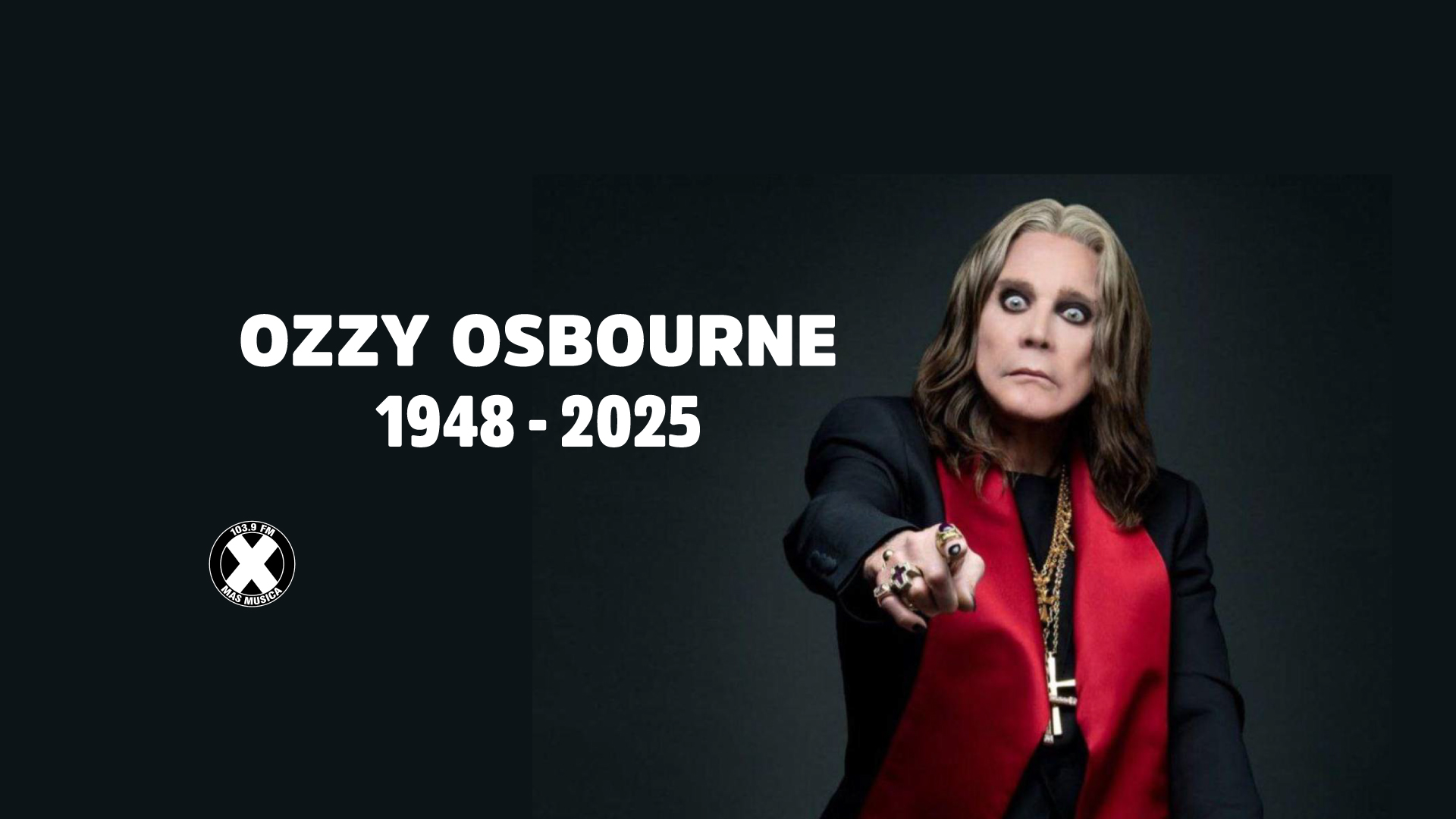
Ozzy Osbourne earned the title of the father of heavy metal primarily because his work with Black Sabbath in the late 1960s and early 1970s systematically established the sonic blueprint, lyrical themes, and cultural attitude that defined the genre. While other bands incorporated heavy blues elements, Osbourne’s distinct vocal delivery combined with Tony Iommi’s down-tuned guitar riffs to create an entirely new, darker musical paradigm.
The history of popular music is filled with self-proclaimed titles and marketing hyperbole, but few designations are as universally acknowledged by musicians, critics, and historians as Ozzy Osbourne's status as the godfather of heavy metal. To understand why this title belongs to him and the band he fronted, one must examine the transition from late-1960s psychedelic rock and blues to the crushing, industrial-influenced gloom of early Birmingham metal. This evolution was not accidental; it was forged through a combination of geographical, economic, and technical factors that converged in England's industrial heartland.
The Industrial Crucible of Birmingham: The Birthplace of Heavy Metal
Heavy metal could not have been born in the sunny, flower-power landscapes of San Francisco or the polished recording studios of New York. It required a grim, industrial backdrop. In the late 1960s, Birmingham, England, was the manufacturing capital of Britain. The soundscape of Osbourne’s youth was dominated by the deafening, rhythmic clatter of heavy machinery, the hiss of steam, and the constant rumble of factories where many of the band members briefly worked before finding success in music.
Tony Iommi, the foundational guitarist of Black Sabbath, famously lost the tips of his fingers in an industrial sheet-metal accident at a factory when he was seventeen. Told he might never play again, Iommi detuned his guitar strings to make them looser and easier to bend, and used makeshift plastic thimbles to press against the fretboard. This mechanical necessity produced a radically lower, heavier, and darker tone. When combined with Ozzy Osbourne’s eerie, wailing vocals—which had to cut through the thunderous wall of amplified sound—a brand-new genre was born.
The environment directly dictated the art. The hopelessness, pollution, and bleak working-class reality of post-war industrial England seeped directly into the music. Black Sabbath captured the anxiety of the Cold War era, economic instability, and urban decay, translating these heavy societal fears into musical frequencies that had never been captured on a commercial recording before.
Defining the Sonic Blueprint: How Black Sabbath Changed Guitar and Bass
Before Black Sabbath's self-titled debut album was released in February 1970, rock music was heavily rooted in upbeat blues progressions, optimistic lyricism, and major-key melodies. Bands like Cream, Led Zeppelin, and The Jimi Hendrix Experience were certainly heavy and loud, but they remained firmly anchored in traditional blues structures.
Black Sabbath shattered this mold by introducing several revolutionary musical techniques:
- The Devil's Interval: The band heavily utilized the tritone—an augmented fourth interval historically known as diabolus in musica (the devil in music)—which creates an unsettled, tense, and ominous atmosphere.
- Unison Riffing: Instead of the bass playing a supporting rhythmic role while the guitar soloed, Iommi's guitar and Geezer Butler's bass frequently played the exact same heavy, sluggish riffs in unison, magnifying the sheer physical weight of the sound.
- Acoustic Contrast and Doom Tempo: Tracks often moved between agonizingly slow, crawling tempos and sudden, frantic speed bursts, establishing the template for both doom metal and thrash metal decades before those genres formally existed.
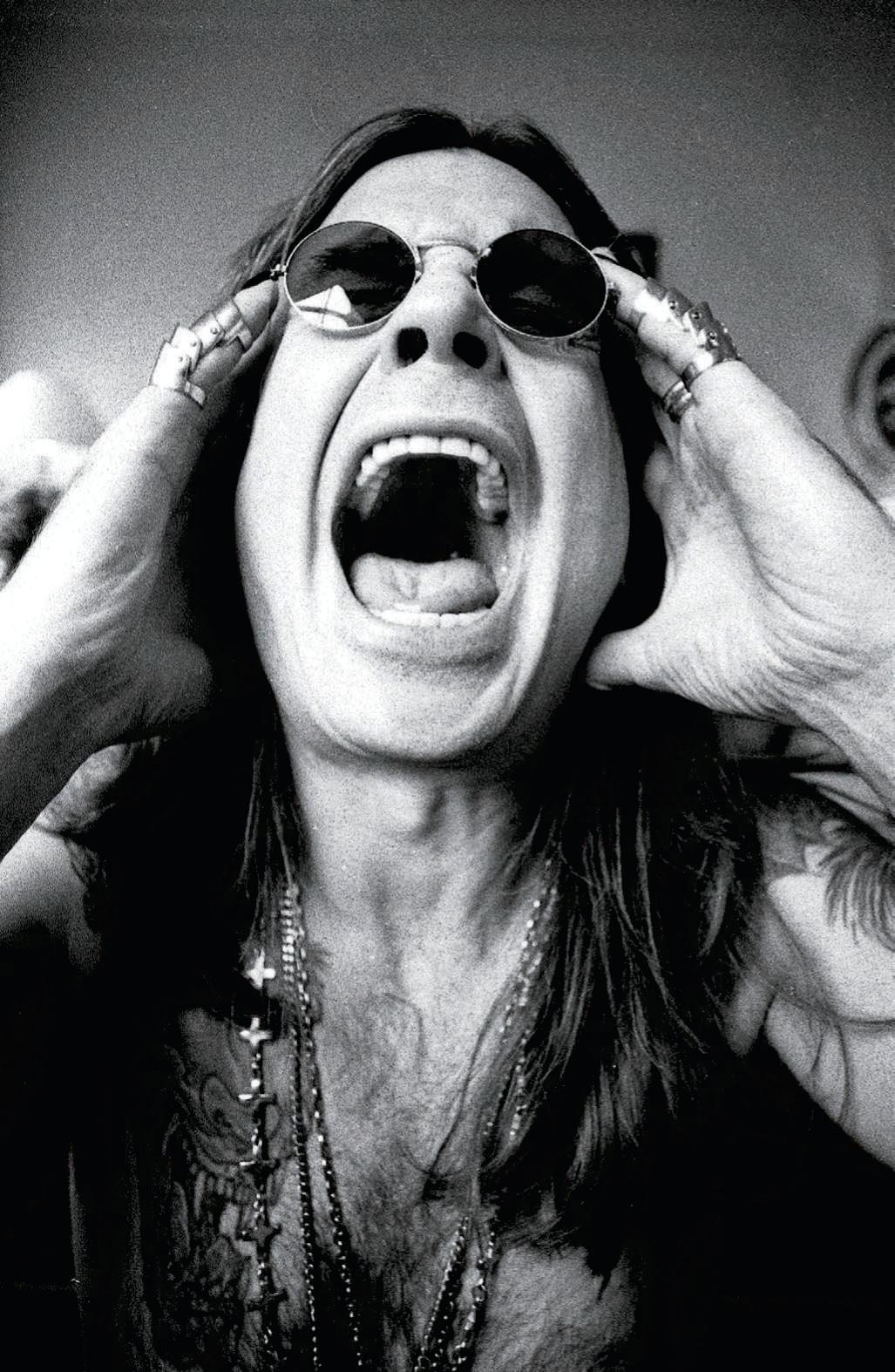
Ozzy Osbourne’s vocal style was the final piece of this sonic architecture. Unlike the soaring, blues-shouter style of Robert Plant or the theatrical vibrato of traditional singers, Osbourne sang with a haunting, plaintive urgency. His voice did not try to overpower the guitars; instead, it harmonized with Iommi’s riffs, often doubling the melody line to create an eerie, hypnotic effect that felt more like a siren warning of impending doom than standard rock-and-roll bravado.
Lyrical Shift: From Peace and Love to Occult and Inner Turmoil
The 1960s counterculture was defined by slogans of peace, love, and social revolution. Black Sabbath decisively slammed the door on that optimistic era. Bassist Geezer Butler, who wrote the vast majority of the band's lyrics, was heavily influenced by horror films, black magic, and Catholic guilt.
When the band realized audiences paid more money to be frightened at their shows than to hear standard blues numbers, they leaned heavily into dark, gothic imagery. Songs like "Black Sabbath," "N.I.B.," and "Hand of Doom" introduced lyrical themes that would become mandatory pillars of heavy metal:
- Supernatural encounters, witches, and the occult.
- The psychological ravages of war and drug addiction.
- Existential dread, mortality, and the fear of divine judgment.
Ozzy delivered these lines not as a detached observer, but as a terrified witness pleading for salvation. This vulnerability separated metal from hard rock. While hard rock often celebrated hedonism and power, early heavy metal—spearheaded by Ozzy’s performance style—acknowledged human weakness, madness, and the dark underbelly of the human psyche.
| Album | Release Year | Defining Track | Primary Lyrical Theme |
|---|---|---|---|
| Black Sabbath | 1970 | "Black Sabbath" | Supernatural dread, fear of the occult |
| Paranoid | 1970 | "War Pigs" | Anti-war sentiment, political corruption |
| Master of Reality | 1971 | "Children of the Grave" | Nuclear anxiety, generational conflict |
| Vol. 4 | 1972 | "Snowblind" | Substance abuse and chemical dependency |
The Solo Career: Reinventing and Sustaining the Genre
While Osbourne’s tenure with Black Sabbath from 1968 to 1979 cemented his foundational status, his subsequent solo career ensured that heavy metal evolved rather than stagnated. Fired from Black Sabbath in 1979 due to personal and substance struggles, Osbourne faced a career crossroads that could easily have reduced him to a nostalgic footnote.
Instead, partnering with the late guitar virtuoso Randy Rhoads, Osbourne launched a solo career that modernized heavy metal for the 1980s. Albums like Blizzard of Ozz (1980) and Diary of a Madman (1981) introduced neoclassical guitar shredding, sharper production values, and catchy, stadium-ready anthems like "Crazy Train" and "Mr. Crowley."
Through his solo work, Ozzy achieved several critical milestones:
- Talent Incubator: He proved his ear for generational guitar talent by subsequently hiring innovative players like Jake E. Lee and Zakk Wylde, keeping his music relevant across multiple decades.
- Cultural Iconography: He embraced the theatricality of horror and madness, transforming himself into the living embodiment of rock-and-roll survival through sheer charisma and self-deprecating humor.
- The Ozzfest Phenomenon: In 1996, he launched Ozzfest, a traveling music festival that gave a massive platform to emerging extreme metal, nu-metal, and metalcore bands, bridging the gap between old-school heavy metal and modern iterations of the genre.
Common Misconceptions About the Origins of Heavy Metal
Discussions regarding the origins of heavy metal frequently attribute the title to other influential groups of the era. Examining these claims clarifies why Osbourne and Black Sabbath hold the primary distinction.
Some critics argue that Led Zeppelin, Deep Purple, or Blue Öyster Cult deserve the title. While Led Zeppelin utilized heavy blues and acoustic folk structures, and Deep Purple incorporated classical organ virtuosity into hard rock, neither band completely abandoned the upbeat, danceable shuffle of the blues. Black Sabbath stripped away the traditional blues groove entirely, replacing it with a monolithic, plodding heaviness that was distinctly non-blues.
Furthermore, the term "heavy metal" itself—though initially used by music critics as a pejorative descriptor for industrial noise or harsh hard rock—became permanently attached to Sabbath’s specific aesthetic. Their deliberate alignment with dark imagery and crushing sonic density gave the embryonic genre its true identity.
Frequently Asked Questions
Did Ozzy Osbourne invent the term "heavy metal"?
No, Ozzy Osbourne did not coin the phrase. The term "heavy metal" originated in chemistry and literature (most notably in William Burroughs' 1962 novel Naked Lunch), and music critics began applying it to loud, distorted rock bands in the late 1960s. However, Black Sabbath was the first band whose entire musical output perfectly embodied the sonic and cultural attributes that made the term permanently stick to the genre.
Why is Tony Iommi’s guitar tuning considered so important to heavy metal?
Tony Iommi dropped his guitar strings by minor thirds or half-steps (down-tuning) to accommodate his injured fingers. This reduced string tension allowed for slower, heavier string bends and created a much deeper, darker frequency resonance. Countless subsequent metal bands across thrash, death, doom, and nu-metal genres adopted drop-tuning as a mandatory requirement to achieve maximum sonic weight.
How did Ozzy Osbourne's vocal style differ from other 1970s rock singers?
Unlike the high-register, blues-inflected vocal acrobatics of Robert Plant or Ian Gillan, Ozzy Osbourne sang with a haunting, melancholic tone that doubled the guitar riffs. His voice carried a sense of vulnerability, paranoia, and sorrow that matched the apocalyptic and dark psychological themes of Black Sabbath's music, setting a precedent for emotional heaviness in metal.
What was the impact of Randy Rhoads on Ozzy Osbourne's solo career?
When Ozzy launched his solo career after leaving Black Sabbath, guitarist Randy Rhoads brought a sophisticated, classical music sensibility to the compositions. Rhoads' neoclassical scales and precise technical proficiency combined with Osbourne’s dark melodic instincts, creating a polished, high-energy heavy metal sound that dominated the 1980s and revitalized Osbourne's cultural relevance.
Is Black Sabbath considered the first heavy metal band?
Yes, music historians and encyclopedia entries almost universally cite Black Sabbath as the first true heavy metal band. While contemporary groups shared volume and distortion, Sabbath was the first to intentionally purge standard blues-rock optimism from their sound, creating a unified artistic movement defined exclusively by dark themes, heavy down-tuned riffs, and dread-soaked atmosphere.
Practical Recommendations for Exploring Early Metal History
For listeners looking to trace the exact lineage of heavy metal through Ozzy Osbourne’s career, a structured chronological listening path provides the clearest understanding of the genre's evolution:
- The Genesis (1970): Listen to Black Sabbath (especially the opening track "Black Sabbath") to hear the exact moment the tritone and industrial doom tempo merged into heavy metal.
- The Peak Blueprint (1970–1971): Study Paranoid and Master of Reality to observe how the band refined fast anthems and slow, sludge-inflected doom into a cohesive commercial and artistic statement.
- The Modern Pivot (1980): Transition to Blizzard of Ozz to witness how Osbourne adapted his classic vocal approach to the technically intricate, neoclassical guitar work of the 1980s metal explosion.
By examining these foundational recordings, it becomes entirely clear that Ozzy Osbourne’s vocal delivery, combined with the groundbreaking musicianship of his collaborators, permanently built the architectural framework upon which the entire global heavy metal community was constructed.
Image Gallery
Select an image to open it in a new tab.

Zara El-Hashem
Sociocultural Dynamics and Academics Writer
