
The Olympic flame is a symbol of continuity between ancient and modern Games, but its age depends on whether you measure the tradition of the fire or the relay itself. The ancient Olympic flame dates back to 776 BCE, while the modern tradition of the Olympic flame was reintroduced in 1928. However, the physical Olympic torch relay as we know it today is much younger, having originated in 1936.
As of 2026, the concept of the Olympic flame is approximately 2,802 years old, whereas the modern torch relay is celebrating its 90th anniversary. To understand how this symbol evolved from a religious ritual in ancient Greece to a high-tech global event, we must distinguish between the fire itself, the lighting ceremony, and the act of carrying the flame across borders.
The Ancient Origins: The Sacred Fire of 776 BCE
The "age" of the Olympic flame is rooted in the Panhellenic Games of ancient Greece. In the sanctuary of Olympia, fire was a sacred element believed to have been stolen from the gods by Prometheus. During the ancient Olympics, which historical records trace back to 776 BCE, a perpetual flame was kept burning on the altar of the sanctuary of Hestia.
Unlike the modern relay, the ancient Greeks did not carry the fire from city to city to announce the Games. Instead, the fire remained stationary at the Altis (the sacred grove at Olympia). It served as a religious tribute to Zeus and Hera. While "torch races" (lampadedromia) did exist in other Greek festivals, such as those in Athens honoring Prometheus or Athena, they were not part of the original Olympic program. Therefore, while the fire is nearly three millennia old, the torch relay is a modern invention.
The Modern Revival: Amsterdam 1928 and Los Angeles 1932
After the ancient Games were abolished in 393 CE, the tradition of the Olympic flame vanished for over 1,500 years. When Pierre de Coubertin founded the modern Olympic movement in 1894, the first few iterations of the Games (1896–1924) occurred without a ceremonial flame.
The return of the flame happened in 1928 at the Amsterdam Summer Olympics. Jan Wils, the architect of the Olympic Stadium, included a "Marathon Tower" in his design. A flame was lit at the top of this tower to signal the start of the Games, acting as a beacon that could be seen for miles.
In 1932 at the Los Angeles Games, the flame appeared again, this time atop the gateway of the Los Angeles Memorial Coliseum. However, in both 1928 and 1932, the fire was lit locally at the stadium. There was no journey from Greece and no international relay. The flame was merely a symbolic decoration rather than a "traveling" entity.

The Invention of the Torch Relay: Berlin 1936
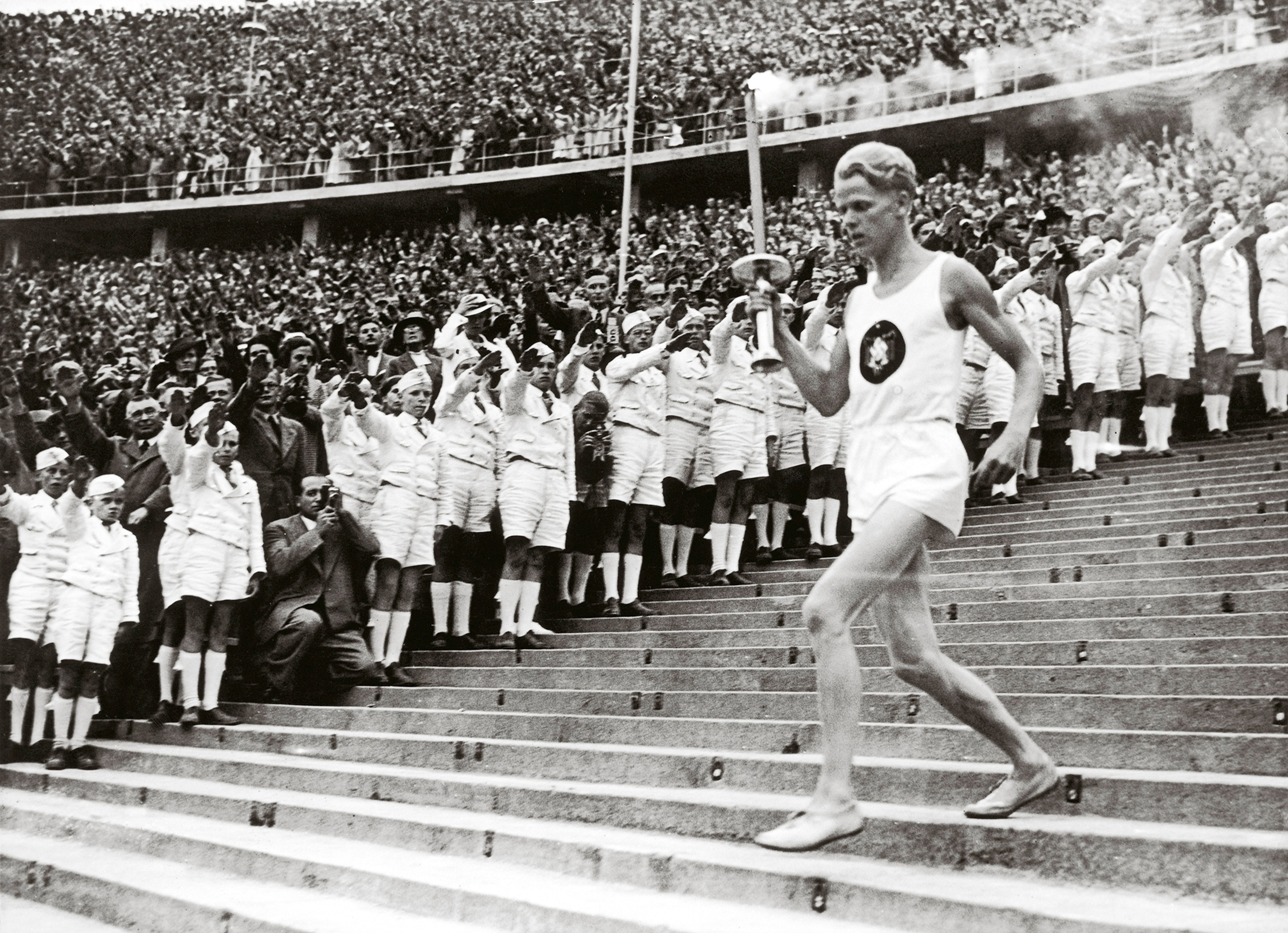
The most significant turning point in the history of the Olympic torch occurred in 1936. Dr. Carl Diem, the Secretary General of the Organizing Committee for the Berlin Games, proposed the idea of a relay to connect the modern event with its ancient roots.
The 1936 relay established the protocols that remain in place in 2026:
- The Lighting Ceremony: The flame was lit in Olympia, Greece, using a parabolic mirror to focus the sun's rays.
- The Journey: Over 3,000 runners carried the flame through seven countries (Greece, Bulgaria, Yugoslavia, Hungary, Austria, Czechoslovakia, and Germany).
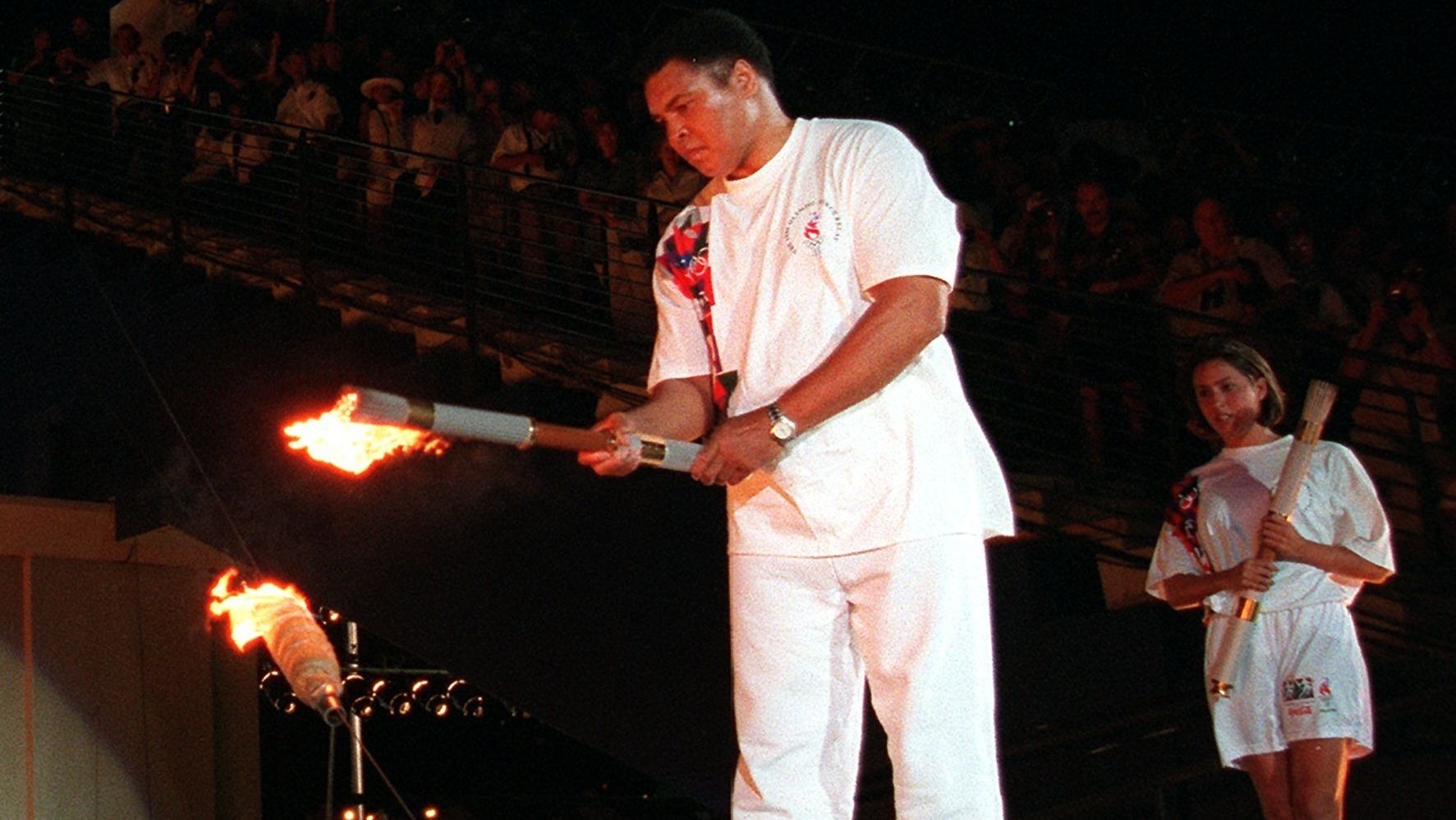
- The Final Arrival: The final runner entered the stadium to light the cauldron during the Opening Ceremony.
The first torches were manufactured by the Krupp company, made of steel and fueled by a magnesium-based compound to ensure the flame stayed lit in various weather conditions. While the 1936 Games remain controversial due to their association with the Nazi regime, the torch relay proved so popular and symbolically powerful that it became a permanent fixture of every subsequent Olympic Games.
The Evolution of Torch Technology and Design
As the relay aged, the technical depth of the torch itself evolved. Each host city now designs a unique torch that reflects its culture and technological prowess. This evolution has focused on three primary areas: fuel stability, environmental impact, and aesthetic symbolism.
Fuel and Combustion Systems
Early torches used solid fuels or resins, which often produced heavy smoke and were prone to extinguishing in high winds. By the mid-20th century, engineers transitioned to liquid fuels like butane, propane, or a mix of the two. These fuels allowed for a cleaner, brighter flame that could withstand rain and wind speeds of up to 50–60 kilometers per hour.
In recent years, leading up to the 2024 Paris Games and the 2026 Winter Games, there has been a shift toward hydrogen fuel and low-carbon combustion to align with global sustainability goals.
Design and Materials
The materials used in construction have shifted from heavy steel and brass to lightweight aluminum, carbon fiber, and recycled materials. For example, the 2020 Tokyo Olympic torches used aluminum recycled from temporary housing built after the 2011 earthquake. The design process often takes years, involving aerodynamic testing in wind tunnels to ensure the flame remains visible even in extreme weather.
Key Milestones in Olympic Torch History
The following table outlines the pivotal moments that shaped the age and tradition of the Olympic torch:
| Year | Event Location | Historical Significance | Innovation/Milestone |
|---|---|---|---|
| 776 BCE | Olympia, Greece | Ancient Origins | First recorded perpetual flame at the sanctuary of Hestia. |
| 1928 | Amsterdam, Netherlands | Modern Reintroduction | The flame returns to the modern Games for the first time. |
| 1936 | Berlin, Germany | First Torch Relay | Introduction of the relay from Greece to the host city. |
| 1948 | London, United Kingdom | The "Relay of Peace" | First relay after WWII, emphasizing international harmony. |
| 1952 | Oslo, Norway | First Winter Relay | The first torch relay for the Winter Olympic Games. |
| 1964 | Tokyo, Japan | Symbolic Final Runner | Yoshinori Sakai, born on the day of the Hiroshima bombing, lit the cauldron. |
| 1976 | Montreal, Canada | Space-Age Lighting | The flame was transmitted from Athens via satellite as an electronic pulse. |
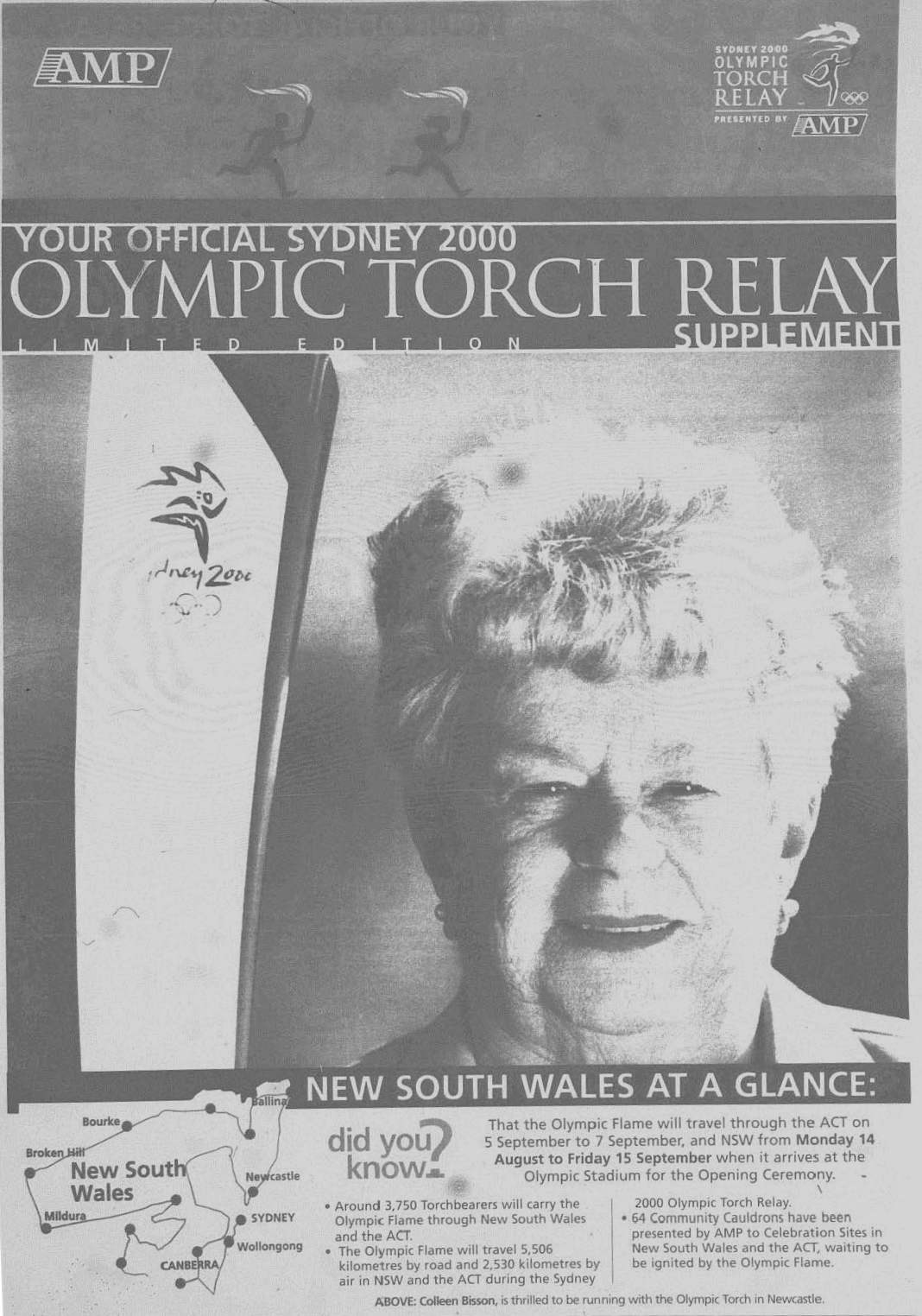
| 2000 | Sydney, Australia | Underwater Relay | A special chemical flare allowed the torch to be carried underwater at the Great Barrier Reef. |
| 2024 | Paris, France | Sustainability Focus | Introduction of high-efficiency, low-carbon steel and reusable components. |
| 2026 | Milano Cortina, Italy | Modern Winter Integration | Focus on "Dolomite" aesthetics and alpine resilience. |
The Ritual of the Lighting Ceremony
The "age" of the torch tradition is kept alive by the strict ritual performed by the Hellenic Olympic Committee. To this day, the ceremony takes place months before the Opening Ceremony at the ruins of the Temple of Hera in Olympia.
A group of women, acting as "High Priestesses," perform a choreographed dance and invocation to Apollo, the sun god. The flame is lit using a skaphia, a parabolic mirror that focuses solar radiation onto a fuel-soaked torch. This method ensures that the fire is "pure," having come directly from the sun rather than a man-made ignition source like a lighter or match.
Once lit, the flame is placed in a ceramic pot and carried to the ancient stadium, where it is used to light the first runner's torch. This specific ceremony is 90 years old as of 2026, yet it draws on aesthetic and religious motifs that are nearly 3,000 years old.
How the Flame Travels: Logistics and Safety
One of the most common questions regarding the age and continuity of the flame is how it stays lit during long-distance travel, especially across oceans.
When the flame must travel by plane, it is not carried as an open torch. Instead, it is transferred to safety lamps (similar to miner's lamps). These lamps are designed to keep the "mother flame" burning securely for up to 15 hours without refueling. Multiple backup lamps are always kept in reserve. If the torch carried by a runner accidentally goes out, it is never relit with a common lighter; it must be relit using one of the official safety lamps containing the original flame from Olympia.
The logistics of the relay have expanded significantly. In 2004, the "Global Relay" saw the flame travel to every continent for the first time. However, due to the complexity and environmental cost, most modern relays (including those for Paris 2024 and Milano Cortina 2026) have returned to a primarily domestic route within Greece and the host country.
Common Misconceptions About the Olympic Torch
1. Has the flame ever gone out?
Yes. Despite rigorous engineering, the flame has been extinguished by heavy rain, high winds, and even human interference several times in history. Notable instances occurred in Montreal (1976) due to a storm and in various cities during the 2008 and 2012 relays. However, because the official "mother flame" is kept in safety lamps, the "age" and continuity of the fire are preserved by relighting the torch from the original source.
2. Is the torch the same every year?
No. While the flame is intended to be a single continuous entity for the duration of a specific Games' relay, the torch (the physical handle and burner) is redesigned for every Olympics. Most runners are given the opportunity to purchase the torch they carried as a historic memento.
3. Did the ancient Greeks have a relay?
As mentioned, no. The ancient Greeks had torch races in other festivals, but the Olympic flame was a stationary sacred fire. The relay is a strictly modern tradition that began in 1936.
The Cultural Significance in 2026
As we observe the Games in 2026, the Olympic torch represents more than just a historical curiosity. It serves as a symbol of "the light of spirit, knowledge, and life." In an era of rapid technological change, the act of passing a flame from hand to hand remains a powerful human gesture of cooperation and peace.
The age of the Olympic torch—whether you view it as 90 years old or 2,800 years old—reflects the enduring human desire to connect the present with the past. It bridges the gap between the ancient athletes of the Peloponnese and the modern professionals competing in the snowy peaks of Italy or the stadiums of upcoming host cities.
Frequently Asked Questions
How is the Olympic flame lit if it is a cloudy day?
If the sun is not visible during the official lighting ceremony in Olympia, the High Priestess uses a "backup flame" that was lit during a successful rehearsal on a sunny day prior to the event. This ensures the relay can begin on schedule while maintaining the tradition of using fire sourced from the sun at Olympia.
Who is allowed to carry the Olympic torch?
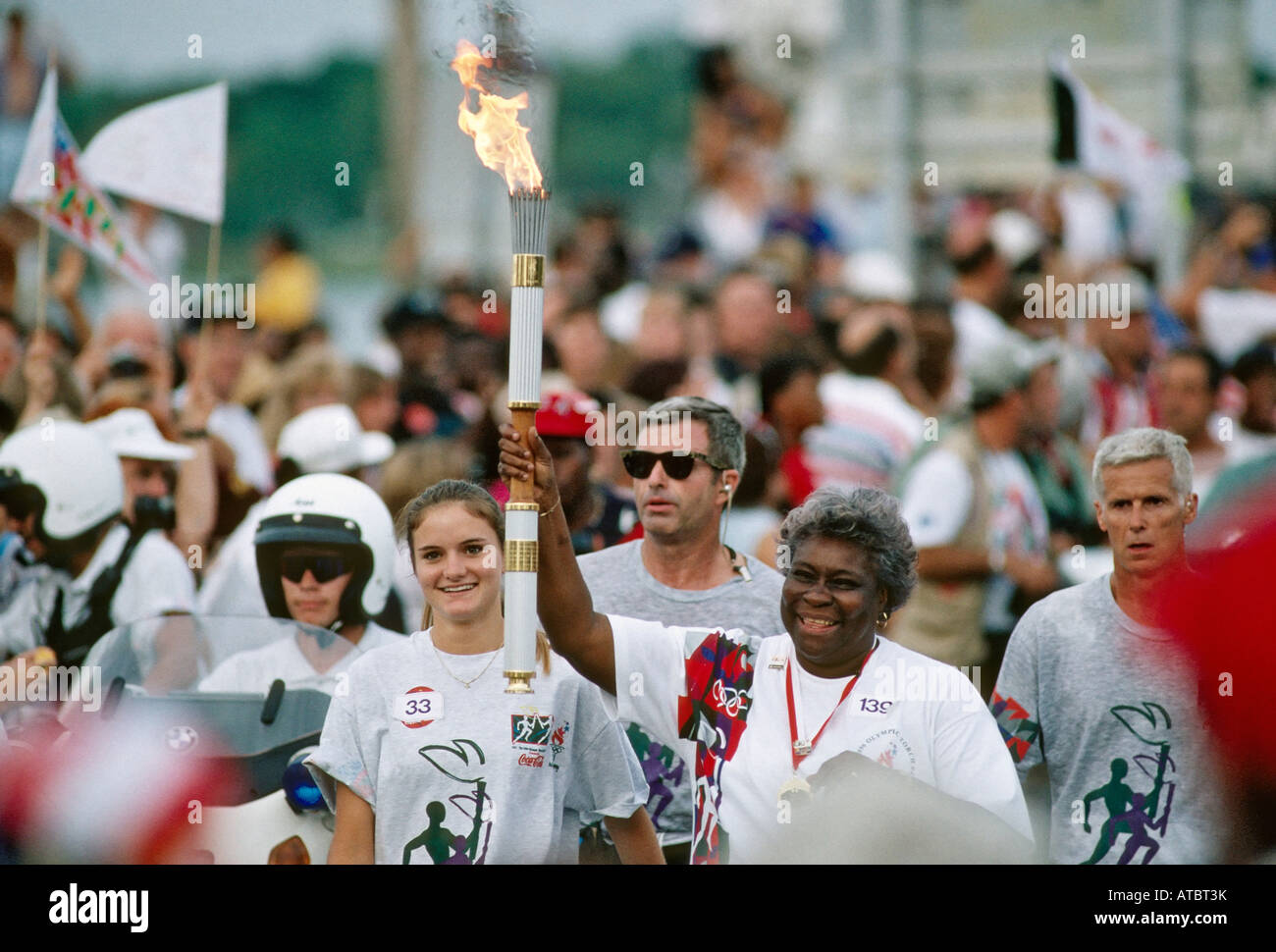
The selection process varies by host country but generally includes a mix of famous athletes, local heroes, and everyday citizens who have made significant contributions to their communities. For the 2026 Winter Games, thousands of individuals participate in the journey through the Italian regions of Lombardy and Veneto.
Does the Olympic flame stay lit after the Games end?
No. The flame is ceremoniously extinguished during the Closing Ceremony of the Olympic Games. This signifies the end of the event and the beginning of a new four-year cycle (the Olympiad). A new flame must be lit in Olympia for the next set of Games.
What happens if the torch is stolen or protested?
The Olympic relay is accompanied by a heavy security detail known as the "torch kiss" team or the flame attendants. If a torch is snatched or a protest disrupts the route, the attendants focus on securing the flame. The relay is usually paused and resumed once the path is clear, using the backup safety lamps to ensure the fire's integrity.
Why is the flame lit in Olympia even for the Winter Games?
The tradition dictates that all Olympic Games—Summer and Winter—must be spiritually linked to the original site of the ancient Olympics. Therefore, the flame is always lit at the Temple of Hera in Olympia, regardless of the climate or location of the host city.
Practical Recommendation for Enthusiasts
If you are interested in seeing the physical evolution of the torch, the best resource is the Olympic Museum in Lausanne, Switzerland. It houses the world's most complete collection of original torches, dating from 1936 to the present. For those tracking the current 2026 relay, following the official "Milano Cortina 2026" digital platforms provides real-time GPS tracking of the flame’s progress, highlighting the intersection of ancient tradition and 21st-century technology.
Image Gallery
Select an image to open it in a new tab.



Omar Farooq
EdTech Innovation and Virtual Pedagogy Journalist
