
The current Hyundai Kona Electric offers two primary range configurations: the Standard Range model with a 48.6 kWh battery providing an EPA-estimated 200 miles, and the Long Range model with a 64.8 kWh battery reaching up to 261 miles. Real-world performance typically varies between 180 and 250 miles depending on wheel size, driving speed, and ambient temperature.
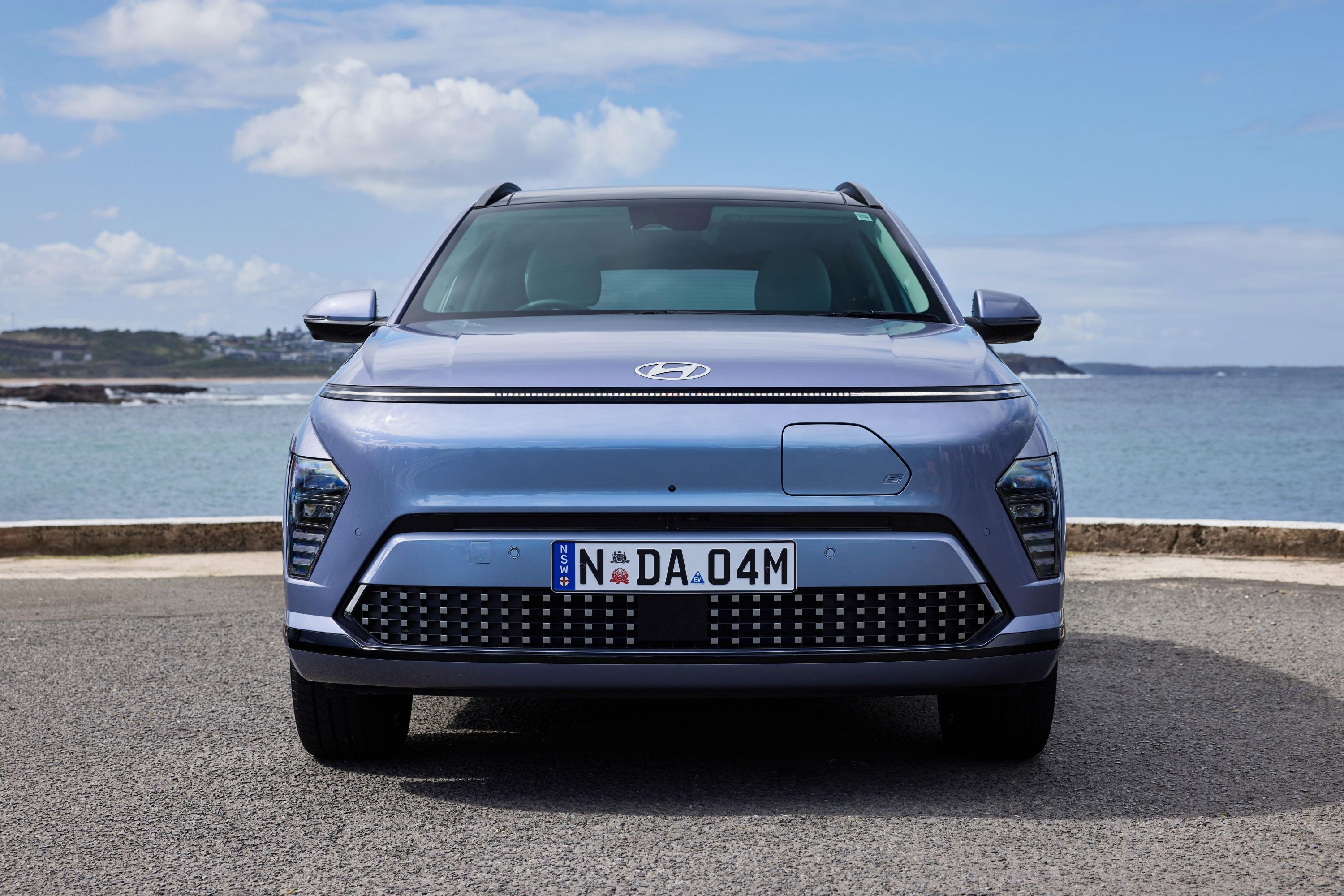
The Hyundai Kona Electric has undergone a significant transformation since its initial debut, moving from a niche electric subcompact to a mainstream contender in the EV market. As we look at the 2026 landscape, understanding the nuances of the Kona’s range is essential for prospective buyers and current owners alike. The "clarification" of its range involves looking past the headline numbers to understand how battery chemistry, vehicle architecture, and external environmental factors dictate how far you can actually drive on a single charge.
Understanding the Two-Tier Battery Strategy
Unlike the first generation of the Kona EV, which primarily focused on a single large battery pack for the North American market, the second-generation platform (introduced for the 2024 model year and refined through 2026) utilizes a two-tier battery strategy. This approach allows Hyundai to hit lower price points while offering a premium long-distance option.
The Standard Range (48.6 kWh)
The entry-level Kona Electric is equipped with a 48.6 kWh lithium-ion battery. This variant is designed primarily for urban and suburban commuters. With an EPA-estimated range of 200 miles, it serves as a practical solution for those who have access to home charging and rarely engage in long-distance interstate travel. The trade-off for the smaller battery is a lighter curb weight, which slightly improves nimbleness in city traffic, though it comes with a less powerful motor (133 hp).
The Long Range (64.8 kWh)
The Long Range variant remains the flagship for the Kona Electric line. Utilizing a 64.8 kWh pack, it achieves a 261-mile EPA rating. This battery is paired with a more robust 201 hp motor. While the capacity increase over the previous generation’s 64 kWh pack is marginal, the vehicle's larger dimensions and improved aerodynamics have necessitated a more sophisticated energy management system to maintain its competitive range.
EPA vs. WLTP vs. Real-World Expectations
One of the primary sources of confusion regarding the Kona EV range stems from the different testing cycles used globally.
- EPA (Environmental Protection Agency): Used in the United States, this is generally the most conservative and realistic cycle. The 261-mile rating for the Long Range Kona is based on this standard.
- WLTP (Worldwide Harmonised Light Vehicles Test Procedure): Used in Europe and other regions, this cycle often yields significantly higher numbers (sometimes exceeding 300 miles for the same 64.8 kWh battery). These figures are rarely achievable in mixed American driving conditions, particularly at sustained highway speeds.
- Real-World Highway Range: At a constant 70 mph, EV efficiency drops due to aerodynamic drag. In independent testing of the 2024–2026 models, the Long Range Kona typically delivers between 220 and 240 miles of actual highway range in temperate conditions.

The Impact of Wheel Size and Trim Levels
Aerodynamics and rolling resistance play a massive role in electric vehicle efficiency. The Hyundai Kona Electric is typically offered with two wheel sizes: 17-inch and 19-inch.
The 17-inch wheels are standard on the SE and SEL trims. These wheels feature more aerodynamic inserts and tires with lower rolling resistance, which are necessary to achieve the maximum 261-mile rating.
The 19-inch wheels, often found on the Limited or "N-Line" styled trims, significantly impact the vehicle's efficiency. The larger contact patch and increased rotational mass can reduce the total range by as much as 5% to 8%. For a driver frequently on the highway, opting for the 17-inch wheels is the most effective way to ensure the vehicle meets its clarified range targets.
Temperature and the Role of the Heat Pump
The "clarified" range of any EV must account for seasonal fluctuations. Lithium-ion batteries are sensitive to temperature, and cabin heating is a significant energy drain.
In the 2026 Hyundai Kona Electric, the inclusion of a high-efficiency heat pump (standard on higher trims and in certain cold-weather markets) is a critical factor. Conventional resistive heaters act like a toaster, consuming vast amounts of battery energy to generate heat. A heat pump, conversely, moves heat from the outside air (or the powertrain) into the cabin, using much less electricity.
In sub-freezing temperatures, a Kona EV without a heat pump may see a range reduction of 30% or more. With a heat pump and proper battery preconditioning—which warms the battery while the car is still plugged into a charger—that loss can be mitigated to approximately 15% to 20%.
Comparative Specifications: Kona EV Generations
To understand where the Kona stands in 2026, it is helpful to compare the current technical specifications against the original model that established the nameplate.
| Feature | 1st Gen (2019-2023) | 2nd Gen (2024-2026) - Standard | 2nd Gen (2024-2026) - Long Range |
|---|---|---|---|
| Battery Capacity | 64.0 kWh | 48.6 kWh | 64.8 kWh |
| EPA Range | 258 Miles | 200 Miles | 261 Miles |
| Horsepower | 201 hp | 133 hp | 201 hp |
| DC Fast Charge (10-80%) | ~54-64 Minutes | ~43 Minutes | ~43 Minutes |
| Wheelbase | 102.4 inches | 104.7 inches | 104.7 inches |
| Drag Coefficient | 0.29 Cd | 0.27 Cd | 0.27 Cd |
Efficiency Metrics: MPGe and kWh/100 Miles
While "range" is the most common metric, "efficiency" tells the story of how well the Kona uses its stored energy. The Kona Electric remains one of the most efficient crossovers on the market, often achieving over 110 MPGe (Miles Per Gallon equivalent).
In technical terms, the Kona averages approximately 27 to 30 kWh per 100 miles. For owners, tracking the "miles per kWh" on the dashboard is the best way to predict range.
- 4.0 miles/kWh: Excellent efficiency (typical for city driving).
- 3.4 miles/kWh: Average efficiency (mixed driving).
- 2.8 miles/kWh: Low efficiency (high-speed highway or cold weather).
By multiplying your current miles/kWh by the battery size (e.g., 3.5 x 64.8), you can calculate your expected range in real-time.
Charging Dynamics and Range Anxiety
Range clarification is incomplete without discussing how quickly that range can be replenished. The 2026 Kona Electric utilizes a 400-volt architecture. While it does not charge as fast as the 800-volt system found in the Hyundai IONIQ 5 or IONIQ 6, it has a consistent charging curve.
On a 100 kW or faster DC fast charger, the Kona can go from 10% to 80% state of charge in approximately 43 minutes. It is important to note that the "last 20%" (from 80% to 100%) takes significantly longer to protect battery health. For road-tripping, the most efficient strategy is to drive the car down to 10%, charge to 80%, and continue, rather than trying to fill it to 100% at every stop.
Common Factors That Diminish Range
To maintain the clarified range figures, drivers should be aware of several "range killers" specific to the Kona's design:
- Speed: Above 65 mph, aerodynamic drag increases exponentially. Driving at 75 mph instead of 65 mph can reduce range by 15%.
- Payload: Carrying four adult passengers and luggage increases the rolling resistance.
- Tire Pressure: Under-inflated tires are a leading cause of phantom range loss. The Kona’s sensors are sensitive, but manual checks are recommended.
- Regenerative Braking Levels: Using "i-Pedal" or Level 3 regeneration helps recoup energy during city stops, extending the range significantly compared to using the friction brakes.
Maintenance and Long-Term Range Retention
Battery degradation is a concern for any long-term EV owner. Hyundai's battery management system (BMS) uses liquid cooling to keep the cells within an optimal temperature window, which is superior to the air-cooled systems found in older EVs like the Nissan Leaf.
To preserve the 261-mile range over many years, Hyundai recommends:
- Avoid 100% Charges Daily: Unless you need the full range for a long trip, charging to 80% for daily use helps prolong the life of the NCM (Nickel Cobalt Manganese) chemistry.
- Minimize DC Fast Charging: Frequent use of ultra-fast chargers generates heat that can slowly degrade the battery. Level 2 (home) charging is the healthiest option for the battery.
- Software Updates: The 2026 Kona supports Over-the-Air (OTA) updates. Hyundai frequently releases firmware that optimizes the BMS and can even slightly improve range or charging speeds post-purchase.
FAQs About Hyundai Kona EV Range
Does the Kona Electric range decrease in the winter?
Yes, all electric vehicles experience range loss in cold weather. In the Kona, this is caused by decreased battery chemistry efficiency and the high energy demand of the cabin heater. Expect a 15-25% reduction in freezing temperatures, though models equipped with a heat pump fare much better.
Can I tow with the Kona EV without losing significant range?
The Kona Electric is rated for light towing (usually around 1,000 to 2,000 lbs depending on the specific region and equipment). However, towing even a small trailer will likely cut your range by 30-50% due to the massive increase in aerodynamic drag and weight.
Is the 200-mile Standard Range battery enough for daily use?
For the average driver who travels 30-40 miles per day, the 200-mile battery is more than sufficient. It requires less time to charge fully on a home Level 2 charger and provides a lower entry price while still offering the same interior technology as the Long Range model.
How does the Kona EV range compare to the Kia Niro EV?
The Kia Niro EV and Hyundai Kona Electric share a platform and the 64.8 kWh battery. Their range figures are nearly identical (typically within 1-5 miles of each other), though slight differences in wheel design and body aerodynamics can lead to minor variations in real-world testing.
Does using Sport Mode reduce the range?
Sport Mode changes the throttle mapping to provide more immediate torque. While the mode itself doesn't "consume" more power, the more aggressive driving style it encourages will lead to lower efficiency and reduced total range.
Final Recommendation for Buyers
When clarifying the range of the Hyundai Kona EV, the most important factor is your specific use case. If you primarily drive in a city environment with occasional weekend trips, the Long Range (64.8 kWh) model with 17-inch wheels is the gold standard, providing a reliable 240+ miles of real-world usability. If you are looking for a secondary vehicle for local errands and have a dedicated home charger, the Standard Range model offers significant cost savings without sacrificing the core EV experience. Always prioritize the inclusion of a heat pump if you live in a climate where temperatures regularly drop below 40°F (4°C) to ensure your range remains predictable year-round.
Image Gallery
Select an image to open it in a new tab.



Akira Tanaka
International Academic Trends Correspondent
