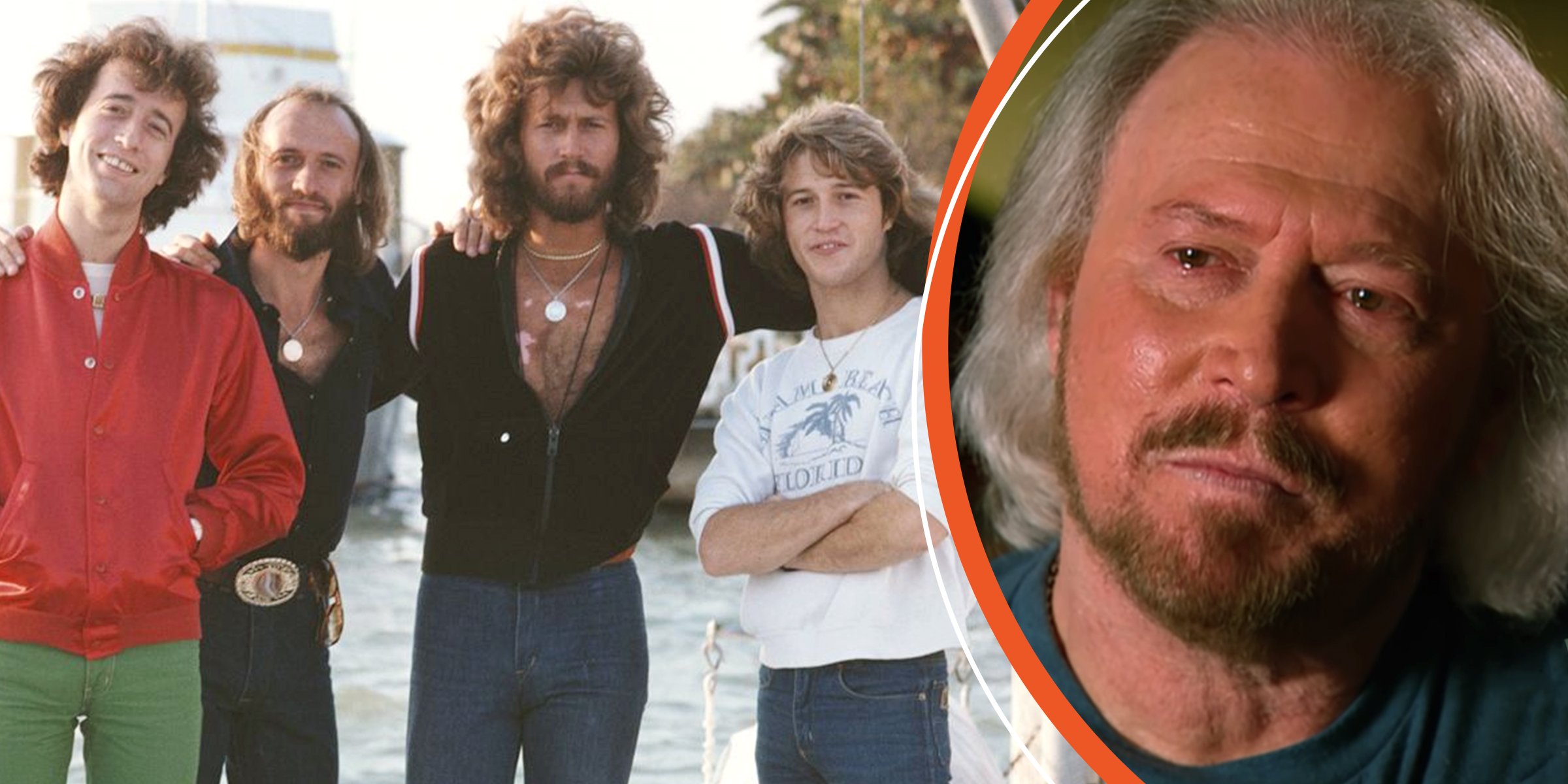
The evolving image of Barry Gibb reflects a half-century journey from the clean-cut, harmony-driven pop idol of the 1960s to the falsetto-heavy icon of the disco era, and finally, to the revered, elder statesman of contemporary classic rock. His visual and sonic identity has transitioned through multiple eras of global music history, adapting to shifting aesthetic trends while maintaining his foundational role as the principal architect of the Bee Gees' enduring sound.
The Early Years: Beatlemania and the Mod Aesthetic
In the mid-1960s, the image of the Bee Gees was firmly rooted in the "Invasion" aesthetic that dominated British and Australian pop charts. Barry Gibb, alongside his brothers Robin and Maurice, adopted the standard uniform of the era: sharp-fitting suits, skinny ties, and a distinctly groomed, boyish appearance.
This period was characterized by a focus on group uniformity. The Gibb brothers were marketed as a cohesive unit, mirroring the "band of brothers" trope that allowed fans to see them as accessible, relatable figures within the burgeoning pop-rock landscape. Their hair was kept neat, and their public persona was centered on the romantic, melodic songwriting that defined their debut hits such as "New York Mining Disaster 1941." For the target audience of the time, the image was one of controlled, clean-cut musicianship—a stark contrast to the emerging counterculture movements that would soon define the decade.
The Transition to the 1970s: The Rock Persona
As the 1970s dawned, the image of Barry Gibb underwent a significant transformation that mirrored the broader shift in popular music. The stiff suits of the 1960s were abandoned in favor of the more fluid, long-haired aesthetic favored by the soft-rock and singer-songwriter movements of the early decade.
During this period, Barry moved toward a more rugged, earth-toned look. He often appeared with longer, more natural hair, loose-fitting shirts, and an overall aesthetic that emphasized a "musician’s musician" status. This was an essential period for the Bee Gees, as they navigated a commercial dip before their massive mid-decade pivot. This visual transition reflected an attempt to move away from the "teen idol" label, signaling to the industry that their talent was rooted in organic composition rather than manufactured pop perfection.
The Disco Era: The Iconic Falsetto and Studio 54 Glamour
The mid-to-late 1970s marked the most radical shift in Barry Gibb’s public image. With the release of the Saturday Night Fever soundtrack in 1977, the Bee Gees became the face of a global phenomenon. Visually, Barry adopted the stylistic markers of the disco era: open-collared silk shirts, tight trousers, gold chains, and a perfectly groomed, flowing hairstyle that became his signature.
This image was carefully curated to match the sound. The introduction of his distinctive, soaring falsetto necessitated a visual identity that felt light, agile, and high-energy. This era defined him in the public consciousness for decades. The aesthetic was one of glamour and late-night decadence, perfectly suited to the discotheques of New York and London. However, this image eventually became a double-edged sword; as the "Disco Sucks" backlash gained momentum in the late 1970s, the very visual signifiers that brought him to the pinnacle of his fame also made him a target of harsh cultural criticism.
The 1980s and 1990s: Producing the Legends
As the spotlight of the disco era faded, Barry Gibb’s focus shifted significantly toward production and songwriting for other artists. Throughout the 1980s and 1990s, his visual image underwent a subtle "professionalization." He appeared less like an object of teen adoration and more like a high-level music executive and master craftsman.
During this time, he often appeared in more subdued, professional attire, reflecting his work behind the glass for artists like Barbra Streisand, Kenny Rogers, and Dolly Parton. This era solidified his reputation as a songwriter of immense depth. His image was no longer about matching the trend of the week; it was about authority and technical skill. By the time the Bee Gees experienced their late-career resurgence in the late 1990s with the One Night Only tour, his image had settled into that of a seasoned, respected veteran—a man who had seen every corner of the industry and returned with his dignity intact.
Comparative Evolution of Performance Identity
The following table tracks how Barry Gibb’s performance identity evolved to meet the demands of different musical climates.
| Era | Primary Aesthetic | Musical Focus | Visual Goal |
|---|---|---|---|
| 1960s | Mod/Pop Suit | Harmony-based pop | Conformity/Youth Appeal |
| Early 1970s | Long hair/Rugged | Singer-songwriter | Authenticity |
| Late 1970s | Silk shirts/Gold chains | Disco/Dance | Glamour/Modernity |
| 1980s-1990s | Blazers/Professional | Production/Songwriting | Authority/Craftsmanship |
| 2000s-Present | Classic Rock/Elder | Legacy/Heritage | Respect/Timelessness |
The Modern Era: The Elder Statesman
In the current landscape of 2026, Barry Gibb is widely viewed through the lens of a musical icon—the last surviving brother of the original Bee Gees trio. His modern image is one of preservation and reverence. He has embraced his history, often performing in attire that pays homage to his past while maintaining a look of sophisticated comfort suitable for his status as a legendary songwriter.
The focus in recent years has shifted toward the legacy of the Bee Gees. The release of documentaries and biographical projects has repositioned Barry as a survivor and a keeper of the flame. He no longer carries the burden of needing to fit into the contemporary charts; instead, he serves as a reference point for newer generations. His beard, his recognizable voice, and his calm, dignified stage presence have become the anchors of his current identity.
Frequently Asked Questions
How did the "Disco Sucks" movement affect Barry Gibb’s public image? The anti-disco movement at the end of the 1970s created a massive cultural backlash against the Bee Gees, primarily due to their intense overexposure. Barry’s image, once the height of fashion, was suddenly mocked. He had to transition from being a pop-culture target to a respected industry veteran, a process that took over a decade and required him to step back from the limelight to focus on songwriting.
Did Barry Gibb intentionally change his image to fit the 1970s disco trend? The change was largely an evolution of his musical output. As the band moved into the studio with producers like Arif Mardin and later the team for Saturday Night Fever, the music demanded a shift in performance style. The "disco" look was a natural extension of the high-energy, dance-oriented music they were creating, rather than a purely forced marketing ploy.
How does his current image impact his legacy in 2026? Today, Barry Gibb is seen as an architectural figure in music history. His image is that of a "National Treasure" of sorts, where his physical appearance is tied to the emotional resonance of the music he created. Fans no longer look at him through the lens of the latest trends, but rather through the lens of historical appreciation for his massive contributions to songwriting.
What was the most significant factor in the evolution of his visual style? The most significant factor was the transition from being a "member of a group" in the 1960s to becoming a "global solo-style icon" in the 1970s. Once he broke through as a primary lead voice, his individual image became more important than the collective, requiring him to manage his personal style to reflect his individual fame.
Moving Forward: Respecting the Craft
Understanding the evolving image of Barry Gibb requires acknowledging that his look was rarely the driver of his career; rather, it was a reflection of his musical output. From the clean-cut youth of Brisbane to the global superstar in silk shirts, his physical evolution tracked the very path of popular music in the 20th century. For fans and music historians in 2026, the value lies in his consistency as a writer and his resilience as a performer. When looking back, one should focus on the music that necessitated the visual changes, rather than the aesthetic shifts themselves, to truly grasp the weight of his enduring influence.
Image Gallery
Select an image to open it in a new tab.
Declan O'Connor
Higher Education and Campus Culture Reporter
