
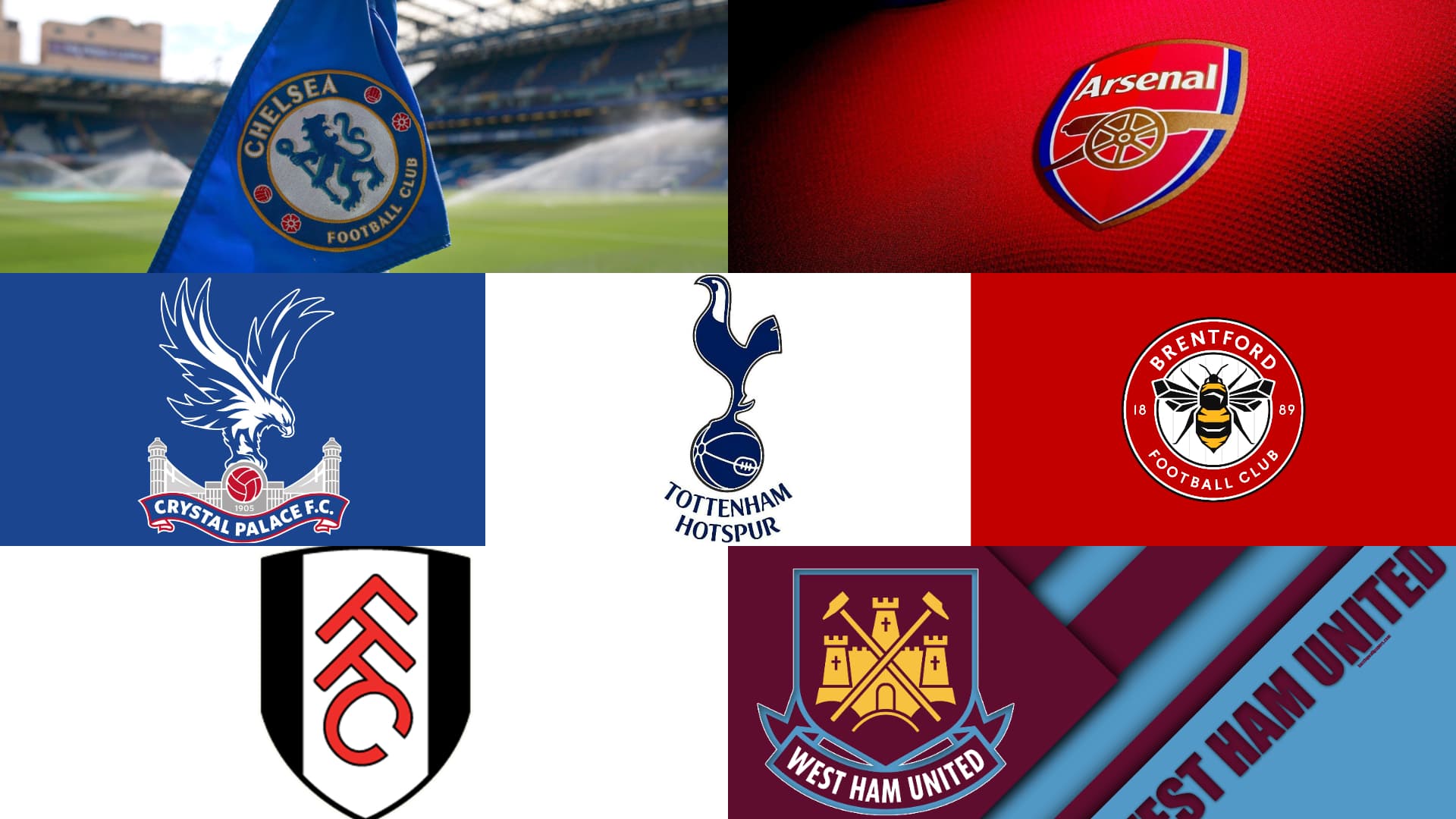
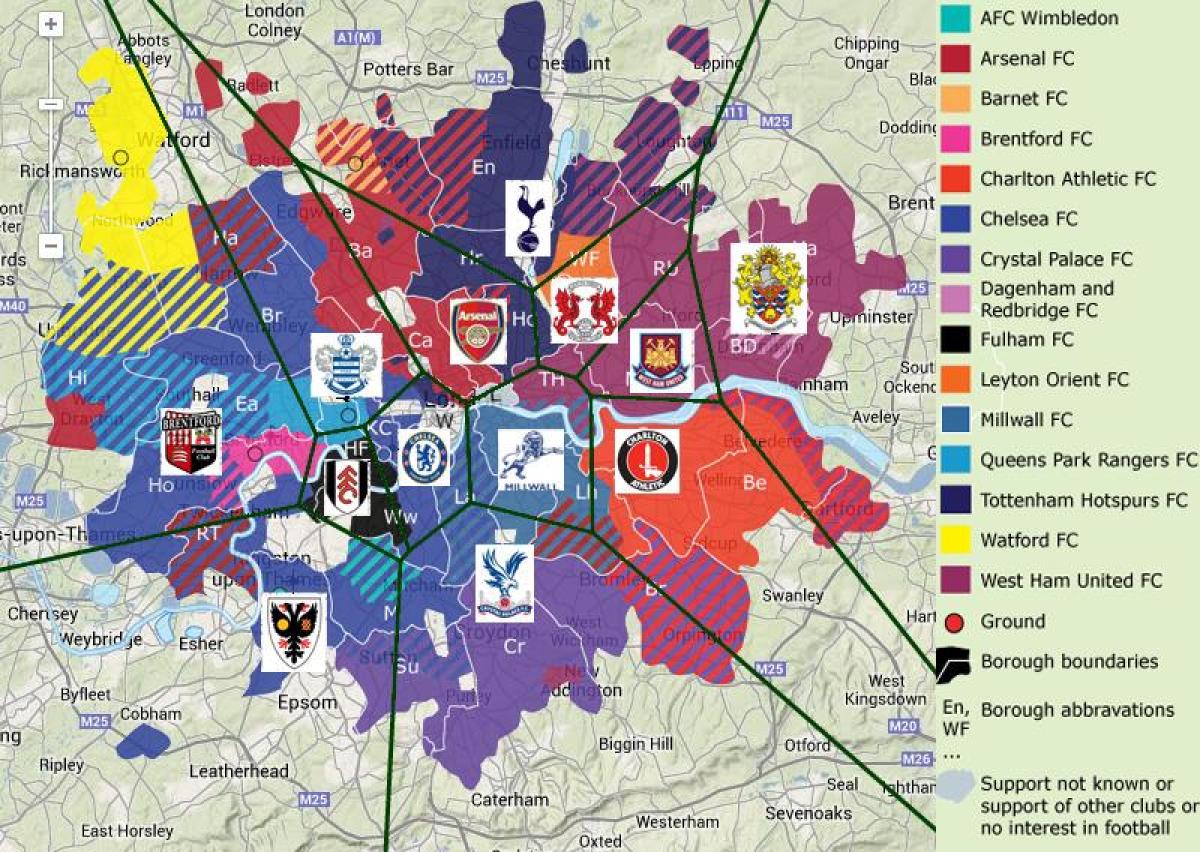
For the 2025/26 English Premier League season, London remains the dominant geographical hub of top-flight football. Currently, seven clubs represent the capital: Arsenal, Brentford, Chelsea, Crystal Palace, Fulham, Tottenham Hotspur, and West Ham United. These teams are spread across the city, representing the distinct cultural and historical identities of North, South, East, and West London.
London is widely regarded as the football capital of the world, not just for the sheer number of professional clubs it hosts, but for the density of world-class infrastructure and the intensity of its local rivalries. Navigating the landscape of London football requires an understanding of the city's geography, the specific history of each club, and the logistical realities of attending matches in one of the world's most vibrant metropolises.
The North London Powerhouses
North London is defined by one of the most storied and intense rivalries in global sports: the North London Derby. Both Arsenal and Tottenham Hotspur are mainstays of the Premier League, and by 2026, their stadium infrastructure and global commercial reach have placed them among the elite "super-clubs."
Arsenal: The Gunners at the Emirates Stadium
Located in the London Borough of Islington, Arsenal Football Club is synonymous with tradition and attacking flair. Since moving from their historic Highbury home to the Emirates Stadium in 2006, the club has leveraged its 60,000-seat capacity to become a financial juggernaut.
By 2026, Arsenal has solidified its position as a perennial title contender. The area surrounding the stadium, particularly Holloway Road and Highbury, transforms on match days into a sea of red and white. Visitors to the Emirates can experience one of the most modern viewing experiences in Europe, characterized by excellent sightlines and a world-class club museum. The club’s identity is deeply rooted in the "Arsenal Way"—a commitment to aesthetic football that dates back to the era of Herbert Chapman and was revolutionized by Arsène Wenger.
Tottenham Hotspur: The State-of-the-Art Experience
Just a few miles north in the Borough of Haringey lies the Tottenham Hotspur Stadium. Opened in 2019 on the site of the old White Hart Lane, this venue is arguably the most advanced stadium in the world as of 2026. With a capacity of over 62,000, it features a retractable pitch that allows it to host NFL London Games and major concerts without damaging the football turf.
Tottenham’s presence in North London provides a stark contrast to Arsenal. The club’s motto, Audere est Facere (To Dare Is To Do), reflects a philosophy of ambitious, adventurous play. The "Spurs" experience for fans in 2026 includes the "Skywalk" (the Edge), where visitors can walk across the roof of the stadium, offering panoramic views of the London skyline. The regeneration of the Tottenham area has been largely driven by the club’s investment in this infrastructure.
West London’s Trio: Tradition and Wealth
West London offers a different flavor of football, characterized by affluent neighborhoods, riverside views, and a mix of historic charm and modern billionaire investment.
Chelsea: The Blues of Stamford Bridge
Based in the Royal Borough of Kensington and Chelsea, Chelsea FC is one of the most successful clubs of the 21st century. Stamford Bridge, their home since the club’s founding in 1905, remains one of the more intimate venues among the Premier League’s elite, with a capacity of approximately 40,000.
While there have been ongoing discussions through the early 2020s regarding stadium expansion or relocation, the Bridge remains a fortress for the Blues in 2026. The club attracts a global audience, and the surrounding Fulham Road area is known for high-end dining and luxury, reflecting the club's wealthy supporter base. Chelsea’s identity is built on a "win-at-all-costs" mentality that has seen them secure numerous domestic and European trophies.
Fulham: The Charm of Craven Cottage
A short walk through Bishops Park from Stamford Bridge leads to Craven Cottage, the home of Fulham FC. This is widely considered the most picturesque stadium in the Premier League. Situated directly on the banks of the River Thames, the Cottage features the historic Johnny Haynes Stand, a Grade II listed structure that preserves the architecture of early 20th-century football.
By 2026, the redevelopment of the Riverside Stand has fully integrated luxury hospitality with the traditional match-day experience, increasing the capacity to roughly 28,500. Fulham is often referred to as a "family club," offering a more relaxed atmosphere compared to the high-octane environments of North London or Chelsea.
Brentford: The Data-Driven Bees
Further west in the Borough of Hounslow, Brentford FC continues to defy traditional football logic. Playing at the Gtech Community Stadium (opened in 2020), the "Bees" have become a model for how mid-sized clubs can compete with giants using sophisticated data analytics and smart recruitment.
The stadium, with a capacity of about 17,250, is located near the "Golden Mile" of the M4 and provides an intimate, loud atmosphere. Brentford’s rise to a stable Premier League side by 2026 is one of the great success stories of English football, proving that community-focused clubs can thrive in the world’s most competitive league.

East London’s Industrial Heritage: West Ham United
Representing the East End, West Ham United is a club defined by its working-class roots and its recent transition into a major European presence.
The London Stadium
West Ham plays at the London Stadium in Stratford, the centerpiece of the Queen Elizabeth Olympic Park built for the 2012 Summer Olympics. After a period of transition following their move from the beloved Boleyn Ground (Upton Park) in 2016, the club has successfully made the 62,500-seat arena feel like home.
In 2026, West Ham enjoys one of the highest average attendances in the league. The stadium’s location in East London places it at the heart of one of the city's most significant regeneration zones. The "I’m Forever Blowing Bubbles" anthem remains one of the most iconic sights in world football, and the club serves as a vital cultural anchor for the diverse communities of Newham and Hackney.
South London’s Lone Representative: Crystal Palace
South of the River Thames, the football landscape is dominated by Crystal Palace. While South London has other historic clubs (like Millwall and Charlton Athletic), Palace has been the region's consistent Premier League representative for over a decade.
Selhurst Park: The Cauldron of Atmosphere
Located in the Borough of Croydon, Selhurst Park is famous for having some of the most vocal supporters in England. The "Holmesdale Fanatics" lead the chanting that makes the 25,000-seat stadium a daunting prospect for visiting teams.
By 2026, the club has continued its investment in the Main Stand redevelopment, aimed at modernizing the facility while maintaining the tight, "old-school" feel that fans love. Crystal Palace is deeply embedded in the local community, and its academy is renowned for producing some of the best young talent in the country, many of whom are recruited from the "concrete cages" of South London’s urban estates.
Summary of London EPL Teams (2025/26 Season)
| Club | Stadium | Capacity | Borough | London Region |
|---|---|---|---|---|
| Arsenal | Emirates Stadium | 60,704 | Islington | North |
| Brentford | Gtech Community Stadium | 17,250 | Hounslow | West |
| Chelsea | Stamford Bridge | 40,341 | Hammersmith & Fulham | West |
| Crystal Palace | Selhurst Park | 25,486 | Croydon | South |
| Fulham | Craven Cottage | 28,500 | Hammersmith & Fulham | West |
| Tottenham Hotspur | Tottenham Hotspur Stadium | 62,850 | Haringey | North |
| West Ham United | London Stadium | 62,500 | Newham | East |
The Geography of London Football Rivalries
The sheer number of clubs in London creates a unique "league within a league." In any given season, there are dozens of "London Derbies," matches played between two teams based in the capital. These games are often the highlights of the season for local fans.
- The North London Derby (Arsenal vs. Tottenham): Generally considered the most fierce rivalry in the city. The two clubs have been neighbors since Arsenal moved from South London to Highbury in 1913.
- The West London Derbies: While Chelsea is the most successful, the matches between Chelsea, Fulham, and Brentford carry significant local pride. The Chelsea-Fulham rivalry is particularly interesting as the stadiums are less than two miles apart.
- The Cross-City Rivalries: Matches like West Ham vs. Tottenham or Arsenal vs. Chelsea have evolved into major competitive fixtures that often have implications for the Premier League title or European qualification.
Logistical Guide for Visiting London Clubs in 2026
For fans planning to attend a match in 2026, the Transport for London (TfL) network is the primary means of reaching these venues. Driving to London stadiums is generally discouraged due to heavy traffic and extremely limited parking in residential zones.
- Emirates Stadium: Best reached via the Piccadilly Line (Arsenal station) or the Victoria Line/Highbury & Islington.
- Tottenham Hotspur Stadium: Served by the London Overground (White Hart Lane station) or a 20-minute walk from Seven Sisters (Victoria Line).
- Stamford Bridge: Located right next to Fulham Broadway station on the District Line.
- London Stadium: Extremely well-connected via Stratford Station (Central, Jubilee, Elizabeth Lines, DLR, and Overground).
- Craven Cottage: A scenic 15-minute walk from Putney Bridge station (District Line).
- Gtech Community Stadium: Kew Bridge station (South Western Railway) is the closest entry point.
- Selhurst Park: Usually reached via Southern Rail to Selhurst, Thornton Heath, or Norwood Junction stations.
Ticket Availability and Costs
In 2026, Premier League tickets in London remain in high demand. Most clubs operate on a membership basis, where fans pay an annual fee for the right to buy tickets before they go on general sale. For high-profile London Derbies, tickets rarely reach the general public. Expect to pay anywhere from £30 for a category C game at a smaller venue to over £100 for premium seating at the larger stadiums.
FAQs: London’s Premier League Landscape
Which London team has won the most Premier League titles?
As of 2026, Arsenal and Chelsea hold the most top-flight titles among London clubs. Chelsea dominated the early 21st century under various managers, while Arsenal’s "Invincibles" season of 2003/04 remains a landmark achievement in English football history.
Are there any other professional teams in London not in the EPL?
Yes, London has several clubs in the lower tiers of the English Football League (EFL). Clubs like Millwall, Queens Park Rangers (QPR), Charlton Athletic, AFC Wimbledon, Leyton Orient, and Bromley all represent different parts of the city in the Championship, League One, and League Two.
Is there a "London Trophy" for the best team in the city?
There is no official trophy, but fans and media often track a "London Mini-League" table. This table only counts the results of matches played between London-based clubs. It is a significant point of pride for the team that finishes as the "Kings of London."
Which London stadium is the largest?
The Tottenham Hotspur Stadium currently holds the highest capacity for club football in London (approx. 62,850), narrowly edging out the London Stadium (West Ham) and the Emirates Stadium (Arsenal). Wembley Stadium is larger (90,000 seats), but it serves as the national stadium and does not host a Premier League club on a permanent basis.
Why are there so many teams in London?
The concentration of clubs is a result of London’s massive population and its history as a collection of distinct villages and industrial hubs. Many clubs were founded by local workers (e.g., West Ham by ironworks employees, Arsenal by munitions workers), and the city's infrastructure allowed these hyper-local identities to survive and grow into global brands.
Practical Recommendations for Fans
If you are looking to experience London football in 2026, consider the following next steps:
- Check the Schedule: The Premier League fixture list is usually released in June. Note that matches are frequently moved for television broadcasts (from Saturday to Sunday or Monday).
- Join a Membership Scheme: If you want to see a specific team like Arsenal or Tottenham, purchasing a Red or One Hotspur membership is almost essential to secure a seat.
- Visit the Neighborhoods: To truly understand a club, arrive three hours before kickoff. Visit the local pubs (like The Tollington for Arsenal or The No. 8 for Spurs) to experience the pre-match rituals of the local fans.
- Consider a Stadium Tour: If you cannot get a ticket for a match day, all seven London EPL clubs offer comprehensive stadium tours that provide access to the dressing rooms, tunnels, and pitch-side areas.
Image Gallery
Select an image to open it in a new tab.


Ingrid Bjornson
Global Cyber Policy and Regulation Analyst
