Understanding Corn Futures Prices in the Market: A Comprehensive Guide

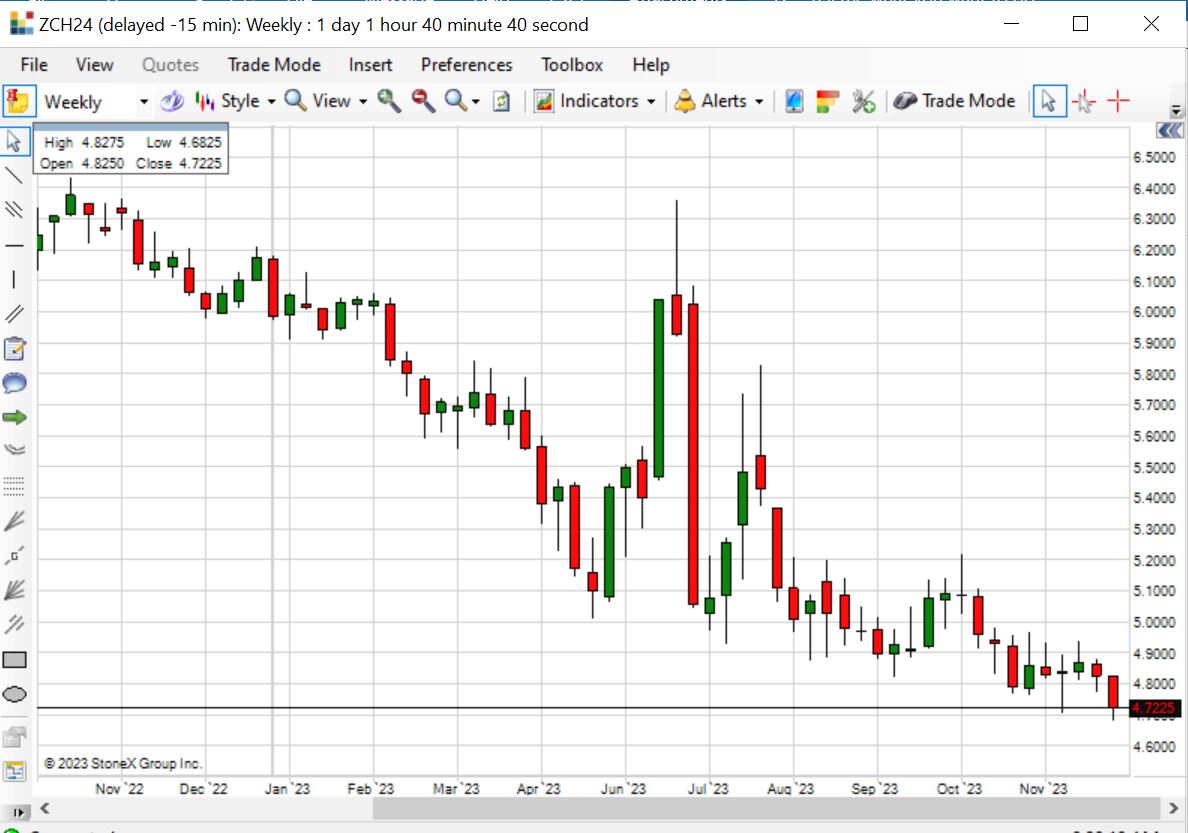
Corn futures prices are standardized financial contracts traded on major commodity exchanges, representing the agreed-upon price for the future delivery of corn. These prices fluctuate based on supply and demand dynamics, including weather patterns, global production yields, fuel demand for ethanol, and macroeconomic factors, serving as a critical benchmark for producers, commercial hedgers, and speculators in the global agricultural market.
The Role of Corn Futures in Global Agriculture
Corn futures are not merely speculative tools; they are the backbone of risk management for the global agricultural sector. By providing a transparent, centralized price discovery mechanism, they allow farmers to "lock in" the price of their upcoming harvest, protecting them from a potential crash in market values. Conversely, food processors, feedlot operators, and ethanol producers use these contracts to hedge against the risk of rising costs.
At the heart of the market is the Chicago Board of Trade (CBOT), a division of the CME Group. The most common contract is the Corn Futures (ZC), which represents 5,000 bushels of U.S. No. 2 yellow corn. Prices are quoted in cents per bushel. When analysts discuss "corn prices," they are almost invariably referring to these centralized exchange prices rather than the spot price at a local grain elevator, though the two are inextricably linked by the concept of "basis."
Factors Influencing Price Volatility
The volatility of corn futures prices is driven by a complex interplay of environmental, political, and economic variables. Understanding these drivers is essential for anyone attempting to analyze the market.
1. Environmental and Climatic Conditions
Agriculture remains one of the few industries entirely beholden to the weather. During the planting season in the U.S. Midwest, anticipation of rainfall and soil temperature can cause price spikes. Later in the season, drought conditions or excessive rain during the "pollination window" (usually July in the Northern Hemisphere) can drastically alter yield expectations. Markets often trade on the "weather premium"—an added cost to the contract price based on the fear of potential crop failure.
2. Global Supply and Demand
The United States, Brazil, and Argentina are the world’s leading corn producers. A record-breaking harvest in Brazil can put downward pressure on global prices, even if the U.S. harvest is average. Furthermore, China’s import demand acts as a massive variable; because China is the world's largest consumer of animal feed, any shift in their trade policy or domestic livestock consumption directly impacts global equilibrium.
3. Energy Markets and Ethanol Policy
A significant portion of the U.S. corn crop is diverted to the production of ethanol. Consequently, the price of crude oil and gasoline has a strong correlation with corn futures. If gasoline prices are high, demand for ethanol (and therefore corn) often increases. Government mandates regarding renewable fuel standards also provide a "price floor" or "demand ceiling" that traders monitor closely.
Mechanics of the Futures Contract
For those engaging with the market, understanding the technical specifications of a corn futures contract is non-negotiable. Trading these assets requires an understanding of contract cycles and delivery mechanisms.
| Feature | Specification |
|---|---|
| Exchange | Chicago Board of Trade (CBOT) |
| Contract Size | 5,000 bushels |
| Pricing Unit | Cents per bushel |
| Tick Size | 1/4 cent per bushel ($12.50 per contract) |
| Contract Months | March, May, July, September, December |
| Daily Trading Limits | Vary based on volatility and exchange rules |
The tick size—the minimum amount the price can move—is critical for risk calculation. If you hold a position and the market moves by one "full cent," you have gained or lost $50 per contract.
The Relationship Between Futures and Basis
A common point of confusion for new market participants is the discrepancy between the price seen on a trading terminal and the price a farmer receives at a local silo. This difference is known as "basis."
Basis = Cash Price - Futures Price
Basis reflects local supply and demand, transportation costs, and regional storage availability. If a local region has a massive surplus of corn but limited rail access, the local cash price will drop significantly below the futures price. The futures market represents the price at a specific delivery location; the basis represents the local "real-world" reality. Traders often watch the basis closely to determine if the futures market is becoming disconnected from physical supply constraints.
Hedging vs. Speculation: Who Participates?
The corn futures market is comprised of two distinct types of participants: commercial hedgers and non-commercial speculators.
- Commercial Hedgers: These are the "end-users" and producers. Their goal is price stabilization. They are not looking to make a "profit" on the futures contract itself; rather, they use the contract to offset a loss in the physical market. If a farmer sells a futures contract to hedge their crop, they are indifferent to whether the price goes up or down—they have secured their revenue.
- Non-Commercial Speculators: These include hedge funds, commodity trading advisors, and individual traders. They provide the market with "liquidity," allowing commercial entities to enter and exit their hedging positions with ease. Speculators assume the risk that commercial hedgers want to shed.
Managing Risk in a Fluctuating Market
Risk management in corn futures is not just about choosing the right trade; it is about capital preservation. Because futures are traded on "margin," a small move in the market can lead to a significant loss of capital—or a margin call.
- Stop-Loss Orders: Essential for limiting downside. A stop-loss automatically triggers an order to exit the position if the price hits a predetermined level, preventing emotional decision-making.
- Position Sizing: Never over-leverage. Many new traders fall into the trap of buying as many contracts as their margin allows. Successful market participants size their positions based on their total account equity, ensuring they can withstand periods of adverse price movement.
- Stay Informed via Reports: The U.S. Department of Agriculture (USDA) releases the World Agricultural Supply and Demand Estimates (WASDE) report monthly. This is arguably the most important document in the market. The release of this report frequently triggers high volatility as the market adjusts to new production and consumption data.
Troubleshooting Common Market Misconceptions
One frequent mistake is the belief that corn prices only move based on supply. Demand is often the "silent mover" of the market. Even if a crop is bountiful, a sudden surge in demand for corn-based livestock feed or a change in global export laws can drive prices up.
Another misconception is that the "current" price in a news article is always the most relevant. In the futures market, you must look at the "front month" (the contract nearest to expiration) versus the "deferred months." Prices for December delivery might be much higher or lower than May delivery depending on the expected harvest cycle. This structure is known as "contango" (where future prices are higher than spot) or "backwardation" (where future prices are lower).
Frequently Asked Questions
What is the best way to track real-time corn futures prices? Real-time prices are available through financial news terminals and brokerage platforms that provide direct access to the CME Group data feeds. Avoid delayed websites for active trading, as the information can be 15–20 minutes old, which is an eternity in high-frequency commodity trading.
How does the USDA influence corn prices? The USDA's WASDE reports provide the official government estimate on crop yields and usage. Because these reports are based on extensive satellite data and field surveys, they are considered the industry standard. Traders often position themselves aggressively ahead of these reports, leading to sharp price movements once the data is published.
Are corn futures taxable? In the United States, futures contracts are generally subject to the "60/40 rule" for tax purposes. Under Section 1256 of the Internal Revenue Code, 60% of gains are taxed at the lower long-term capital gains rate, and 40% are taxed at the short-term rate, regardless of how long the position was held. Always consult with a qualified tax professional regarding specific financial situations.
What happens at the expiration of a corn futures contract? Most retail traders close their positions before the expiration date to avoid the obligation of physical delivery. If you hold a contract through expiration, you could be responsible for the delivery or receipt of 5,000 bushels of corn, which is logistically impossible for most individual investors. Brokers will typically liquidate positions shortly before the "first notice day" to prevent this.
Conclusion and Next Steps
Navigating corn futures prices requires a disciplined approach, focusing on the interplay between supply-side yield data and demand-side industrial needs. Whether you are a producer looking to hedge your next crop or an investor seeking exposure to agricultural commodities, your next step should be to establish a clear risk-management framework.
Start by reviewing the current WASDE reports available on the USDA website and familiarize yourself with the specific contract specifications for the upcoming crop year. Practice identifying the relationship between cash prices in your local area and the exchange-traded futures price to understand the current basis environment before committing capital to a position.

Image Gallery
Select an image to open it in a new tab.



Celine Dubois
Contemporary Living and Global Arts Columnist
