
The return of the Tasmanian tiger, or thylacine, is currently a multi-million-dollar scientific endeavor centered on advanced CRISPR gene editing and marsupial stem-cell research. While a living specimen does not yet exist, the partnership between Colossal Biosciences and the University of Melbourne has successfully sequenced high-quality genomes and developed the "de-extinction toolkit" required to create a functional proxy of the extinct predator.
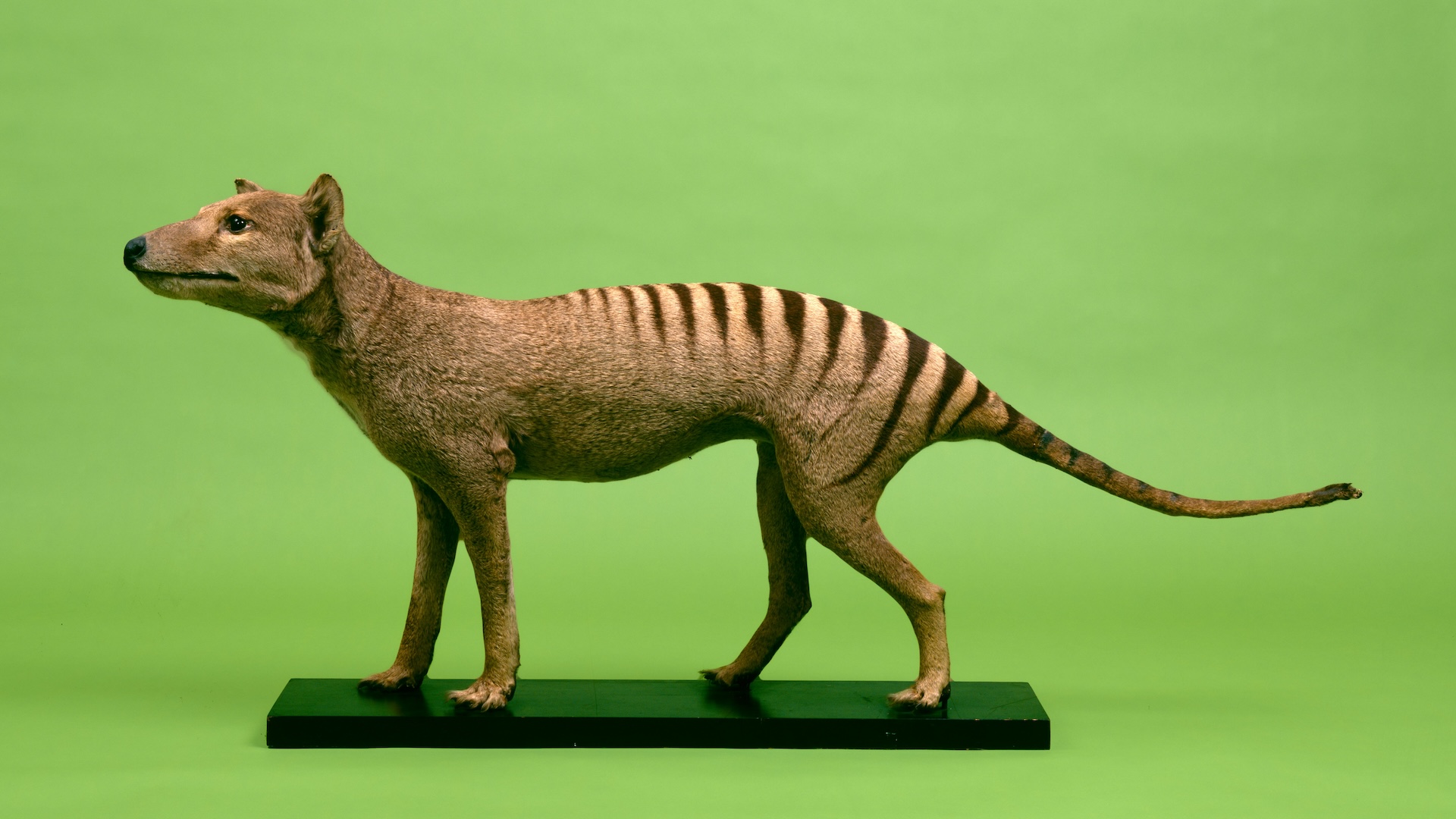
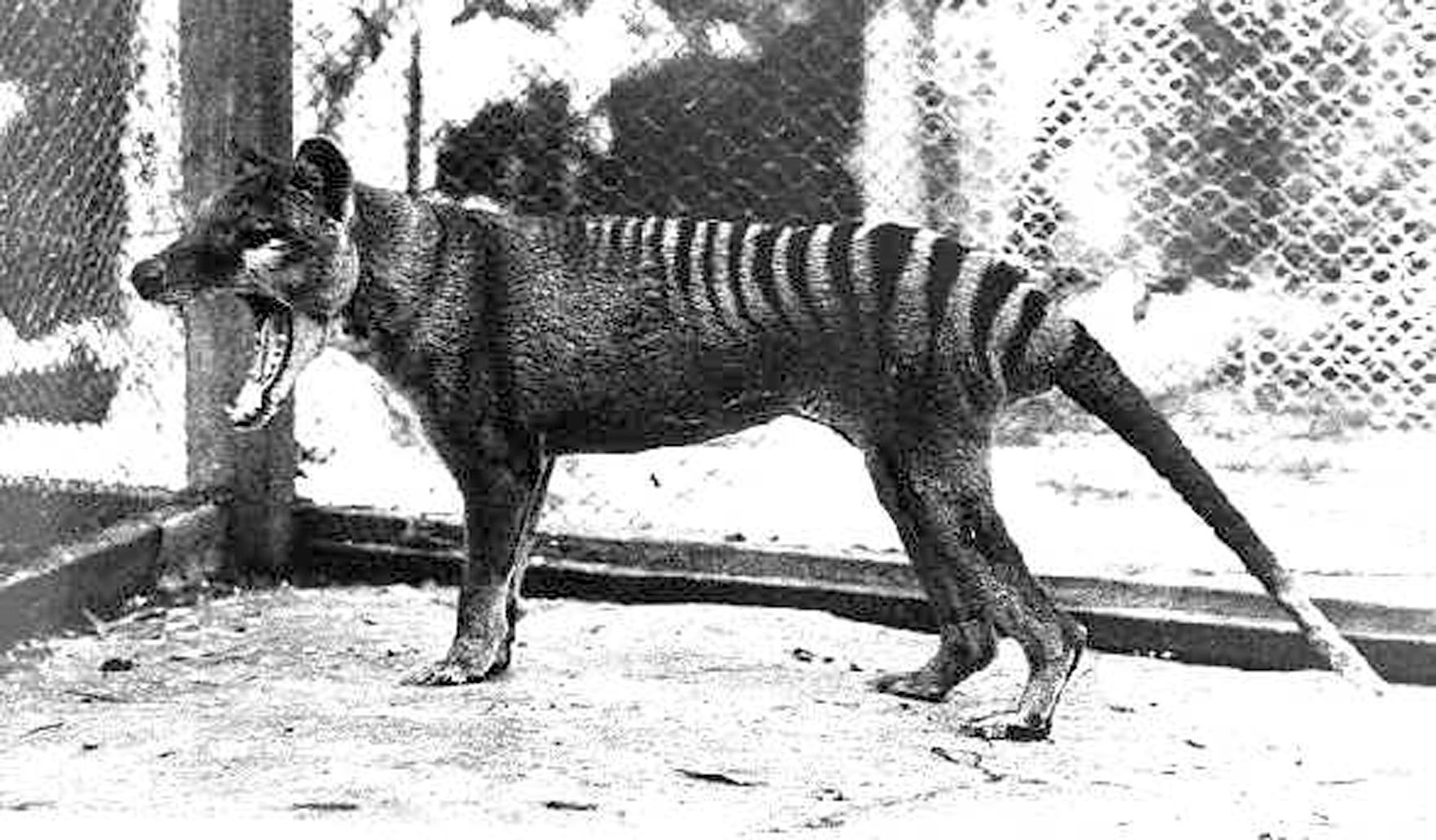
The thylacine (Thylacinus cynocephalus) has long occupied a unique space in the global consciousness. As the only apex predator among modern marsupials, its extinction in 1936—following decades of government-sanctioned bounties and habitat loss—is often cited as one of the most significant ecological losses of the 20th century. However, as we stand in 2026, the conversation has shifted from "Can we find one in the wild?" to "How soon can we build one in the lab?"
The effort to bring the Tasmanian tiger back is not a singular event but a complex series of biotechnological milestones. This project aims to reverse a human-caused extinction while simultaneously developing conservation technologies to protect currently endangered marsupials.
The Genomic Foundation: Decoding the Thylacine
The primary hurdle in any de-extinction project is the quality of the genetic blueprint. Unlike the woolly mammoth, which offers samples preserved in permafrost, the thylacine’s genetic material primarily exists in museum specimens preserved in ethanol or taxidermy mounts.
In the early 2000s, initial attempts to sequence thylacine DNA were hampered by degradation. However, by the early 2020s, the Thylacine Integrated Genetic Restoration Research (TIGRR) Lab at the University of Melbourne, led by Professor Andrew Pask, achieved a breakthrough. They produced one of the most complete ancient genomes ever sequenced, comparable in quality to the genomes of living species.
Why Genome Quality Matters
A high-quality genome is essential because it serves as the "reference map." To bring the Tasmanian tiger back, scientists do not simply "clone" an old cell; they must take the DNA of a living relative and edit it until it matches the thylacine's code. Without a perfect map, researchers wouldn't know which parts of the DNA govern the thylacine’s unique traits—such as its distinctive stripes, its massive jaw gape, or its specialized hind-limb structure.
The Role of the Fat-Tailed Dunnart
The closest living relative to the thylacine is the fat-tailed dunnart, a mouse-sized marsupial. While they look nothing alike, their genetic divergence is manageable for modern gene-editing tools. The dunnart serves as the "template." By comparing the dunnart genome to the thylacine genome, researchers identify the key differences that define the two species. In 2026, this comparative genomics phase is largely complete, allowing scientists to focus on the actual editing process.
The De-Extinction Toolkit: CRISPR and Stem Cells
The actual "re-creation" of the thylacine relies on two primary technologies: CRISPR-Cas9 (and its more advanced derivatives like base editing and prime editing) and Induced Pluripotent Stem Cells (iPSCs).
Multiplex Gene Editing
The difference between a dunnart and a thylacine involves thousands of genetic variations. In the past, scientists could only edit one or two genes at a time. Through the partnership with Colossal Biosciences, researchers now use "multiplex editing," which allows for hundreds of simultaneous changes to a cell's DNA.
This process involves:
- Identifying Essential Genes: Determining which genes control the "thylacine-specific" morphology (body shape, skull structure, reproductive biology).
- Editing Dunnart Cells: Using CRISPR to swap dunnart DNA sequences for thylacine sequences in a living cell culture.
- Verification: Sequencing the edited cells to ensure no "off-target" effects occurred that could harm the resulting animal.
Stem Cell Transformation
Once a dunnart cell has been successfully edited to match the thylacine blueprint, it must be turned into a living organism. Scientists use iPSC technology to turn these edited skin cells back into "blank slate" stem cells. These stem cells can then be directed to become sperm and egg cells, or used in somatic cell nuclear transfer (cloning) to create an embryo.

The Marsupial Advantage: Artificial Wombs and Joey Development
One of the most significant challenges in de-extinction is gestation. For a mammoth, researchers must find a way to grow a multi-ton fetus inside an African elephant or a massive artificial womb. The thylacine, however, offers a distinct biological advantage: it is a marsupial.
Short Gestation Periods
Marsupials give birth to extremely underdeveloped young (joeys) after a very short pregnancy—often only a few weeks. The majority of the animal's development happens inside the mother's pouch. This means that the "artificial womb" needed for a thylacine does not need to support a 50-pound fetus; it only needs to support a creature the size of a grain of rice for about two to three weeks.
The Development of Ex-Utero Technology
In 2026, the TIGRR Lab and Colossal have made substantial strides in "ex-utero" development. By creating specialized incubators that mimic the environment of a marsupial pouch, scientists can potentially raise a thylacine joey from birth to weaning outside of a biological mother. This bypasses the need for a large-scale surrogate mother, which would be difficult to find given that no other living marsupial is large enough to carry a full-term thylacine.
Technical Comparison: Thylacine vs. Surrogate Species
Understanding the scale of the challenge requires looking at the biological differences between the target species and its modern proxy.
| Feature | Thylacine (Extinct) | Fat-tailed Dunnart (Surrogate) |
|---|---|---|
| Scientific Name | Thylacinus cynocephalus | Sminthopsis crassicaudata |
| Weight | 20–30 kg | 10–20 grams |
| Diet | Carnivorous (Apex Predator) | Insectivorous |
| Gestation | ~30 Days | ~13 Days |
| Genetic Divergence | Reference Genome Completed | Primary Template Species |
| Habitat | Grasslands/Wet Forests | Semi-arid Woodlands |
Ecological and Ethical Considerations
The prospect of "coming back" is not just a laboratory challenge; it is an ecological one. If a thylacine is successfully birthed in a lab, the next question is: where does it go?
Ecosystem Restoration
Tasmania’s ecosystem has suffered since the loss of its apex predator. The "mesopredator release" phenomenon—where smaller predators like feral cats and foxes thrive unchecked—has led to a decline in native bird and small mammal populations. The reintroduction of the thylacine could theoretically restore balance by naturally controlling these invasive species and diseased populations of Tasmanian devils.
The "Proxy" Debate
Critics of de-extinction argue that the resulting animal will not be a "true" thylacine, but a "thylacine-ish" dunnart. Because the animal will be raised by humans or in an artificial environment, it will lack the learned behaviors and cultural knowledge passed down from thylacine parents. Proponents argue that as long as the animal fulfills the same ecological niche (the "functional" thylacine), the project is a success.
Bioethics and Resource Allocation
There is a persistent debate regarding whether the millions of dollars spent on de-extinction should instead be funneled into protecting existing endangered species. However, the TIGRR Lab argues that the technologies developed for the thylacine—such as marsupial IVF and gene editing—are already being used to help save the Northern Quoll and the Tasmanian Devil from extinction.
Current Status and Roadblocks in 2026
As of 2026, the project has reached a critical "proof of concept" stage. While a fully grown thylacine is not yet roaming the Tasmanian bush, the following milestones have been documented:
- Cell Line Mastery: Researchers have successfully created dunnart iPSCs and have begun the first rounds of large-scale multiplex editing.
- Pouch Simulation: Prototype artificial pouches have successfully supported the growth of dunnart joeys from birth to weaning, proving the technology works for marsupials.
- Regulatory Frameworks: Discussions with the Tasmanian government and local Indigenous groups are ongoing to determine the legal status of a "de-extinct" species and the criteria for potential release.
The remaining roadblocks are primarily biological: ensuring the edited cells can form a viable embryo and managing the "founder effect" (genetic diversity). To create a healthy population, scientists cannot just create one tiger; they must create a population with enough genetic variety to prevent inbreeding.
Frequently Asked Questions
Is the Tasmanian tiger still alive in the wild?
Despite thousands of reported sightings in Tasmania and mainland Australia, there is no verified physical evidence (photos, hair samples, or DNA) of a thylacine since the last known specimen died in Hobart Zoo in 1936. The current de-extinction efforts proceed on the scientific consensus that the species is biologically extinct.
How much does it cost to bring the thylacine back?
The partnership between Colossal Biosciences and the University of Melbourne involves a $15 million (USD) gift, though the total cost of the infrastructure and long-term research likely exceeds this. The high cost is attributed to the development of entirely new biotechnologies that did not exist prior to this project.
Will the "new" Tasmanian tiger look like the old one?
Genetically, it will be a hybrid—a dunnart genome edited to contain all the defining characteristics of a thylacine. To the naked eye, it should be indistinguishable from the original, possessing the stripes, jaw structure, and carnivorous physiology. However, on a molecular level, it will retain some dunnart DNA in non-essential regions.
Can the thylacine survive in today's Tasmania?
Ecological surveys suggest that much of the thylacine’s original habitat in Tasmania remains intact. Large areas of the Tasmanian Wilderness World Heritage Area provide suitable cover and prey. The primary concern is whether the modern ecosystem has changed too much in the last 90 years for a predator to successfully integrate.
When will the first thylacine be born?
While Colossal originally estimated a 10-year timeframe from 2022, the complexities of marsupial development make a precise date difficult. By 2026, we are in the "embryo development" phase. A realistic window for a birth remains in the late 2020s or early 2030s, depending on the success of the artificial womb trials.
Future Outlook and Next Actions
The return of the Tasmanian tiger is no longer a matter of "if" but "when" and "how well." The project represents the vanguard of a new era in conservation: "Genetic Rescue." For those following the progress of the thylacine, the next major milestone to watch for is the successful gestation of a gene-edited marsupial embryo, even if it is a smaller species used as a test case.
For the general public, the best way to support these developments is to stay informed through official channels like the University of Melbourne’s TIGRR Lab and to support broader conservation efforts in Tasmania. Protecting the existing habitat today ensures that if and when the thylacine returns, it has a home to return to.
Image Gallery
Select an image to open it in a new tab.




Simon Caldwell
Enterprise Technology and Systems Editor
