Understanding Software Defined Networking Technology: Architecture and Strategic Implementation
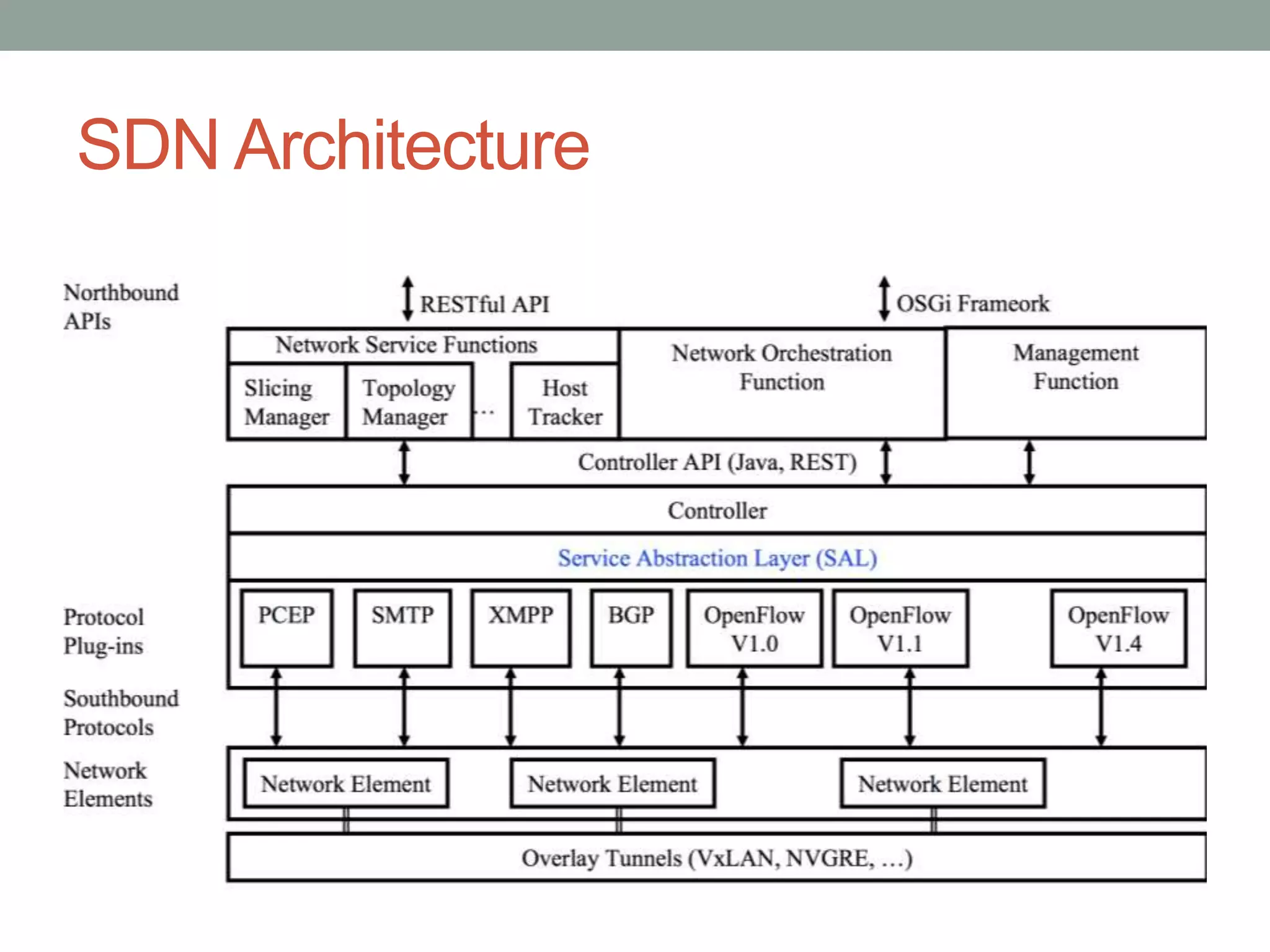
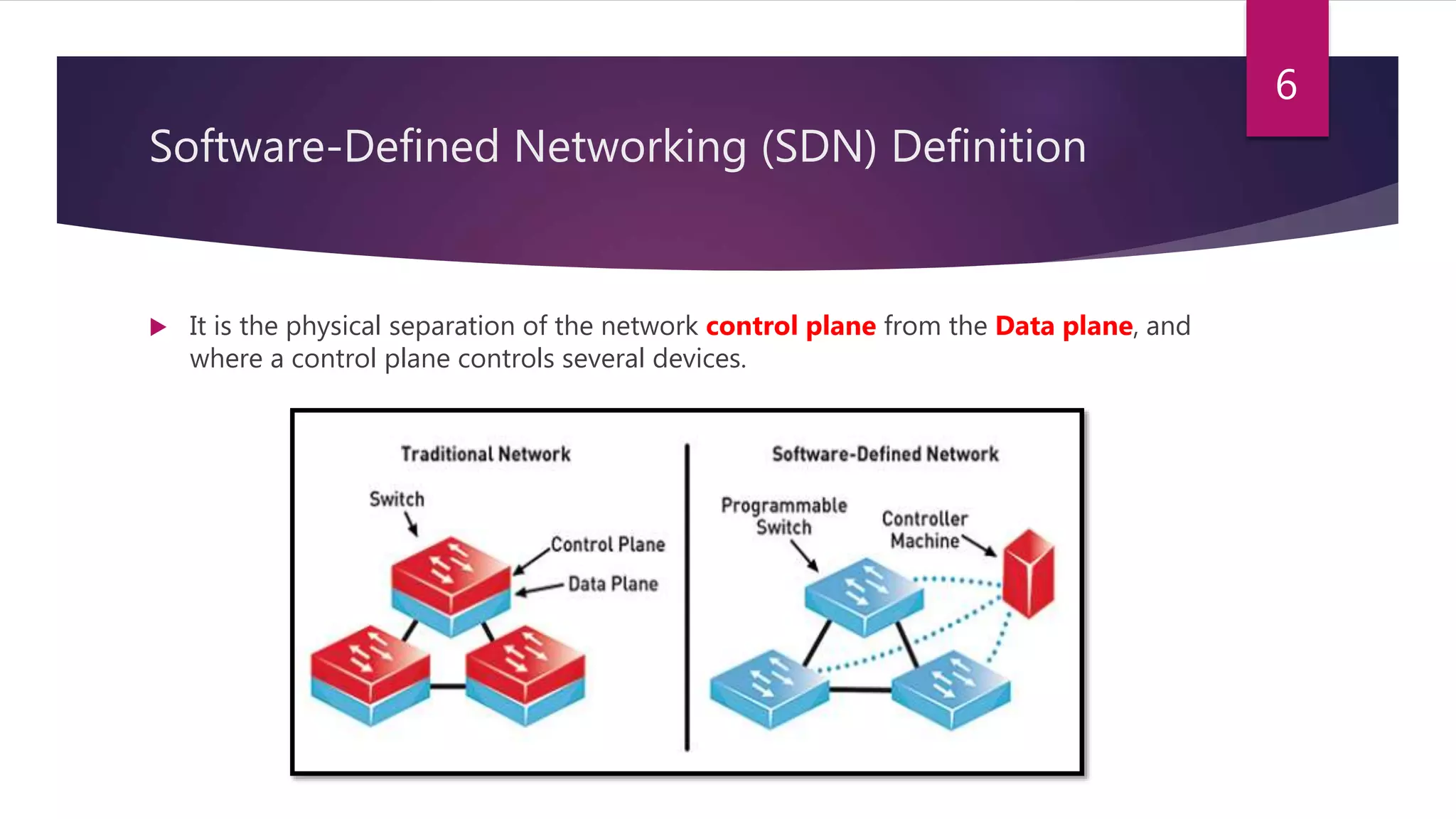
Software Defined Networking (SDN) technology is a network architecture approach that enables centralized, programmatic control of network traffic by decoupling the control plane, which makes routing decisions, from the data plane, which forwards packets. This shift from hardware-centric management to software-based orchestration allows organizations to automate network provisioning, improve traffic visibility, and enhance overall agility across complex, multi-cloud environments.
The Architectural Evolution of Networking
Traditional networking relied heavily on distributed control, where every network switch and router functioned as an autonomous entity. Configuration changes necessitated manual intervention at the device level, creating silos that hampered scalability and increased the risk of human error. Software Defined Networking technology fundamentally redefines this model by centralizing the network's intelligence.
The architecture is broadly categorized into three distinct layers:
- The Infrastructure (Data) Plane: Consists of physical or virtual forwarding devices (switches, routers) that execute packet forwarding based on instructions received from the control plane.
- The Control Plane: Acts as the brain of the network. It is typically a centralized software controller that gathers network topology data and calculates optimal paths, pushing flow tables to the forwarding hardware.
- The Application Plane: Comprises the network services and business applications that leverage the SDN controller via APIs (Application Programming Interfaces) to define policies, such as load balancing, firewalling, or traffic prioritization.
By separating these planes, SDN allows network administrators to manage the entire fabric as a single entity. As of 2026, this architectural shift is no longer experimental; it is the backbone of modern data centers, hyperscale cloud environments, and increasingly, wide-area networking through SD-WAN (Software-Defined Wide Area Network) implementations.
Key Components and Protocol Standards
To implement SDN effectively, engineers must understand the interplay between the controller and the underlying infrastructure. The most significant historical development in this space was the OpenFlow protocol, which provided a standardized way for the controller to communicate with forwarding hardware. While proprietary protocols and vendor-specific APIs (such as Cisco’s ACI or VMware’s NSX-T) have become prevalent in enterprise settings, the underlying principle of Southbound and Northbound APIs remains consistent.
- Southbound APIs: These interfaces communicate between the SDN controller and the network devices. Examples include OpenFlow, NETCONF, and P4. These enable the controller to program the flow tables of the infrastructure devices.
- Northbound APIs: These interfaces bridge the gap between the SDN controller and network applications. By using RESTful APIs, developers can program the network to react to application demands, such as increasing bandwidth for a specific database query in real-time.
Benefits of Transitioning to SDN
The adoption of SDN technology is driven by the necessity for operational efficiency and the need to support high-velocity development cycles, such as CI/CD (Continuous Integration/Continuous Deployment) pipelines.
Enhanced Scalability and Agility
In a traditional setup, adding a new segment or modifying a VLAN often requires days of manual configuration. With SDN, these tasks are automated through orchestration software. Once the underlying hardware is deployed, the network layer can be logically carved and configured in minutes. This agility is critical for organizations utilizing microservices, where network connectivity needs to fluctuate rapidly based on containerized workload demands.
Granular Security and Policy Management
Centralized control provides an unprecedented level of visibility. Administrators can implement micro-segmentation, a security technique that applies fine-grained policies to individual workloads, preventing lateral movement of threats within a network. In an SDN environment, security policies are attached to the identity of the workload, not the physical port to which a device is connected.
Reduced Capital and Operational Expenditures
By utilizing white-box switching (commodity hardware) combined with open-source or vendor-agnostic software, companies can break the dependency on expensive, proprietary hardware stacks. This "disaggregation" of hardware and software is a major cost driver for large-scale data centers as of 2026.
Comparison: Traditional Networking vs. SDN
| Feature | Traditional Networking | Software Defined Networking (SDN) |
|---|---|---|
| Control Logic | Distributed (Device-by-Device) | Centralized (SDN Controller) |
| Configuration | Command Line Interface (CLI) | API-Driven/Programmable |
| Traffic Pathing | Static, hardware-dependent | Dynamic, application-aware |
| Scalability | Manual/Complex | Automated/Orchestrated |
| Security | Perimeter-based (Firewalls) | Micro-segmentation/Software Policies |
| Hardware | Proprietary/Vertical silos | Disaggregated (White-box/Software) |
Implementation Challenges and Operational Risks
Despite the benefits, implementing SDN is not without friction. The transition requires a shift in workforce skills; networking teams familiar with traditional CLI-based management must adopt software development methodologies, including version control for network configurations and basic scripting (Python or Go) for automation.
The Complexity of Controller Reliability
The central controller represents a single point of failure. If the controller loses connectivity to the forwarding devices, the network may enter a "fail-stable" state where traffic continues to flow based on the last known instructions, but new configurations cannot be pushed. Consequently, high-availability clusters and rigorous testing of controller updates are mandatory in production environments.
Interoperability Issues
While standards exist, vendor ecosystems often lock users into specific platforms. An environment running VMware NSX may face integration challenges when attempting to interface with physical switches from a different manufacturer. Organizations must conduct a thorough "Proof of Concept" (PoC) before committing to a specific SDN stack to ensure that Northbound APIs provide the depth of control required for their specific business applications.
Strategic Checklist for SDN Deployment
Organizations planning to deploy or expand SDN in 2026 should follow a structured lifecycle approach to minimize operational disruption:
- Assess Network Maturity: Document the current inventory of hardware. Ensure existing switches support the necessary protocols (e.g., VXLAN for overlay networks or OpenFlow/NETCONF) before proceeding.
- Define the Use Case: Do not deploy SDN for the sake of automation alone. Identify specific pain points, such as slow deployment of cloud workloads or inadequate security segmentation.
- Skill-Gap Analysis: Determine if your infrastructure team has the necessary proficiency in REST APIs and automated configuration management tools like Ansible or Terraform.
- Security Architecture Integration: Integrate the SDN controller with identity management systems (like Active Directory or LDAP) to ensure that network policies are strictly tied to verified user or machine identities.
- Pilot Testing: Begin with a non-critical network segment. Validate the API interactions between your orchestration software and the physical switches.
- Monitoring and Observability: Implement telemetry tools that provide visibility into the virtual overlay. Traditional SNMP-based monitoring is often insufficient for SDN, as it lacks insight into the dynamic logical paths created by the controller.
Frequently Asked Questions
Is SDN the same as Network Function Virtualization (NFV)?
No. While they are often used together, they serve different purposes. SDN separates the control plane from the data plane to manage network traffic flows. NFV focuses on moving network functions—like firewalls, load balancers, or DNS servers—from proprietary hardware appliances to virtual machines or containers running on standard servers.
Can I implement SDN on legacy hardware?
It depends on the hardware’s capability to support modern protocols. Some older switches can be managed via NETCONF/YANG, but many legacy switches lack the processing power or architectural hooks to participate in a true SDN overlay. Most enterprises choose a "hybrid" approach, using SDN to manage modern core switches while leaving legacy edge devices to traditional configurations.
What is the role of P4 in SDN?
P4 is a domain-specific language for programming packet-forwarding hardware. It goes a step further than OpenFlow by allowing developers to define exactly how the switch processes packets at the hardware level, rather than just matching packets to predefined rules. It is increasingly used in high-performance data centers to offload specific logic from the controller to the switch itself.
How does SD-WAN differ from SDN?
SD-WAN is an application of SDN principles to wide-area networks. While SDN is generally focused on the internal data center fabric (the "East-West" traffic), SD-WAN simplifies the connection of branch offices and remote users to the corporate network (the "North-South" traffic) by using software to intelligently steer traffic over multiple transport types, such as MPLS, 5G, or broadband internet.
What is the biggest security risk in an SDN environment?
The primary risk is the compromise of the SDN controller itself. If an attacker gains administrative access to the controller, they can modify the entire network's routing and security policies. Consequently, securing the controller's management interfaces, implementing multi-factor authentication, and utilizing strict role-based access control (RBAC) are paramount.
Next Steps for Network Architects
For organizations looking to advance their networking capabilities in 2026, the immediate next action is a comprehensive audit of current network agility. Start by identifying one manual, repetitive network configuration task and exploring how it can be automated through an existing SDN controller or orchestration platform. Engaging in a limited-scope pilot—specifically targeting a containerized application environment—provides the highest probability of demonstrating immediate value while developing the internal technical maturity required for a wider deployment.
Image Gallery
Select an image to open it in a new tab.

Vivian Cho
Executive IT and Emerging Technologies Reporter
