Where is David Chang From? Exploring the Origin and Culinary Background of the Momofuku Founder
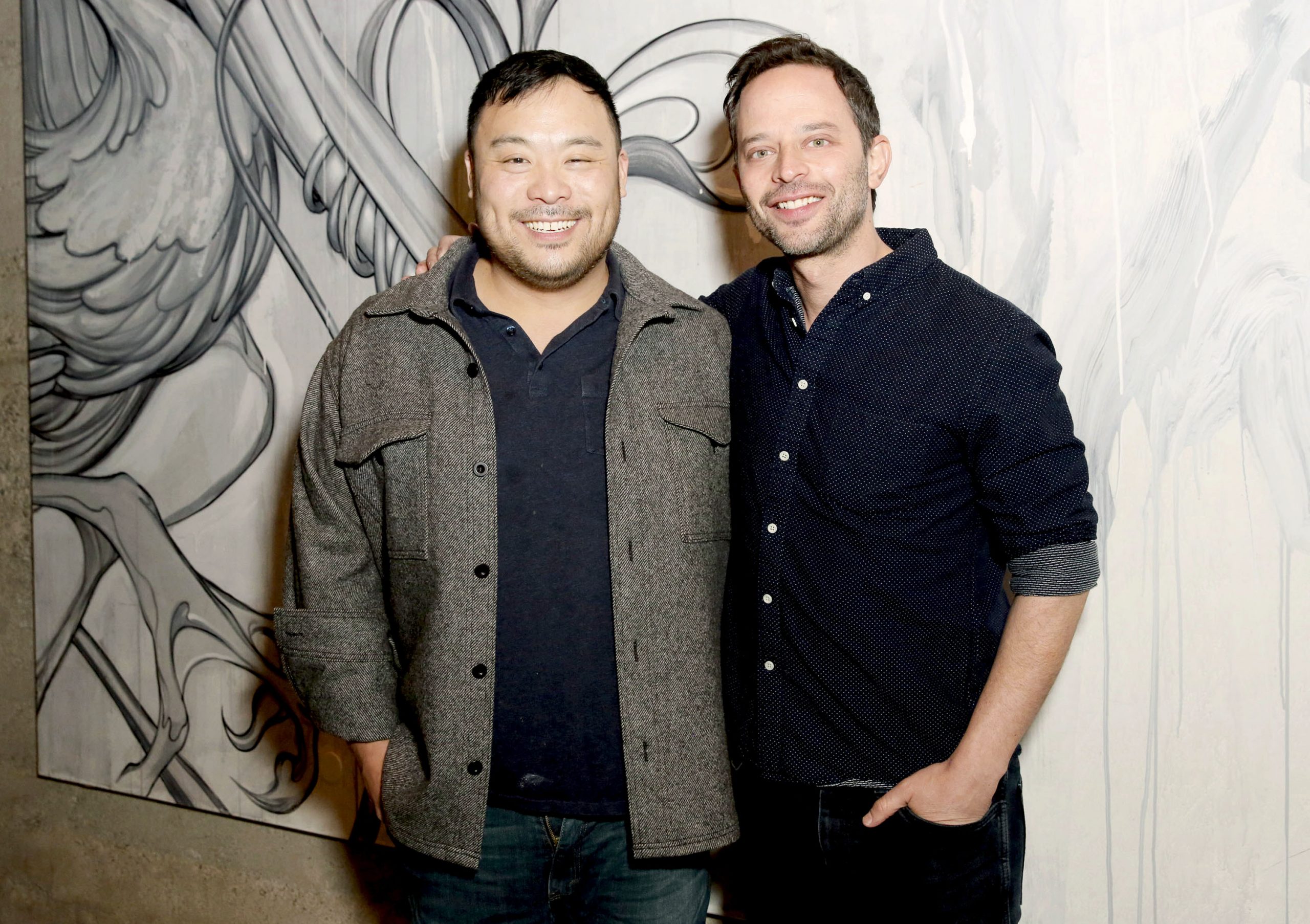
David Chang was born in Vienna, Virginia, and is a first-generation Korean-American. While his ancestral roots trace back to Korea, his culinary identity and personal background were shaped by a suburban upbringing in Northern Virginia and extensive formative training in New York City and Tokyo.
David Chang is widely recognized as the chef and restaurateur who fundamentally altered the landscape of American dining in the early 21st century. To understand where he is "from" requires looking beyond a simple geographical coordinate. His origin is a complex blend of traditional Korean heritage, a competitive American upbringing, and a rebellious approach to classical French and Japanese culinary techniques. As of 2026, his influence extends far beyond the kitchen into media, consumer goods, and cultural commentary, yet his foundations remain firmly rooted in his specific immigrant-family experience in the United States.
The Early Years: Growing Up in Northern Virginia
David Chang was born on August 5, 1977, in Vienna, Virginia, a suburb of Washington, D.C. This location is critical to his background, as Northern Virginia in the 1980s was a place where he often felt like an outsider. Growing up in a predominantly white, affluent area, Chang has frequently spoken about the "cultural dissonance" of being a Korean-American child during that era.
His father, Joseph Chang, immigrated from Korea in the 1960s with very little money, eventually finding success in the restaurant and golf supply industries. This familial drive for success placed immense pressure on David. Before he ever picked up a professional chef's knife, Chang was a competitive junior golfer. His "origin" as a competitor is often cited as the source of his intense work ethic and the high-stress environment he later cultivated in his kitchens.
The suburban Virginia landscape provided the backdrop for his early exposure to food—ranging from the traditional Korean meals his mother and grandmother prepared at home to the fast food and chain restaurants typical of American suburbia. This duality would later become a hallmark of his culinary style: a refusal to separate "high" and "low" culture.
Cultural Heritage: The Korean Connection
While David Chang is a native Virginian, his ethnic origin and the cultural values of his household were deeply Korean. His parents moved to the United States from Korea (his father from the North, his mother from the South) seeking better opportunities. This immigrant narrative is a cornerstone of Chang’s background.
In his memoir, Eat a Peach, and various episodes of his Netflix series, Ugly Delicious, Chang explores how his Korean heritage was something he initially tried to distance himself from, only to embrace it fully later in life. His background is not just about the recipes of the Korean peninsula; it is about the "identity crisis" of the first-generation immigrant. This background informed his decision to open Momofuku Noodle Bar—not as a traditional Korean restaurant, but as a space that respected Asian flavors while refusing to be "authentic" in a way that catered to Western expectations.

Academic Background and the Pivot to Culinary Arts
Before entering the culinary world, Chang pursued a traditional academic path. He attended Trinity College in Hartford, Connecticut, where he majored in Religious Studies. This choice of major is often surprising to those who know him only as a chef, but Chang has noted that studying religion helped him understand the systems of belief and tradition that govern human behavior—knowledge he later applied to the "rituals" of dining and the sociology of the food industry.
After graduating in 1999, Chang held several unfulfilling jobs, including a stint in finance and teaching English in Japan. It was during this period of uncertainty that he decided to enroll in the French Culinary Institute (now the International Culinary Center) in New York City. This move marked the official transition from his suburban Virginian origin to his professional identity in the New York culinary scene.
The Japanese Influence: A Formative Pilgrimage
If Virginia is where David Chang was born and New York is where he was trained, Tokyo is where his culinary philosophy was galvanized. After finishing culinary school and working at established New York institutions like Mercer Kitchen and Craft, Chang felt a pull toward Japan.
He spent time in Tokyo working in a small ramen shop and a high-end kitchen in a Hyatt hotel. This period in Japan was essential to his background because it exposed him to the obsession with quality and the "shokunin" (craftsman) spirit. He became enamored with ramen—not as a cheap instant snack, but as a complex, soul-satisfying dish that deserved respect. When he returned to the U.S., his goal was to combine his French technical training with the ramen culture he experienced in Japan, filtered through his own American perspective.
Professional Evolution: The Birth of Momofuku
In 2004, at the age of 26, David Chang opened Momofuku Noodle Bar in Manhattan’s East Village. The "origin" of the Momofuku brand was born out of a mix of desperation and defiance. Having borrowed money from his father, Chang initially struggled to attract customers.
The turning point came when he stopped trying to cook what he thought people wanted and started cooking what he liked: bold, pork-heavy dishes that ignored the "rules" of the time. The iconic Momofuku Pork Bun—a dish that arguably launched his global career—was a hybrid of Chinese Beijing duck traditions and his own improvisational style.
Key Milestones in David Chang’s Career Path
| Period | Location / Entity | Role / Milestone | Impact on Background |
|---|---|---|---|
| 1977–1995 | Vienna, Virginia | Childhood / Junior Golf | Established competitive drive and immigrant identity. |
| 1995–1999 | Trinity College, CT | Religious Studies Student | Developed analytical thinking and sociological perspective. |
| 2000–2003 | NYC & Tokyo | Student / Line Cook | Mastered French technique and Japanese ramen philosophy. |
| 2004 | Momofuku Noodle Bar | Founder / Chef | Launched the "Peach" empire and revolutionized casual dining. |
| 2008 | Momofuku Ko | Founder | Won two Michelin stars; challenged fine-dining norms. |
| 2018–2026 | Majordomo Media | Founder / Producer | Transitioned from the kitchen to global media influence. |
Culinary Philosophy and "Ugly Delicious"
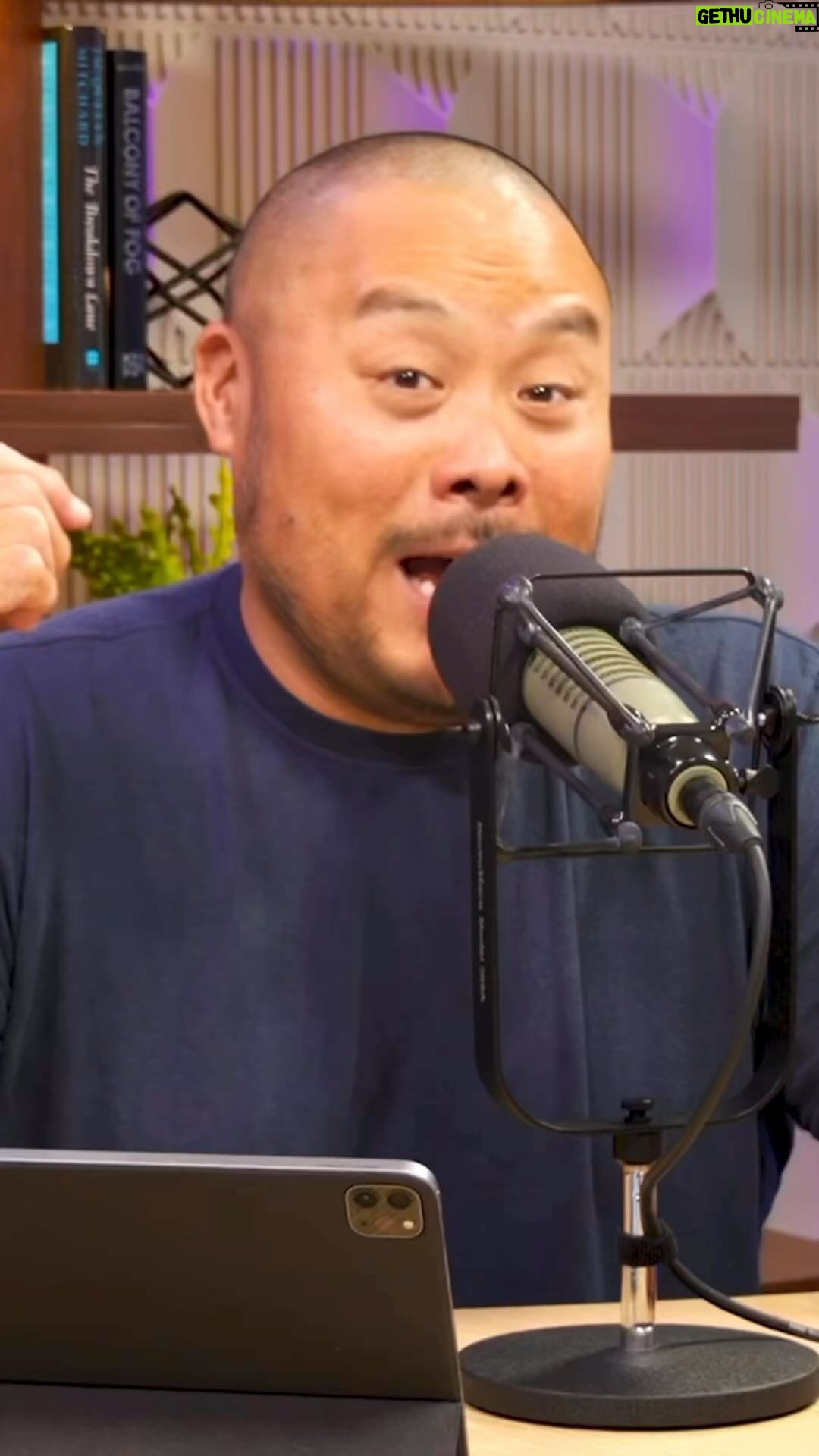
As his career progressed into the 2010s and 2020s, David Chang’s background became a platform for broader cultural advocacy. Through his production company, Majordomo Media, he created content that questioned the origins of food. His show Ugly Delicious was a direct extension of his own background as a person caught between two worlds.
By 2026, Chang has solidified his role as a "culinary diplomat" who uses his origin story to highlight the contributions of immigrant communities to global cuisine. He frequently challenges the concept of "authenticity," arguing that food is constantly evolving. This perspective is a direct result of being a Korean-American who grew up eating Virginia ham and Seoul-style kimchi.
Mental Health and Personal Background
A significant and more recent addition to David Chang’s public background is his transparency regarding mental health. In his writing and podcasts, he has been open about his struggles with Bipolar II disorder. This aspect of his personal history has provided context for the famously volatile "angry chef" persona he held in his younger years. Understanding this part of his background is essential for anyone looking at his journey, as it humanizes the high-achieving, often-intense figure seen in the media.
David Chang's Status in 2026
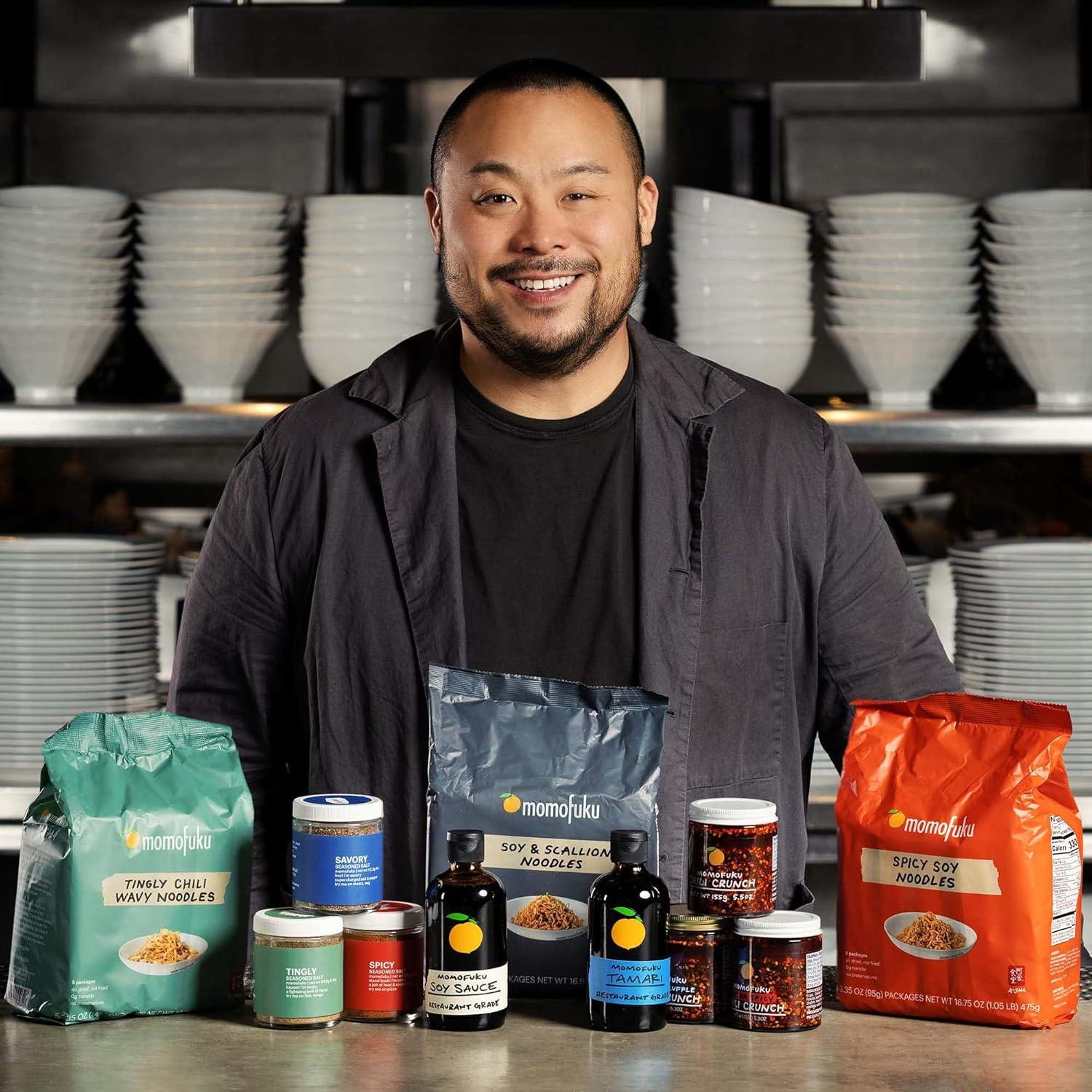
As we look at David Chang in 2026, he has transitioned from being a "chef in the kitchen" to a "mogul of taste." While he has stepped back from the day-to-day operations of many of his restaurants, his origin story remains the engine of his brand. His company, Momofuku Goods, now brings the flavors of his background—such as chili crunch and soy sauces—into home kitchens across the globe.
His background is characterized by a constant state of evolution. He has moved from a kid in Virginia trying to fit in, to a chef in New York trying to stand out, to a global media figure trying to change how we think about what we eat.
Frequently Asked Questions
Is David Chang originally from Korea? No, David Chang was born in the United States. He was born in Vienna, Virginia, in 1977. However, he is of Korean descent; both of his parents immigrated to the U.S. from Korea. He spent time living and working in Japan during his early adulthood, which heavily influenced his cooking, but his nationality is American.
What does "Momofuku" mean in relation to his background? "Momofuku" translates to "Lucky Peach" in Japanese. It is also a tribute to Momofuku Ando, the inventor of instant ramen. The name reflects Chang’s fascination with Japanese food culture and his desire to elevate a dish (ramen) that was often dismissed as low-brow in the West.
Did David Chang go to culinary school? Yes, he attended the French Culinary Institute (now known as the International Culinary Center) in New York City. This provided him with a foundation in classical French techniques, which he later blended with the Asian flavors of his heritage.
What was David Chang’s first job? After graduating from college with a degree in Religious Studies, he worked several non-culinary jobs, including teaching English in Japan and working as a "runner" in finance. His first major professional kitchen roles were at Mercer Kitchen and Craft in New York City before he moved to Japan to work in a ramen shop.
How has David Chang’s background influenced his media work? His experience as a Korean-American in a predominantly white suburb shaped his interest in the "intersectionality" of food. In his shows like Ugly Delicious, he often explores how migration, racism, and geography shape what we eat, drawing directly from his own feelings of being an outsider during his youth.
Summary of Origin and Recommendations
To fully understand David Chang's origin and background, one must look at the intersection of his Korean heritage, his Virginia upbringing, and his New York professionalization. He is the quintessential example of the "New American" chef—one who does not see a conflict between their ancestral culture and their American reality, but rather uses that tension to create something entirely new.
Next Actions for Readers:
- Read his Memoir: For a deep, first-person dive into his background, read Eat a Peach (2020). It offers an unfiltered look at his family, his education, and his mental health struggles.
- Explore his Media: Watch Ugly Delicious on Netflix to see how he applies his background to global food issues.
- Experience the Flavors: If you cannot visit a Momofuku restaurant (such as Noodle Bar or Majordomo), explore the Momofuku Goods line of pantry staples, which represents his current focus on bringing chef-quality Asian-American flavors to the home cook.
Image Gallery
Select an image to open it in a new tab.
Ingrid Bjornson
Global Cyber Policy and Regulation Analyst
