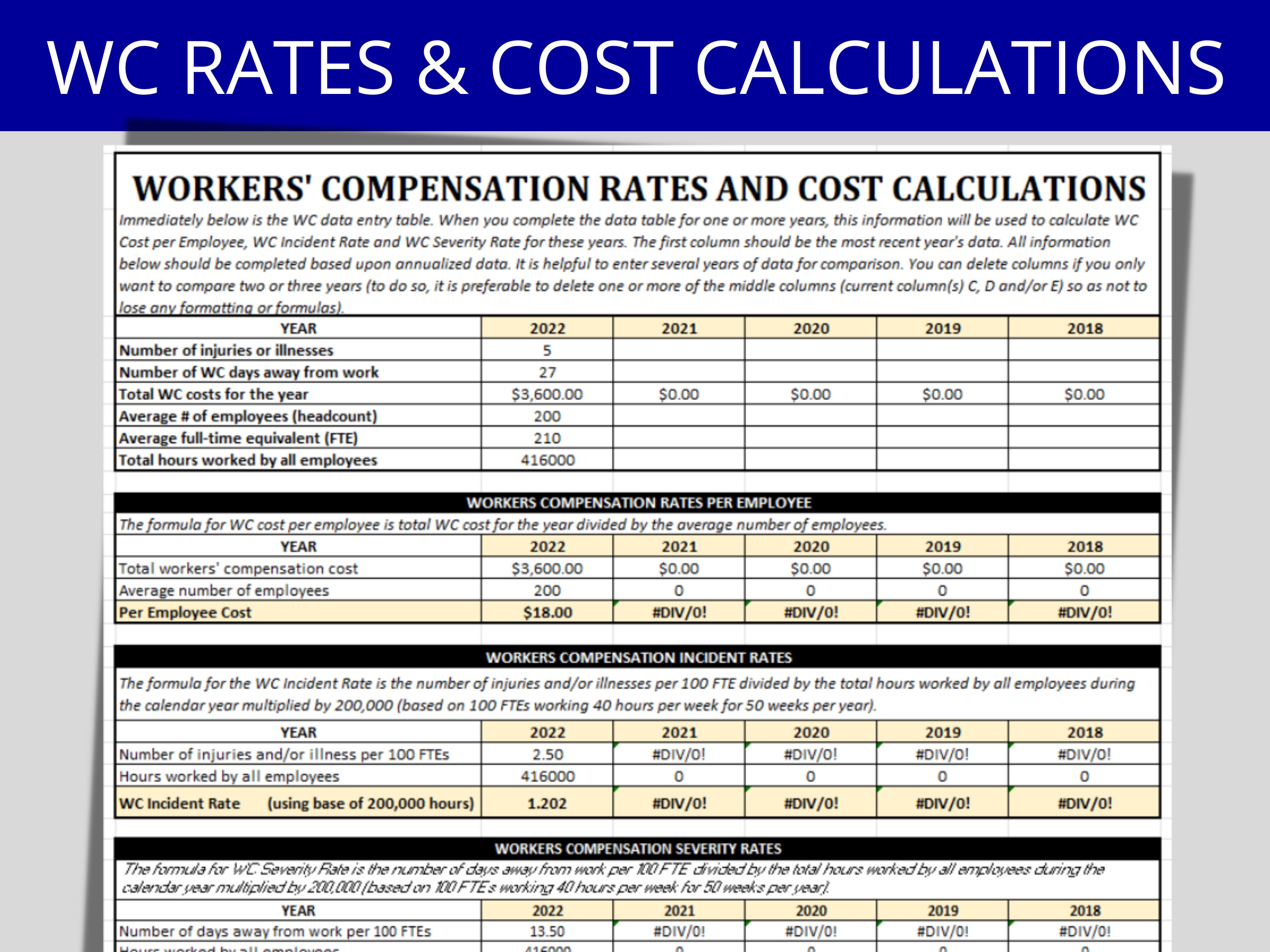
Selecting an appropriate deductible for workers compensation insurance requires a strategic balance between immediate cash flow management and long-term financial risk mitigation. A deductible in this context acts as a contractual agreement where the employer agrees to pay a predetermined portion of a claim—covering medical expenses or indemnity benefits—before the insurance carrier’s coverage takes effect. Because workers compensation is a mandatory, regulated form of insurance, the availability, structure, and calculation of these deductibles are heavily influenced by state-specific statutes and the individual risk profile of your business.
Understanding the Mechanism of Workers Compensation Deductibles
Unlike general liability or property insurance, where a deductible is a straightforward out-of-pocket cost for a single event, workers compensation deductibles operate within a framework of legal compliance and complex administrative processing. In most jurisdictions, when a business chooses a policy with a deductible, the insurer remains responsible for administering the claim and making payments to the injured employee for the full amount of the loss. The employer then reimburses the insurance carrier for the deductible portion.
This "first-dollar" processing ensures that the injured worker is not caught in the middle of a billing dispute between the employer and the insurer. It guarantees that benefits are delivered promptly according to statutory timelines, while the financial reconciliation between the insurer and the policyholder happens on the backend. When evaluating what is "appropriate," an organization must weigh the premium savings—typically offered as a credit for assuming this risk—against the volatility of their own loss experience and their internal capacity to absorb sudden, unplanned expenses.
Legal and Regulatory Constraints by Jurisdiction
The fundamental hurdle in selecting a deductible is the regulatory environment. Not every state allows for the same deductible structures, and some do not permit them for smaller risks at all.
- State Statutory Limits: Every state has a governing body, typically the Department of Insurance or a Workers’ Compensation Board, that dictates the minimum and maximum deductible amounts allowed. Some states may prohibit deductibles entirely for specific types of businesses to ensure consistent coverage for employees.
- Minimum Premium Requirements: Carriers often require a minimum total premium before they will offer a deductible option. This is to ensure that the employer has enough "skin in the game" and sufficient financial stability to cover their share of a potentially large loss.
- Financial Qualification: Larger companies may be asked to demonstrate financial solvency—often through audited financial statements or letters of credit—to ensure they can fulfill their reimbursement obligations to the insurer during the policy term.
Before moving forward with a high-deductible plan, it is essential to review the statutes in the state where your operations are based. Attempting to negotiate a deductible structure that is not recognized in your primary state of operation will result in an invalid policy that fails to meet legal requirements.
Analyzing the Trade-off: Premium Credits vs. Retained Risk
The primary driver for choosing a deductible is the premium credit. Carriers provide a discount on the base premium because the employer is effectively self-insuring a portion of their risk. However, this is not "free" money; it is a transfer of volatility.
- Premium Savings: Generally, the higher the deductible, the lower the annual premium. For businesses with excellent safety records and very low claim frequency, this can result in substantial annual savings.
- The Cost of Risk: If an employer chooses a $10,000 deductible but experiences several small, frequent claims, the aggregate cost of those reimbursements may quickly exceed the amount saved on premiums.
- Cash Flow Timing: Insurance premiums are fixed costs usually paid in installments. Deductible payments, however, are unpredictable and occur whenever a claim arises. A business must ensure it has sufficient liquidity to cover these "spot" costs without disrupting operational budgets.
Comparative Analysis Table: Deductible Impact
| Deductible Level | Premium Impact | Risk Retention | Operational Suitability |
|---|---|---|---|
| Zero (First Dollar) | Highest | None | Small businesses with limited liquid capital. |
| Low ($1k - $5k) | Moderate Reduction | Minimal | Companies with stable, predictable risk profiles. |
| Medium ($10k - $25k) | Significant Reduction | Moderate | Mid-sized firms with robust safety protocols. |
| High ($50k+) | Maximum Reduction | Substantial | Large enterprises with internal claims oversight. |
Assessing Internal Risk Management Maturity
An appropriate deductible is not merely a financial calculation; it is a reflection of your company’s internal risk management maturity. If your organization lacks a formal safety program, rigorous incident reporting, or a return-to-work initiative, selecting a high deductible is a hazardous move.
Safety Program Efficacy: If you cannot prevent minor incidents from turning into major claims, you will be paying your deductible repeatedly. A high deductible is only appropriate for firms that have identified the root causes of their accidents and successfully lowered their frequency of losses.
Claims Handling Infrastructure: With a deductible, you are essentially a participant in the claims process. You must have the administrative capacity to track these reimbursements, manage the impact on your experience modification rating (E-Mod), and maintain records for future audits. If your human resources or accounting department is already stretched, the administrative burden of tracking multiple small-to-mid-sized deductibles may outweigh the premium savings.
Common Mistakes in Deductible Selection
Many employers fall into the trap of selecting a deductible based solely on the upfront premium savings, ignoring the long-term cost of claims.
- Overestimating Liquidity: Businesses often underestimate the impact of multiple claims occurring in close succession. If three employees are injured within the same quarter, a $10,000 deductible for each would result in a $30,000 immediate cash outflow.
- Ignoring Experience Modification (E-Mod): A common misconception is that paying for a claim through a deductible removes that incident from your E-Mod calculation. In most jurisdictions, the full cost of the claim (before the deductible is applied) is reported to the rating bureau. Therefore, your E-Mod will likely still rise, regardless of whether you or the insurer paid the initial portion of the medical bill.
- Failing to Consult with Actuarial Data: Before finalizing a deductible, request a "loss run" report from your current provider. Analyze your history of claim costs. If your average claim cost is $4,000, choosing a $5,000 deductible makes little sense, as you will essentially be paying for the entirety of most claims yourself while still paying the administrative costs of an insurance policy.
The Role of Collateral and Letters of Credit
When you opt for a significant deductible, the insurance carrier is extending credit to you. Because the insurer is legally obligated to pay the worker regardless of your financial health, they view your deductible reimbursement as a credit risk.
For larger deductibles, insurers will often require collateral. This is typically held in the form of a Letter of Credit (LOC) or a cash deposit. This adds a layer of complexity to the transaction. You are not only managing the risk of the claims themselves but also the cost of securing that credit. Before selecting a high-deductible plan, check with your financial institution regarding the fees associated with issuing an LOC to your insurance carrier. In some instances, the cost of the bank fees can cannibalize the savings realized from the lower workers compensation premium.
Best Practices for Periodic Review
An "appropriate" deductible is not a static decision. It should be reviewed annually alongside your policy renewal.
- Annual Loss Review: Compare your premium savings against your actual paid losses for the previous 24 to 36 months. If you are consistently paying out more in deductible reimbursements than you are saving in premium credits, it is time to lower your deductible.
- Market Shifts: The workers compensation market is cyclical. During "soft" market conditions, insurers may offer more aggressive pricing, making the deductible less attractive. During "hard" markets, where premiums are rising, a higher deductible might be the only way to keep your annual insurance spend within budget.
- Operational Changes: If you have expanded into new states or added high-risk job roles to your workforce, your risk profile has shifted. Re-evaluate your deductible levels to ensure they align with the increased potential for claim volatility.
Frequently Asked Questions
Does a higher deductible lower my E-Mod? No. In most states, the E-Mod is calculated based on the total incurred loss of a claim, regardless of the deductible amount. The insurance carrier reports the full claim value to the rating bureau, so assuming a deductible does not hide the claim from your experience history.
What happens if I cannot pay the deductible reimbursement? This is a breach of your insurance contract. The insurance carrier, having paid the injured worker, will pursue collections against your company. Furthermore, it may result in the cancellation of your policy for non-payment, which can lead to severe legal penalties for operating without mandated coverage.
Are there tax implications for deductible payments? Generally, workers compensation premiums and deductible payments are considered business expenses. However, you should consult with your tax advisor to understand how these payments are treated in your specific jurisdiction and for your specific corporate structure.
Can I change my deductible during the policy term? Typically, no. The deductible is an endorsement to the policy that is locked in at the inception of the contract. Any changes would usually need to wait until the policy renewal date, unless there is a material change in your business operations that triggers a midterm re-rating.
Is there a "sweet spot" for most small businesses? For many small to mid-sized firms, a modest deductible in the $1,000 to $2,500 range provides a reasonable premium credit without creating catastrophic cash flow pressure. This allows for a "cushion" while keeping the impact of a single major loss manageable.
Final Recommendation
To determine the most appropriate deductible for your business, start by generating a three-year historical loss report. Calculate your total claim costs and compare them against the premium quotes provided for various deductible levels. If your organization has the cash reserves to handle a "worst-case scenario" month—defined as the highest frequency of claims you have experienced in any three-month period multiplied by your proposed deductible—then a higher deductible may be viable. If your cash flow is tight or your industry is subject to high-severity accidents, err on the side of a lower deductible or a first-dollar policy. Always consult with a licensed insurance broker who specializes in your specific industry, as they can provide benchmarking data that compares your deductible strategy against similar companies in your sector.
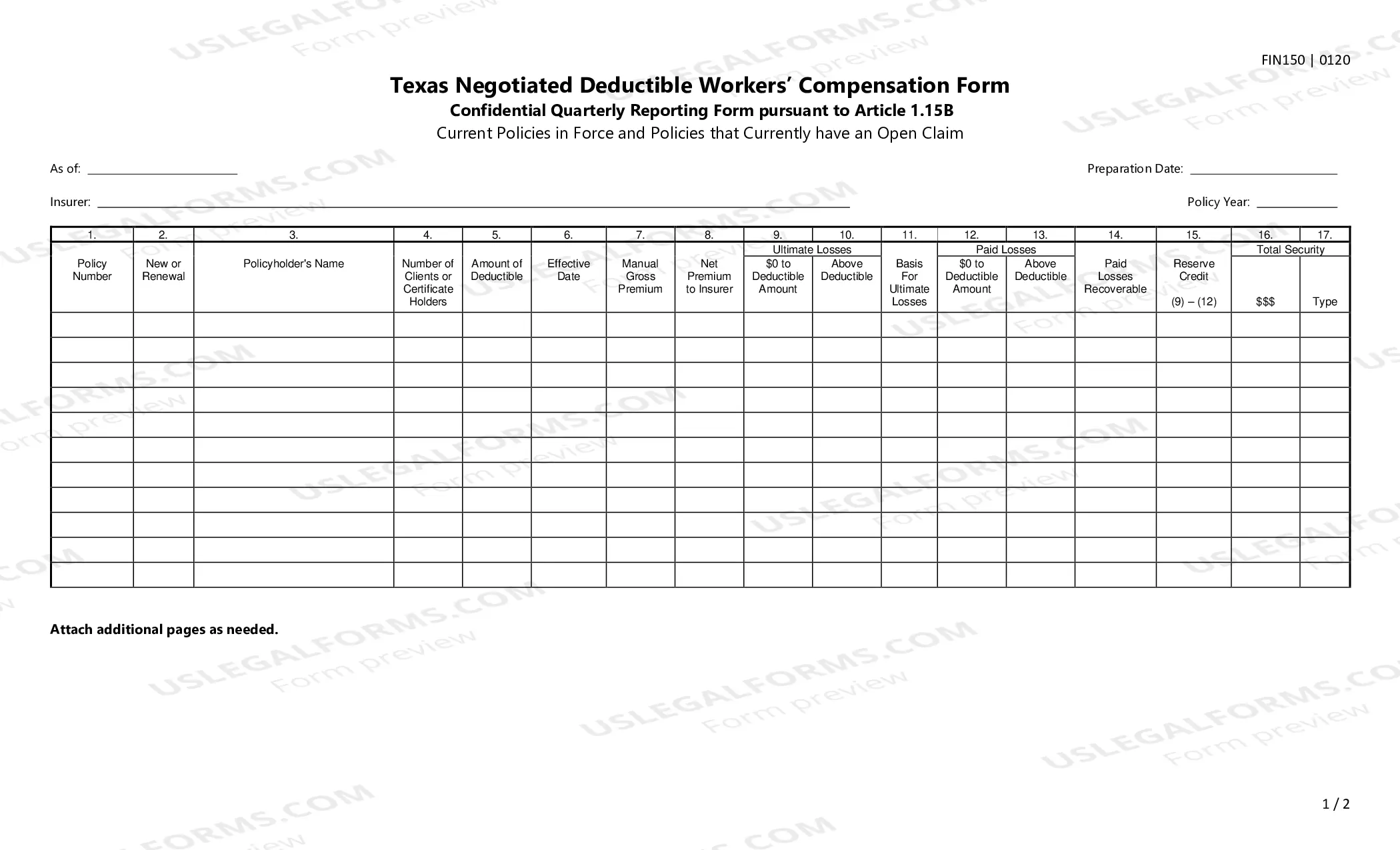
Image Gallery
Select an image to open it in a new tab.

Celine Dubois
Contemporary Living and Global Arts Columnist
