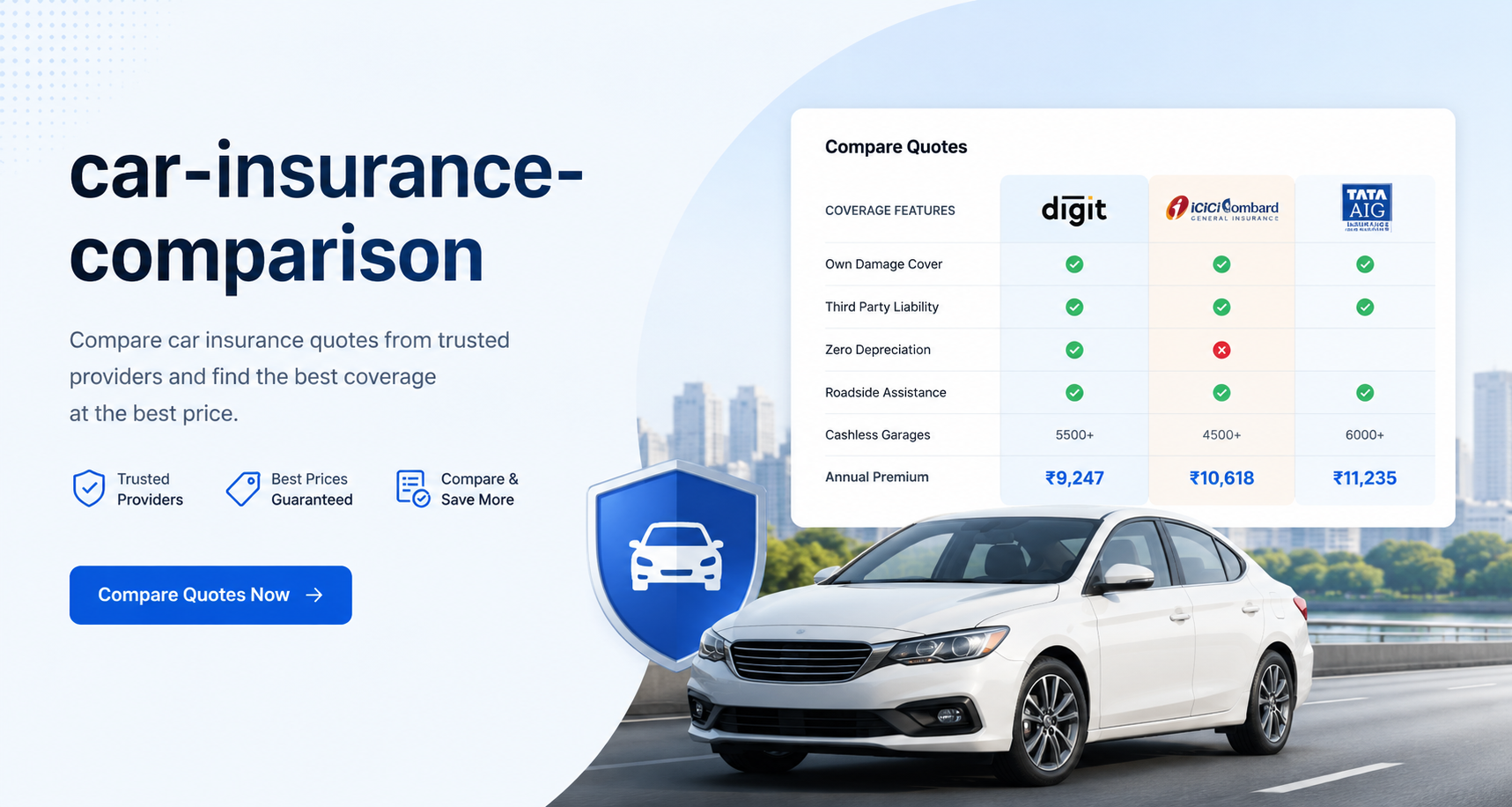
Comparing car insurance quotes in Massachusetts requires navigating a unique regulatory environment characterized by state-mandated coverage minimums and a competitive, risk-rated pricing model. By systematically gathering consistent personal data, understanding the state’s specific "Compulsory" versus "Optional" insurance layers, and utilizing standardized comparison tools, you can identify a policy that meets legal requirements while minimizing your premium costs.
Understanding the Massachusetts Auto Insurance Landscape
Massachusetts operates under a managed competition system. Unlike some states where the government sets fixed rates, Massachusetts allows insurance companies to set their own prices based on their individual risk assessment models. However, the coverage requirements are highly standardized by the Division of Insurance (DOI).
Because every insurer must offer the same basic "Massachusetts Automobile Insurance Policy" structure, you are comparing apples to apples regarding the legal contract. The primary variables during your comparison will be the insurance company’s specific rating factors, their customer service track record, and the availability of optional coverages.
The Components of Your Policy
Before requesting quotes, you must understand the four distinct parts of the standard Massachusetts policy:
- Compulsory Insurance: This is the bare minimum required by law to register your vehicle. It includes Bodily Injury to Others, Personal Injury Protection (PIP), Bodily Injury Caused by an Uninsured Auto, and Damage to Someone Else’s Property.
- Optional Bodily Injury: This increases your coverage limits beyond the compulsory minimums, protecting your personal assets in the event of a significant liability claim.
- Medical Payments: This covers medical expenses for you and your passengers regardless of who is at fault, often filling gaps left by PIP or your private health insurance.
- Collision and Comprehensive: These cover damage to your own vehicle. Collision pays for accidents, while Comprehensive covers non-collision events like theft, fire, or vandalism.
Preparation: Information You Need for Accurate Quotes
Insurance carriers utilize a sophisticated algorithm to determine your premium. If the data you provide to different companies is inconsistent, your quotes will not be comparable. To get a true baseline, organize the following documents before you begin your search:
- Vehicle Identification Number (VIN): Many insurers use this to pull safety feature data directly, which can lower your comprehensive premium.
- Driver History: Have your license number and the dates of any accidents or moving violations from the last six years ready.
- Annual Mileage: Estimate your annual driving distance accurately. Overestimating can result in higher quotes, while underestimating can lead to premium adjustments later.
- Current Declarations Page: If you are already insured, keep your current "decs" page handy. This document lists your current limits and deductibles, serving as the best benchmark for your new quotes.
Step-by-Step Comparison Strategy
Finding the right policy is a process of filtration. Do not simply look for the lowest price; look for the best value based on your risk profile.
1. Define Your Coverage Requirements
Decide on your limits before you start. A common mistake is selecting the lowest possible limit to save money, only to face massive personal liability after an accident. If you have significant assets, consider higher liability limits (e.g., 100/300/100 coverage).
2. Utilize Multiple Channels
You should obtain quotes from at least three different sources to get a fair market view:
- Captive Agents: These represent one specific company. They are useful for understanding the nuances of that company’s specific discounts.
- Independent Agents: These brokers represent multiple insurance carriers and can run quotes from several providers at once.
- Direct-to-Consumer Websites: Many insurers allow you to quote directly online. This is often the fastest method but requires you to enter your data repeatedly.
3. Account for "Bundling"
In Massachusetts, the most significant discount available is typically the "Account Credit" or "Bundling" discount. If you carry your homeowners or renters insurance with the same carrier that provides your auto insurance, you can often save 5% to 15% on your auto policy. Always run a quote with and without bundling to see if the total cost of your insurance portfolio is lower.
Factors That Influence Your Massachusetts Premiums
Your quote is not random; it is a calculated reflection of risk. Understanding these factors can help you troubleshoot why a particular quote might be high.
| Factor | Impact on Premium | Description |
|---|---|---|
| Driving History | High | Recent accidents and points on your license significantly increase premiums. |
| Garaging Address | Moderate | Insurance rates vary by town; urban areas typically see higher theft and accident rates. |
| Vehicle Age/Value | Moderate | Newer, high-value cars cost more to insure for collision/comprehensive. |
| Credit-Based Scoring | Low/Varied | Massachusetts limits the use of credit scores in auto insurance, but some carriers consider specific financial markers. |
| Annual Mileage | Low | Lower mileage often qualifies for "low-usage" or "pay-as-you-drive" discounts. |
Evaluating Insurance Carriers Beyond Price
When comparing quotes, the "lowest price" can sometimes be a trap if the company has a poor reputation for claims handling. In Massachusetts, you can verify an insurance company’s standing through the Division of Insurance. Look for:
- Financial Strength Ratings: Check ratings from independent agencies like AM Best to ensure the company has the liquidity to pay out large claims.
- Complaint Records: The Massachusetts DOI publishes consumer complaint data. An insurer with a high volume of complaints regarding claims denials should be treated with caution, regardless of the premium savings.
- Accessibility: Does the company offer a mobile app for claims submission? Is there 24/7 customer support? In an emergency, these features provide value that outweighs a small difference in annual premium.
Common Mistakes When Comparing Quotes
- Ignoring Deductibles: If one quote has a $500 deductible and another has a $1,000 deductible, they are not comparable. Adjust all quotes to have the same deductible to see the true price difference.
- Omitting Household Drivers: Failing to list a licensed teen or spouse who lives with you can lead to a policy cancellation or a claim denial later.
- Forgetting Optional Coverage: If you have an older car, you might decide to drop collision and comprehensive coverage. Ensure you are applying this decision consistently across all quotes.
- Misinterpreting "Limited Tort" vs. "Full Tort": While Massachusetts is a "No-Fault" state, the distinction between your ability to sue for pain and suffering remains a critical coverage choice. Choose the same level of protection for every quote.
Frequently Asked Questions
Does my credit score affect my car insurance rate in Massachusetts? Unlike many other states, Massachusetts law restricts the use of credit scores in determining auto insurance premiums. Insurers must focus primarily on your driving record and vehicle information, though they may use other non-credit-related factors to determine your risk profile.
What is the "Mass-Auto" insurance plan? If you are unable to find an insurance carrier to cover you due to a poor driving record or other risk factors, you may be eligible for the Massachusetts Automobile Insurance Plan. This is a "residual market" mechanism that ensures all drivers can obtain coverage, though it often comes at a higher price than the voluntary market.
Should I use an insurance aggregator website? Aggregator websites are useful for a quick snapshot of the market, but be aware that they often sell your contact information to multiple agents. Use them for preliminary research, but contact insurance carriers directly or through a local independent agent to finalize your policy details.
How often should I compare my insurance quotes? You should compare your insurance quotes at least every two years or whenever you have a "life event," such as moving to a new town, adding a driver to your policy, or buying a new vehicle. Rates can change as companies adjust their internal risk appetites.
Does a clean driving record guarantee the lowest rate? Not necessarily. While a clean record is the best way to keep rates low, different insurers weigh specific violations differently. One company may penalize a minor speeding ticket more heavily than another, while the second company may have higher base rates for your specific zip code. Shopping around is still essential.
Final Recommendation: The "Comparison Grid" Approach
To make the most objective decision, create a simple spreadsheet or grid before you sit down to compare quotes. List the following categories as your columns: Liability Limits, Deductibles, PIP/Medical Coverage, Annual Premium, and Optional Add-ons (e.g., Rental Reimbursement).
Input the data from your quotes into this grid. By normalizing the deductibles and limits, you will immediately see which company offers the best financial value. Once you have narrowed it down to the top two or three providers, call their local agents. Often, the human interaction can reveal additional discounts for professional memberships, alumni groups, or safety courses that the online portal did not automatically apply. Finally, prioritize companies that demonstrate a robust, accessible claims process, as the true value of your insurance policy is revealed when you need it most.
Image Gallery
Select an image to open it in a new tab.
Akira Tanaka
International Academic Trends Correspondent
