
The Ukrainian Soviet Socialist Republic (UkrSSR), commonly referred to as the Ukraine Socialist Republic, was a founding constituent republic of the Soviet Union from 1922 until its dissolution in 1991. It functioned as a highly centralized administrative entity under the control of the Communist Party, yet it maintained a distinct legal identity, including its own seat at the United Nations.
To understand modern Ukraine as it exists in 2026, one must first dissect the complex layers of the UkrSSR. This entity was not merely a province of a larger empire; it was a complex geopolitical construct that balanced intense industrialization and cultural suppression with periods of "Ukrainization" and territorial expansion. The history of the UkrSSR explains the current borders of Ukraine, the industrial foundations of the Donbas, and the deep-seated historical grievances that continue to shape Eastern European politics today.
The Revolutionary Origins (1917–1922)
The birth of the Ukraine Socialist Republic was marked by extreme volatility following the collapse of the Russian Empire in 1917. While the Ukrainian People's Republic (UNR) sought independence, the Bolsheviks established a competing government. The resulting Ukrainian–Soviet War (1917–1921) was a multi-faceted conflict involving the Red Army, the White Army, various Ukrainian nationalist factions, and foreign intervention.
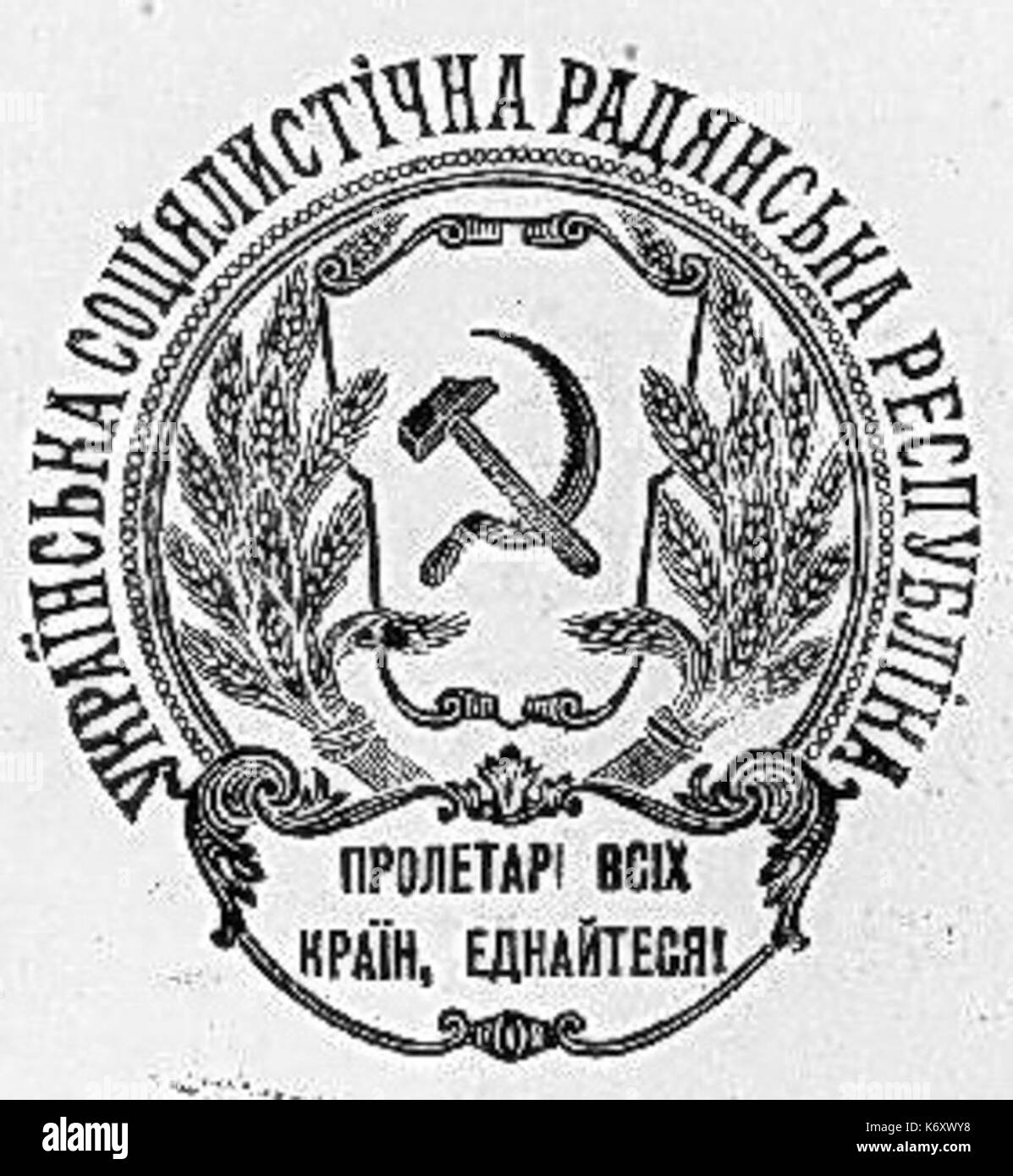
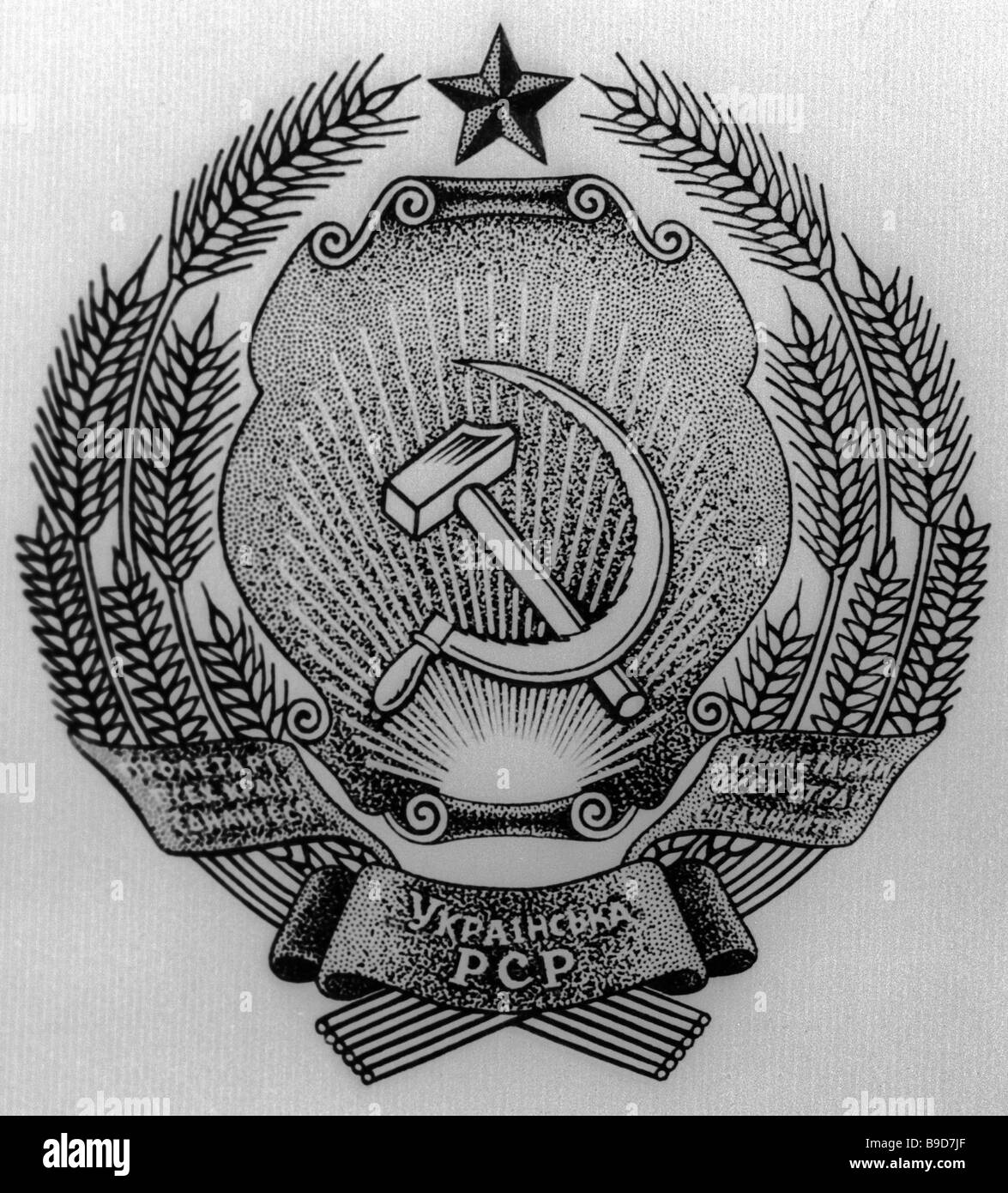
In 1919, the Bolsheviks firmly established the Ukrainian Socialist Soviet Republic (the name was later reversed to Ukrainian Soviet Socialist Republic in 1936). The capital was initially located in Kharkiv, which served as the administrative center of the pro-Bolshevik forces before moving to Kyiv in 1934. The formalization of the republic occurred with the 1922 Treaty on the Creation of the USSR, making Ukraine one of the four original signatories alongside the Russian SFSR, the Transcaucasian SFSR, and the Byelorussian SSR.
Political Structure and the Role of the Communist Party
On paper, the UkrSSR was a sovereign state with the right to secede from the Union. In reality, power was strictly vertical. The Communist Party of Ukraine (CPU) was a branch of the Communist Party of the Soviet Union (CPSU). All major decisions—from agricultural quotas to the appointment of local officials—originated in the Moscow Politburo.
The governance structure consisted of:
- The Supreme Soviet of the UkrSSR: The highest legislative body, which met infrequently to rubber-stamp decisions made by the party leadership.
- The Council of Ministers: The executive branch responsible for the day-to-day administration of the republic’s economy and social services.
- The First Secretary of the CPU: The most powerful individual in the republic, often acting as a bridge between the local elite and the central leadership in Moscow.
Despite this centralization, Ukraine occupied a unique position. Because of its size, population, and economic importance, the First Secretary of the Ukrainian Communist Party often held a seat on the Union-level Politburo, giving Ukraine a significant voice in Soviet internal affairs compared to smaller republics like Estonia or Moldova.

The Paradox of the 1920s: Ukrainization
During the 1920s, the Soviet leadership under Lenin pursued a policy known as Korenizatsiya (indigenization). In Ukraine, this was known as Ukrainization. The goal was to embed Soviet ideology within local cultures to make the revolution more palatable to non-Russian populations.
During this brief window:
- Language: The Ukrainian language was promoted in schools, government offices, and the press.
- Culture: Ukrainian literature, theater, and art flourished, leading to a period now known as the "Executed Renaissance."
- Administration: Ethnic Ukrainians were encouraged to take positions within the state and party apparatus.
This era proved that the UkrSSR could foster a distinct national identity within a socialist framework. However, by the late 1920s, Joseph Stalin viewed this burgeoning nationalism as a threat to centralized control. The policy was abruptly reversed, and the intellectual elite who led the movement were largely executed or imprisoned in the 1930s.
Industrialization and the Great Famine (Holodomor)
The 1930s were perhaps the most transformative and tragic decade for the Ukraine Socialist Republic. Under Stalin’s First Five-Year Plan, Ukraine was designated as the industrial and agricultural backbone of the USSR. This led to the rapid development of the Donbas region into a coal and steel powerhouse and the construction of the Dnieper Hydroelectric Station (DniproHES).
However, the forced collectivization of agriculture led to the Holodomor (1932–1933). The Soviet government imposed impossible grain requisition quotas on Ukrainian peasants. When these quotas were not met, the state confiscated all food supplies. The resulting man-made famine killed millions of Ukrainians.
Modern historians and many international bodies recognize the Holodomor as an act of genocide. It fundamentally altered the demographic landscape of the UkrSSR, as many depopulated rural areas were subsequently resettled by ethnic Russians, particularly in the eastern and southern regions. This demographic shift created long-term linguistic and political complexities that persisted well into the 21st century.
World War II and Territorial Expansion
World War II, known in Soviet historiography as the Great Patriotic War, devastated the UkrSSR but also significantly expanded its borders. Ukraine was one of the most heavily affected regions; it was entirely occupied by Nazi Germany, and millions of its citizens, including its Jewish population during the Holocaust, were killed.
The war's conclusion resulted in several major territorial changes that define Ukraine's modern map:
- Western Ukraine: Territories that were part of Poland (Galicia and Volhynia) were incorporated into the UkrSSR in 1939 and 1944.
- Northern Bukovina: Acquired from Romania.
- Zakarpattia (Carpathian Ruthenia): Acquired from Czechoslovakia in 1945.
In 1954, under the leadership of Nikita Khrushchev, the Crimean Oblast was transferred from the Russian SFSR to the Ukrainian SSR to mark the 300th anniversary of the Treaty of Pereyaslav. At the time, this was largely an administrative move for economic and logistical reasons, as Crimea was geographically tied to the Ukrainian mainland for water and electricity.
Territorial Evolution of the UkrSSR
| Period | Territory Added/Changed | Source Country/Entity |
|---|---|---|
| 1922 | Core Central and Eastern Ukraine | Formation of USSR |
| 1939 | Western Ukraine (Galicia, Volhynia) | Partition of Poland |
| 1940 | Northern Bukovina, Southern Bessarabia | Romania |
| 1945 | Zakarpattia (Transcarpathia) | Czechoslovakia |
| 1954 | Crimea | Russian SFSR (Internal Transfer) |
The UkrSSR in the International Arena
A unique feature of the Ukraine Socialist Republic was its status as a founding member of the United Nations in 1945. Stalin insisted that the Soviet Union receive multiple votes in the UN General Assembly to counter the influence of the Western bloc. As a result, both Ukraine and Byelorussia (Belarus) were granted separate seats from the USSR.
While the UkrSSR’s foreign policy was entirely dictated by Moscow, this membership provided the republic with a formal international standing that other Soviet republics (except Belarus) lacked. It meant that the UkrSSR had its own Ministry of Foreign Affairs and participated in international treaties, a legal precedent that simplified Ukraine's transition to full independence in 1991.
The Khrushchev and Brezhnev Eras (1953–1982)
Following Stalin's death, the UkrSSR experienced a period of relative stability but differing political climates.
- The Thaw: Under Khrushchev, there was a minor relaxation of censorship. The "Sixtiers" (Shistdesiatnyky) emerged—a generation of Ukrainian intellectuals who advocated for cultural freedom and the protection of the Ukrainian language.
- The Stagnation: Under Leonid Brezhnev (who had strong ties to the Dnipropetrovsk region of Ukraine), the republic became a model of the "Soviet way of life." However, this was accompanied by a renewed "Russification" policy, where the Russian language was promoted as the language of science, technology, and upward mobility, often at the expense of Ukrainian.
Economically, Ukraine was a vital component of the Soviet military-industrial complex. Cities like Dnipro (then Dnipropetrovsk) were "closed cities" due to their role in manufacturing intercontinental ballistic missiles and space technology.
The Chernobyl Disaster and the Path to Independence
The turning point for the UkrSSR came on April 26, 1986, with the explosion of the No. 4 reactor at the Chernobyl Nuclear Power Plant. The Soviet central government's initial attempts to conceal the scale of the disaster from the Ukrainian public caused an irreversible rift.
The disaster acted as a catalyst for:
- Ecological Activism: The "Green World" association became one of the first legal opposition movements.
- Political Awakening: People began to question the competence of the central Moscow leadership.
- Glasnost: Mikhail Gorbachev's policy of "openness" allowed Ukrainians to discuss the Holodomor and other historical traumas for the first time in decades.
By 1989, the People's Movement of Ukraine (Rukh) was formed, pushing for democratic reforms and sovereignty. On July 16, 1990, the Supreme Soviet of the UkrSSR adopted the Declaration of State Sovereignty of Ukraine, asserting the primacy of Ukrainian laws over Soviet laws.
The Dissolution of the UkrSSR (1991)
The formal end of the Ukraine Socialist Republic occurred in late 1991. Following the failed August coup in Moscow, the Ukrainian parliament (Verkhovna Rada) issued the Act of Declaration of Independence of Ukraine on August 24, 1991.
To ensure the legitimacy of this declaration, a national referendum was held on December 1, 1991. The results were overwhelming:
- 90.3% of voters supported independence.
- Support was high even in regions with significant ethnic Russian populations, such as Crimea (54%) and Donetsk (83%).
The UkrSSR officially ceased to exist on December 26, 1991, when the Soviet Union was formally dissolved. The independent state of Ukraine inherited the borders, the UN seat, and the complex industrial and social infrastructure of the republic.
Frequently Asked Questions
Was the Ukraine Socialist Republic a truly independent country?
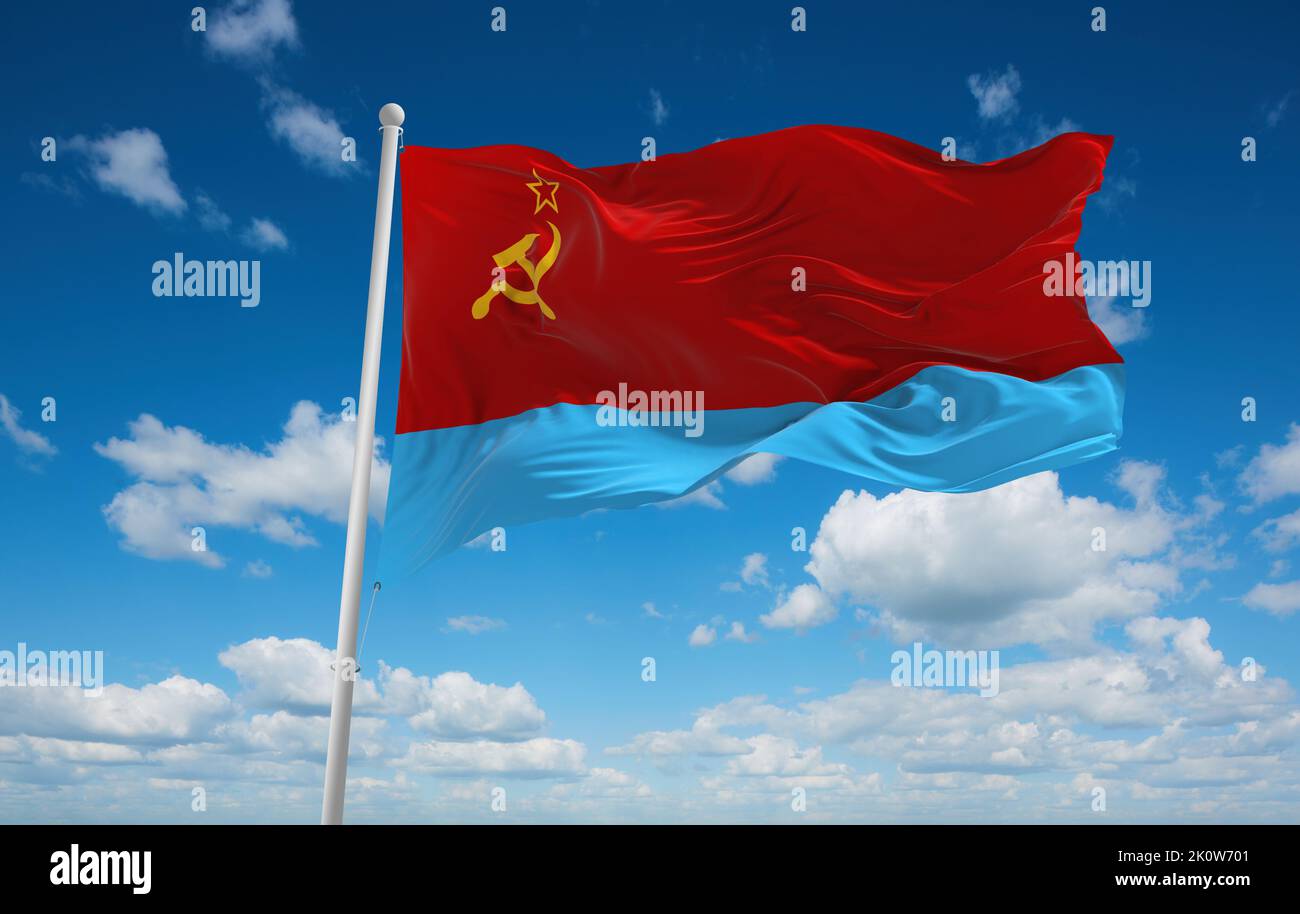
No. While it had the legal trappings of a state—including a flag, a constitution, and a UN seat—it was a constituent republic of the USSR. All strategic political, military, and economic decisions were made by the central government in Moscow. It became a truly independent state only in 1991.
Why was the capital moved from Kharkiv to Kyiv?
The Bolsheviks initially chose Kharkiv in 1919 because it was a more proletarian, industrial city with stronger support for the Red Army. Kyiv was seen as the heart of Ukrainian nationalism. The capital was moved back to Kyiv in 1934 to better consolidate control over the historic center of Ukraine and to signal the permanence of Soviet rule over the entire territory.
Did the UkrSSR have its own military?
For most of its history, it did not. The Soviet Armed Forces were a unified entity controlled by the Ministry of Defense in Moscow. However, in 1944, as a diplomatic maneuver to justify its UN seat, the USSR briefly granted republics the right to have their own military formations, though this remained largely symbolic and was never fully implemented in practice.
What was the official language of the UkrSSR?
The official status of languages fluctuated. During the 1920s, Ukrainian was promoted. From the 1930s through the 1980s, Russian became the de facto language of administration and higher education, though Ukrainian remained an "official" language and was taught in schools. In 1989, a law was passed making Ukrainian the sole official state language of the republic, a major step toward independence.
How did the UkrSSR impact modern Ukraine's borders?
Modern Ukraine’s borders are almost identical to those of the UkrSSR at the time of its dissolution in 1991. The Soviet period saw the incorporation of Western Ukraine, Zakarpattia, and Crimea, creating the territorial integrity that Ukraine maintains (and defends) under international law today.
Practical Legacy and Next Steps
The legacy of the Ukraine Socialist Republic is visible in the physical and social fabric of modern Ukraine. From the massive housing blocks (Khrushchyovkas) found in every city to the specialized industrial clusters of the east, the Soviet era built the infrastructure that the independent nation continues to utilize and modernize.
For those researching this topic in 2026, it is essential to distinguish between the state structures of the UkrSSR and the cultural identity of the Ukrainian people. While the republic was a Soviet administrative tool, it also preserved a territorial and legal framework that allowed for the eventual emergence of a sovereign, democratic Ukraine.
For a deeper understanding of specific primary documents from this era, researchers should consult the State Archival Service of Ukraine or the Wilson Center's Digital Archive for translated Soviet-era records. Understanding the UkrSSR is not just a study of the past; it is a prerequisite for navigating the political and territorial complexities of the present day.
Image Gallery
Select an image to open it in a new tab.



Ingrid Bjornson
Global Cyber Policy and Regulation Analyst
