The Ryan White Story in Context: Understanding the CARE Act and Its Lasting Legacy

The Ryan White story is defined by the transformation of a teenager’s struggle against public stigma into the foundation for the largest federally funded HIV/AIDS program in the United States. By situating his personal experience within the broader legislative and clinical environment of the late 1980s, we can understand how his advocacy forced a shift in how the nation views public health, patient rights, and the equitable delivery of medical care.
The Personal Experience of Ryan White
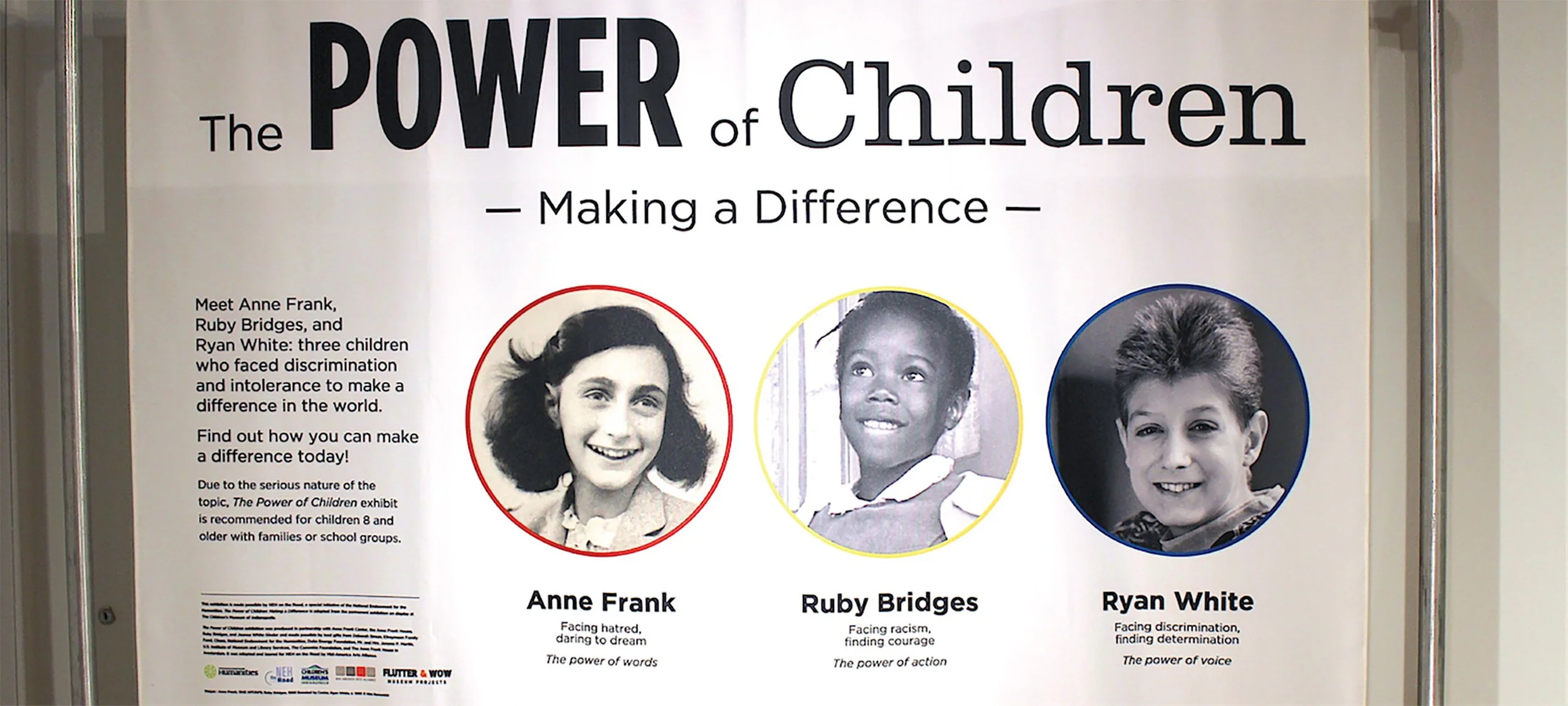
In 1984, Ryan White, a 13-year-old hemophiliac living in Kokomo, Indiana, was diagnosed with AIDS following a blood transfusion. At a time when the medical community and the public at large held profound misunderstandings about how HIV was transmitted, White’s diagnosis triggered a wave of fear and exclusion. His local school board barred him from attending classes, leading to a lengthy legal battle that White eventually won.
However, the legal victory did not equate to social acceptance. The harassment he and his family faced—including death threats and the vandalism of their home—forced the family to relocate to Cicero, Indiana. The personal toll of this struggle was immense; however, it provided a face to an epidemic that many preferred to ignore. By appearing on national news programs and testifying before the President’s Commission on the HIV Epidemic, White leveraged his personal experience to humanize a condition that was heavily stigmatized, shifting the narrative from one of "moral failing" to one of a public health crisis involving children and families.
The Legislative Catalyst: The Ryan White CARE Act
The momentum generated by Ryan White’s public advocacy culminated in the passage of the Ryan White Comprehensive AIDS Resources Emergency (CARE) Act in 1990. Crucially, this legislation was signed into law just months after White’s death at the age of 18.
The CARE Act was a legislative acknowledgment that the existing healthcare infrastructure could not handle the mounting costs and specialized needs associated with HIV/AIDS. Prior to the Act, many low-income patients relied on emergency rooms for primary care, which was both inefficient and unsustainable. The Act shifted the focus toward a "payer of last resort" model, ensuring that people who lacked insurance or had exhausted their coverage could still access life-saving treatments.
How the CARE Act Functions
The program does not provide medical services directly. Instead, it provides federal funding to states, municipalities, and community-based organizations. These local entities then contract with healthcare providers to deliver services. This structure is intended to allow regions to tailor their responses to the specific needs of their local populations, recognizing that the epidemic affects different communities in distinct ways.

Key Components and Funding Strands
The Ryan White HIV/AIDS Program is organized into several "parts," each designed to address specific service gaps. As of 2026, these remain the operational pillars of the national response:
| Program Part | Target Population/Focus |
|---|---|
| Part A | Eligible Metropolitan Areas (EMAs) with high numbers of cases. |
| Part B | States and territories to provide care and support services. |
| Part C | Community-based clinics providing early intervention services. |
| Part D | Families, infants, children, and youth living with HIV. |
| Part F | Clinical training, dental programs, and special projects. |
The AIDS Drug Assistance Program (ADAP), primarily funded through Part B, is perhaps the most critical component. It provides FDA-approved medications to low-income individuals living with HIV who have little or no health insurance. By ensuring access to antiretroviral therapy (ART), the program has been instrumental in turning HIV from a fatal diagnosis into a manageable chronic condition.
The Shift in Public Perception and Clinical Policy
To understand the Ryan White story in context, one must look at the clinical landscape of the mid-1980s. When White was diagnosed, effective antiretroviral treatments were years away. The early years of the epidemic were marked by palliative care and fear.
White’s presence in the public eye forced policymakers to confront the reality of HIV transmission, specifically that it was not spread through casual contact. His influence helped clear the path for more nuanced discussions regarding blood safety, testing protocols, and non-discrimination in school and workplace environments. This shift in perception was a necessary precursor to the clinical advancements that followed.
By the mid-1990s, the emergence of highly active antiretroviral therapy (HAART) radically changed the prognosis for HIV patients. The Ryan White program adapted to this by pivoting its focus toward continuous, long-term care, retention in treatment, and viral suppression. This transition highlights the program’s resilience; it evolved from a crisis-response mechanism into a structural component of the American public health apparatus.
Challenges and Eligibility Requirements
Accessing services through the Ryan White program requires navigating specific eligibility criteria, which can vary by state and local jurisdiction. Generally, individuals must meet the following to be considered:
- Diagnosis: A documented diagnosis of HIV infection.
- Residency: Proof of residency within the service area (for Part A and B funds).
- Financial Need: Verification of income level and lack of comprehensive health insurance coverage (or "under-insurance").
Operational Limitations
While the program has been a monumental success in reducing morbidity and mortality, it is not without constraints. Because it is a "payer of last resort," it is intended to fill gaps, not replace private insurance or Medicaid. This creates a complex landscape of coordination where patients must often manage multiple funding sources to maintain their care. Furthermore, funding is subject to congressional appropriation cycles, leading to periods of uncertainty regarding the sustainability of specific local initiatives.
Addressing Common Misconceptions
A recurring question in the public discourse involves the relationship between the Ryan White program and broader insurance markets. Many assume that the program provides universal health coverage for HIV; however, this is incorrect. The program is a safety net. If a patient gains access to private insurance or qualifies for Medicaid, those systems become the primary payers. The Ryan White program continues to support these patients by covering deductibles, co-pays, and services that other plans might not fully encompass, such as transportation to appointments or case management.
Another point of confusion is the role of the program in prevention. While the program’s mandate is primarily to provide care and support for those already diagnosed, the secondary effect of widespread, consistent treatment is the reduction of viral loads to undetectable levels, which effectively stops the transmission of the virus to others (U=U: Undetectable equals Untransmittable). Therefore, the care provided through the Ryan White program acts as one of the most effective public health prevention strategies available today.
Frequently Asked Questions
Is the Ryan White program a form of socialized medicine? No. The program is a federal grant system that supports existing healthcare infrastructure. It functions as a payer of last resort, meaning it supplements other coverage rather than replacing it.
Can anyone with HIV receive services from this program? Eligibility is restricted by income and insurance status. It is designed for those who cannot afford care through other means. Each state or local jurisdiction sets specific financial thresholds for participation.
Does the Ryan White program pay for all HIV-related expenses? It covers a wide range of core medical services, such as medications, primary care, and laboratory tests. It also covers support services like food banks, housing assistance, and case management, but coverage is subject to available funding and local priorities.
How do I apply for services? The process begins at the local level. Because funding is decentralized, individuals are encouraged to contact their local health department or a local AIDS service organization to determine which programs are currently accepting new participants and to verify specific documentation requirements.
How has the program changed since 1990? The program has moved from a model focused on hospice and end-of-life care to one focused on long-term management, viral suppression, and the integration of mental health and social services into standard medical treatment.
Next Steps for Stakeholders and Patients
For those seeking care, the most effective first step is to locate a designated "Ryan White provider" in your area. These providers are typically well-versed in navigating the complexities of the federal funding system and can assist with the enrollment process.
For advocates and policymakers, the "context" of the Ryan White story serves as a reminder that healthcare access is rarely just a clinical issue; it is a social one. Maintaining the efficacy of this program requires ongoing efforts to reduce the social stigma that still surrounds HIV, ensuring that those in need do not face the same obstacles to care that Ryan White encountered over four decades ago. The program remains a vital, flexible, and essential tool for public health, and its continued success depends on the commitment to keep medical care accessible to all, regardless of the patient's economic status.
Image Gallery
Select an image to open it in a new tab.





Celine Dubois
Contemporary Living and Global Arts Columnist
