The ongoing evolution of the Potosi silver mines in Bolivia represents a complex transition from colonial-era extraction to modern cooperative-based mining practices within a UNESCO World Heritage site. Today, the Cerro Rico remains a site of intense socio-economic activity, where the tension between preserving historical integrity, addressing critical geological instability, and sustaining the livelihoods of thousands of miners defines the current operational landscape in 2026.
The Historical Context of Cerro Rico
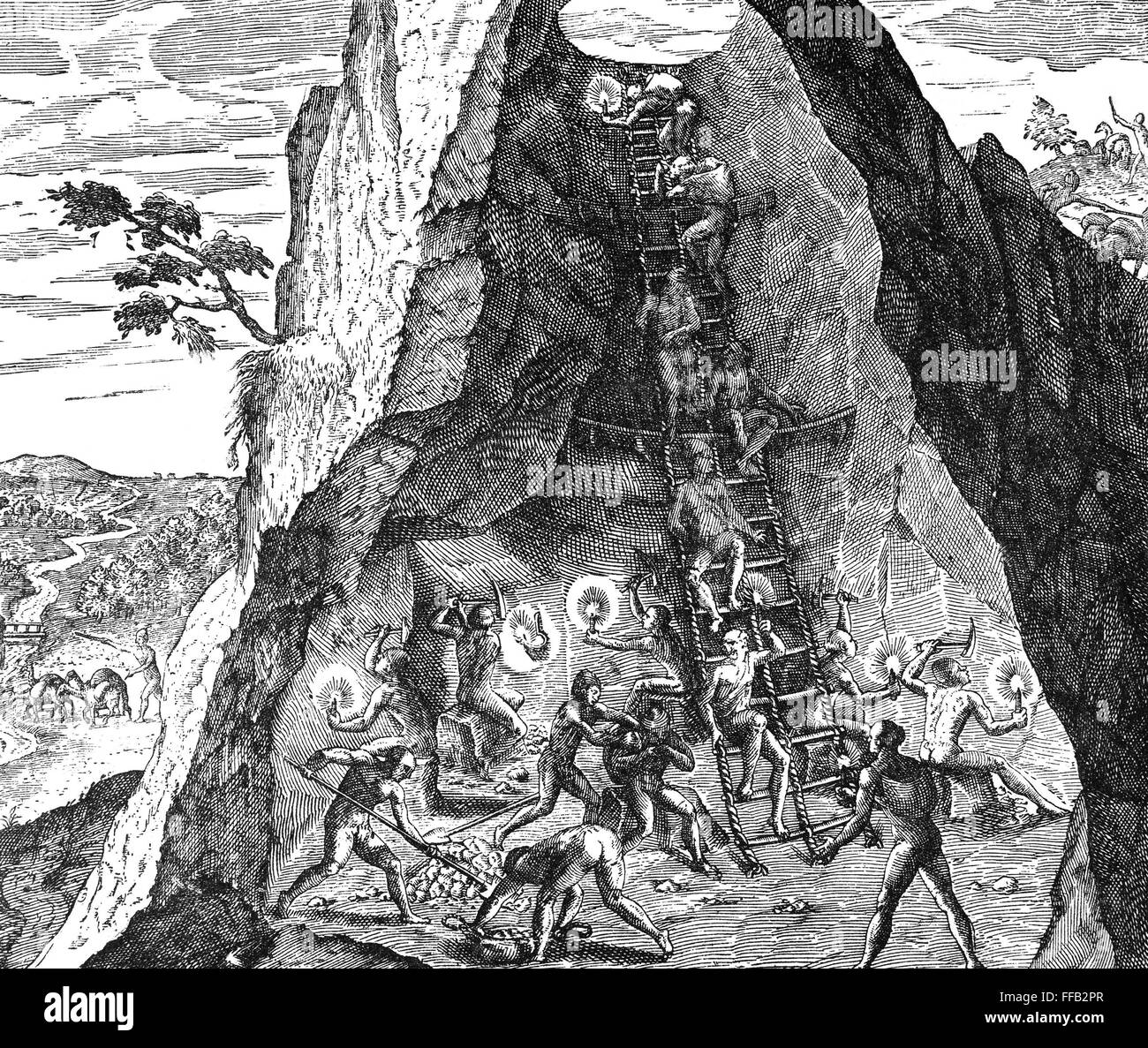
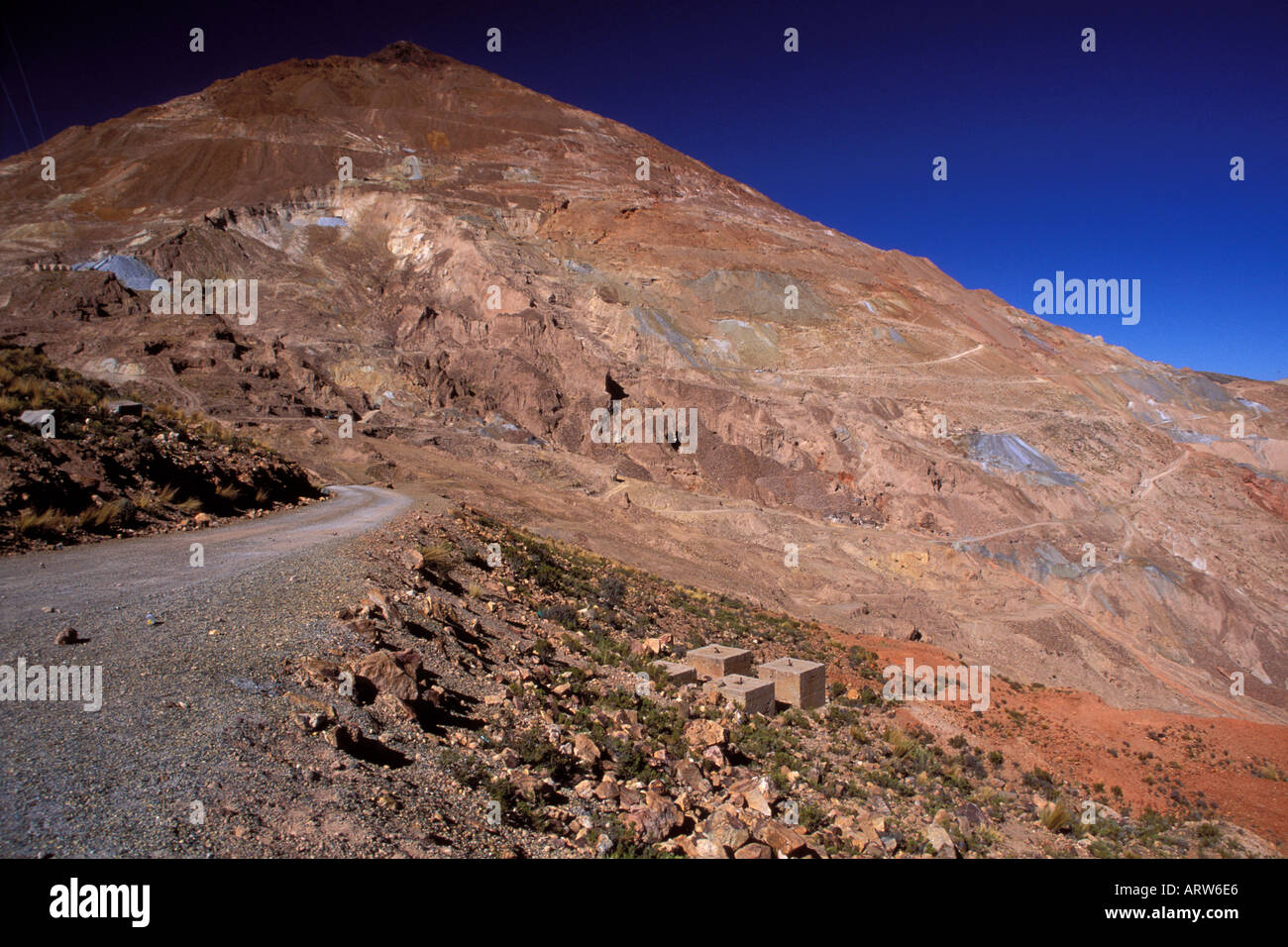
Cerro Rico, or the "Rich Hill," has dominated the history of Potosi since the Spanish discovery of silver deposits in 1545. For centuries, the mountain was the engine of the Spanish colonial economy, producing vast quantities of silver that fueled global trade. The extraction methods employed during the colonial era were characterized by forced labor and primitive technology, which carved a labyrinthine network of tunnels into the heart of the mountain.
As the silver yields dwindled in the 19th and 20th centuries, the mountain underwent a significant shift toward the extraction of tin and other base metals. This historical trajectory established the infrastructure—both physical and social—that dictates how the mine is operated today. The current evolution of the site is not merely technological but is deeply rooted in the transition from state-run mining operations to the cooperative model that prevails in 2026.
The Cooperative Mining Model in 2026
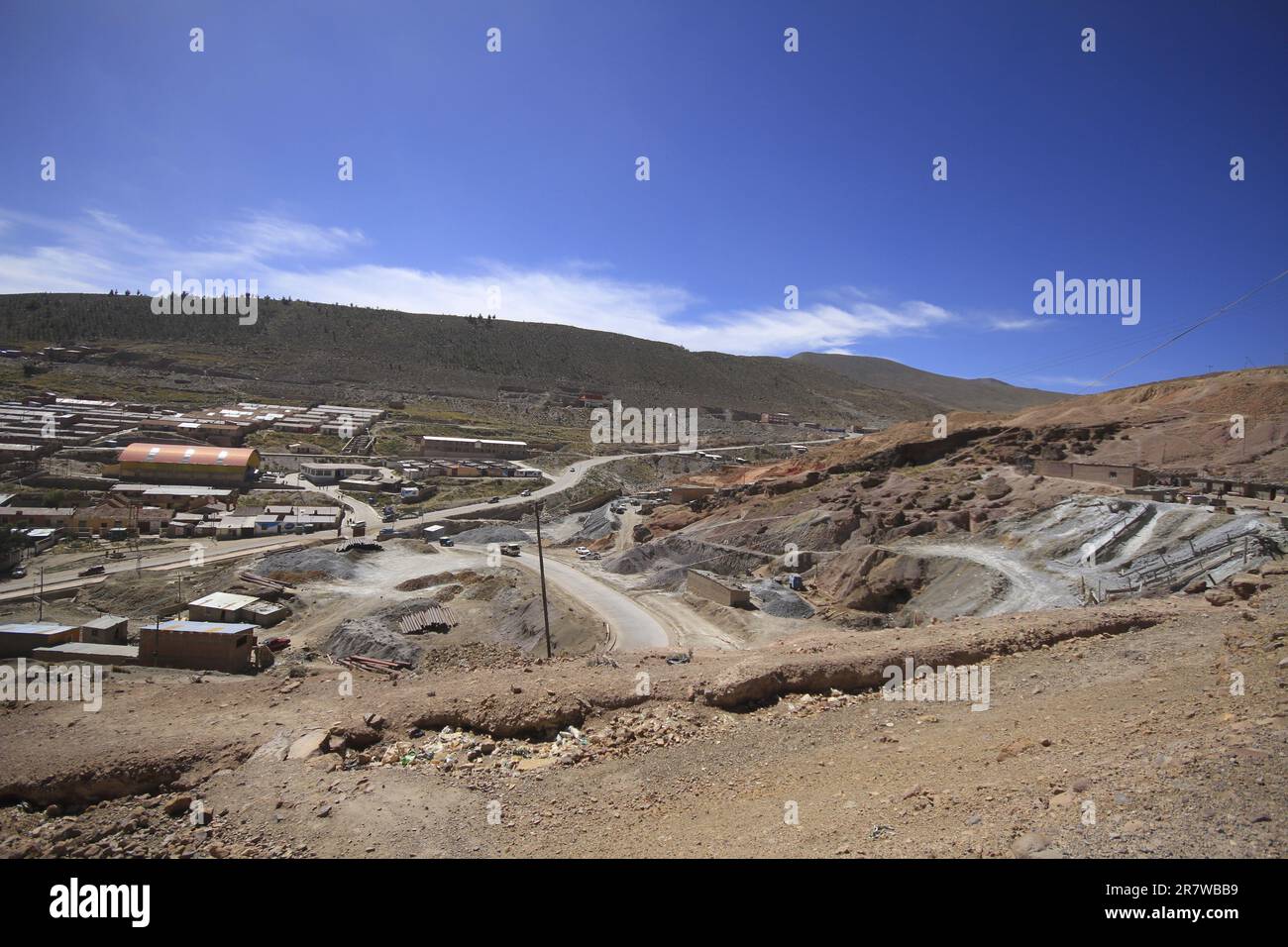
In the contemporary landscape of Potosi, the vast majority of extraction is carried out by informal or semi-formal mining cooperatives. Unlike large-scale industrial operations, these cooperatives consist of small, independent groups of miners who hold claims within the mountain.
Operational Structure
Each cooperative functions as a collective entity, responsible for its own tool procurement, site maintenance, and ore processing. In 2026, these cooperatives serve as the primary economic pillars for the city of Potosi. They operate with a degree of autonomy that makes central oversight and safety standardization difficult to enforce.
Economic Impact
The mines support thousands of families. The economic output is tied directly to global commodity prices for silver, zinc, and lead. Because the cooperative model distributes the financial risk across thousands of individuals rather than a single corporate entity, the mines remain operational even when large-scale industrial mining might deem the site too unstable or depleted for profitable extraction.

Geological Instability and Structural Integrity
The most critical challenge facing the Potosi silver mines today is the structural degradation of the Cerro Rico. Centuries of intensive tunneling have hollowed out the summit and the upper levels of the mountain, leading to frequent sinkholes and structural collapses.
The Threat of Subsidence
By 2026, the peak of the mountain has undergone significant deformation. The "ongoing evolution" of the mine is, in many ways, an evolution toward structural failure. Scientific assessments have consistently warned that the upper portion of the mountain is physically unstable. The creation of new, unauthorized mine shafts by cooperatives often exacerbates these geological weaknesses.
Mitigation Efforts
The Bolivian government, in conjunction with international heritage bodies, has attempted several projects to stabilize the mountain. These include:
- Backfilling operations: Pumping cement or slurry into abandoned, high-risk upper tunnels to prevent further collapse.
- Restricting high-altitude mining: Establishing elevation cut-off points where mining is strictly prohibited to protect the structural apex.
- Geotechnical monitoring: Utilizing satellite radar and seismic sensors to track the rate of deformation in real-time.
Conflict Between Heritage and Industry
Potosi was inscribed as a UNESCO World Heritage site in 1987. The site is recognized for its unique historical significance, but its status is perpetually threatened by the very mining activities that gave birth to the city.
The UNESCO "In Danger" List
The ongoing mining activity has kept the site on the List of World Heritage in Danger. The international community views the unchecked extraction as an irreversible destruction of cultural heritage. Conversely, the local population views the mountain as a "living" resource that is essential for current survival. This dichotomy creates a permanent stalemate: the city requires the mine for its economy, but the survival of the mountain as a historical monument requires the cessation of mining.
Regulatory Challenges
The challenge for authorities in 2026 is creating a legal framework that balances safety regulations with the rights of the cooperatives. Previous attempts to formalize mining operations or relocate miners to other areas have met with significant local resistance. The "evolution" is therefore characterized by a slow, often stalled process of negotiation between local mining federations and national heritage regulators.
Comparative Overview of Mining Approaches
Understanding the evolution of the Potosi mines requires a comparison between the historical industrial model and the current cooperative reality.
| Feature | Colonial Era (1545–1825) | Modern Cooperative (2026) |
|---|---|---|
| Labor Force | Forced, enslaved labor | Independent cooperative members |
| Primary Goal | Silver bullion extraction | Multi-metal ore (silver, tin, lead) |
| Technological Level | Manual, primitive metallurgy | Semi-mechanized, drill-and-blast |
| Regulation | Spanish Crown mandate | Local union and federal oversight |
| Environmental Policy | None | Emerging, though poorly enforced |
Technical and Operational Realities
Modern miners in Potosi operate within a complex regulatory and environmental environment. While the extraction methods are traditional, they are supported by modern power tools, electric lighting, and improved ventilation systems that were absent in previous centuries.
Access and Requirements
For an individual to work in the mines as of 2026, they must be part of a recognized cooperative. Membership grants them rights to a specific sector of the mountain. However, the informal nature of these cooperatives means that safety gear—while more available—is not always used, and ventilation standards vary wildly between different cooperatives.
Environmental Consequences
The legacy of mining in Potosi includes significant acid mine drainage. Water flowing through the old, open tunnels reacts with exposed sulfide minerals, creating acidic runoff that contaminates local water sources. While some cooperatives have implemented basic containment measures, the diffuse nature of the mining sites makes large-scale environmental remediation an ongoing, unsolved challenge for municipal authorities.
Frequently Asked Questions
Is the Potosi silver mine still open for mining?
Yes. As of 2026, the Cerro Rico remains an active mining site, predominantly operated by independent cooperatives extracting silver, zinc, and tin.
Can tourists visit the Potosi mines in 2026?
Yes, limited, regulated tours remain available. These tours typically visit the lower levels of the mines that are deemed safer, providing insight into the harsh conditions and the daily lives of the miners.
What is being done to stop the mountain from collapsing?
Government-led projects continue to focus on backfilling upper-level tunnels with concrete. However, these efforts are often reactive and struggle to keep pace with the continued digging by cooperatives.
Why is the mine still on the UNESCO "In Danger" list?
The mine remains on the list because the extraction process is causing physical damage to the structure of Cerro Rico, which directly contradicts the preservation standards required for World Heritage sites.
What is the most common mineral mined today?
While historically famous for silver, current operations focus heavily on zinc and lead, as silver concentrations in the accessible upper levels have been significantly depleted.
Next Steps for Stakeholders
The future of the Potosi silver mines hinges on finding a middle ground that provides for the miners' economic stability while ensuring the physical safety of the mountain. For those interested in the ongoing status of the site, it is recommended to monitor reports from the Bolivian Ministry of Mining and Metallurgy and updates from the UNESCO World Heritage Centre. These entities remain the primary sources for tracking the delicate balance between industrial necessity and the preservation of one of the world's most significant historical sites.
Image Gallery
Select an image to open it in a new tab.





Lars Thomsen
Global Labor Markets and Economic Strategy Editor
