
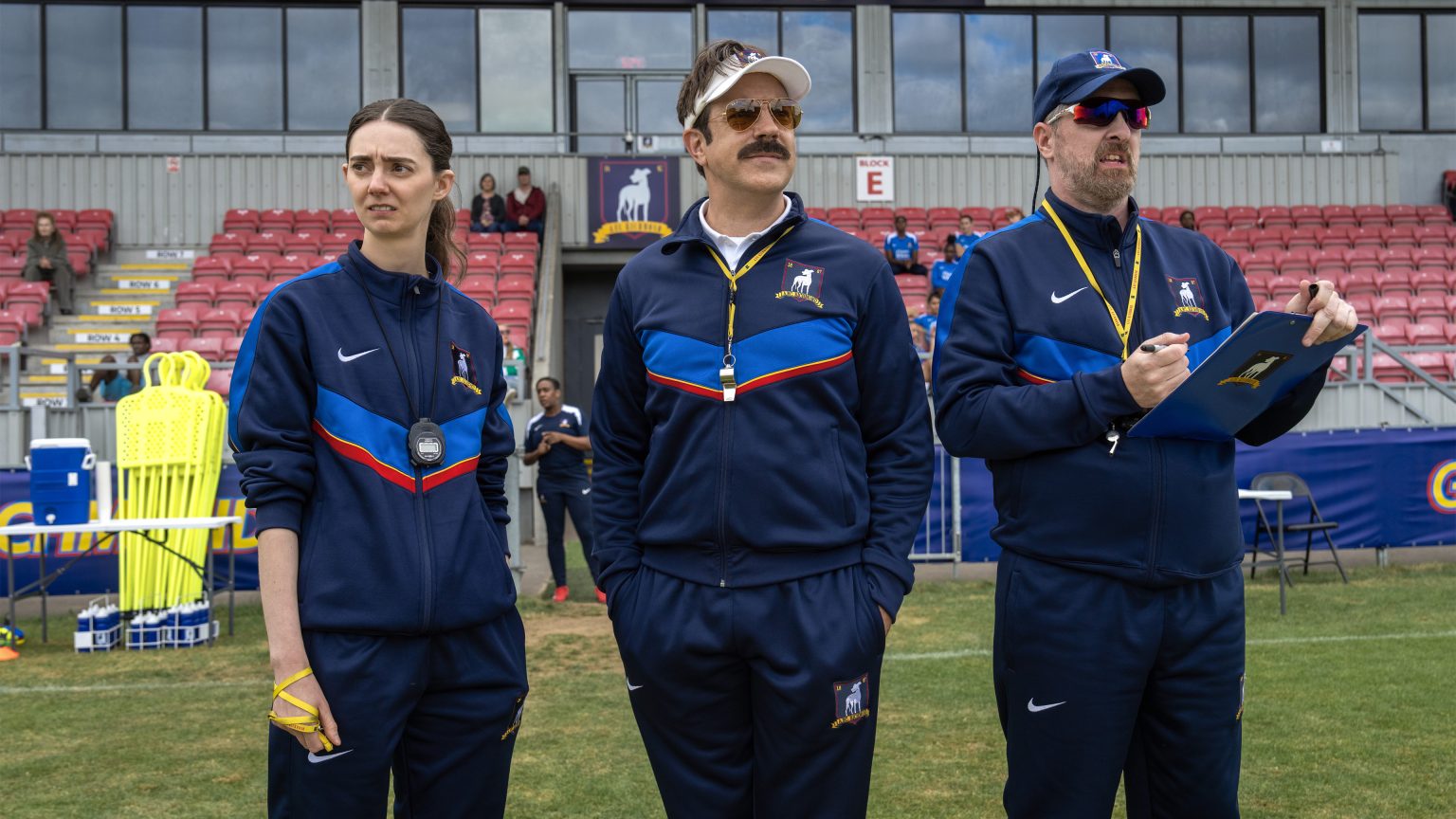
The Ted Lasso series gained immense popularity for its authentic portrayal of the professional football world, leading many viewers to wonder where the line between scripted drama and reality truly sits. While the show features a fictional club, AFC Richmond, the series relies heavily on cameos from genuine Premier League legends, football pundits, and recognized sports personalities to ground its narrative in the high-stakes environment of English football.
The Foundation of Realism: Why Ted Lasso Uses Genuine Football Figures
The creators of Ted Lasso—Jason Sudeikis, Bill Lawrence, Brendan Hunt, and Joe Kelly—understood early on that a show about the Premier League would lose its credibility if it felt entirely detached from the actual sport. By incorporating real footballers, managers, and broadcasters, the production team achieved a level of verisimilitude that resonated with die-hard fans of the sport.
These appearances serve multiple purposes. First, they validate the club’s position within the English football hierarchy. When Roy Kent, Jamie Tartt, or Sam Obisanya are interviewed by real-world pundits, it creates the illusion that AFC Richmond occupies a genuine space in the league table alongside clubs like Manchester City or Tottenham Hotspur. Second, these cameos often provide crucial exposition, allowing the audience to understand the cultural and media pressure inherent in the sport without needing excessive dialogue to explain the stakes.
Distinguishing Fact from Fiction: Who is Real and Who is Scripted?
It is a common myth that every football player seen on the pitch or in the media room is a professional athlete. In reality, Ted Lasso utilizes a mixture of professional actors who have some football training and genuine football icons who play themselves.
The Role of Real-World Pundits
One of the most effective ways the show maintains its "reality" is through the inclusion of real sports media figures. Throughout the series, viewers see prominent voices from Sky Sports and other major networks providing commentary on AFC Richmond’s performance.
- Jeff Stelling and Chris Kamara: These iconic figures from the Soccer Saturday program appear in the show to provide color commentary and studio analysis. Their presence is entirely real; they are not actors playing pundits, but rather the actual broadcasters themselves performing as they would during a standard match day.
- Arlo White: As the play-by-play announcer for the show, Arlo White was, at the time of filming, the lead voice for NBC Sports’ Premier League coverage in the United States. His participation added a layer of legitimacy for American viewers who were already accustomed to his voice calling real matches.
Genuine Footballers in Cameo Roles
While the core squad members of AFC Richmond—such as Dani Rojas (Cristo Fernández) or Isaac McAdoo (Kola Bokinni)—are actors, the show has frequently featured genuine stars to bolster specific scenes.
- Pep Guardiola: The Manchester City manager makes a notable appearance, interacting with the fictional players. This is a clear case of fact meeting fiction; Guardiola is not acting as a character, but representing his real-life persona as one of the most successful managers in the modern game.
- Thierry Henry and Gary Lineker: These legends have appeared in segments that mirror the real-world coverage found on the BBC’s Match of the Day. Their involvement serves to bridge the gap between the fictional AFC Richmond and the real-world prestige of the Premier League.
Technical Challenges of Mixing Actors and Athletes
Integrating real footballers into a scripted series presents significant technical and logistical challenges. Professional footballers are accustomed to the fluid, high-intensity environment of a live match, whereas a television set requires precise blocking, multiple camera angles, and repetitive takes to capture the necessary coverage.
The "Footballer as Actor" Dynamic
When a professional footballer enters a film set, they are effectively moving from a space where they are in total control to one where they are a tool for the director’s vision. For cameos, the production team often relies on the athlete's natural charisma rather than their ability to deliver complex lines of dialogue. This is why most genuine footballer appearances in the series are limited to interviews, brief sideline interactions, or background reactions during press conferences.
Stunt Doubles and Match Authenticity
A common point of confusion for viewers is the quality of the on-field action. While the main cast underwent extensive training to look like professional players, the production frequently employed stunt doubles and professional youth academy players to ensure the match sequences looked authentic. If a scene required a high-skill maneuver, such as a precision free-kick or a complex tactical transition, the production leaned heavily on these specialists to maintain the "myth" of the actors' professional abilities.
Table: Real-World Football Entities in Ted Lasso
| Entity Name | Real-World Role | Role within Ted Lasso |
|---|---|---|
| Arlo White | Sports Broadcaster | Himself (Commentator) |
| Jeff Stelling | Sports Broadcaster | Himself (Studio Host) |
| Chris Kamara | Former Player/Pundit | Himself (Studio Analyst) |
| Pep Guardiola | Football Manager | Himself (Manchester City Boss) |
| Thierry Henry | Former Player/Pundit | Himself (Pundit) |
| Gary Lineker | Former Player/Host | Himself (Host) |
The Myth of the "Real" AFC Richmond
Despite the inclusion of these real-world figures, it is essential to clarify that AFC Richmond does not exist. A frequently recurring myth among international viewers—who may be less familiar with the structure of the English football pyramid—is that Richmond is a "hidden" or "lower-tier" team that operates outside the public eye.
In reality, the Premier League is a highly visible, globally broadcast ecosystem. If a team like AFC Richmond were to compete in the Premier League, it would be impossible for the public to confuse it with a real-world club. The production team went to great lengths to create a unique crest, history, and stadium culture (using Crystal Palace’s Selhurst Park as the primary filming location) to ensure that fans would not mistake the fiction for a historical record of the league.
Why the Illusion Matters for the Narrative
The creators of Ted Lasso leveraged the "realness" of these cameos to support the show's underlying philosophy: that the emotional stakes of sports are universal. By placing characters like Ted and Coach Beard in a room with actual football icons, the series forces a confrontation between the "American outsider" view of the sport and the "British establishment" view.
These cameos serve as a litmus test for the characters. When a fictional player has to answer a question posed by a real-world legend, the pressure feels tangible to the viewer. It creates a psychological environment where the characters' growth is measured not just against other fictional characters, but against the gold standard of the sport they play.
Frequently Asked Questions (FAQ)
1. Is AFC Richmond a real football club? No, AFC Richmond is a completely fictional club created for Ted Lasso. While the show films matches at Selhurst Park—the real-world home of Crystal Palace—the club itself has no history, legal standing, or professional record in the English Football League or Premier League.
2. Are the players on the field real professional footballers? The core players of the AFC Richmond squad are actors who received professional football training. While the production employed stunt doubles and genuine youth-level players for specific match sequences to ensure high-quality action, the primary cast members are performers, not active professional athletes.
3. Did the real-world pundits use scripts? Figures like Jeff Stelling and Chris Kamara were provided with scripts for their appearances, but they were largely encouraged to improvise within the tone of their established television personas. Their dialogue is designed to mirror the style and vocabulary they use on their real-world programs, which is why their scenes feel authentic.
4. Why was Pep Guardiola included in the show? Pep Guardiola was included to provide a "benchmark" of success for the show’s fictional managers. By having the characters interact with one of the most successful and tactical managers in the world, the show establishes the high level of professionalism and competition that the characters are striving to achieve.
5. How do I know if a footballer cameo is a "real" person or an actor? Generally, if a character is playing a role within the narrative (e.g., Jamie Tartt), they are an actor. If a character is appearing as themselves in a broadcast or interview setting (e.g., Gary Lineker), they are a real-world figure. The show uses the real-world figures as cultural touchstones to anchor the viewer in the reality of the sport.
Practical Advice for Identifying Realism in Sports Dramas
When watching series like Ted Lasso, the best way to distinguish fact from fiction is to focus on the context of the appearance. If an individual is performing a job that exists in the real world (such as a pundit or a manager) and they are clearly identified as themselves, you are likely looking at a real-world figure. If the individual is a player with a name, backstory, and personal drama within the team, they are almost certainly a fictional creation intended to serve the narrative.
For viewers seeking to understand the sport better, using these cameos as a starting point is an excellent strategy. Following the real-world commentators and managers mentioned in the show can provide a much deeper, authentic look into the tactical and media-driven world of modern English football.

Image Gallery
Select an image to open it in a new tab.



Declan O'Connor
Higher Education and Campus Culture Reporter
