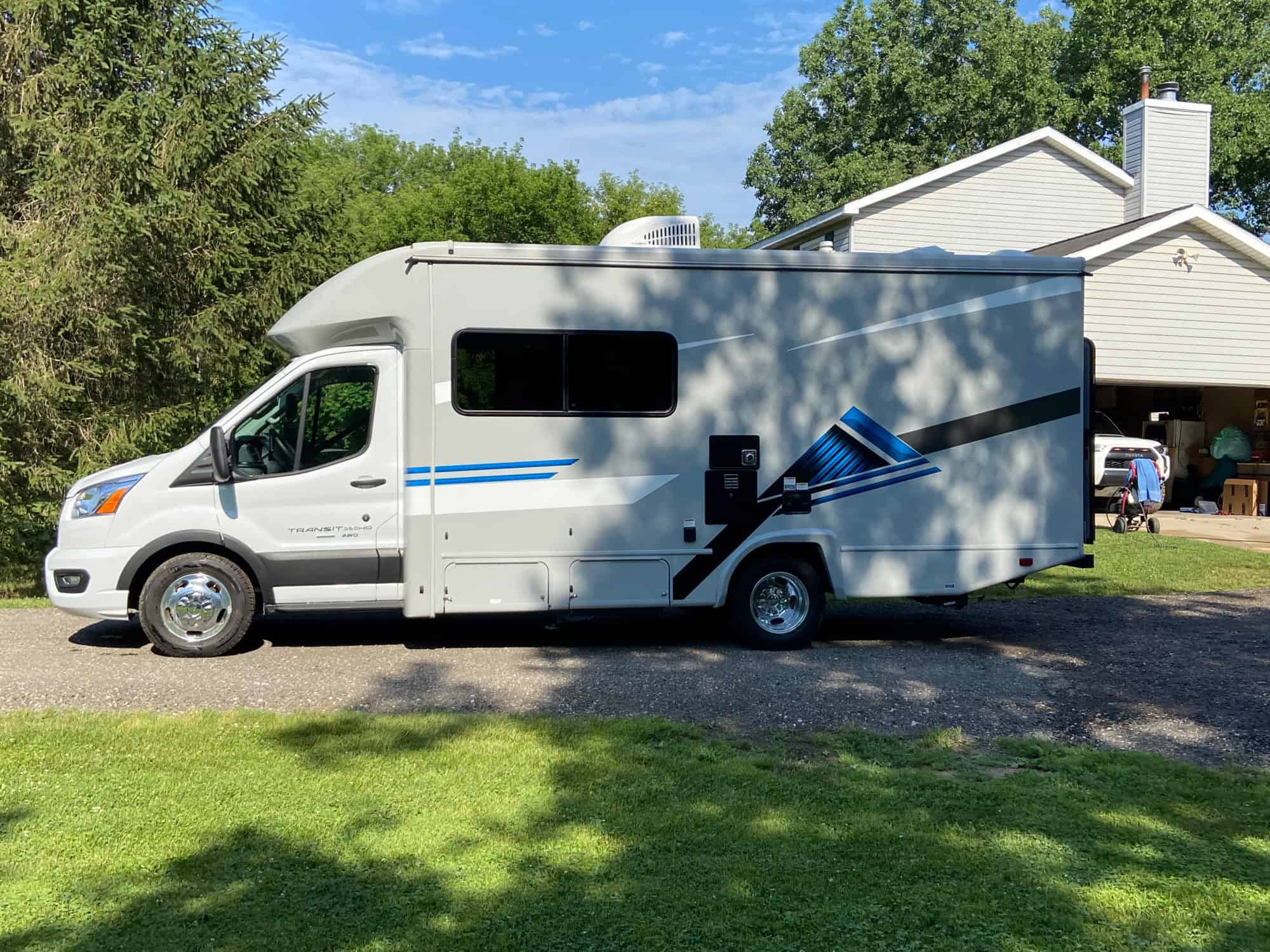
Registering and titling a van in Michigan requires navigating the state's specific vehicle classification system, which differentiates between passenger vehicles, commercial haulers, and recreational vehicles. Depending on your van's gross vehicle weight (GVW), intended use, and conversion status, you must comply with Michigan Secretary of State (SOS) regulations to legally operate on public roadways in 2026.
Understanding Michigan Vehicle Classification
In Michigan, the term "van" is not a singular legal classification. The state defines vehicles primarily by their usage and weight, which directly dictates how you title and register the asset. When you visit a Secretary of State branch office or prepare your documentation, you must clarify whether your vehicle falls under a passenger registration or a commercial classification.
Passenger vs. Commercial Registration
Most standard minivans and full-size passenger vans used for personal transport are registered as passenger vehicles. The registration fee for these vehicles is determined by the vehicle's manufacturer's base price. This structure is unique to Michigan and differs from states that calculate fees based solely on vehicle weight.
Commercial vans, such as those used for cargo, contracting, or mobile business operations, are registered based on their empty weight. If you modify a passenger van for commercial use, you are legally obligated to update your registration status, as insurance requirements and tax liabilities change significantly once a vehicle is utilized for business-related transport.
Recreational Vehicles (RV) and Conversion Vans
If you have converted a van into a motorhome—often referred to as a "camper van"—it may qualify for registration as a recreational vehicle. To qualify, the van must contain permanently installed amenities such as a cooking facility, a refrigeration unit, or a self-contained toilet. Registering as an RV can often change the fee structure, but it requires verifying that the vehicle meets the Michigan Vehicle Code’s specific definitions for motorhomes.
Prerequisites for Titling a Van in Michigan
Before you can obtain plates, you must ensure you hold a valid Michigan title. The title is the legal document proving ownership, separate from the registration (the document that allows you to drive on the road).
Purchasing from a Private Seller
When acquiring a van from a private individual, the seller must sign the title over to you. As of 2026, ensure the odometer reading is recorded accurately on the title. If the van is less than 20 years old, an accurate odometer disclosure is mandatory under both state and federal law. You must take the signed-over title to a Michigan Secretary of State office, pay the title transfer fee, and pay the 6% state sales tax on the purchase price.
Purchasing from a Dealership
Licensed Michigan dealerships typically handle the title application process for you. They will collect the sales tax and registration fees at the point of sale. You should receive a temporary permit or have your license plates transferred by the dealership. Always confirm that the dealer has submitted the paperwork electronically to the state to avoid delays in receiving your official title in the mail.

Registration Requirements and Renewal
Registration in Michigan is tied to the license plate. Once your title is processed, you will receive a registration certificate that must be kept in the vehicle at all times.
Fee Structure
Michigan registration fees for passenger vans are calculated based on the manufacturer’s suggested retail price (MSRP). The state uses a tiered system where the cost is derived from the base price of the vehicle model, depreciating slightly as the vehicle ages. For commercial vans, the weight-based fee scale is applied, which can be significantly higher depending on the GVW.
Renewal Deadlines
Registration renewals are generally tied to the owner’s birth month for individual passenger vehicles. In 2026, most renewals can be completed through the Michigan SOS website, via self-service stations, or by mail. If you operate a commercial van, your registration renewal schedule may differ, often tied to a calendar-year cycle rather than a birthday cycle.
Comparison of Van Registration Categories
| Category | Fee Basis | Primary Documentation Required | Best For |
|---|---|---|---|
| Passenger Van | Manufacturer's Base Price | Title, Proof of Insurance | Personal/Family use |
| Commercial Van | Empty Weight | Title, Proof of Insurance, USDOT# | Business cargo/contracting |
| Motorhome (RV) | Weight/Type | Title, Proof of Conversion | Recreational travel/Living |
Safety and Equipment Standards
Michigan law mandates that all vehicles, including vans, must be equipped with specific safety features to remain road-legal. While vans are subject to standard equipment requirements (working headlights, taillights, turn signals, and mirrors), larger vans may have additional requirements regarding height and lighting.
If you are performing a DIY van conversion, be aware that you cannot modify the vehicle in a way that obscures the VIN (Vehicle Identification Number) or interferes with original safety systems like airbags or seatbelt mounting points. If you significantly alter the chassis, you may be required to have the vehicle inspected by a police officer to ensure it meets safety standards before a new title can be issued reflecting the changes.
Insurance Considerations
Michigan is a no-fault insurance state. This means that your own insurance company is responsible for your medical coverage in the event of an accident, regardless of who is at fault.
When insuring a van in Michigan, you must carry:
- Personal Injury Protection (PIP): Coverage for medical expenses.
- Property Protection (PPI): Coverage for damage your vehicle causes to others' property.
- Residual Bodily Injury and Property Damage Liability: Coverage for lawsuits arising from accidents.
If you are using a van for commercial purposes, standard personal auto policies will likely deny claims if an accident occurs during business operations. Ensure you hold a commercial auto policy if you use your van for deliveries, transporting clients, or as a mobile workshop.
Common Challenges and Troubleshooting
Incorrect Title Information
A frequent issue involves clerical errors on the title, such as misspelled names or incorrect VINs. If you receive a title with an error, do not alter it yourself. Return the document to the Secretary of State office immediately for correction. Altered titles are considered void and will not be accepted.
Missing Titles
If you purchase a van without a title, you face a complex process to obtain a "bonded title." This involves an application process and an insurance bond to protect the state against future claims of ownership. It is strongly advised to avoid purchasing any van where the seller cannot provide a clear, transferable title.
Non-Resident Registration
If you are new to Michigan, you must convert your out-of-state title to a Michigan title. You are required to provide your out-of-state title, proof of Michigan insurance, and proof of identity. Michigan law requires residents to register their vehicles within a short window of establishing residency.
Frequently Asked Questions
Do I need a special license to drive a large van in Michigan?
No, a standard Michigan operator's license (Class D) is sufficient for most passenger and cargo vans. A Commercial Driver's License (CDL) is only required if the van has a Gross Vehicle Weight Rating (GVWR) of 26,001 pounds or more, or if it is designed to transport 16 or more passengers (including the driver), or if it carries hazardous materials.
Can I register a van as an RV if I just put a bed in the back?
Generally, no. Michigan has specific requirements for RV classification. The vehicle must be intended primarily for human habitation and must include essential life-support systems like cooking, sleeping, and sanitation facilities. Simply adding a mattress is usually insufficient to meet the legal criteria for an RV title.
How do I check if my van has a salvage title?
You can use the National Motor Vehicle Title Information System (NMVTIS) or the Michigan Secretary of State’s online services to check a vehicle's history. A salvage title indicates the van was once declared a total loss by an insurance company. These vehicles require a "rebuilt" title and a passing inspection before they can be registered for road use.
Is sales tax calculated on the price I paid or the book value?
In Michigan, sales tax on a vehicle purchase is calculated based on the total purchase price paid to the seller. If you receive the van as a gift or through an inheritance, specific tax exemptions may apply, but you must provide the correct transfer documentation at the SOS branch to claim them.
What should I do if I lose my registration certificate?
You can request a duplicate registration online through the Michigan SOS website or by visiting a branch office. Keep your registration in the vehicle at all times; failure to produce it during a traffic stop may result in a civil infraction.
Next Steps for Owners
To successfully title and register your van, begin by gathering your bill of sale, the signed-over title, and proof of your Michigan no-fault insurance. Before heading to the Secretary of State, use the online scheduling tool to book an appointment, as walk-in availability can be limited. Ensure all documents are original; photocopies are not accepted for titling. By verifying your vehicle's usage class before your visit, you will avoid unnecessary delays and ensure your van is fully compliant with Michigan law.
Image Gallery
Select an image to open it in a new tab.

Ingrid Bjornson
Global Cyber Policy and Regulation Analyst
