The Government UAP Disclosure and Its Implications: An Analysis of Current Status
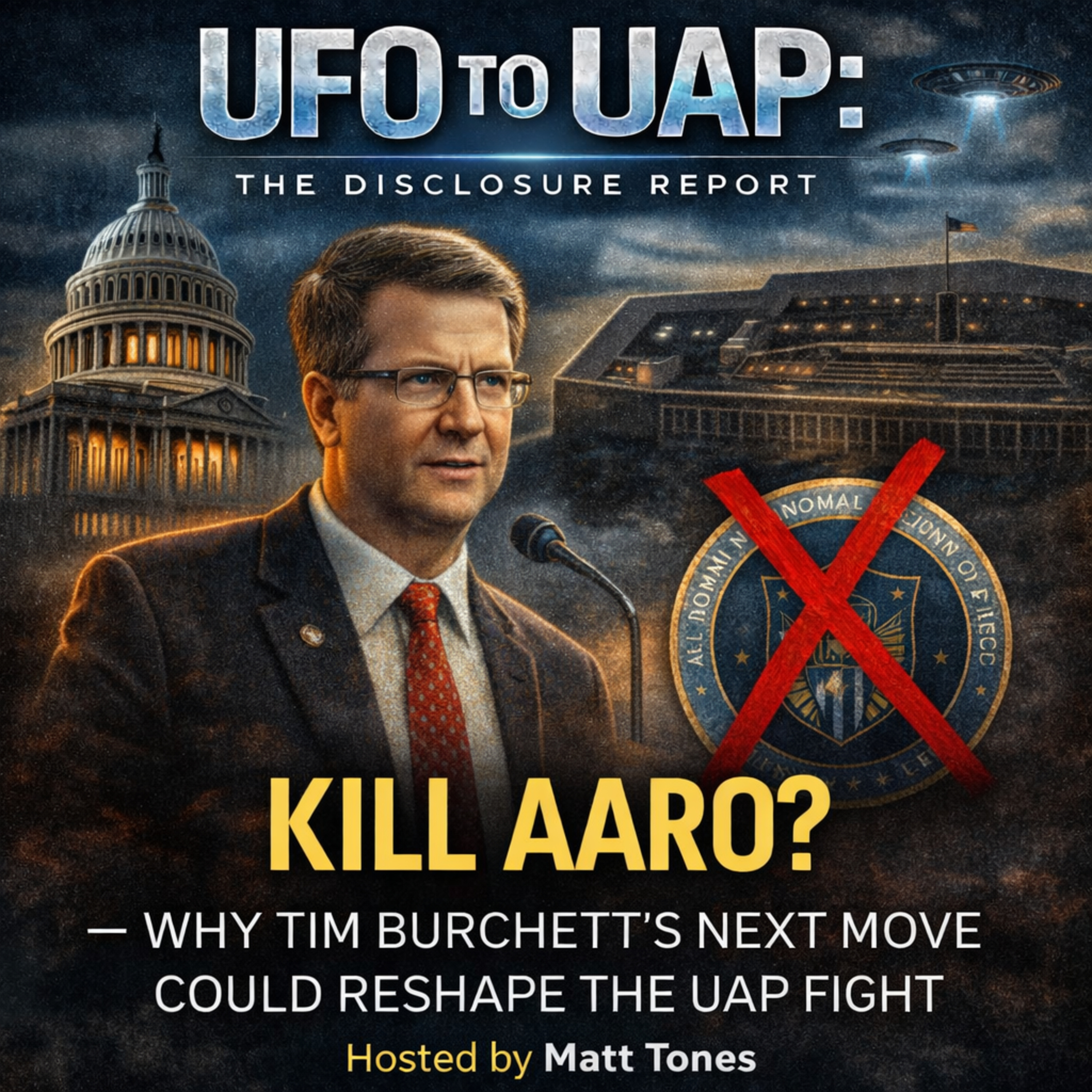
The government Unidentified Anomalous Phenomena (UAP) disclosure process represents a systematic shift in how national security agencies, scientific bodies, and the public interact with data regarding objects exhibiting flight characteristics that defy current technological understanding. By moving from a policy of obfuscation to one of mandated reporting and Congressional oversight, the U.S. government is attempting to reconcile historical secrecy with the modern requirement for transparent, evidence-based national security risk assessment.
The Evolution of the UAP Disclosure Framework
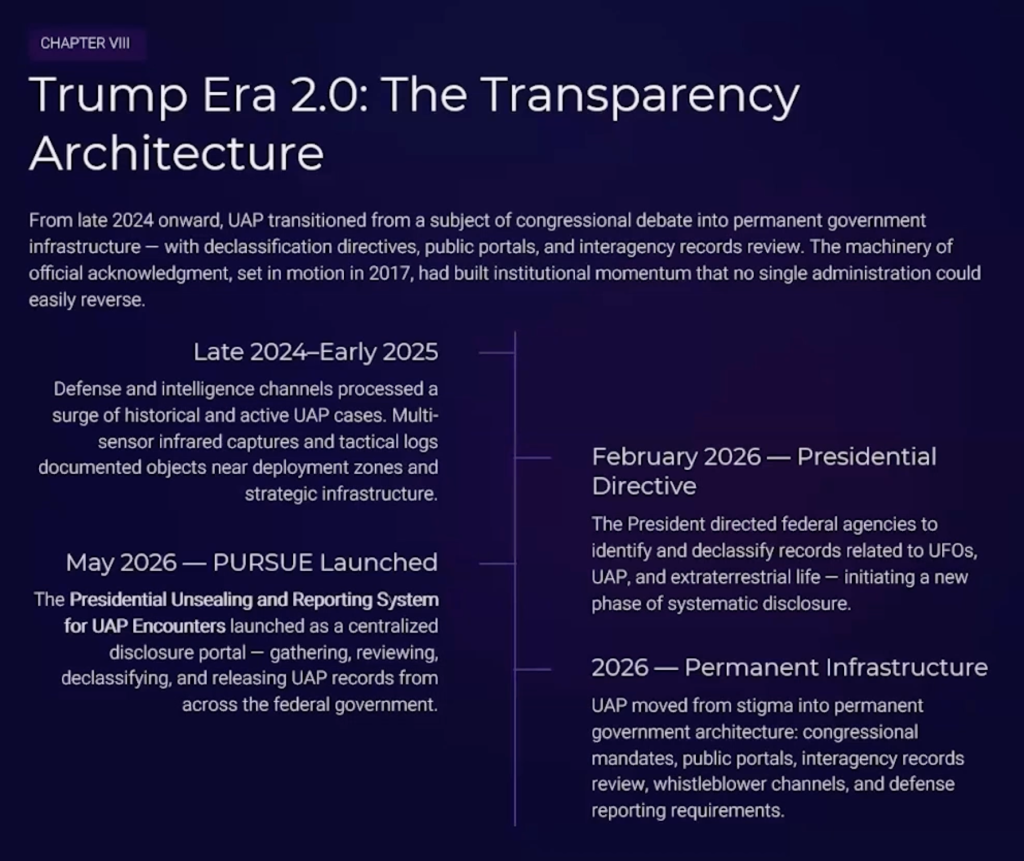
The transition toward current UAP disclosure protocols began in earnest around 2017 following documented leaks of military sensor data, but it gained its formal structural footing through the National Defense Authorization Act (NDAA) cycles. As of 2026, the framework centers on the All-domain Anomaly Resolution Office (AARO), established by the Department of Defense (DoD).
The primary mission of this office is to synchronize efforts across the Department of Defense and the Intelligence Community to detect, identify, and attribute objects of interest. The "disclosure" component is not necessarily a singular event of revelation but a ongoing, multi-year process of declassifying reports, briefings, and historical data as mandated by federal statute. This process requires agencies to provide the public with as much information as possible without compromising "sources and methods"—the standard classification justification used to protect military capabilities and intelligence-gathering techniques.
Core Objectives of the Disclosure Process
The government’s shift in policy is driven by three specific, practical requirements:
- Aviation Safety: The highest priority for the Department of Defense is the mitigation of flight safety risks. When objects are detected in restricted airspace, they pose a potential collision risk to military and commercial aircraft.
- National Security Assessment: UAP disclosure aims to determine if these phenomena are the result of adversary technology (e.g., advanced drones or hypersonic platforms from foreign nations) or indigenous capabilities that have not been adequately communicated to the current administration.
- Scientific Integrity: By integrating civilian scientists and academic institutions into the analysis of raw sensor data, the government intends to move the subject away from speculation and into the realm of peer-reviewed analysis.
Regulatory Requirements and Congressional Oversight
The legal framework supporting these disclosures is anchored in the NDAA, which mandates that the Director of National Intelligence (DNI) and the Secretary of Defense provide periodic unclassified reports to Congress. These reports are designed to address the "whistleblower" concerns that have circulated since the early 2020s, ensuring that if legacy programs exist that were not previously disclosed to oversight committees, they are brought under the purview of current law.
For the public, this means that the "disclosure" is essentially a steady stream of declassified documents, redacted videos, and public hearings. The implication for the average observer is that the government is confirming the existence of a high volume of sensor data that remains "unidentified" after a rigorous vetting process.
Comparing UAP Reporting Eras
The following table summarizes the shift in how the government interacts with anomalous sightings before and after the current legislative mandates.
| Feature | Pre-2017 Era | 2026 Disclosure Framework |
|---|---|---|
| Primary Approach | Categorical dismissal | Systematic investigation |
| Data Handling | Siloed by service branch | Unified through AARO |
| Transparency | Highly limited / Ad-hoc | Mandated via NDAA reports |
| Oversight | Internal DoD review | Congressional committee audit |
| Scientific Input | Negligible | Open to academic collaboration |
Scientific Implications of Modern Disclosure
One of the most significant implications of this ongoing disclosure is the legitimization of UAP research as a valid field of study for professional physicists, engineers, and data scientists. By acknowledging that there is a subset of data that does not match any known human-made or natural phenomenon, the government has provided the green light for scientific inquiry without the career stigma that previously accompanied the topic.
This requires a multi-modal approach to verification. Scientists involved in analyzing these disclosures often use:
- Multi-Sensor Correlation: Comparing radar, infrared, and electro-optical data simultaneously to ensure the reported behavior is not a software glitch or sensor artifact.
- Meteorological Filtering: Removing instances of high-altitude balloons, weather anomalies, and atmospheric light phenomena.
- Flight Performance Modeling: Calculating the G-forces and velocity required for an object to perform the maneuvers described by military pilots, which often reveals the physical impossibility of current propulsion designs.
Limitations of Current Disclosure
Despite the legislative progress, the disclosure process faces significant operational limitations. The most critical is the "classification trap." Much of the data that would provide the most clarity—such as high-resolution imagery from the most sensitive military platforms—cannot be released because doing so would reveal the capabilities of the sensors themselves. If a sensor can track a UAP in high detail, it can track an adversary’s most advanced stealth aircraft; therefore, releasing that data is seen as a risk to national security.
Consequently, the public often receives "anomalous" reports that lack the resolution needed for a conclusive scientific verdict. This creates a feedback loop of skepticism, where the government claims it is being transparent, while the public observes only blurry, inconclusive data.
Practical Steps for Following the Disclosure
For those seeking to understand the implications of these developments, the following actions are recommended for staying informed:
- Consult Official Repositories: Direct your attention to the AARO official website, which serves as the central clearinghouse for public reports and declassified imagery.
- Review Legislative Records: Read the actual text of the NDAA provisions regarding UAP to understand exactly what Congress has asked the intelligence community to produce.
- Evaluate Peer-Reviewed Research: Look for publications from organizations that have secured authorized access to sanitized data, as these often provide the necessary context that official government summaries lack.
- Distinguish Between Reporting and Speculation: When reading media accounts, clearly differentiate between what is officially reported by the DoD and what is claimed by secondary sources or commentators.
Frequently Asked Questions
Does the government believe UAPs are of non-human origin? Official government reports, including those from the Office of the Director of National Intelligence, do not currently conclude that UAPs are extraterrestrial. Instead, the government classifies these incidents based on their level of identification, with most being relegated to the "unresolved" category because insufficient data exists to provide a definitive explanation.
Is there a deadline for the final disclosure of all records? There is no "final" date for disclosure. The process is defined by ongoing reporting requirements that change with each fiscal year’s legislative mandates. As long as UAP incidents occur and are reported by military personnel, the government is required to maintain a process for their ingestion, analysis, and oversight.
Why are some UAP videos released while others remain secret? Videos are released only after a declassification review process. This process balances the public’s interest in information against the need to protect the sensitive hardware used to capture the footage. If an image would reveal the location, resolution, or signal-processing capabilities of a classified asset, it will likely remain protected regardless of what it depicts.
What is the role of the Intelligence Community in UAP analysis? The Intelligence Community focuses on "adversarial attribution." They assess whether the UAP reports are indicative of breakthroughs by foreign adversaries like China or Russia. Their role is to ensure that the UAP phenomenon is not a cover for a "technological surprise" that could jeopardize U.S. national security.
How does this affect flight safety for civilian pilots? The disclosure process has led to better reporting protocols for civilian pilots, specifically through the Federal Aviation Administration (FAA). Pilots are now encouraged to report anomalous sightings to ensure that flight paths remain clear and that data can be collected on near-miss incidents in restricted and open airspace.
Moving Forward
The government UAP disclosure process is a long-term adjustment to the realities of modern sensors and the persistence of unexplained aerial reports. By institutionalizing the investigation, the government is signaling that it prioritizes safety and security over the convenience of silence. Moving forward, the most vital implication for the public is the necessity of maintaining a balanced perspective: one that accepts the reality of the reports while continuing to demand rigorous, data-driven analysis to distinguish between adversary technology, mundane errors, and the truly unexplained.
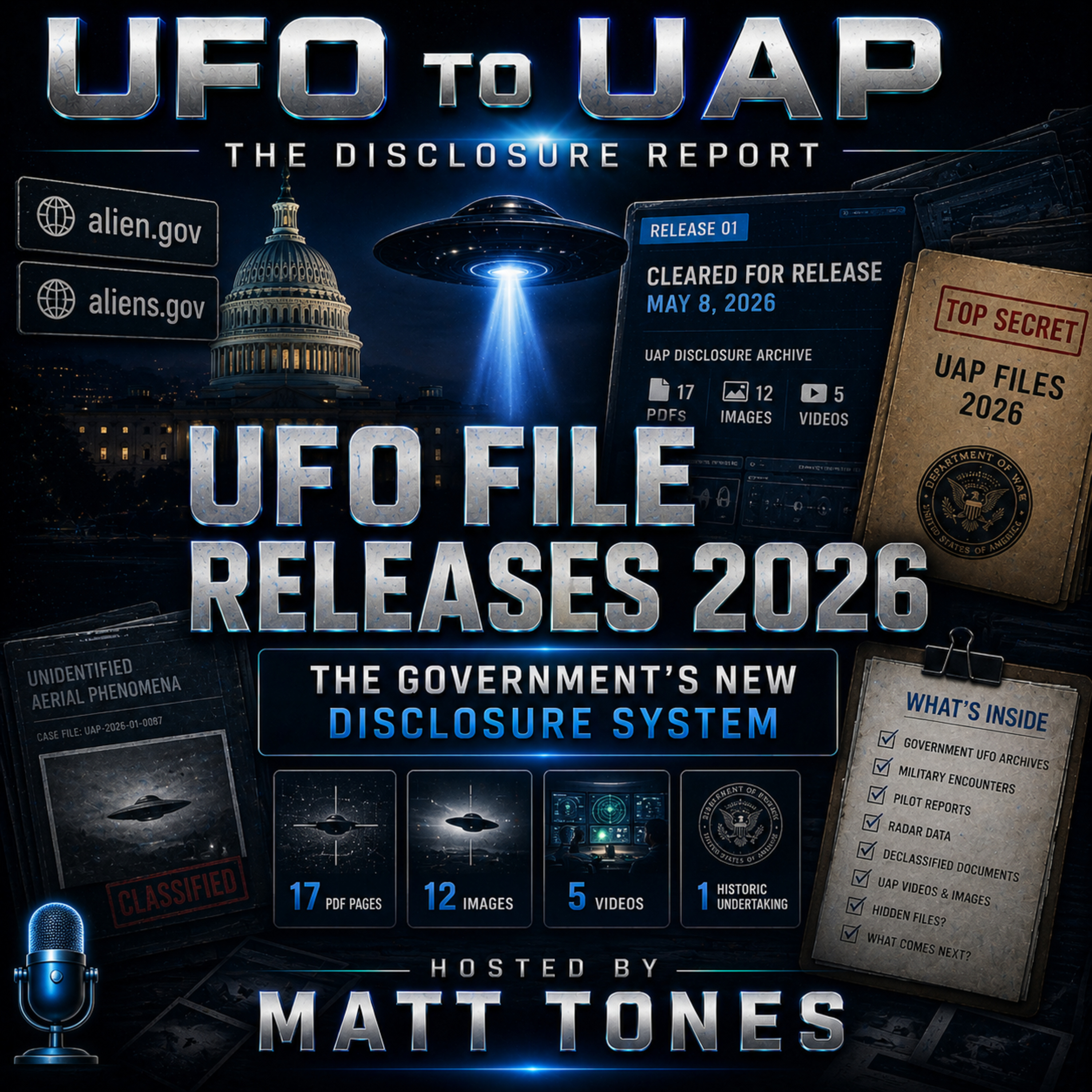
Image Gallery
Select an image to open it in a new tab.

Declan O'Connor
Higher Education and Campus Culture Reporter
