Bob Wallace in White Christmas: The Character, Portrayal, and Cultural Impact

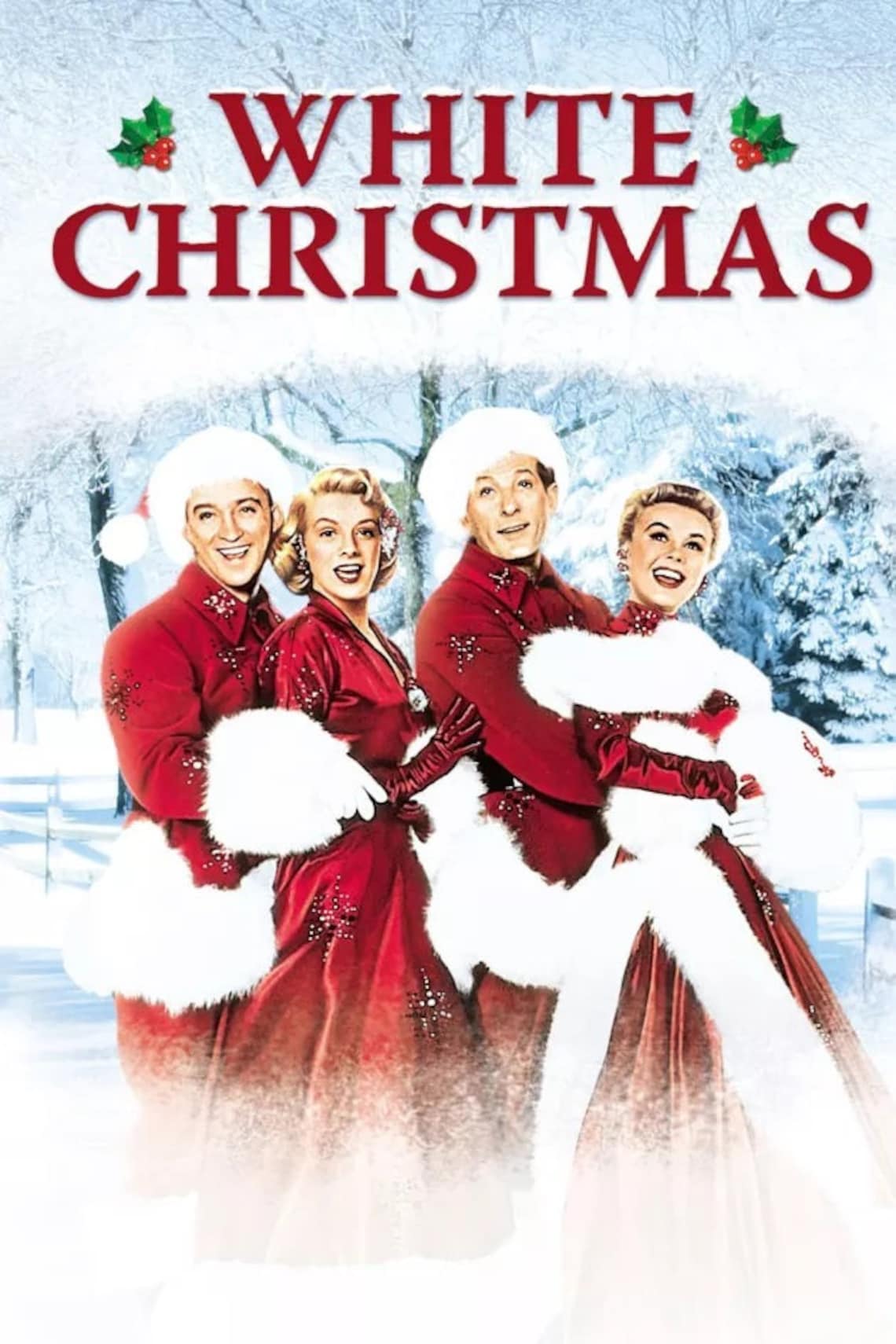
Bob Wallace is the sharp-witted, romantically guarded, and deeply talented song-and-dance man at the center of the beloved 1954 musical film White Christmas. Played by legendary entertainer Bing Crosby, Wallace forms one half of the iconic World War II veteran performance duo Wallace and Davis alongside Phil Davis, played by Danny Kaye. While the film is universally celebrated for its Irving Berlin soundtrack, festive winter settings, and technicolor visual splendor, Bob Wallace serves as the emotional anchor of the narrative. His journey from a cynical, war-weary veteran who is deeply protective of his personal life to a man willing to risk his own reputation and fortune to save a failing Vermont inn defines the classic Hollywood romantic comedy and musical structure.
Origins and Character Conception in the Context of White Christmas
To understand Bob Wallace, one must first look at the cinematic and theatrical lineage of the 1954 film. Directed by Michael Curtiz, White Christmas was in many ways a spiritual successor to the 1942 musical Holiday Inn, which also starred Bing Crosby. In Holiday Inn, Crosby played Jim Hardy, a singer who leaves the fast-paced show business world to run an inn that only opens on holidays. When Paramount Pictures and Irving Berlin began developing White Christmas—originally envisioned as a reunion for Crosby and Fred Astaire—the concept evolved. When Astaire declined the project, Danny Kaye stepped in, and the dynamic shifted from a solo romantic lead with a dance partner to a tight-knit double act.
Bob Wallace is written as the older, more pragmatic, and more serious partner compared to the breezy, matchmaking Phil Davis. Having served together in the 151st Infantry Division during World War II under the command of Major General Thomas F. Waverly, the two men transition from military service to civilian superstardom on Broadway and across the radio airwaves. Wallace handles the business side of their partnership, keeping Phil focused and shielding them both from opportunistic romantic entanglements. However, his protective shell is tested when the duo encounters the Haynes sisters, Betty and Judy, leading to a fateful train journey to Vermont that sets the entire plot into motion.
Bing Crosby’s Portrayal and Vocal Legacy
Bing Crosby’s contribution to the character of Bob Wallace cannot be overstated. By 1954, Crosby was already a monumental cultural figure, having starred in numerous films and popularized the ultimate holiday standard, "White Christmas," which he originally introduced in Holiday Inn. Casting Crosby as Bob Wallace allowed the filmmakers to lean into his signature persona: effortless charm, a soothing baritone voice, impeccable comic timing, and an easygoing demeanor that masked a sharp professional mind.
In portraying Wallace, Crosby brought a grounded authenticity to the musical numbers. Unlike high-energy theatrical dancers, Crosby’s physical performance relied on casual grace, subtle body movements, and expressive facial reactions. His musical performances in the film remain legendary:
- "White Christmas": Performed multiple times throughout the film, serving as a recurring motif of nostalgia and longing for peace.
- "Count Your Blessings Instead of Sheep": A gentle, philosophical duet with Rosemary Clooney (Betty Haynes) that earned an Academy Award nomination for Best Original Song.
- "Blue Skies": A high-energy opening sequence on a war-torn European battlefield that establishes the camaraderie between Wallace and Davis before transitioning into post-war civilian life.
- "A Sisters" / "Sisters" (Reprise): The famous comedic lip-sync and dance number where Wallace and Phil Davis dress up in feathered fans to rescue the Haynes sisters from an awkward performance.
Through Crosby, Bob Wallace becomes more than a standard romantic lead; he embodies the post-war American desire for stability, peace, and domestic happiness, all wrapped in a slick show business package.

Narrative Arc: From Cynicism to Redemption
The core conflict for Bob Wallace centers on emotional vulnerability. At the beginning of White Christmas, Wallace is hyper-vigilant against women who might be trying to exploit his fame or wealth. When Phil Davis arranges a meeting with the aspiring singing duo Betty and Judy Haynes, Wallace is immediately skeptical, viewing them as potential gold-diggers.
This skepticism creates the central dramatic tension between Wallace and Betty Haynes. Betty is fiercely protective of her younger sister Judy and equally suspicious of show business men who make and break promises on a whim. The romantic dance between distrust and genuine affection forms the emotional backbone of the film.
| Story Phase | Bob Wallace's Objective | Key Conflict / Challenge | Resolution |
|---|---|---|---|
| Opening Act | Entertain troops, manage post-war career | War fatigue, avoiding opportunistic admirers | Forms a tight bond with Phil; meets the Haynes sisters |
| The Vermont Trip | Investigate the Haynes sisters' new act | Mistaking a struggling country inn for a booming resort | Discovers General Waverly is facing financial ruin |
| The Rescue Mission | Secretly help General Waverly | Keeping the plan hidden from the proud General | Mobilizes their entire wartime division via television |
| Climax & Finale | Secure love and festive harmony | Overcoming miscommunications with Betty | Unites with Betty under literal and figurative snow |
The narrative shifts dramatically when Wallace and Davis follow the sisters to Columbia, Vermont, intending to see their holiday show. Instead, they discover that the Columbia Inn is owned by their former commanding officer, General Waverly. The inn is failing financially because there is no snow, which has kept winter tourists away, and Waverly is quietly bleeding his life savings to keep the lodge afloat.
Wallace’s character growth is demonstrated when he immediately decides to mobilize his entire television production team and the veterans of the 151st Infantry Division to save the General. This selfless act requires significant personal expense and professional risk, proving that beneath his guarded exterior, Wallace possesses profound loyalty, integrity, and deep compassion.
Comparative Analysis: Bob Wallace vs. Phil Davis
To fully appreciate Bob Wallace, it is helpful to examine how he contrasts with his partner, Phil Davis. While both men are fiercely loyal veterans and top-tier performers, their personalities complement each other through stark contrasts.
- Temperament: Wallace is cautious, analytical, and cautious about romance. Davis is impulsive, romantic, and constantly scheming to get Wallace married off so he can have peace and quiet.
- Stage Presence: Wallace is the primary vocal anchor and straight man, delivering lines with dry wit. Davis is the physical comedian and energetic dancer, driving the choreography and slapstick elements.
- Motivation: Wallace is motivated by duty, protection, and professional standards. Davis is motivated by romance, excitement, and the desire to see his best friend find happiness.
This dynamic elevates the buddy-musical genre, ensuring that the scenes between Crosby and Kaye crackle with genuine chemistry and comedic timing.
Common Misconceptions and Cultural Trivia
Over the decades since its 1954 release, several fascinating pieces of trivia and common misconceptions have surrounded Bob Wallace and the production of White Christmas:
- The Original Casting: As noted, Fred Astaire was originally intended to star alongside Bing Crosby. When Astaire withdrew, Donald O'Connor was considered before Danny Kaye secured the role. This change shifted the choreography style toward more comedic, theatrical partnering rather than traditional Astaire-style tap elegance.
- The Title Song: Many casual viewers assume "White Christmas" was written specifically for the 1954 film. In reality, Irving Berlin wrote it for the 1942 film Holiday Inn, where it won the Academy Award for Best Original Song. Its massive cultural resonance led Paramount to build an entirely new film around the song's title and theme.
- The Snow in Vermont: The idyllic snow-covered Vermont landscapes seen in the film were entirely artificially created on Hollywood soundstages at Paramount Pictures, reflecting the studio-bound nature of mid-century musical production.
Practical Guidance for Viewers and Historians
For modern audiences exploring classic cinema, understanding the context of White Christmas enhances the viewing experience. To fully appreciate Bob Wallace's character arc:
- Watch Holiday Inn (1942) First: Comparing Bing Crosby’s performance as Jim Hardy to his later work as Bob Wallace reveals how his screen persona matured from a restless romantic into a grounded, protective patriarch of a performance troupe.
- Examine the Post-War Context: Recognize that Wallace and Davis represent millions of real-life World War II veterans who successfully transitioned back to civilian life while retaining deep bonds forged in combat.
- Appreciate the Musical Integration: Notice how Wallace’s songs are not merely inserted for entertainment value, but rather advance the emotional plot—such as "Count Your Blessings" serving as a bridge between professional anxiety and domestic intimacy.
Bob Wallace remains a defining archetype in American musical cinema: a sophisticated professional with a heart of gold, whose journey from solitary cynicism to communal joy captures the enduring spirit of the holiday season.
Image Gallery
Select an image to open it in a new tab.



Lars Thomsen
Global Labor Markets and Economic Strategy Editor
