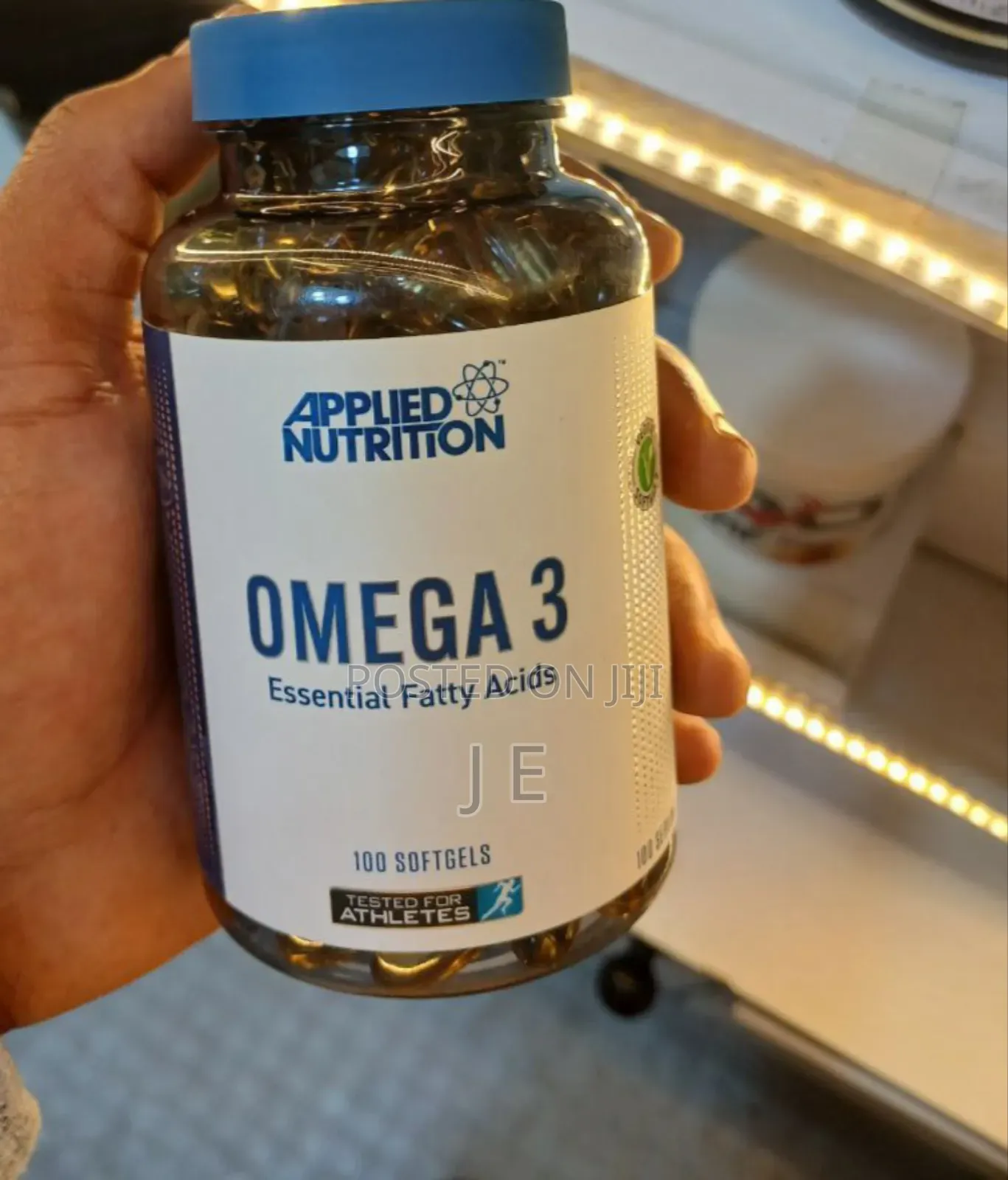
Selecting a high-quality omega-3 supplement requires evaluating the specific form of fatty acids, the concentration of EPA and DHA, the presence of third-party purity certifications, the oxidation levels of the oil, and the sustainability of the sourcing practices. By prioritizing these five pillars, you can identify a product that is both effective and safe for your health.
Understanding the Role of Omega-3 Fatty Acids
Omega-3 fatty acids are polyunsaturated fats essential to human health, meaning the body cannot produce them in sufficient quantities on its own. While there are several types of omega-3s, the most biologically significant for heart, brain, and eye health are eicosapentaenoic acid (EPA) and docosahexaenoic acid (DHA). These are primarily found in cold-water fatty fish such as salmon, mackerel, and sardines.
Because many modern diets fall short of the recommended intake of oily fish, supplementation has become a standard approach for maintaining healthy systemic levels. However, not all supplements are created equal. The market is saturated with varying qualities, extraction methods, and concentrations, making it necessary to apply a rigorous standard of evaluation before making a purchase.
1. Evaluate the Form: Triglycerides vs. Ethyl Esters
The chemical structure of the omega-3 supplement dictates how well your body absorbs and utilizes the nutrients. Most commercial fish oil is refined into either ethyl ester (EE) form or triglyceride (TG) form.
- Ethyl Esters (EE): During the refining process, the glycerol backbone of the natural fish oil is removed and replaced with ethanol. This allows manufacturers to "concentrate" the oil, creating higher levels of EPA and DHA per capsule. While cost-effective, some studies suggest that the bioavailability of the EE form is lower than that of the natural TG form, as it requires the body to re-esterify the fatty acids during digestion.
- Triglycerides (TG): This is the natural form found in fish. Though it is more expensive to produce and concentrate, research indicates that the TG form is more readily absorbed by the human digestive system.
For the highest efficacy, look for "re-esterified" triglycerides (often labeled as rTG), which offer the high concentration of the ethyl ester form while maintaining the superior absorption of the natural triglyceride structure.
2. Check the Concentration of EPA and DHA
A common mistake when shopping for supplements is looking at the total fish oil amount rather than the active ingredients. A bottle might claim "1,000 mg of Fish Oil," but that number refers to the total weight of the capsule contents, not the actual amount of omega-3s provided.
Turn the bottle over and look at the "Supplement Facts" label. You are specifically looking for the combined total of EPA and DHA. A high-quality supplement will typically list these amounts clearly. If a product contains 1,000 mg of fish oil but only 300 mg of combined EPA and DHA, you are paying for 700 mg of filler fat or oxidation-prone components that do not contribute to your health goals. Aim for supplements that provide at least 600–800 mg of combined EPA and DHA per serving to ensure you are getting a therapeutic dose.
3. Seek Third-Party Purity Verification
Fish oil is susceptible to environmental contaminants, including heavy metals (mercury, lead, cadmium), polychlorinated biphenyls (PCBs), and dioxins. Because the supplement industry is regulated as a food product rather than a pharmaceutical, independent verification is the only way to ensure the safety of the oil you are consuming.
Reputable manufacturers voluntarily submit their batches to third-party testing organizations. Look for certifications from:
- IFOS (International Fish Oil Standards): This is the industry gold standard. Their website publishes batch-specific testing results, confirming that the product meets strict standards for purity, potency, and freshness.
- USP (United States Pharmacopeia): Verification by the USP ensures that the product contains the ingredients listed on the label and is free from harmful contaminants.
- NSF International: This organization tests products for contaminants and verifies that the label claims are accurate.
If a product does not have a seal from one of these organizations, be cautious. You can often verify a company’s status by searching their specific lot number on the testing organization’s website.
4. Assess Freshness and Oxidation Levels
Omega-3 fatty acids are highly unstable and can oxidize when exposed to heat, light, or air. Oxidized (rancid) fish oil not only loses its health benefits but can also cause oxidative stress in the body. You can identify potential oxidation through two main methods: sensory testing and analytical markers.
If you cut open a capsule and it smells intensely "fishy" or "rotted," it is likely oxidized. High-quality oil should have a very mild scent. More objectively, look for the TOTOX (Total Oxidation) value if the company provides it. This value measures both primary and secondary oxidation. A lower TOTOX score indicates a fresher, higher-quality product. Furthermore, check the expiration date and store your supplements in a cool, dark place to maintain stability throughout their shelf life.
5. Verify Sustainability and Sourcing
The environmental impact of your supplement is as important as its nutritional content. Overfishing and poor harvesting practices threaten marine ecosystems. Look for the MSC (Marine Stewardship Council) certification, which ensures the fish were caught in a manner that maintains healthy fish populations and minimizes environmental disruption.
Additionally, consider the source of the oil. Smaller fish—such as sardines, anchovies, and mackerel—are lower on the food chain and generally accumulate fewer toxins than larger predatory fish like tuna or shark. Oils derived from these smaller, short-lived species are inherently safer and more sustainable.
Comparative Summary of Supplement Attributes
| Feature | Low-Quality/Generic | High-Quality/Recommended |
|---|---|---|
| Form | Standard Ethyl Ester (EE) | Re-esterified Triglyceride (rTG) |
| Purity Testing | None or Internal Only | IFOS, USP, or NSF Certified |
| EPA/DHA Ratio | Low (e.g., <30% of total oil) | High (e.g., >60% of total oil) |
| Sustainability | Unknown/Unregulated | MSC Certified |
| Freshness | High oxidation risk (TOTOX > 26) | Low oxidation (TOTOX < 15-20) |
Frequently Asked Questions
Does the color of the fish oil indicate its quality? No, color is not a reliable indicator of quality. It can vary based on the fish species used and the processing method. Transparency and a lack of sediment are better visual cues, but analytical testing (TOTOX) is the only objective measure of freshness.
Should I choose krill oil or fish oil? Both provide EPA and DHA. Krill oil contains astaxanthin (a potent antioxidant) and the omega-3s are often bound to phospholipids, which may improve absorption. However, fish oil typically provides a higher total dose of EPA/DHA per dollar. Choose based on your specific dosage requirements.
Are plant-based omega-3s (ALA) a good substitute? Plant sources like flaxseed contain alpha-linolenic acid (ALA). While healthy, the human body is inefficient at converting ALA into the active forms (EPA and DHA). If you follow a vegan diet, look for algae-based omega-3 supplements, which provide direct EPA and DHA.
How do I know if my supplement is rancid without a TOTOX score? Beyond the smell test, check the expiration date. If the capsules appear cloudy, have developed a dark tint, or cause significant "fishy burps," the oil may have degraded. Storing your bottle in the refrigerator can help slow oxidation after opening.
Is more always better? Not necessarily. Excessive intake of omega-3s can have a blood-thinning effect. Most health organizations suggest a combined EPA/DHA intake of 500 mg to 2,000 mg per day for general health. Always consult your healthcare provider before exceeding 2,000 mg daily, especially if you are on anticoagulant medication.
Final Recommendation
To ensure you are getting the most value and health benefit, begin by checking the "Supplement Facts" label for the total combined EPA and DHA content. Next, prioritize products that carry an IFOS, USP, or NSF seal. If the company does not provide testing results for purity and oxidation, choose a different brand. By combining these steps, you can confidently select a high-quality, sustainable, and effective omega-3 supplement that meets your nutritional needs.
Image Gallery
Select an image to open it in a new tab.
Celine Dubois
Contemporary Living and Global Arts Columnist
