Understanding Workers Compensation Auto Service: Navigating Coverage for Work-Related Vehicle Accidents
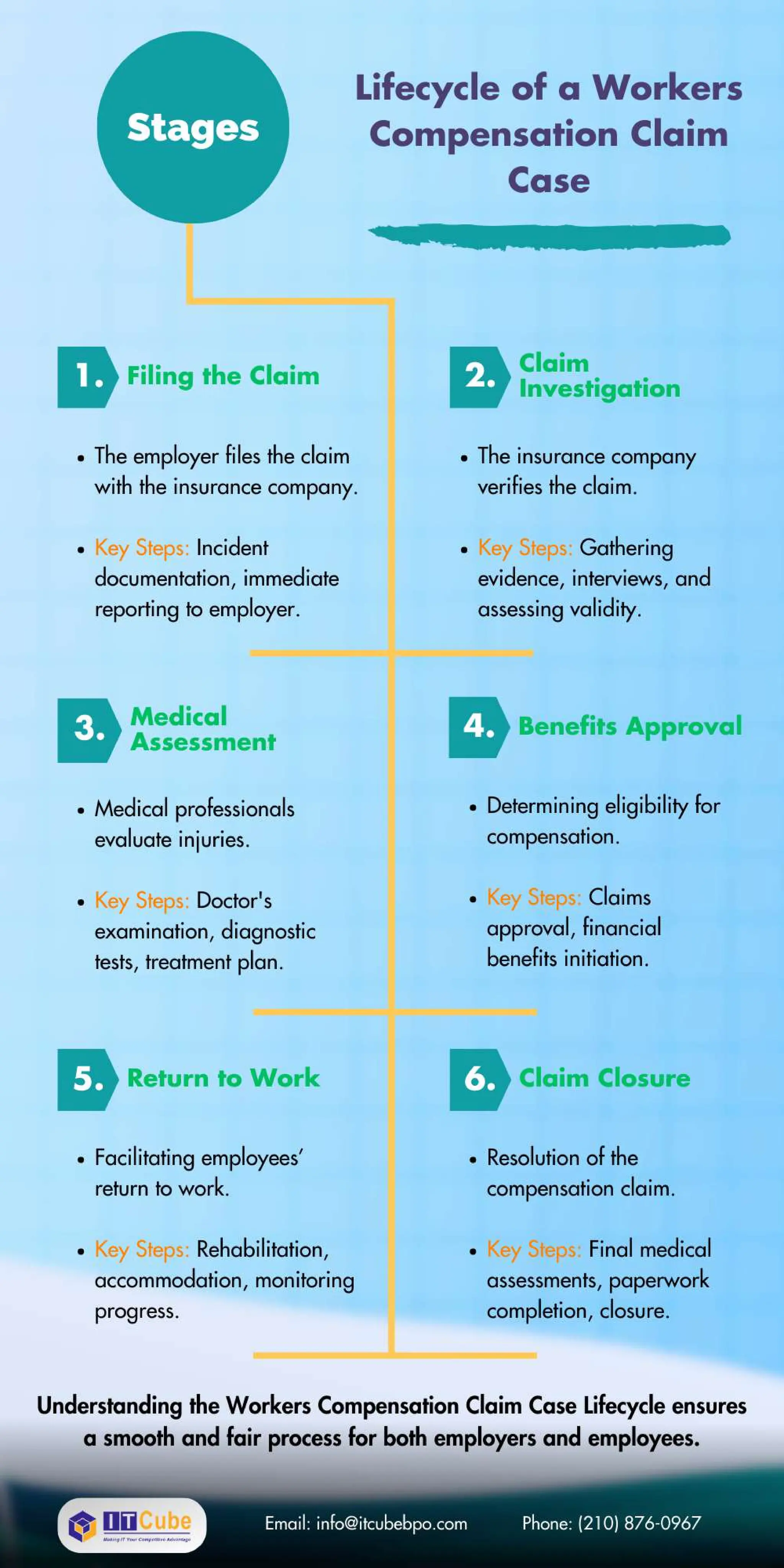
Workers compensation auto service refers to the specialized application of state-mandated workers compensation insurance when an employee is injured while operating a vehicle in the course of their employment. It functions as the primary safety net for medical expenses and lost wages, independent of traditional auto insurance liability, specifically addressing the intersection of vehicle operation and occupational safety requirements.
The Intersection of Employment and Vehicle Operation
The distinction between a personal commute and a work-related trip is the foundational element of workers compensation in the context of automotive accidents. In almost all jurisdictions, the "Coming and Going Rule" dictates that employees are generally not covered by workers compensation while commuting between their home and their fixed place of employment. However, once an employee begins performing job duties—which includes operating a company-owned vehicle or a personal vehicle for business purposes—the legal classification shifts.
When an accident occurs during business-related travel, the employer's workers compensation policy typically triggers. This coverage is distinct from personal or commercial auto insurance. While auto insurance addresses property damage to the vehicle and liability for other drivers, workers compensation focuses exclusively on the physical or psychological harm sustained by the employee. Understanding this separation is critical for both employers managing risk and employees navigating recovery after a crash.
Distinguishing Coverage: Workers Compensation vs. Commercial Auto Insurance
To manage risks associated with fleet operations, it is essential to understand the unique silos of insurance coverage. When a collision occurs, claims are often filed against two or even three distinct policy types simultaneously.
- Workers Compensation: This is a "no-fault" system. It covers the medical costs and a portion of lost wages for the injured employee regardless of who was at fault for the accident. It generally precludes the employee from suing the employer for damages resulting from the injury.
- Commercial Auto Liability: This policy covers damages caused to third parties. If an employee hits another vehicle, the commercial auto policy covers the repairs to the other vehicle and medical expenses for the other driver.
- Commercial Auto Collision/Comprehensive: This covers the repair or replacement costs for the vehicle the employee was driving.
The complexity arises when an employee uses their personal vehicle for business. In such cases, the employer’s "non-owned auto" liability coverage may apply to third-party damages, but the workers compensation policy remains the primary source for the employee’s personal injuries.
Criteria for Eligibility: What Constitutes a Work-Related Accident?
Not every incident involving a vehicle while on the clock qualifies for workers compensation. Adjusters and state boards look for specific "course and scope" indicators to verify eligibility.
- Direct Benefit to the Employer: Was the employee performing a task that directly benefited the employer, such as traveling to a client site, picking up supplies, or performing mobile service?
- Instructional Compliance: Was the employee following authorized routes or standard operating procedures? Significant deviations from professional duties, often termed "frolic and detour," can jeopardize coverage.
- Control and Supervision: Does the employer dictate the time, place, and manner of the travel? Employees with high levels of employer-imposed structure are more likely to fall under workers compensation protection.
Common Scenarios and Coverage Status
| Scenario | Typical Coverage Status | Rationale |
|---|---|---|
| Normal Commute to Office | Not Covered | Falling under the standard "Coming and Going Rule." |
| Travel Between Work Sites | Covered | Essential function of the workday and job duties. |
| Delivery/Mobile Service Call | Covered | Direct business activity during working hours. |
| Lunch Break (Off-Premises) | Variable | Often excluded unless the break involves a work task. |
| Personal Errands during Work | Generally Excluded | Considered a personal detour outside the scope of employment. |
Steps to Take Following a Work-Related Auto Accident
If an accident occurs, employers and employees must follow a precise protocol to ensure that the workers compensation claim is not compromised. Procedural errors can lead to delays in medical treatment or disputes regarding the origin of the injury.
- Immediate Medical Attention: The primary priority is safety. If the employee is injured, they must seek professional medical care immediately. In many states, the employer has the right to direct the employee to specific medical providers; employees should verify if their state has this requirement.
- Scene Documentation: Similar to any auto accident, parties involved must gather contact information from other drivers, take photos of the scene, and file a police report. This evidence is vital for both the auto insurer and the workers compensation adjuster.
- Prompt Reporting: Employers must report the injury to their insurance carrier as soon as they become aware of it. Most states have strict deadlines for filing a "First Report of Injury." Delaying this report can result in regulatory penalties and may cause the insurer to conduct a more invasive investigation into the legitimacy of the claim.
- Preservation of Employment Records: The employer should document the employee’s schedule, the purpose of the trip, and authorization status. This documentation verifies that the employee was indeed acting within the "scope of employment."
The Role of "Non-Owned" Auto Liability
Many businesses rely on employees to use their personal vehicles for work. This creates a coverage gap if the company does not have a "Hired and Non-Owned Auto" (HNOA) policy. While workers compensation will cover the employee’s injuries, it does not protect the company from lawsuits initiated by other parties involved in the accident.
Employers should ensure that employees who drive for work maintain adequate personal auto insurance. However, relying solely on an employee’s personal policy is a significant risk. If an accident exceeds the limits of the employee's policy, the business can be held vicariously liable for the damages. Therefore, maintaining HNOA insurance is an essential companion to workers compensation in an auto-service-heavy operational model.
Challenges and Disputes in Claims
Despite the "no-fault" nature of workers compensation, disputes frequently occur, particularly in vehicular cases. The most common point of contention involves whether the employee was acting in the scope of employment at the exact moment of the crash.
- Deviation Disputes: If an employee takes an unauthorized detour for personal reasons—such as stopping at a personal residence or running a personal errand while on a business trip—the insurer may argue that the injury did not arise out of employment. Courts often analyze whether the deviation was a "minor" or "major" departure from the job duties.
- Intoxication or Illegal Conduct: In many jurisdictions, if the injury was caused by the employee’s willful intoxication or the commission of a crime, workers compensation benefits may be denied.
- Pre-existing Conditions: Insurers may attempt to attribute back or neck pain from an auto accident to pre-existing conditions rather than the specific incident. Detailed medical records immediately following the accident are the best defense against this type of claim denial.
Administrative Requirements for Employers
To maintain compliance in 2026, employers must adhere to state-specific record-keeping standards. Employers operating in multiple states must be aware that workers compensation laws are not uniform; a company with fleet operations spanning state lines may need to navigate entirely different statutes for an accident occurring in one state versus another.
Employers should conduct periodic reviews of their workers compensation policies to ensure that "employee-as-driver" exposure is fully disclosed to the insurance carrier. Failing to report the actual amount of driving conducted by employees can lead to an incorrect premium calculation and potential coverage denial during a premium audit.
Frequently Asked Questions
1. Does workers compensation cover me if I am in a company vehicle during my lunch break? Usually, no. Unless you are running a work-related errand for your employer while on lunch, injuries sustained during a personal break are typically considered outside the scope of employment and therefore not covered by workers compensation.
2. Can I sue my employer for a car accident if they were negligent in maintaining the vehicle? In most states, the "exclusive remedy" provision of workers compensation prevents employees from suing their employers for work-related injuries, even in cases of negligence. Exceptions exist only in rare instances of gross or intentional misconduct, which vary significantly by jurisdiction.
3. What if I use my own car for work? If you are performing authorized work duties, your employer’s workers compensation policy still covers your injuries, regardless of whose vehicle you are operating. However, the damage to the vehicle itself is usually covered by your personal auto policy, and your insurer may deny coverage if they discover you were using the vehicle for commercial purposes without a business-use endorsement.
4. How does workers compensation affect my personal auto insurance premium? Workers compensation is a separate system from auto insurance. A claim filed under your employer’s workers compensation policy should not impact your personal auto insurance rates or history, as the two systems are independent.
5. What is the "Coming and Going Rule" and how does it affect me? This rule establishes that injuries occurring during your standard commute between home and work are not considered "arising out of employment." Therefore, you are generally not eligible for workers compensation for accidents that happen while you are simply driving to or from your job.
Next Steps for Implementation
If your business involves employees driving as a core function of their roles, the most effective next step is to conduct a "Vehicle Use Audit." This involves identifying which employees use vehicles for work, verifying their driving records, confirming they have adequate personal coverage, and ensuring your current workers compensation policy adequately accounts for the associated risk. Consult with a licensed commercial insurance broker to review your policy language, specifically regarding "Hired and Non-Owned Auto" endorsements, to ensure no gaps exist between your automotive liability and your workers compensation obligations.

Image Gallery
Select an image to open it in a new tab.

Vivian Cho
Executive IT and Emerging Technologies Reporter
