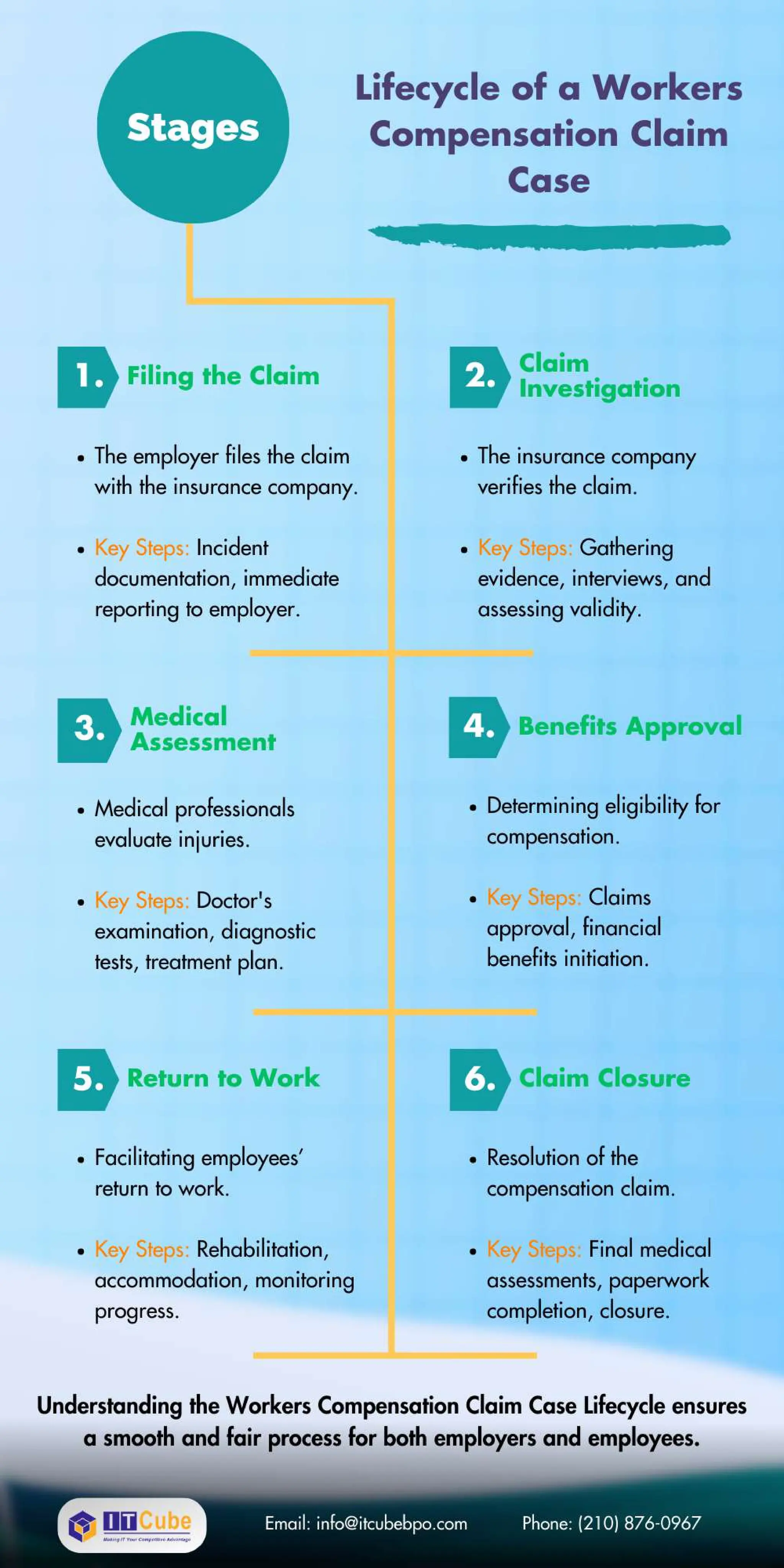
The Workers’ Compensation and Rehabilitation Act 2003 is the primary legislation governing workplace injury insurance in Queensland. It establishes a "no-fault" statutory scheme that provides financial support and medical treatment for injured workers while protecting employers from immediate litigation through a structured claims process managed primarily by WorkCover Queensland or approved self-insurers.
The legal landscape for workplace safety and compensation in Queensland is built upon the Workers’ Compensation and Rehabilitation Act 2003 (the Act). As of 2026, this framework remains a critical pillar of the state's industrial relations system, ensuring that workers who suffer injuries or illnesses "arising out of, or in the course of, employment" are provided with the necessary rehabilitation and financial security to return to work.
The Core Philosophy of the Queensland Scheme
Unlike several other jurisdictions, Queensland maintains a "no-fault" statutory compensation scheme. This means an injured worker does not need to prove their employer was negligent to receive statutory benefits, such as weekly wage replacement or medical expenses. The mere fact that the injury occurred in the course of employment—and that the employment was a significant contributing factor—is generally sufficient to trigger coverage.
However, the Act also provides a pathway for common law claims. If a worker can prove that the employer’s negligence or breach of duty caused the injury, they may sue for larger lump-sum damages. The Act carefully balances these two pathways to maintain the financial viability of the scheme while ensuring workers have access to justice. As of 2026, the Queensland scheme continues to be one of the most efficient and cost-effective in Australia, largely due to this balanced approach and the central role of WorkCover Queensland as the government-owned insurer.
Defining the "Worker" and "Injury"
Understanding who is covered and what constitutes an injury is the first step in navigating the Act. The definitions are specific and have been refined through decades of case law.
Who is a Worker?
Under the Act, a "worker" is generally an individual who works under a contract of service. This includes full-time, part-time, and casual employees. In 2026, the distinction between a "worker" and an "independent contractor" remains a point of high scrutiny. To be considered a worker under the Act, the person must perform the work personally and not be part of a separate business entity that carries its own risk. The "results test" is often applied: if a person is paid to produce a specific result, provides their own tools, and is liable for the cost of rectifying faulty work, they may be classified as a contractor and thus excluded from the employer's WorkCover policy.
Defining a Compensable Injury
Section 32 of the Act defines an injury as a personal injury arising out of, or in the course of, employment if the employment is a significant contributing factor to the injury. This includes:
- Physical injuries: Fractures, lacerations, or repetitive strain.
- Psychological injuries: Anxiety or depression resulting from workplace trauma or stress.
- Aggravations: The worsening of a pre-existing condition, provided the work was a significant contributing factor to that worsening.
- Diseases: Illnesses contracted due to the nature of the work, such as silicosis or asbestos-related diseases.
Statutory Benefits vs. Common Law Claims
The Act divides compensation into two distinct categories. Understanding the transition between these two is vital for both claimants and legal practitioners.
Statutory Claims
Statutory benefits are the immediate "safety net." Once a claim is accepted by WorkCover or a self-insurer, the worker is entitled to:
- Weekly Payments: A percentage of the worker's Normal Weekly Earnings (NWE) to replace lost wages.
- Medical Expenses: Coverage for hospital visits, surgery, physiotherapy, and medication.
- Rehabilitation: Services designed to assist the worker in returning to their original role or a suitable alternative.
- Lump Sum Compensation: If the injury results in a permanent impairment, the worker may be offered a one-off payment based on their Degree of Permanent Impairment (DPI).
Common Law Claims
If a worker’s DPI is assessed, they are issued a Notice of Assessment. At this point, the worker often faces a choice. If they accept a lump sum for a low DPI (typically below 20%), they may forfeit their right to pursue a common law claim. A common law claim allows the worker to sue for:
- Pain and suffering (General Damages).
- Future loss of earning capacity.
- Future medical expenses.
- Past and future gratuitous care.
Common law claims require proof of negligence. In 2026, these claims are subject to strict pre-court procedures defined in the Act to encourage settlement before a full trial in the District or Supreme Court.
| Feature | Statutory Claim | Common Law Claim |
|---|---|---|
| Fault Requirement | No-fault; only need to prove work-relatedness. | Must prove employer negligence or breach of duty. |
| Benefit Type | Periodic weekly payments and medical bills. | Single lump-sum settlement or judgement. |
| Timeframe | Immediate support after injury. | Usually pursued after the injury has stabilized. |
| Proof of Injury | Medical certificate from a doctor. | Comprehensive medical evidence and expert reports. |
| Legal Costs | Generally not recoverable for the worker. | Successful plaintiffs can often recover a portion of costs. |
Employer Obligations and Compliance
The Act imposes significant responsibilities on employers to ensure the system functions correctly. Non-compliance can lead to heavy penalties and personal liability for company directors.
Compulsory Insurance
Every employer in Queensland must have an Accident Insurance Policy with WorkCover Queensland, unless they are an approved self-insurer. This policy covers the employer for their liability to pay compensation and their liability for common law damages. As of 2026, premiums are calculated based on the employer’s industry rate and their "Experience Based Rating" (EBR), which looks at their claims history relative to their size.
Reporting and Rehabilitation
Employers are legally required to report any injury for which a worker might be entitled to compensation within eight business days of becoming aware of it. Furthermore, the Act mandates that employers assist in the worker's rehabilitation. Employers with a certain wages threshold must appoint a qualified Rehabilitation and Return to Work Coordinator. Failing to provide "suitable duties" to an injured worker who is fit to return to work in a limited capacity can result in fines and increased premium costs.
Psychological Injuries and "Reasonable Management Action"
A significant area of complexity within the Act involves psychological injuries. Section 32(1) contains an important exclusion: an injury does not include a psychiatric or psychological disorder arising out of reasonable management action taken in a reasonable way.
Management actions include:
- Performance appraisals.
- Disciplinary meetings.
- Retrenchment or transfer.
- Decisions regarding leave or promotion.
If a worker suffers stress-related illness because they were disciplined, the claim will be rejected if the insurer determines the employer acted fairly and followed proper procedures. This area of the Act is frequently litigated, as the definition of "reasonable" is subjective and dependent on the specific facts of the case. In 2026, with a heightened focus on mental health in the workplace, the interpretation of "reasonable way" continues to evolve through decisions by the Queensland Industrial Relations Commission (QIRC).
The Claims Process and Time Limits
Navigating the Act requires strict adherence to timelines. Failure to act within these windows can result in the loss of all rights to compensation.
- Report the Injury: The worker should notify their employer immediately.
- Consult a Doctor: A "Workers' Compensation Medical Certificate" is required.
- Lodge the Claim: The claim should be lodged with WorkCover Queensland. Under the Act, a claim for statutory compensation must generally be lodged within six months of the injury occurring or a doctor diagnosing the condition.
- Insurer Decision: The insurer has 20 business days to accept or reject the claim, though they can request an extension for complex investigations.
- Notice of Assessment: Once the injury is stable (Maximum Medical Improvement), the worker is assessed for permanent impairment.
- Common Law Limitation: A common law lawsuit must generally be commenced within three years of the date of the injury.
Dispute Resolution: Reviews and Appeals
If a worker or an employer disagrees with a decision made by WorkCover (such as the rejection of a claim), the Act provides a tiered dispute resolution process.
- Administrative Review: The first step is applying for a review by the Regulatory Services (part of the Office of Industrial Relations). An independent reviewer examines the file and decides whether to confirm, vary, or set aside the original decision.
- Appeals to the QIRC: If a party is dissatisfied with the review decision, they can appeal to the Queensland Industrial Relations Commission. This is a more formal legal process involving evidence and witnesses.
- Medical Assessment Tribunals (MAT): Disputes regarding purely medical questions (such as the Degree of Permanent Impairment or whether a worker is fit for duty) are referred to a MAT. The MAT consists of specialist doctors whose decisions are final and cannot be appealed on medical grounds.
Practical Expert Guidance for Workers and Employers
For workers, it is essential to be honest and consistent in medical consultations. The Act relies heavily on medical evidence. Ensure that every symptom is documented early, as "belated" complaints are often treated with skepticism by insurers.
For employers, documentation is the best defense against fraudulent or exaggerated claims. Maintaining clear records of "reasonable management actions," safety inductions, and incident reports is vital. In 2026, the use of digital safety management systems is often cited by insurers as a mitigating factor that can lead to lower premiums.
Frequently Asked Questions
Can I claim compensation if I was injured during my lunch break? Yes, generally. The Act covers injuries that occur during an "ordinary recess," such as a lunch or coffee break, provided the worker did not voluntarily subject themselves to an abnormal risk of injury during that time. If you leave the premises for lunch and are injured in a car accident, you may still be covered under the "journey" provisions of the Act, depending on the circumstances.
What happens if my claim is rejected because of a pre-existing condition? A pre-existing condition does not automatically disqualify you. The Act allows for claims based on the "aggravation" of a pre-existing condition. You must prove that your work tasks or a specific workplace incident made the condition worse. The insurer will look at medical records to determine the "baseline" of your health before the incident.
How long do I have to sue my employer for negligence? In Queensland, the statute of limitations for personal injury claims is three years from the date of the injury. However, under the Workers’ Compensation and Rehabilitation Act 2003, you cannot start a common law claim until you have received a Notice of Assessment from the insurer. It is critical to start the statutory claim process early to ensure you have enough time to meet the three-year common law deadline.
Are "Gig Economy" workers covered under the Act in 2026? The status of gig economy workers (such as delivery riders or ride-share drivers) depends on whether they meet the definition of a "worker" in Schedule 2 of the Act. While there have been ongoing legislative discussions and test cases regarding the "contract of service" for gig workers, many are still classified as independent contractors unless a specific agreement or legislative amendment dictates otherwise.
Does the Act cover injuries sustained while working from home? Yes. With the permanence of hybrid work models in 2026, the "workplace" is legally defined as any place the worker is required to be for their employment. If an injury occurs while performing work duties at home, it is compensable. However, disputes often arise regarding whether the worker was "at work" or performing domestic chores at the precise moment of injury.
Practical Recommendation: If you are an employer, review your Accident Insurance Policy annually to ensure your wage declarations are accurate. For workers, if you receive a Notice of Assessment, seek legal advice before signing any documents, as accepting a lump-sum payment may permanently extinguish your right to seek higher compensation through a common law claim.
Image Gallery
Select an image to open it in a new tab.
Omar Farooq
EdTech Innovation and Virtual Pedagogy Journalist
